Alphabet Recognition Easy Letter Recognition Worksheets for Ages 6-9
5 filtered results
-
From - To
Enhance your child's alphabet skills with our Alphabet Recognition Easy Letter Recognition Worksheets designed for ages 6-9. Our engaging, educational printables are crafted to boost letter identification through fun activities and exercises. Each worksheet focuses on different letters, combining visual aids and practice tasks to solidify understanding and retention. Perfect for early learners and beneficial in homeschooling scenarios, our resources aim to build a strong reading and writing foundation. Explore our diverse collection to empower your child's educational journey. Unlock potential and make alphabet learning an enjoyable part of their everyday routine!
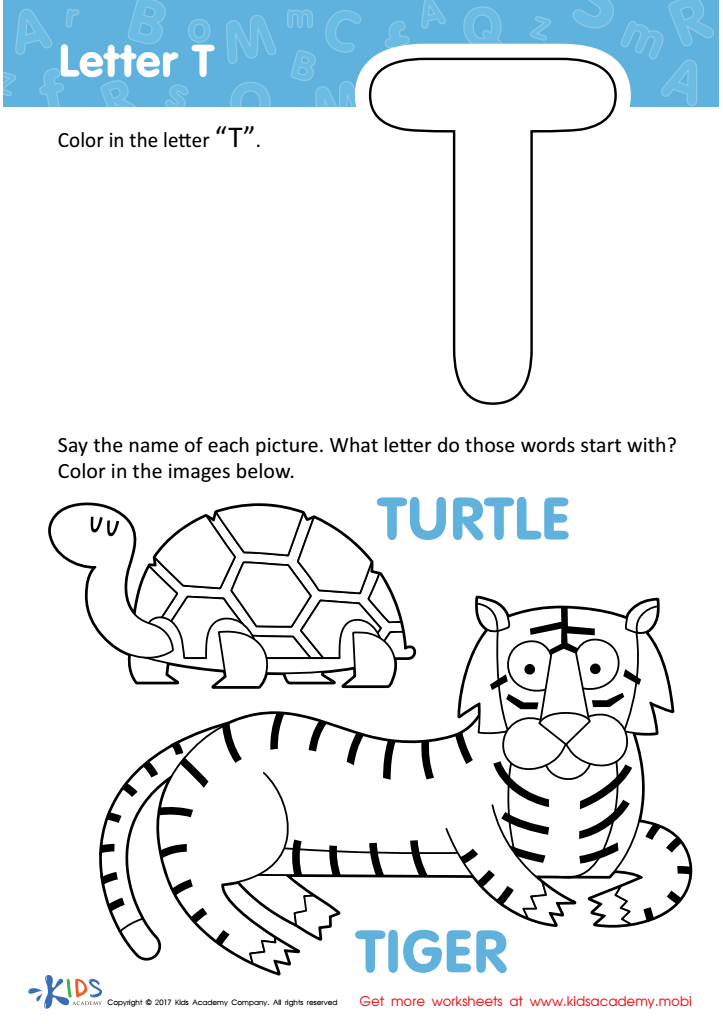
Letter T Coloring Sheet
 Assign to My Students
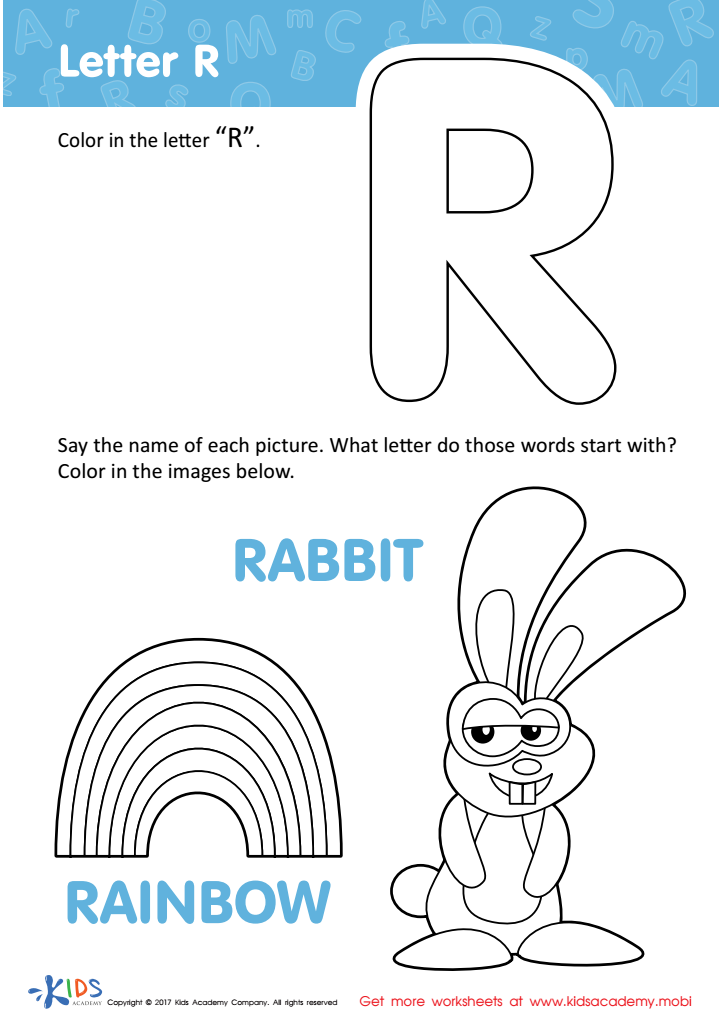
Letter R Coloring Sheet
Assign to My Students
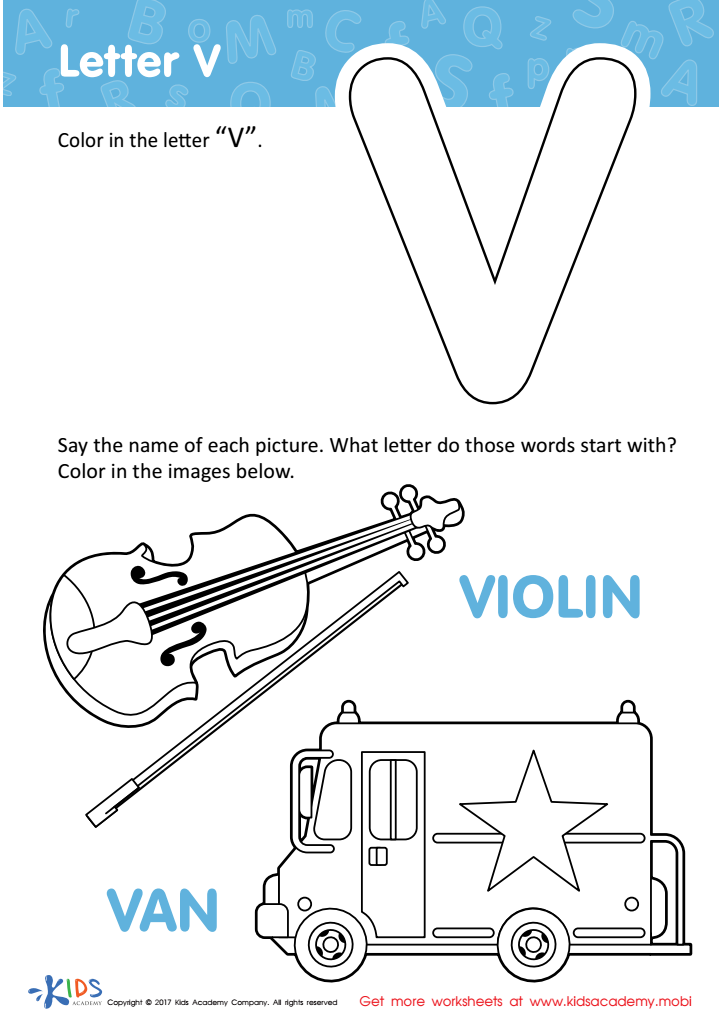
Letter V Coloring Sheet
Assign to My Students
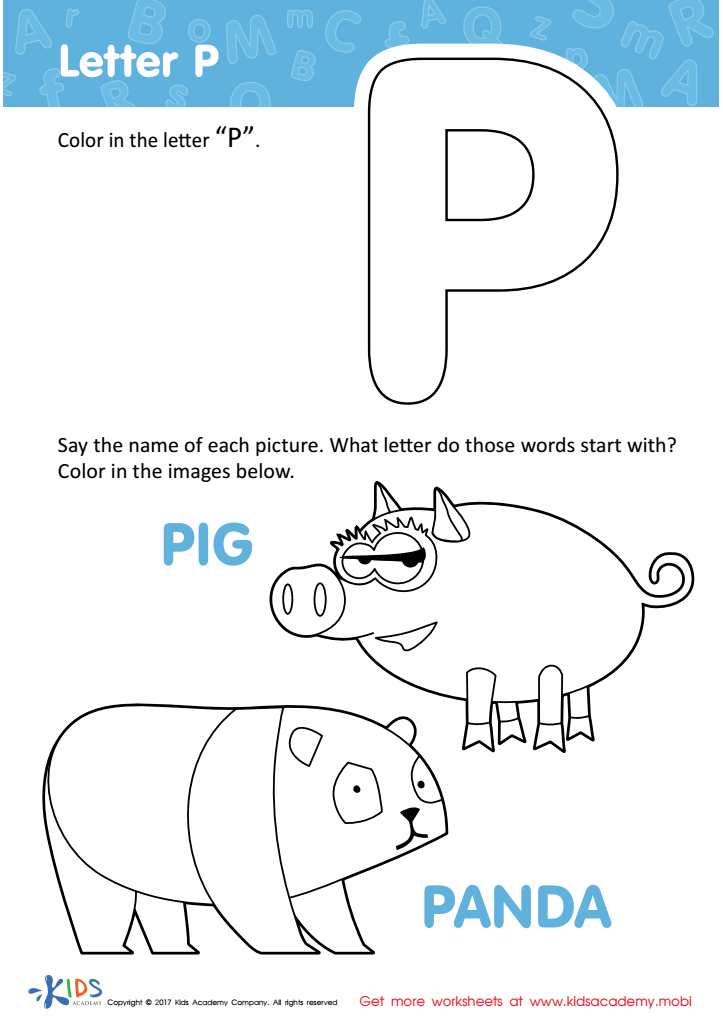
Letter P Coloring Sheet
Assign to My Students
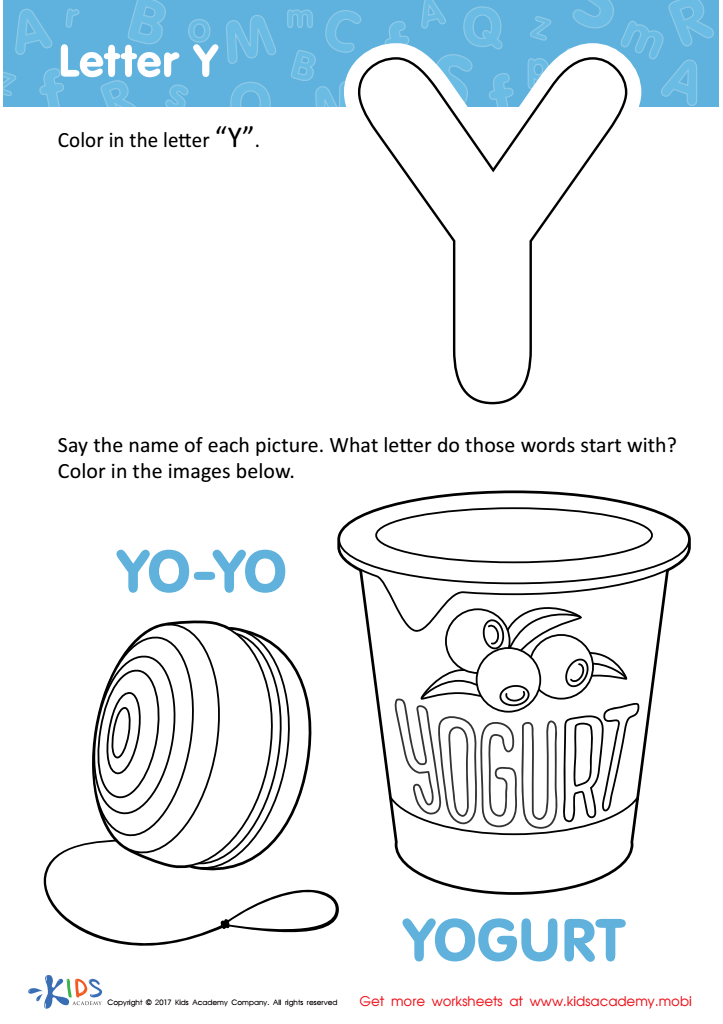
Letter Y Coloring Sheet
Assign to My Students








Alphabet recognition forms the foundation of literacy and communication skills that are essential for a child's academic and personal development. For children between the ages of 6 and 9, mastering alphabet recognition is a crucial stepping stone to successfully moving on to more complex reading and writing tasks.
At this stage, children's brains are especially receptive to learning. Understanding the shapes, sounds, and names of letters enables them to decode words and develop strong reading skills. When parents and teachers focus on easy letter recognition, they provide children with essential tools for word formation and sentence construction. This foundational skill not only fosters more effective communication but also boosts their confidence in engaging with books and written material, sparking a lifelong love for reading.
Moreover, solid alphabet recognition aids in cognitive development. Children engage in problem-solving and critical thinking as they recognize and decipher patterns in letters and words. This serves as a stepping stone to future learning in subjects beyond language arts, including math and science.
In conclusion, prioritizing alphabet recognition for children aged 6-9 sets them up for academic success, fosters cognitive development, and lays the groundwork for effective communication and critical thinking skills they will use throughout their lives. Parents and teachers play an essential role in this important phase of learning.