Fine Motor Skills Easy Letter Recognition Worksheets for Ages 6-9
6 filtered results
-
From - To
Explore our “Fine Motor Skills Easy Letter Recognition Worksheets” designed specifically for children ages 6-9. These engaging worksheets not only facilitate letter recognition but also enhance fine motor skills through enjoyable activities. Each sheet is crafted to keep young learners focused and motivated while they practice writing, coloring, and tracing letters. Perfect for home or classroom use, these worksheets provide a hands-on approach to learning, making it easy for kids to master the alphabet. Help your child build their foundational skills and boost their confidence in literacy with our fun and interactive letter recognition resources!
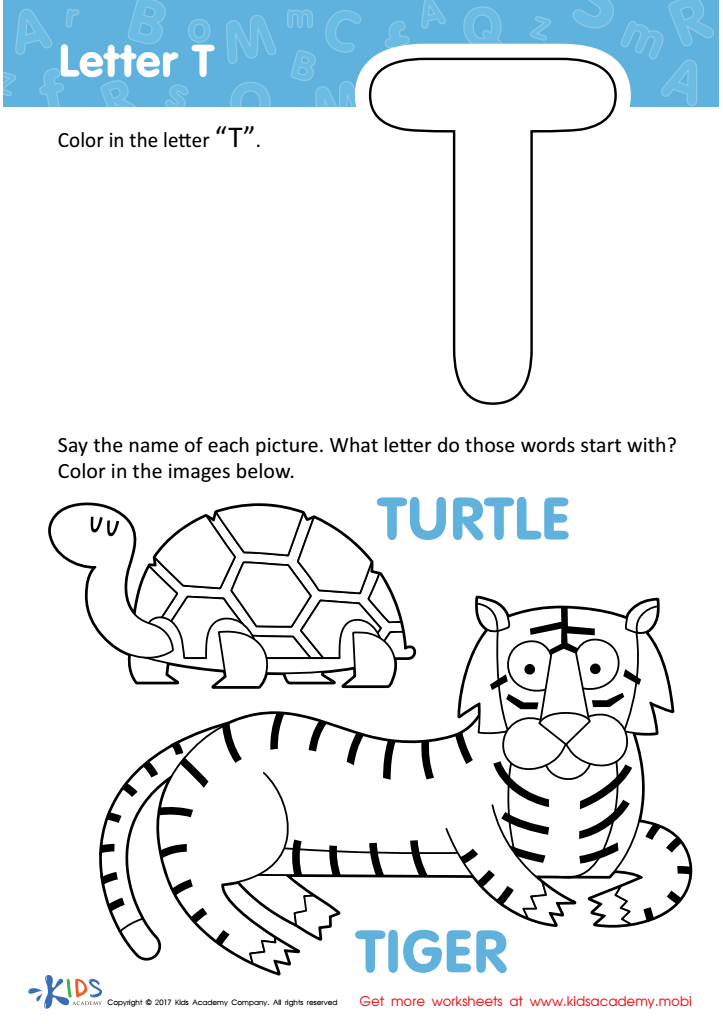
Letter T Coloring Sheet
 Assign to My Students
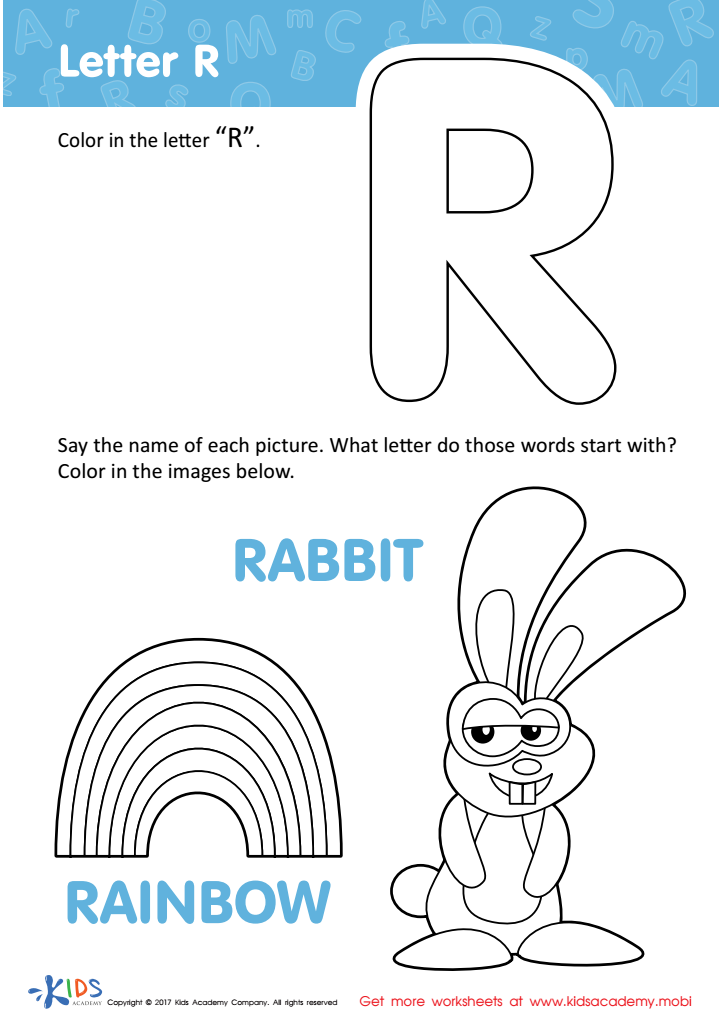
Letter R Coloring Sheet
Assign to My Students
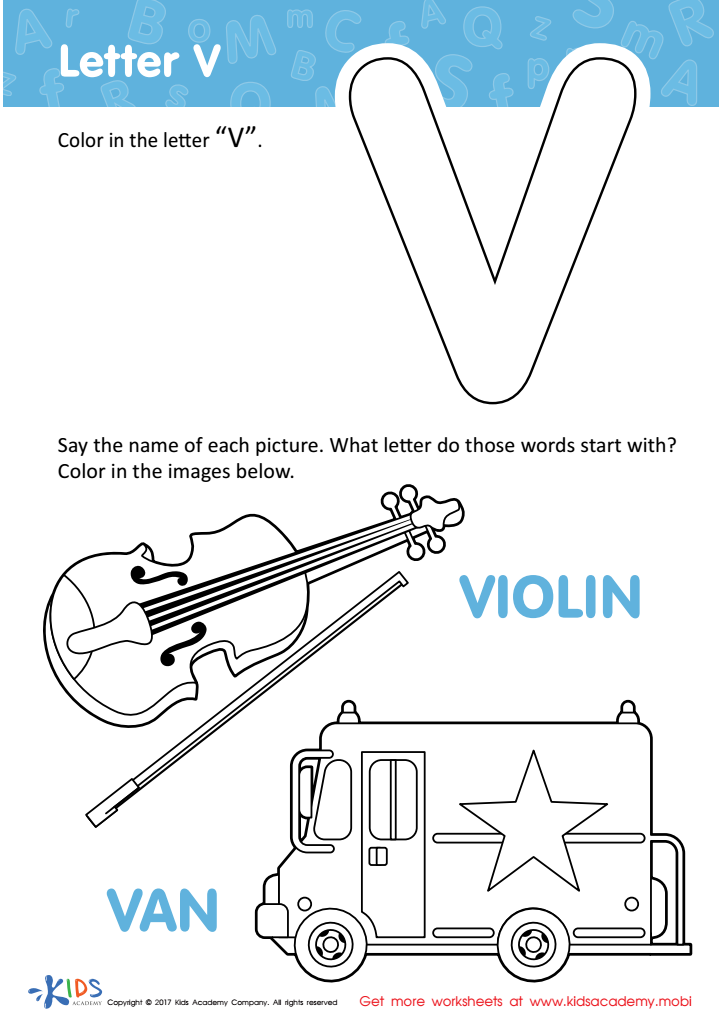
Letter V Coloring Sheet
Assign to My Students
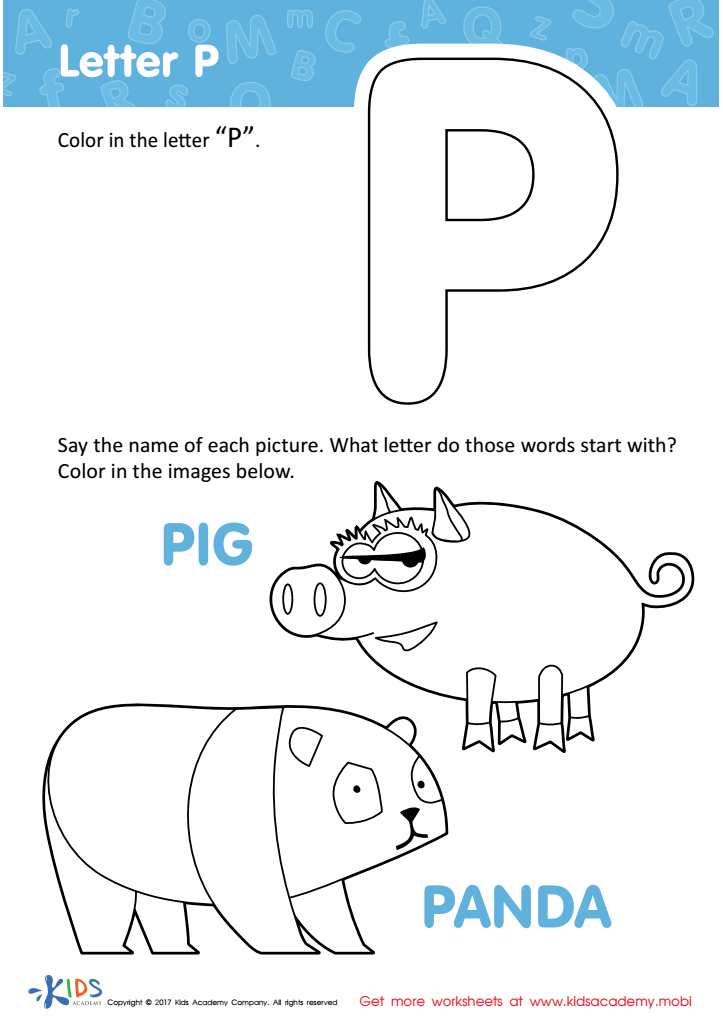
Letter P Coloring Sheet
Assign to My Students
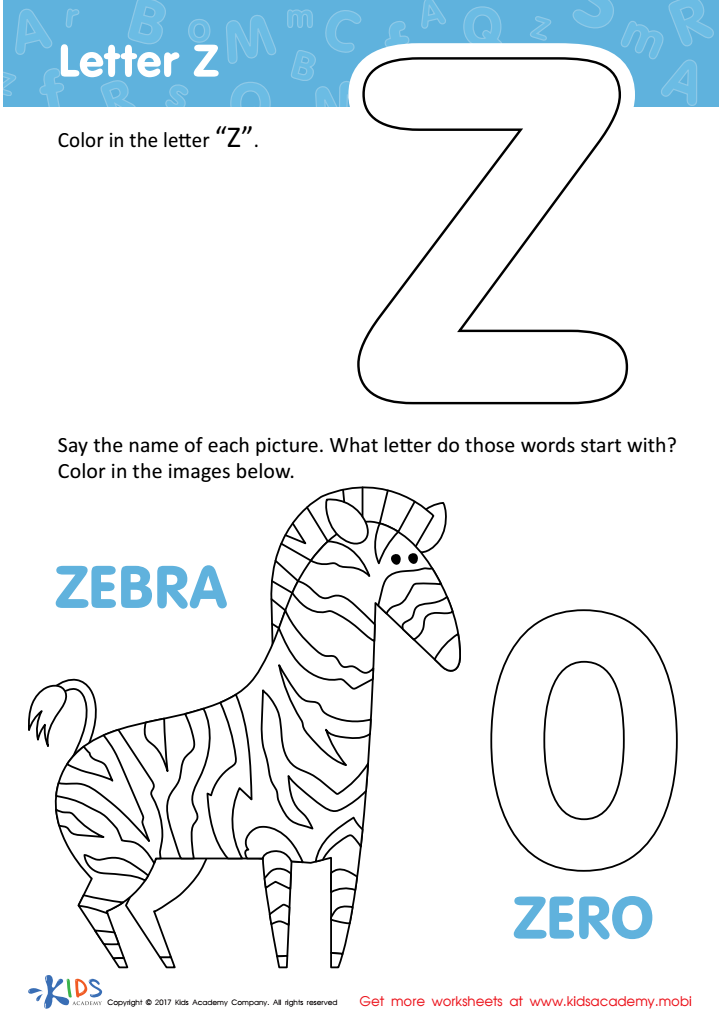
Letter Z Coloring Sheet
Assign to My Students
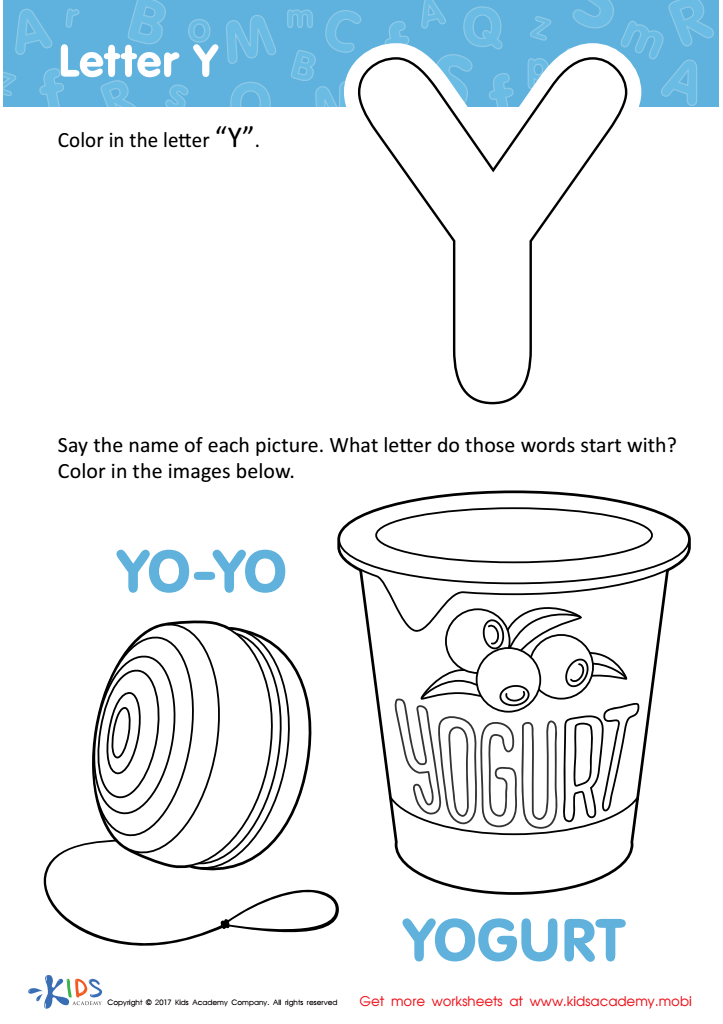
Letter Y Coloring Sheet
Assign to My Students








Fine motor skills are essential for children aged 6-9 as they directly influence their ability to perform everyday tasks and support their academic success. Such skills involve small muscle movements, which are crucial for writing, drawing, and manipulating objects. Achieving easy letter recognition is a fundamental building block in literacy development, as it helps children connect sounds to symbols, sparking a lifelong love for reading and writing.
Parents and teachers should care about developing these skills because strong fine motor coordination also correlates with cognitive development. When children practice good penmanship or engage in crafts, they enhance their hand-eye coordination and spatial awareness. This enhanced dexterity lays a robust foundation for more complex skills, such as problem-solving and critical thinking.
Moreover, strong letter recognition can boost children’s confidence in the classroom, leading to greater participation and a positive attitude towards learning. Children who struggle with fine motor skills may face difficulties with writing tasks, potentially impacting their academic performance. Hence, fostering these skills is not only important individually but also contributes to a supportive learning environment where every child has the opportunity to excel. Ultimately, recognizing and nurturing these skills can lead to holistic child development.