
Fine motor development Easy Worksheets for Ages 6-9
3 filtered results
Difficulty Level
Grade
Age
-
From - To
Subject
Activity
Standards
Unlock your child's potential with our Fine Motor Development Easy Worksheets for ages 6-9! These engaging, age-appropriate activities are designed to enhance hand-eye coordination, dexterity, and precision in young learners. Our worksheets feature fun tasks such as tracing, cutting, and coloring, making skill-building enjoyable and accessible. Perfect for both home and classroom use, these resources foster creativity while supporting essential developmental milestones. Teachers and parents alike can utilize these printable worksheets to create a stimulating learning environment. Dive into a world of learning with our expertly crafted fine motor activities and watch your child's skills flourish! Start your adventure today!
Favorites
With answer key
Interactive
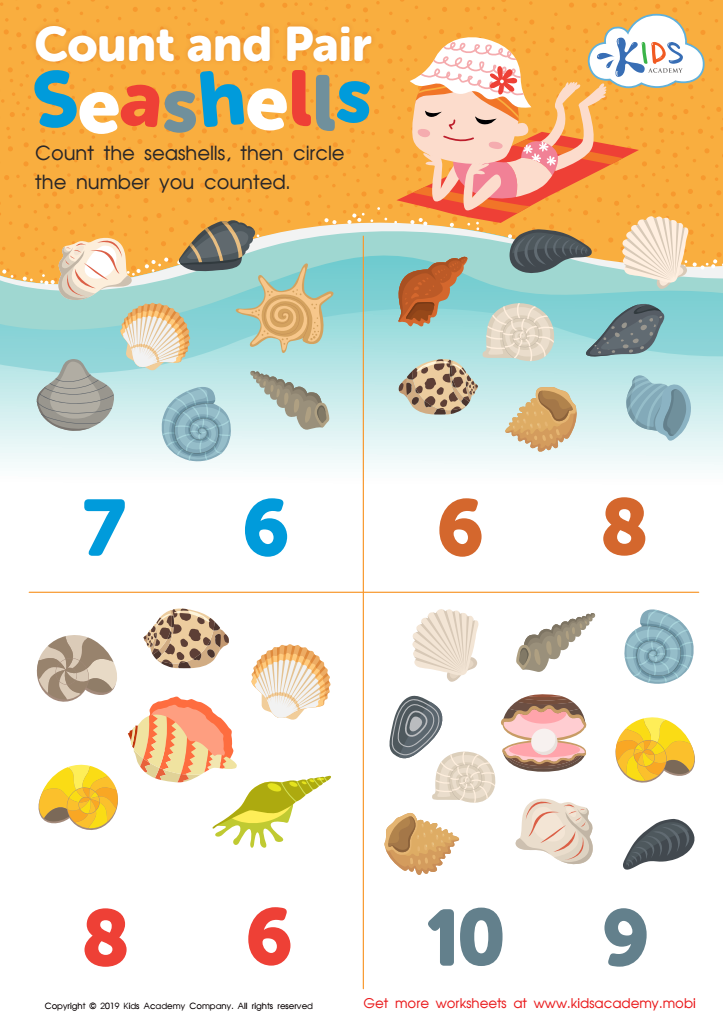
Count and Pair Seashells Worksheet
Kids love trips to the beach. Ask them to count the shells in the four sets of seashells in this printout - then circle the correct number beneath each set. Let them recall the happy memories of the beach and make this worksheet fun.
 Assign to My Students
Count and Pair Seashells Worksheet
Worksheet
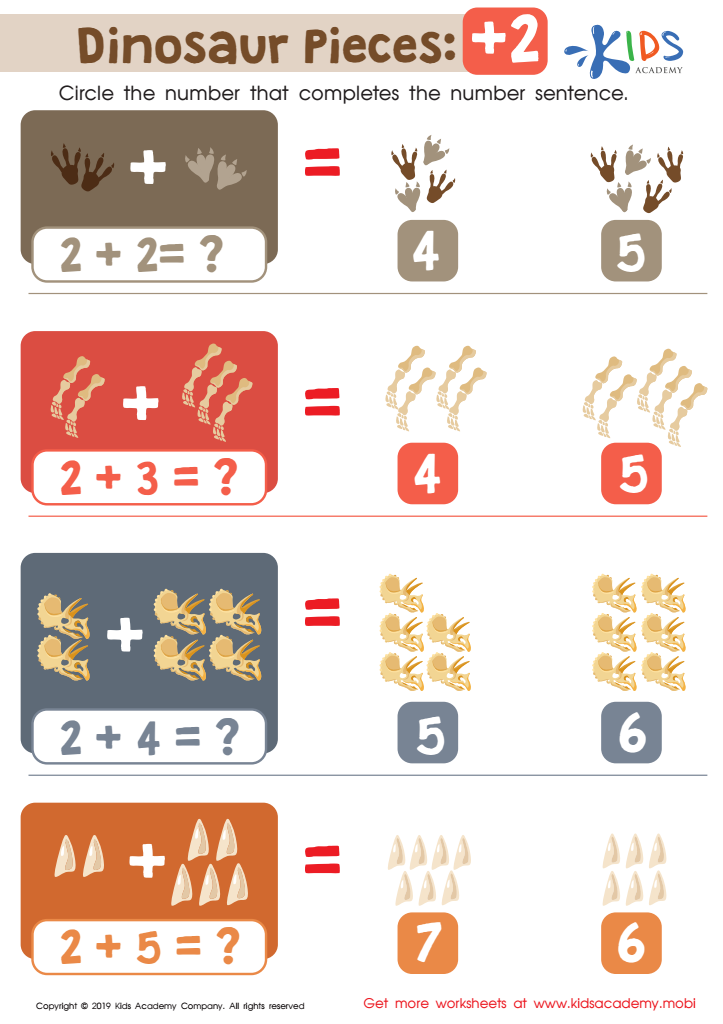
Dinosaur Pieces: +2 Worksheet
Kids love dinosaurs! See if your kids can solve these three equations featuring the mysterious creatures. Download the PDF and have them circle the number that completes each equation. Dinosaurs are extinct, not seen for thousands of years, but they can still help kids work on their math skills!
Dinosaur Pieces: +2 Worksheet
Worksheet

Join Kids Academy for Free
Who is primarily going to use this learning content?








Fine motor development is crucial for children aged 6-9 because it underlies many everyday tasks and skills. During these years, kids refine their ability to use small muscles in their hands and fingers, which is essential for activities like writing, drawing, buttoning clothes, and using utensils during meals. As fine motor skills improve, children gain confidence in their independence and self-help abilities.
When parents and teachers pay attention to fine motor development, they can help identify any challenges a child may face. Early intervention can make a significant difference in a child's ability to succeed in school and daily life. Improved fine motor skills also boost a child's readiness for more complex tasks, such as typing on a computer or participating in arts and crafts.
Furthermore, engaging children in activities that enhance fine motor skills—like cutting with scissors, playing with building blocks, or threading beads—can make learning fun and interactive. These activities also support cognitive skills, as children learn to focus, follow directions, and solve problems. In nurturing fine motor development, parents and teachers play a vital role in equipping children with essential skills for their future, reinforcing the foundations for learning and creativity.








