Reading comprehension Easy Addition and Subtraction Word Problems Worksheets for Ages 6-9
3 filtered results
-
From - To
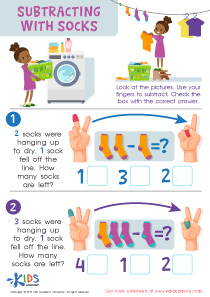
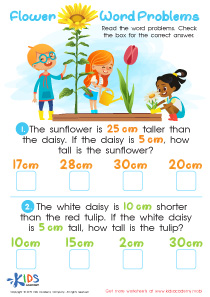
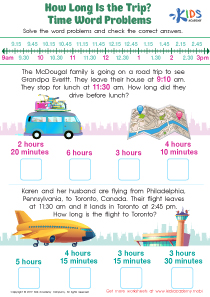
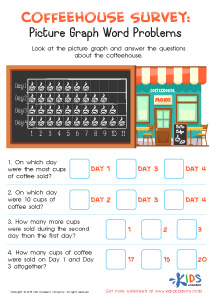
Enhance your child's reading comprehension and math skills with our easy addition and subtraction word problems worksheets designed for ages 6-9. These engaging exercises combine reading and simple arithmetic, helping young learners understand and solve practical problems. By working on these fun and educational worksheets, children will bolster their ability to read for meaning, follow instructions, and apply math concepts to real-life scenarios. Perfect for classroom activities or at-home practice, these worksheets offer a convenient, effective way for kids to improve their reading skills while mastering basic addition and subtraction. Unlock your child's potential today!
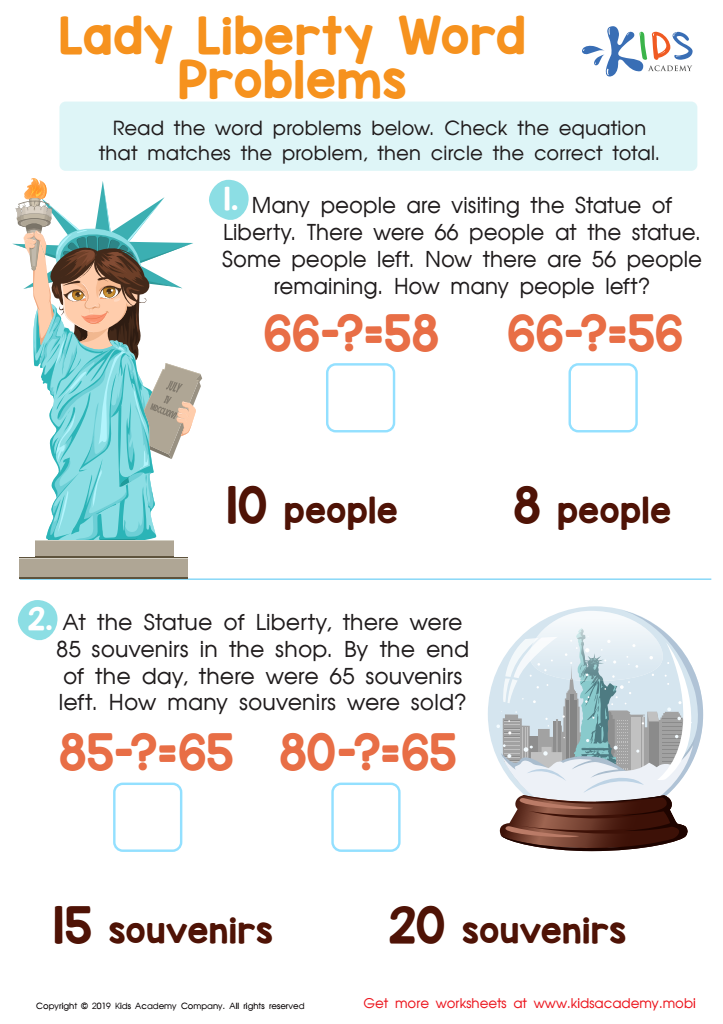
Lady Liberty Worksheet
 Assign to My Students
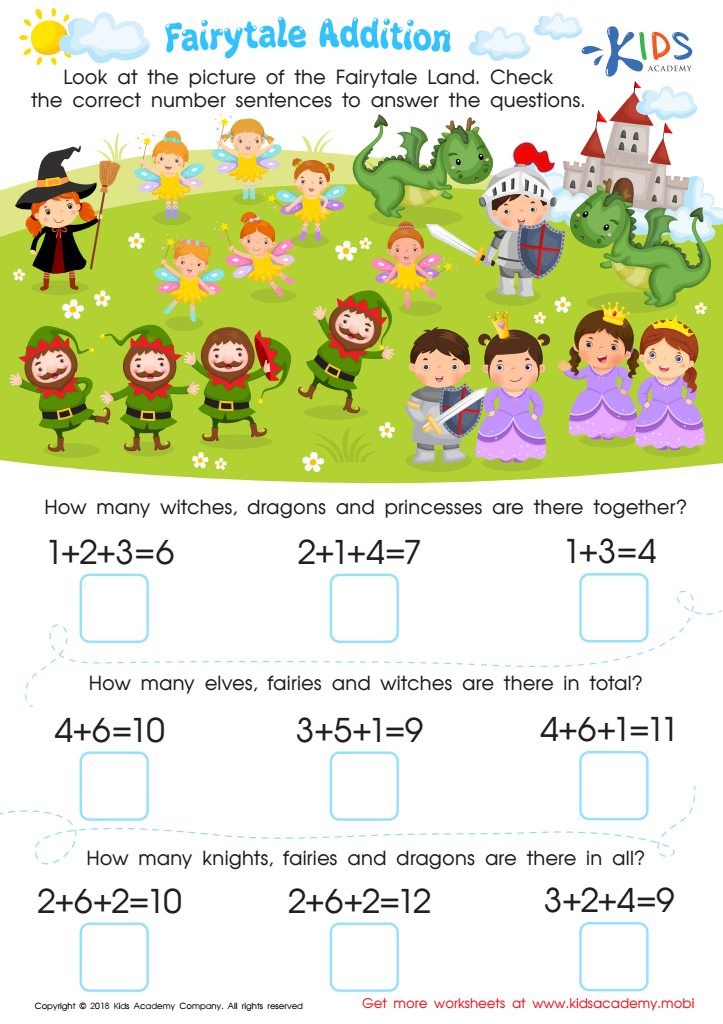
Fairytale Addition Worksheet
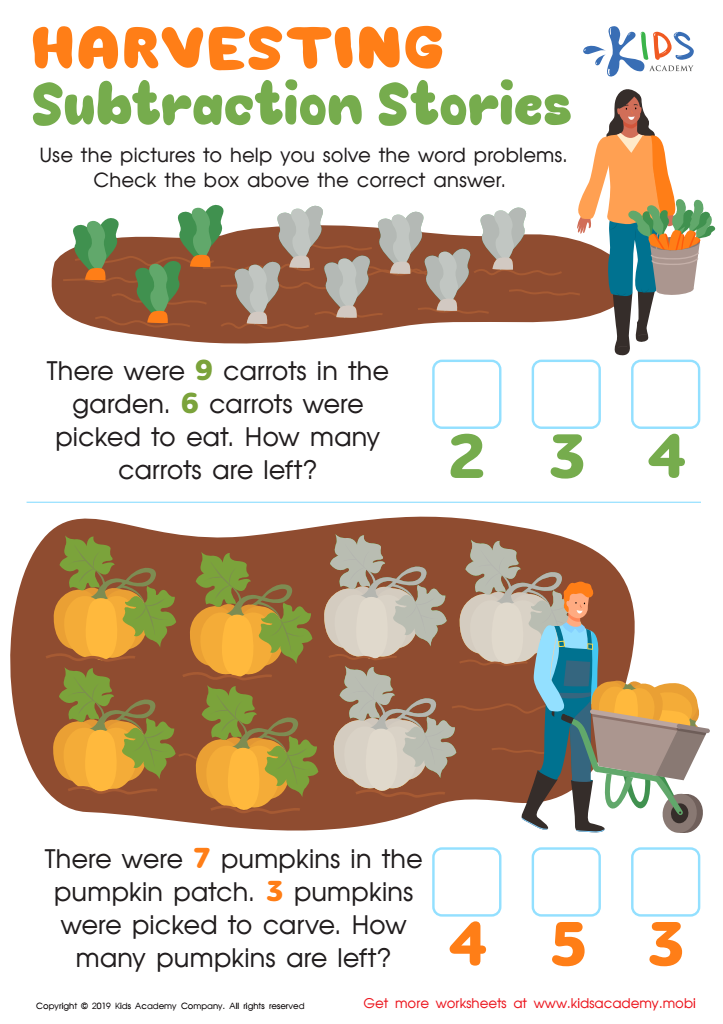
Harvesting Subtraction Stories Worksheet








Reading comprehension combined with easy addition and subtraction word problems for ages 6-9 is vital for several reasons. Firstly, this blend of literacy and numerical operations fosters cognitive development. When children tackle word problems, they have to understand the scenario described, extract pertinent information, and decide which mathematical operations to use. This process enhances critical thinking and problem-solving skills.
Secondly, early exposure to word problems ensures that students can apply mathematical concepts in realistic situations. This practical application is crucial because it demonstrates the real-world importance of math, making the learning experience more engaging and meaningful. The skills developed through such problems aren't just about finding the correct answer, but also about understanding the 'why' and 'how' of the solution, fostering deeper learning.
Moreover, the integration of reading comprehension with math prepares children for future academic challenges. As academic demands increase, the ability to quickly and accurately interpret text becomes vital across subjects.
Finally, fostering these skills early encourages a positive attitude towards both math and reading, and builds confidence. When children see success in managing combined tasks, it can instill a lifelong love for learning. Parents and teachers should, therefore, recognize the importance of this educational approach and incorporate it into daily activities to support balanced intellectual growth.