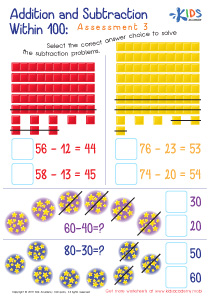
Fine Motor Skills Easy Numbers 11–20 Worksheets for Ages 6-9
4 filtered results
-
From - To
Enhance your child's fine motor skills with our engaging worksheets focused on numbers 11-20, designed specifically for ages 6-9. These easy-to-use resources combine fun activities like tracing, coloring, and cutting, helping children improve their hand-eye coordination and dexterity while reinforcing number recognition and counting abilities. These worksheets are perfect for at-home learning or classroom use, making math practice both enjoyable and effective. From fun illustrations to captivating exercises, young learners will thrive as they master these essential skills. Discover the perfect blend of learning and play with our Fine Motor Skills Easy Numbers 11–20 Worksheets today!
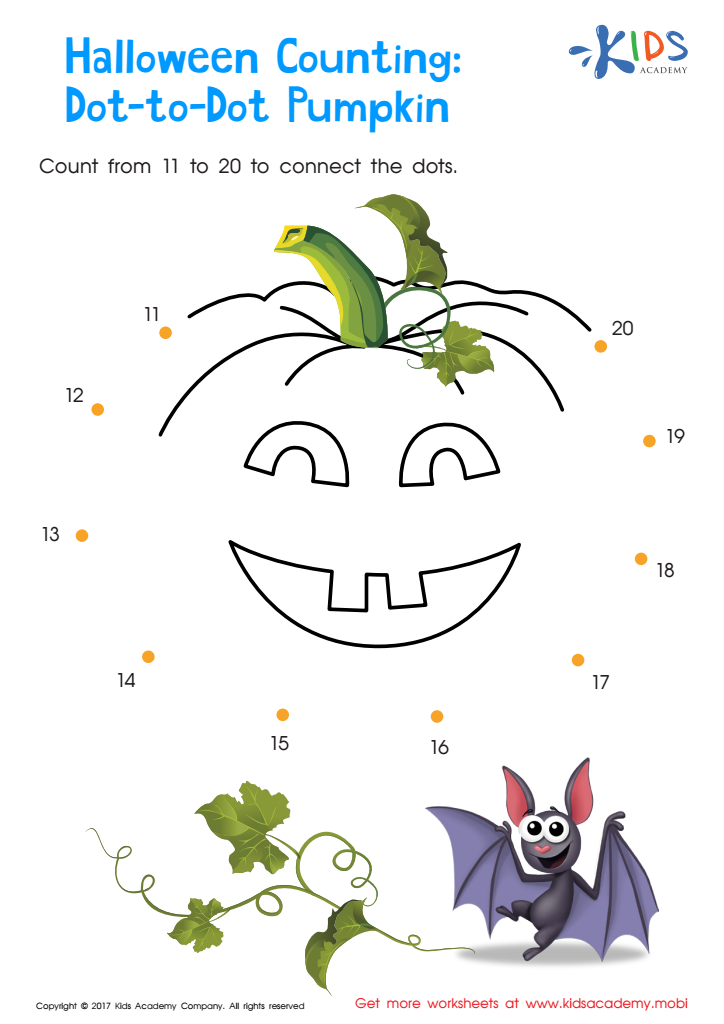
Ordering 11–20: Halloween Counting Worksheet
 Assign to My Students
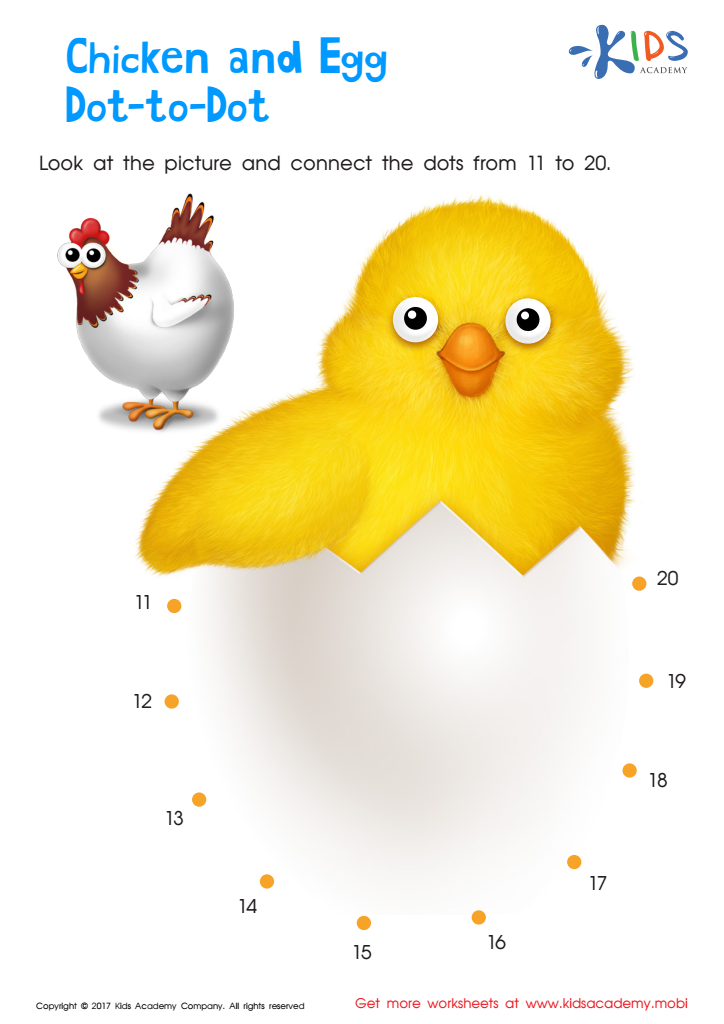
Ordering 11–20: Chicken & Egg Dot–to–dot Worksheet
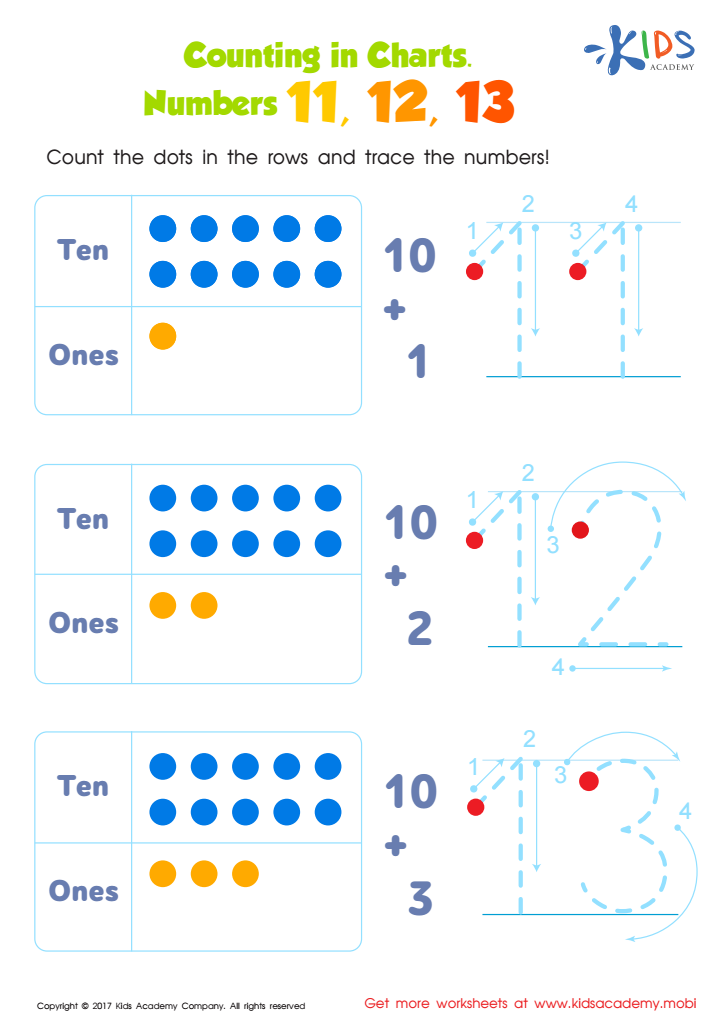
Number Tracing Worksheet For Kindergarten
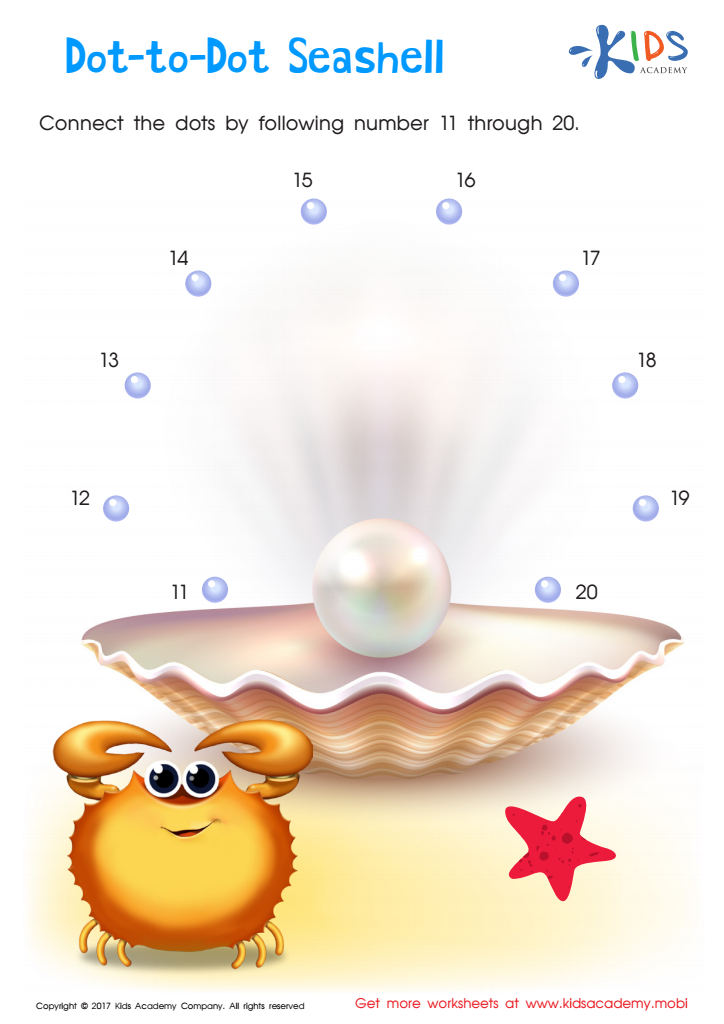
Ordering 11–20: Dot–to–dot Seashell Printable



Fine motor skills are crucial for children aged 6-9, as they lay the groundwork for various essential tasks in daily life and academic success. Mastering easy numbers 11-20 involves writing, sorting, and engaging in activities that enhance finger dexterity, hand-eye coordination, and precision. For parents and teachers, fostering these skills is vital since they directly impact children's ability to perform tasks such as writing, drawing, and using tools—skills they will rely on throughout their lives.
Strengthening fine motor skills in this age group also paves the way for more advanced mathematical concepts. Children learn to manipulate numbers through counting, sorting objects, and even simple addition and subtraction. These activities engage their cognitive development, making learning more interactive and enjoyable.
Additionally, improving these skills promotes independence and builds confidence as children can handle everyday tasks better. Parents and teachers play a key role in providing opportunities for practice, whether through crafting, puzzles, or games. By prioritizing fine motor development, they contribute not only to a child's academic performance but also to their overall personal growth and readiness for future educational challenges. Therefore, investing in these skills is essential for cultivating a strong foundation in young learners' lives.