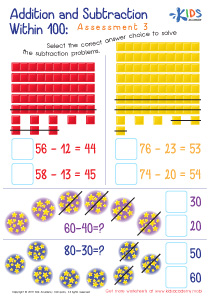
Hand-eye Coordination Easy Numbers 11–20 Worksheets for Ages 6-9
3 filtered results
-
From - To
Enhance your child's learning experience with our engaging Hand-eye Coordination Easy Numbers 11–20 Worksheets, designed specifically for ages 6-9. These worksheets combine fun activities with essential math skills, helping young learners master numbers 11 to 20 while improving their hand-eye coordination. Featuring vibrant illustrations and interactive exercises, these resources make learning enjoyable and effective. Children will practice writing numbers, solving puzzles, and completing games that promote both math proficiency and fine motor skills. Perfect for classroom use or at-home practice, these worksheets provide a valuable tool to support early math education calmly and creatively. Start your child’s learning journey today!
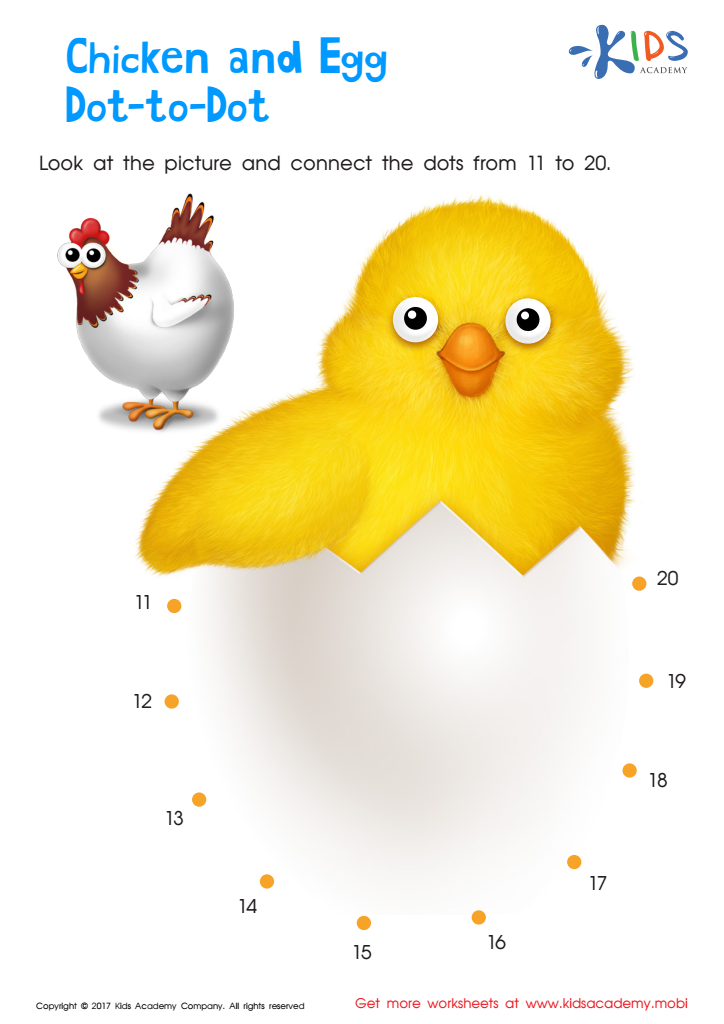
Ordering 11–20: Chicken & Egg Dot–to–dot Worksheet
 Assign to My Students
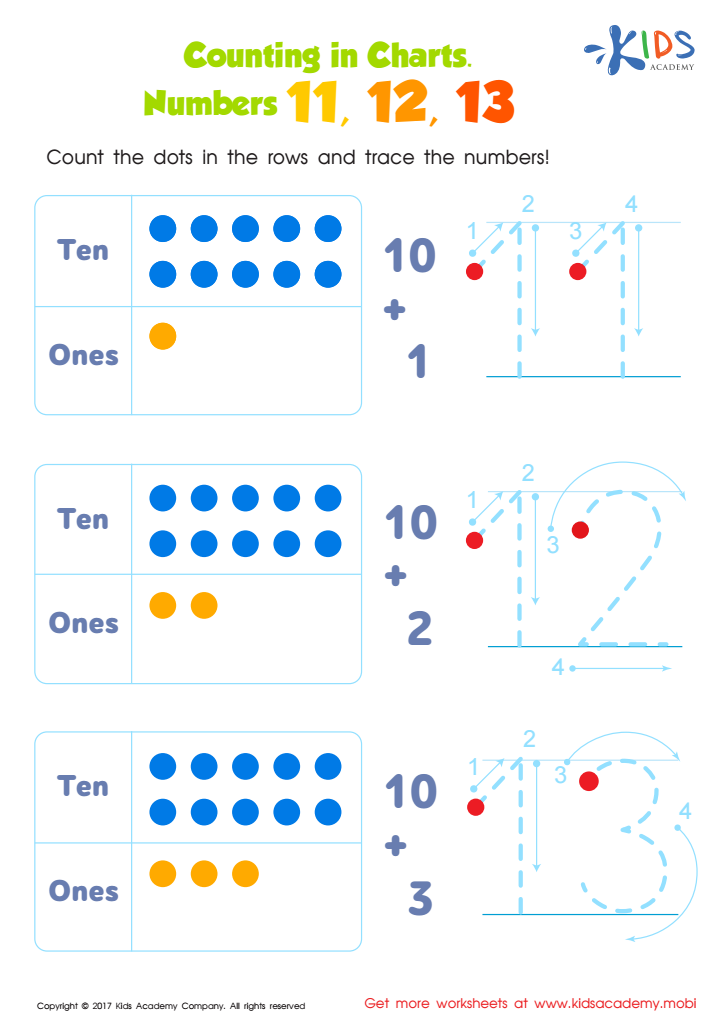
Number Tracing Worksheet For Kindergarten
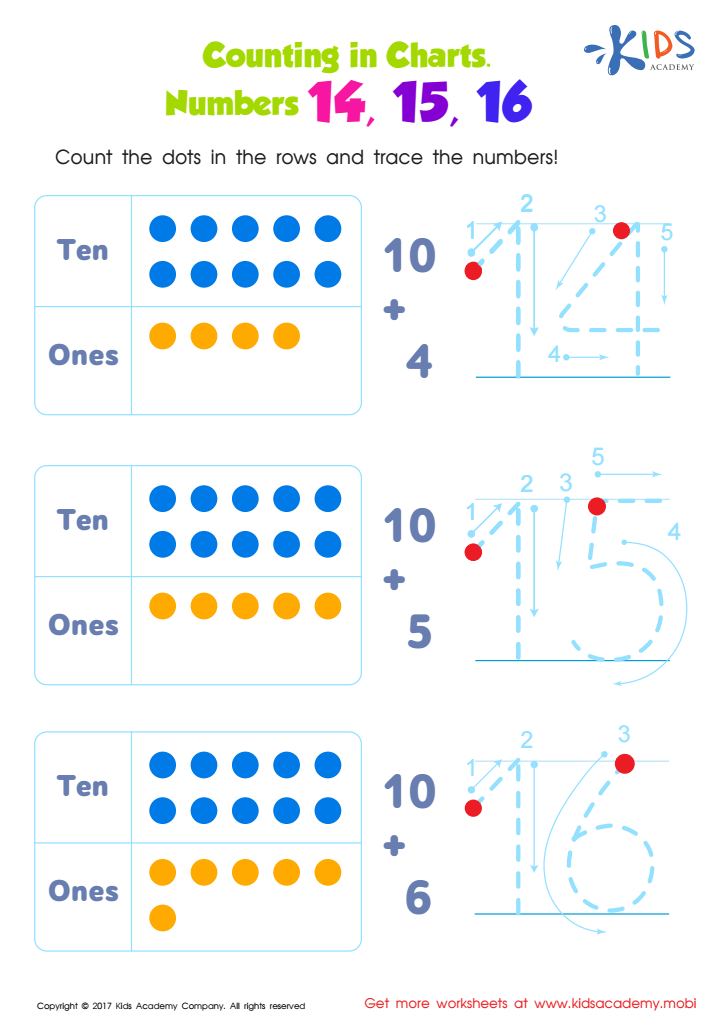
Number Tracing Worksheet



Hand-eye coordination is a crucial skill for children ages 6-9 as it directly impacts their ability to learn and engage in various activities. For parents and teachers, fostering this skill is essential, especially when it comes to learning numbers in the range of 11-20. Mastering hand-eye coordination allows children to accurately write numbers, operate educational tools like counters, and engage in organized games that involve catching or throwing.
As students move from simple counting to more complex math concepts, solid hand-eye coordination among 6-9-year-olds aids in understanding spatial relationships and enhancing their fine motor skills. Improving these abilities encourages confidence and dexterity, crucial for developing writing skills and participating in arts and crafts, thereby enriching the overall learning experience.
Incorporating activities that promote hand-eye coordination, such as engaging with numbers through puzzles, interactive games, or artistic activities, helps children grasp foundational math concepts while enjoying the learning process. As they practice, they not only improve their numeracy skills but also enhance their cognitive development, setting the stage for academic success. Thus, prioritizing hand-eye coordination in early education can provide significant long-term benefits that extend beyond math and into various areas of learning.