Writing practice Easy ABC Letters Worksheets for 6-Year-Olds
3 filtered results
-
From - To
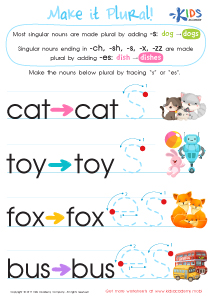
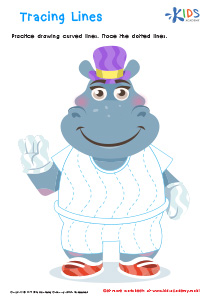
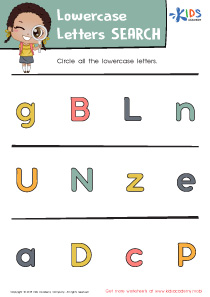
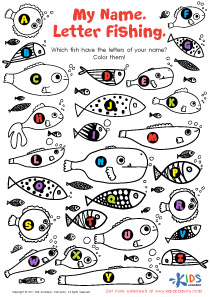
Discover our "Writing Practice Easy ABC Letters Worksheets" designed specifically for 6-year-olds! These engaging worksheets help young learners develop essential handwriting skills while they explore the alphabet. Carefully crafted to promote letter recognition and fine motor skills, each worksheet features fun activities to keep kids motivated and excited about writing. From tracing to freehand writing, children will confidently learn each letter's form. Perfect for home or classroom use, our printable worksheets make learning fun and accessible! Foster a love for writing and prepare your child for future academic success with our easy-to-use worksheets tailored to early learners.
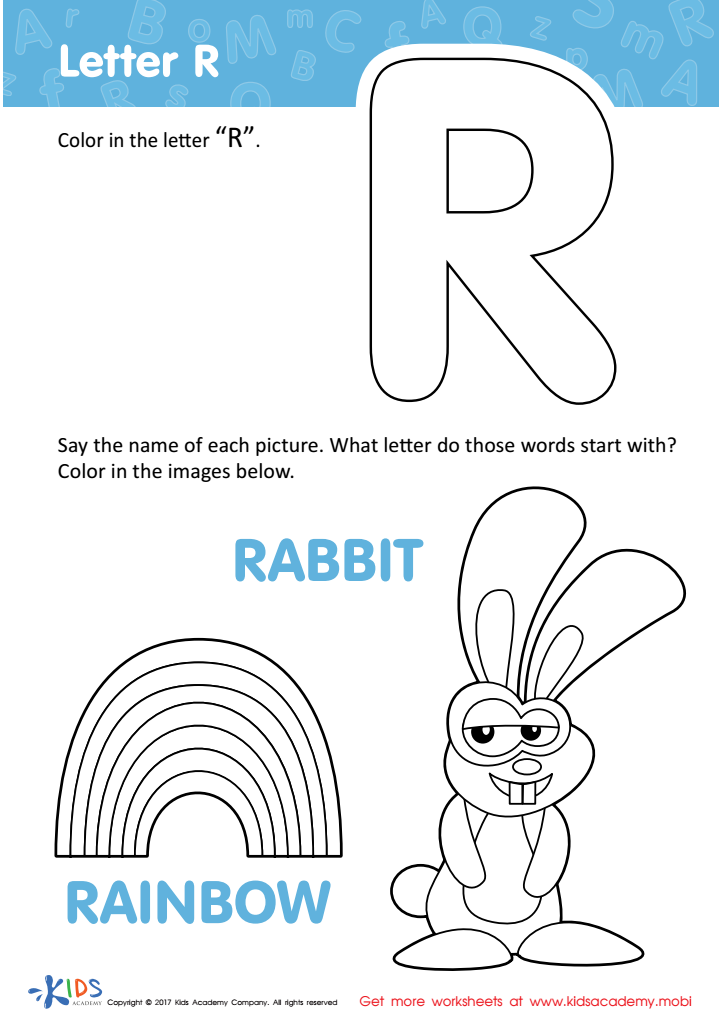
Letter R Coloring Sheet
 Assign to My Students


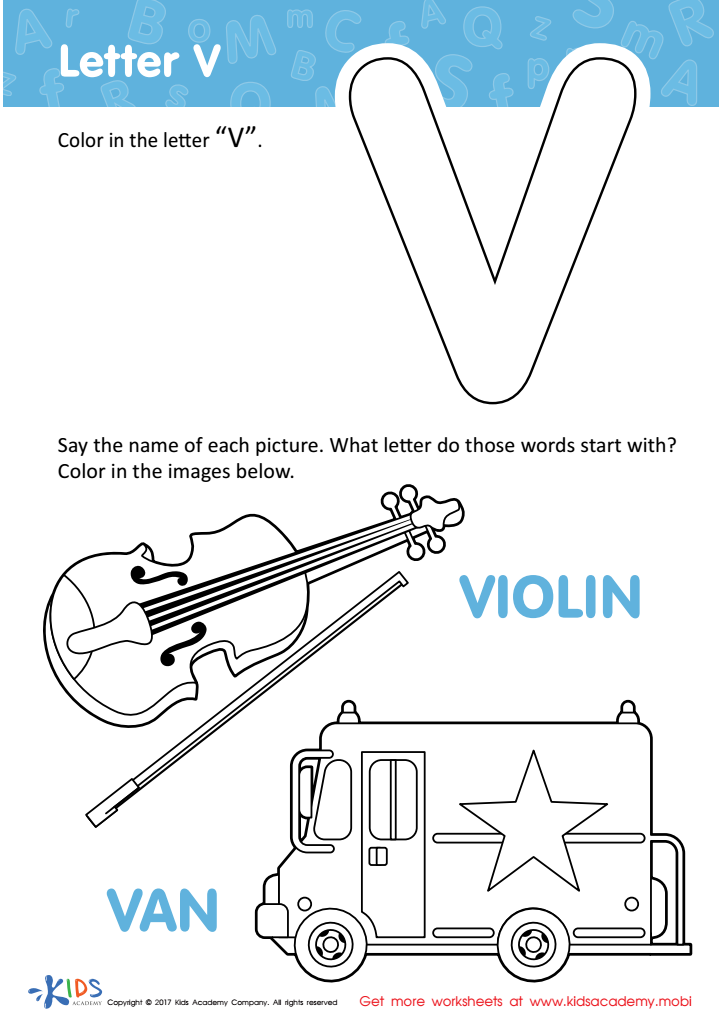
Letter V Coloring Sheet
Assign to My Students
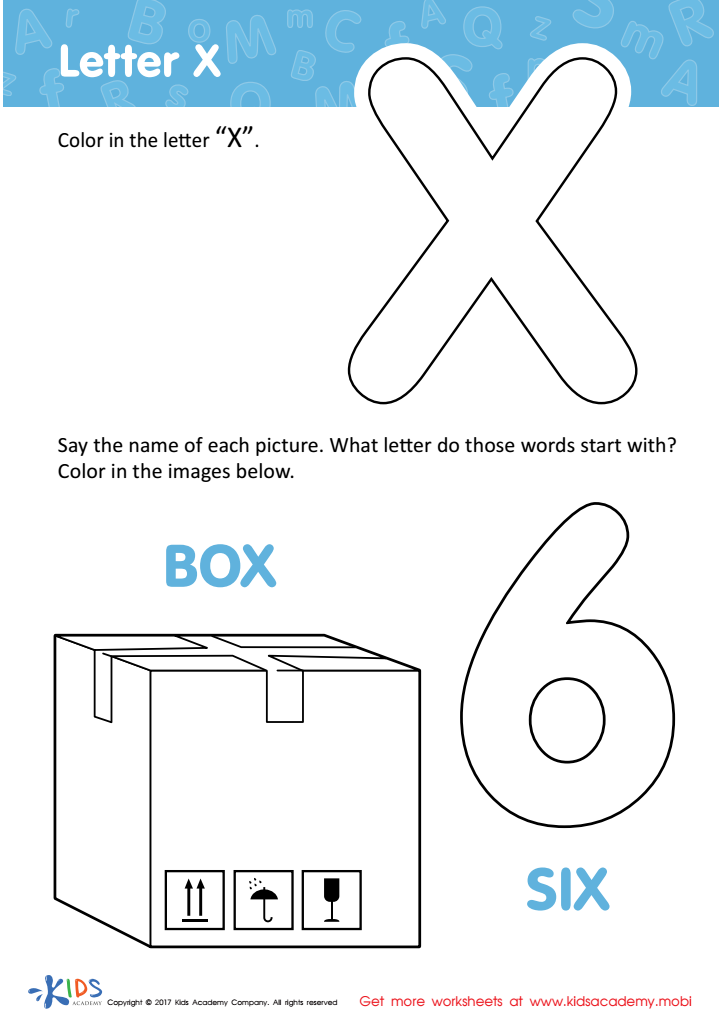
Letter X Coloring Sheet
Assign to My Students







Writing practice, particularly through activities like Easy ABC Letters, is essential for 6-year-olds for several reasons. First, it fosters fine motor skills, as children practice gripping writing tools, which is crucial for their overall developmental coordination. Coping with letters helps them refine hand-eye coordination, providing a solid foundation for more advanced writing tasks later on.
Second, writing strengthens literacy skills. By engaging in practice with the alphabet, children learn letter recognition, phonemic awareness, and basic spelling which are foundational for reading fluency. Understanding letter formation also supports their ability to distinguish between different sounds—a key component of language development.
Third, writing practice encourages creativity. By learning to express their thoughts through writing, children develop a sense of individuality and self-expression, boosting their confidence and enthusiasm in sharing ideas.
Finally, establishing good writing habits early on instills discipline and focus. This skill helps children engage in more complex tasks in the future, embedding persistence in their learning process. Given these benefits, parents and teachers should prioritize writing activities to equip children with essential tools for academic success and lifelong self-expression.