Improving vocabulary Easy Worksheets for 6-Year-Olds
3 filtered results
-
From - To
Enhance your child’s language skills with our "Improving Vocabulary Easy Worksheets for 6-Year-Olds." Designed for young learners, these engaging worksheets focus on expanding vocabulary through fun activities that capture children's interest. Your little ones will explore words through matching, fill-in-the-blank exercises, and creative storytelling prompts. Our resources are specially crafted to suit their developmental stage, ensuring a balance of challenge and enjoyment. Available for easy printing, these worksheets are perfect for at-home learning or supplementing classroom instruction. Watch your child's confidence and language abilities blossom as they embark on this exciting vocabulary-building journey!
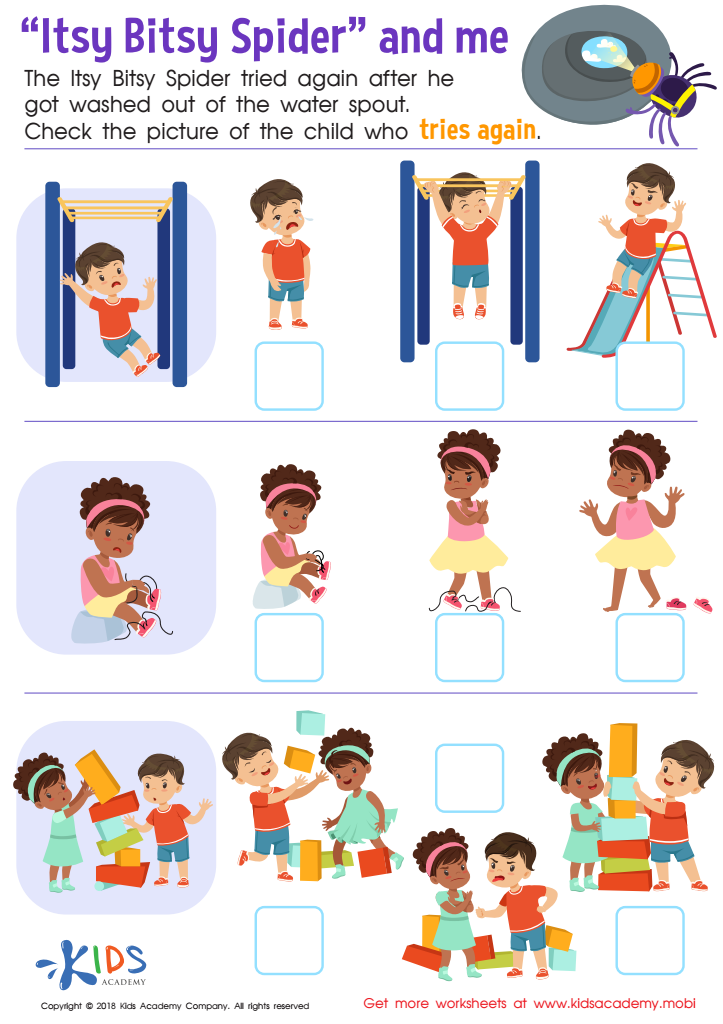
Itsy Bitsy Spider and Me Worksheet
 Assign to My Students
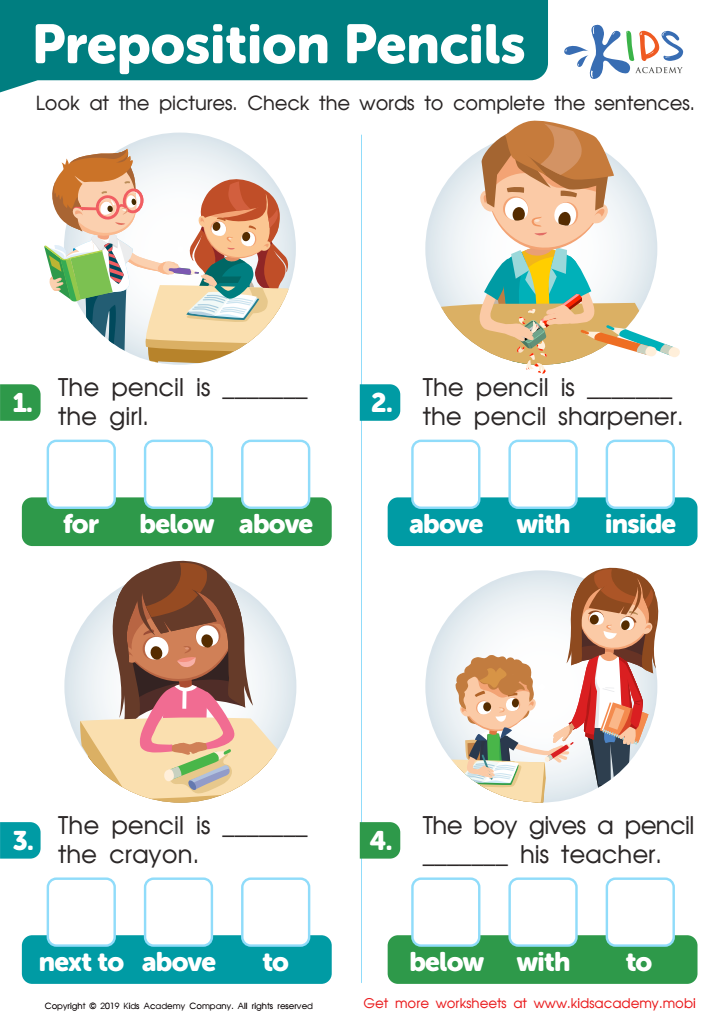
Preposition Pencils Worksheet
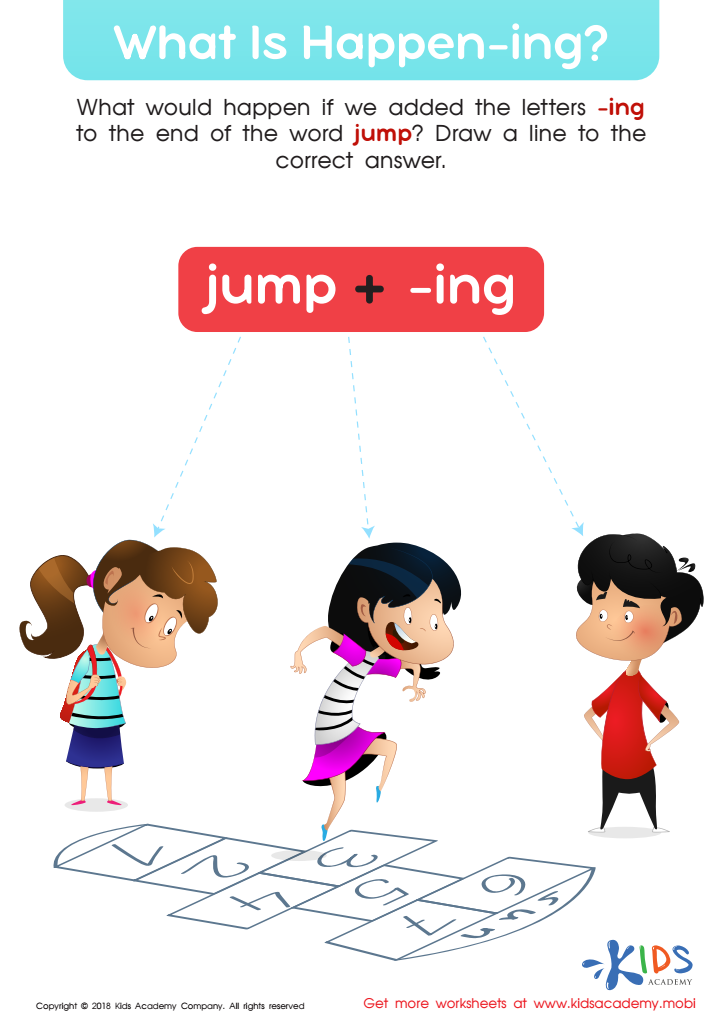
What Is Happen-Ing? Worksheet








Improving vocabulary in 6-year-olds is essential for several reasons, and both parents and teachers play a crucial role in this development. Firstly, a rich vocabulary enhances a child's ability to express themselves clearly and confidently. This skill is not only vital for effective communication but also for building healthy social interactions with peers and adults.
Furthermore, a strong vocabulary is closely linked to reading comprehension. As children become more proficient readers, they encounter new words and ideas. A well-developed vocabulary helps them understand complex stories and concepts, fostering a love for reading and learning. Additionally, vocabulary improvement promotes critical thinking; children learn to articulate their thoughts, ask questions, and engage in discussions that deepen their understanding of the world.
By investing time and effort into expanding children’s vocabulary, parents and teachers also contribute to academic success. Children with a robust vocabulary tend to perform better in school and are more likely to excel in literacy assessments. Ultimately, encouraging vocabulary development sets a strong foundation for lifelong learning and success in various aspects of life, making it a priority for both caregivers and educators. Through fun and engaging activities, adults can make learning new words an enjoyable experience for young learners.








