Color Identification Easy Math Worksheets for 6-Year-Olds
3 filtered results
-
From - To
Explore our "Color Identification Easy Math Worksheets for 6-Year-Olds," designed to make learning fun and engaging! Tailored specifically for young learners, these worksheets incorporate vibrant colors and playful themes, helping children develop their color recognition skills alongside foundational math concepts. Through interactive exercises, kids will identify colors, count objects, and complete simple math problems that enhance their cognitive abilities. These worksheets encourage creativity and critical thinking while keeping learners excited about education. Perfect for at-home learning or classroom activities, our resources ensure that students build essential skills in an enjoyable way. Download today and make learning colorful!
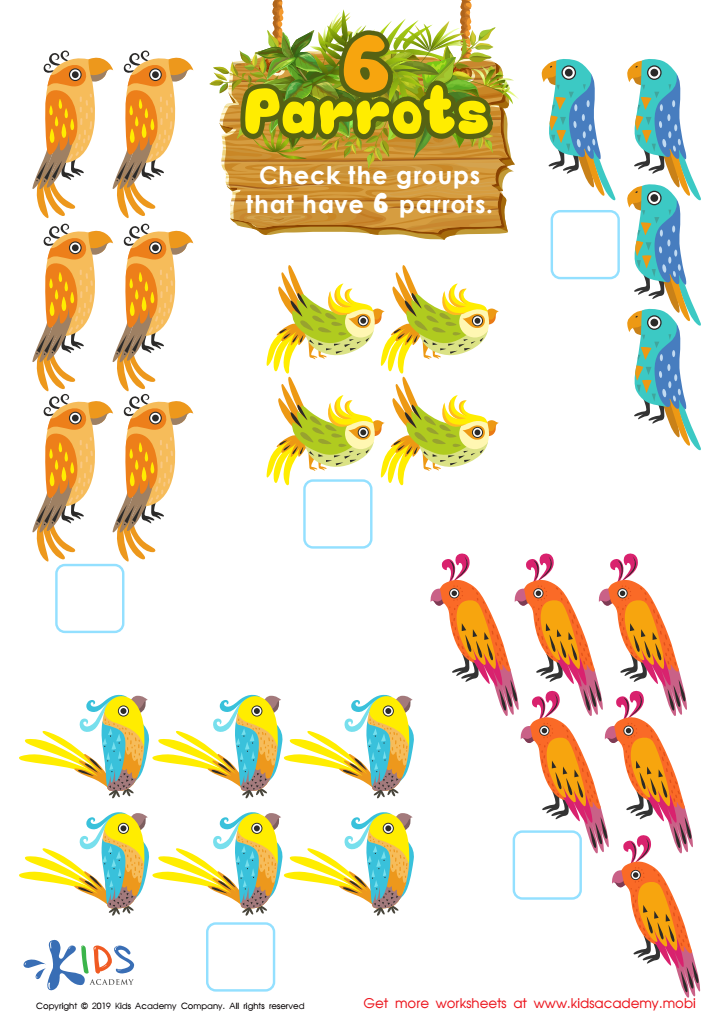
6 Parrots Worksheet

Color the Shapes Worksheet
 Assign to My Students
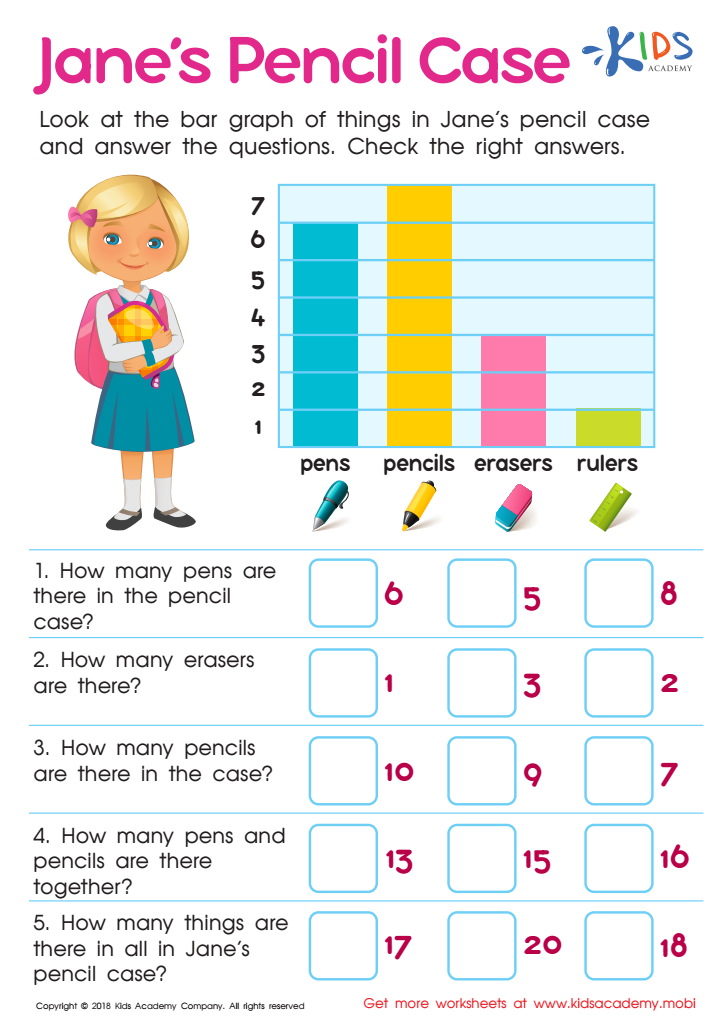
Jane's Pencil Case Worksheet








Parents and teachers should care about Color Identification Easy Math for 6-year-olds because it lays a foundational understanding essential for later mathematical concepts and cognitive development. At this age, children are naturally curious and highly receptive to learning. Color recognition enhances their ability to categorize and differentiate between objects, which is crucial for developing problem-solving skills. When children engage with colors in mathematical contexts, they begin associating numbers with different attributes, such as quantity and order.
Additionally, incorporating colors into math activities fosters creativity and engagement. Colorful manipulatives can make abstract concepts feel tangible, making learning more enjoyable. For example, using colored blocks to teach addition or subtraction can enhance visual learning and retention. This multisensory approach caters to various learning styles, helping children grasp concepts more effectively.
Moreover, understanding colors supports cross-disciplinary learning, integrating subjects like art and geography into math. This holistic approach cultivates a well-rounded educational environment.
Finally, these early experiences with color and math encourage positive attitudes toward learning, setting the stage for a lifelong love of education. By nurturing these skills now, parents and teachers prepare children for future academic success and enrich their overall cognitive development.








