Fine Motor Skills Easy Math Worksheets for 6-Year-Olds - Page 2
36 filtered results
-
From - To
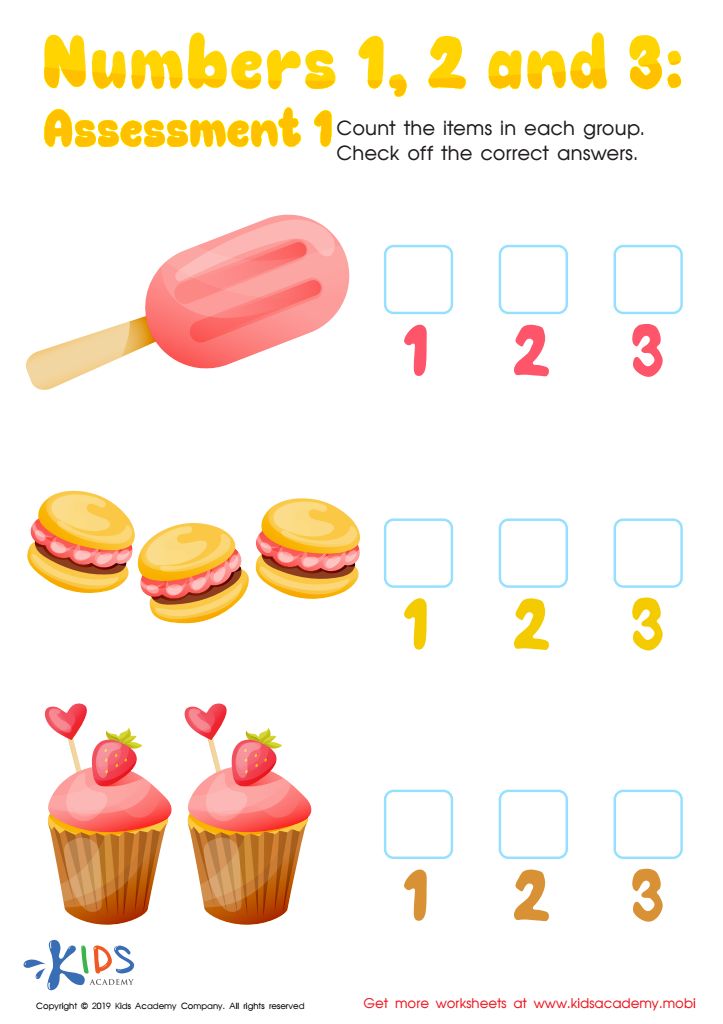
Numbers 1, 2 and 3: Assessment 1 Worksheet
 Assign to My Students
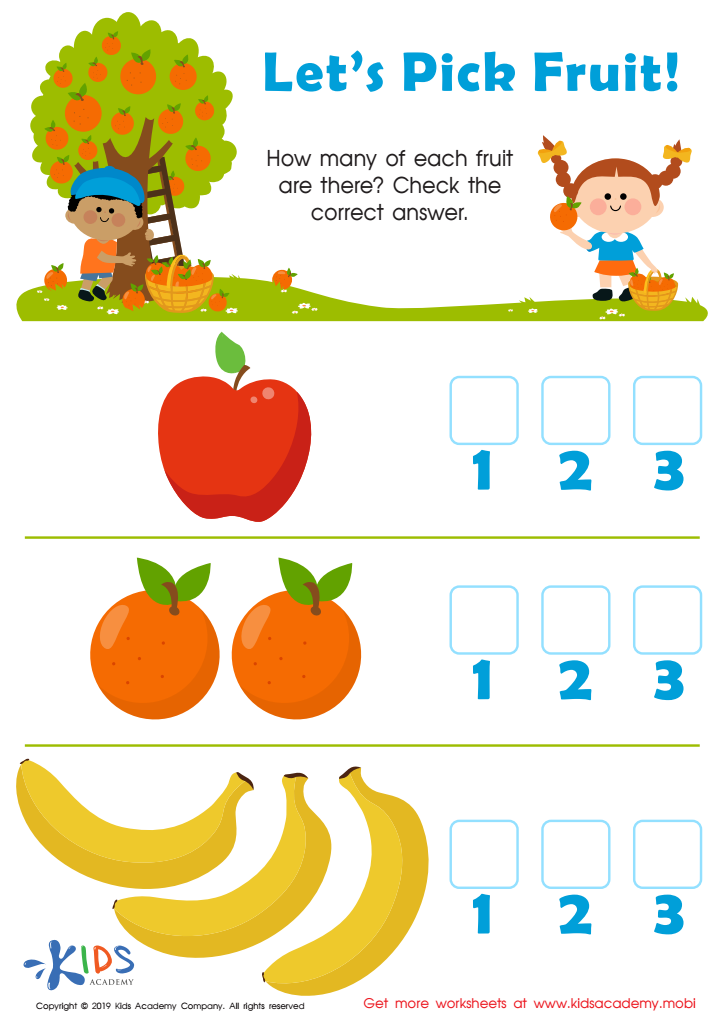
Let's Pick Fruit Worksheet
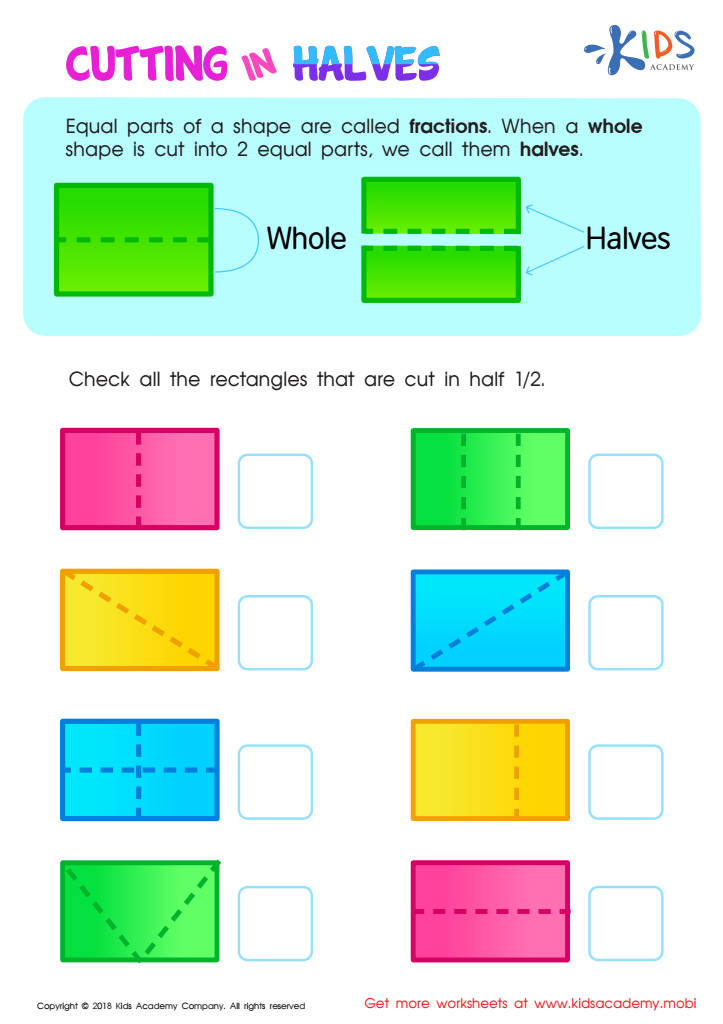
Cutting in Halves Worksheet
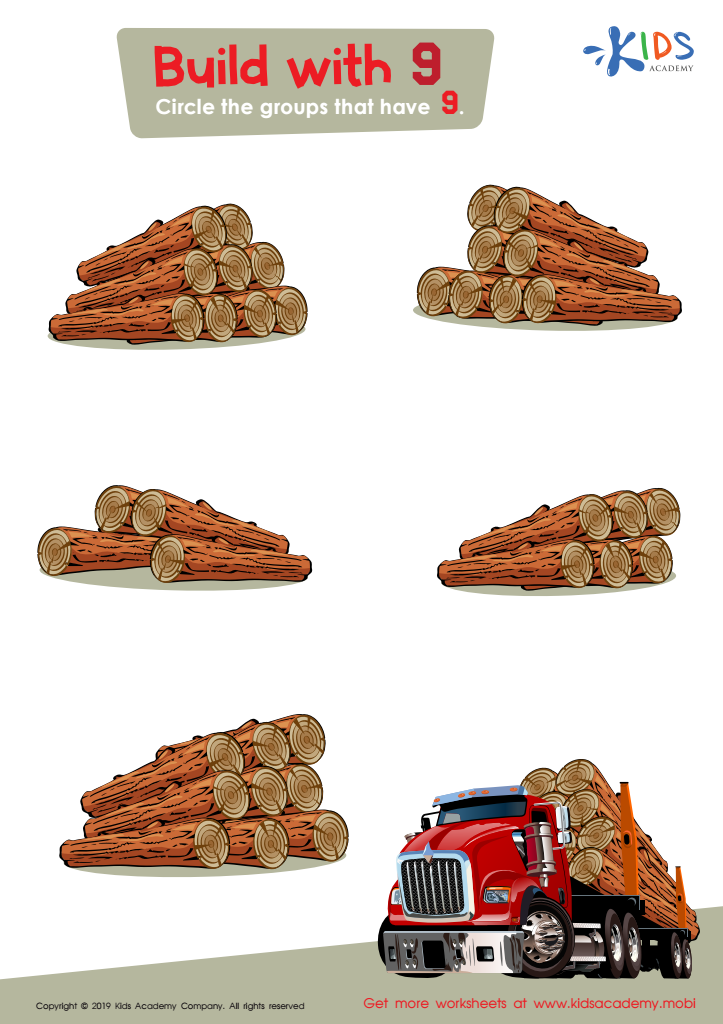
Build with 9 Worksheet
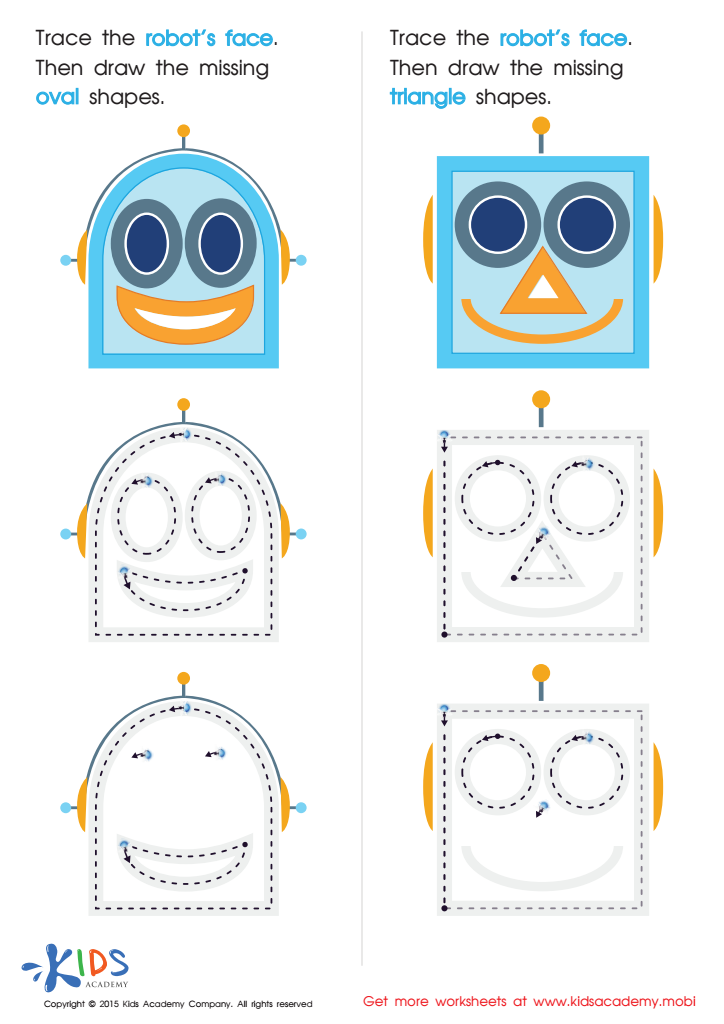
Drawing Ovals And Triangles with Fun Printable
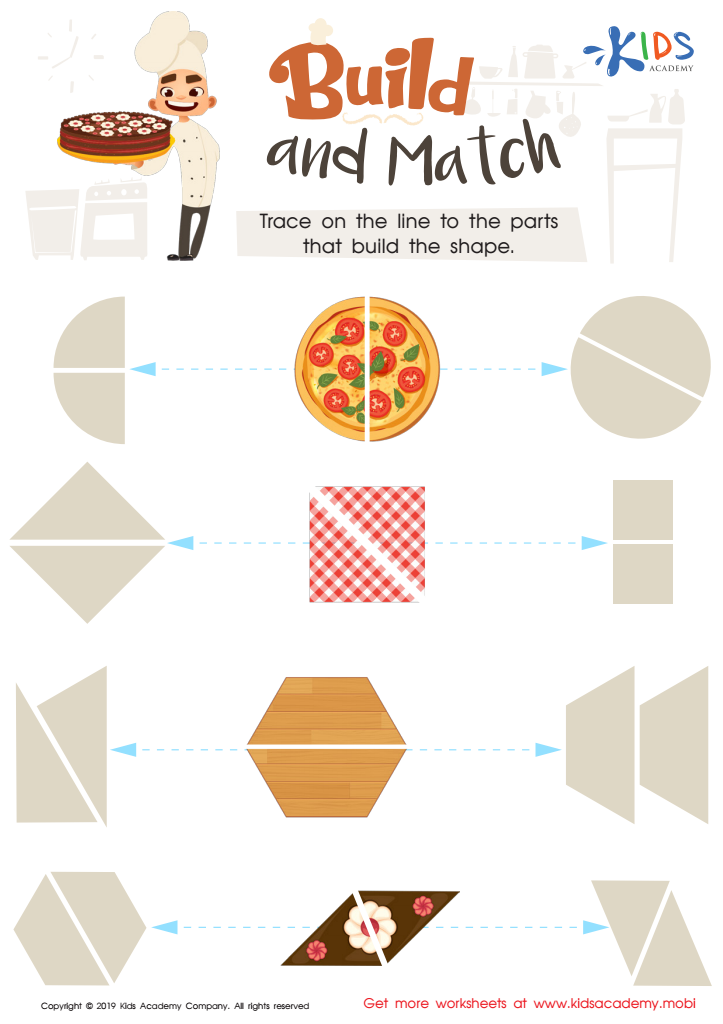
Build and Match Worksheet
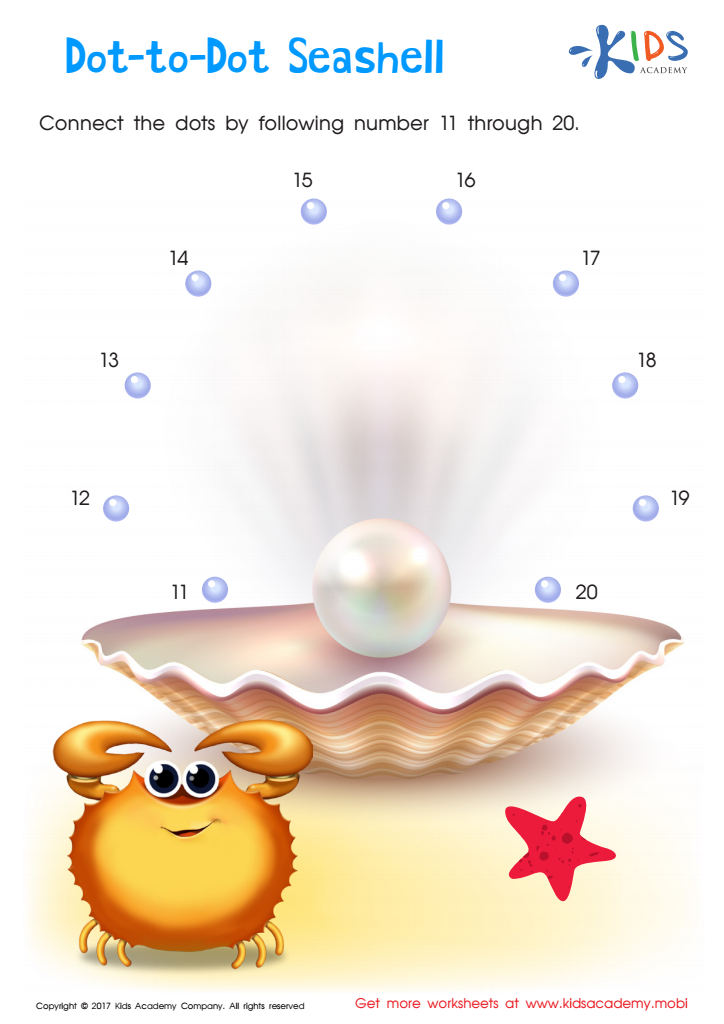
Ordering 11–20: Dot–to–dot Seashell Printable
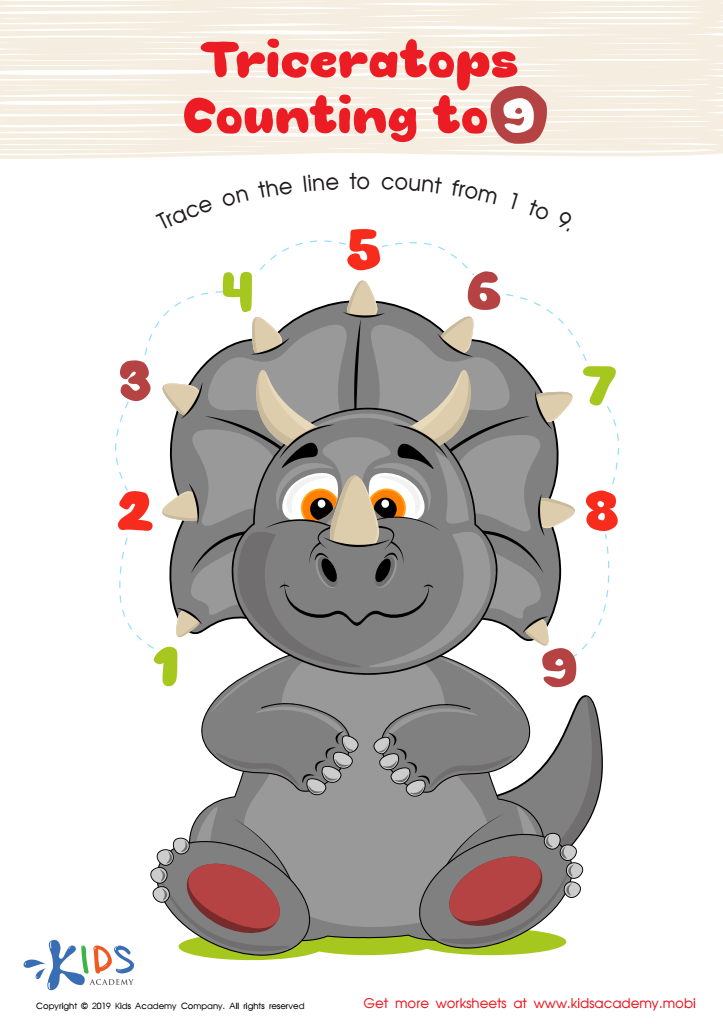
Triceratops Counting to 9 Worksheet

Counting on the City Skyline: Dot-to-Dot Worksheet
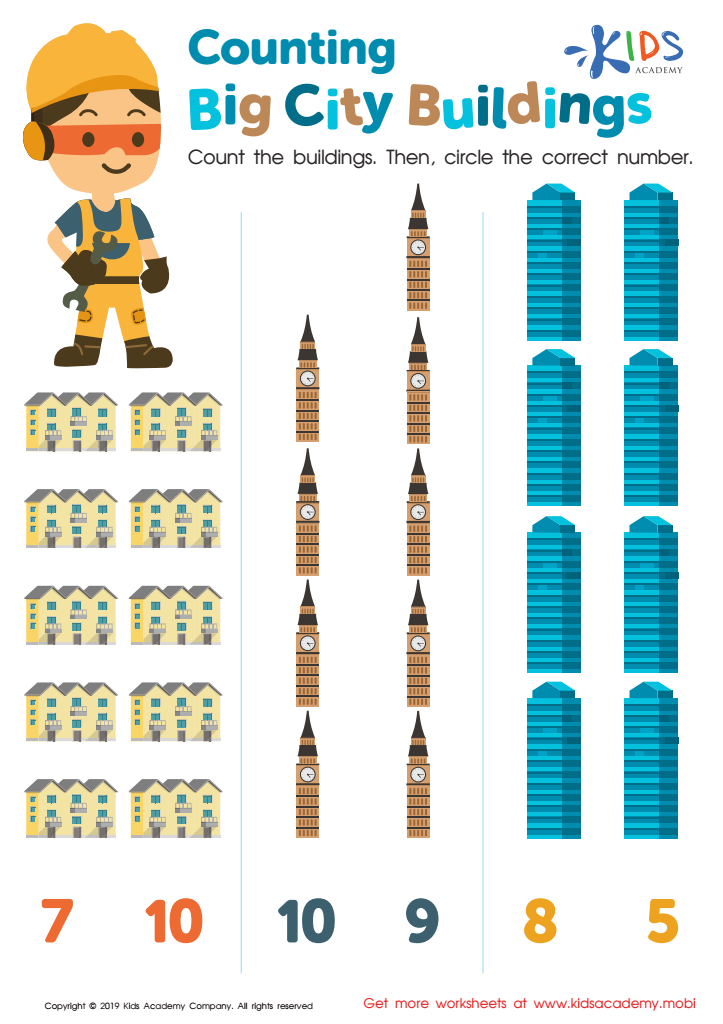
Counting Big City Buildings Worksheet
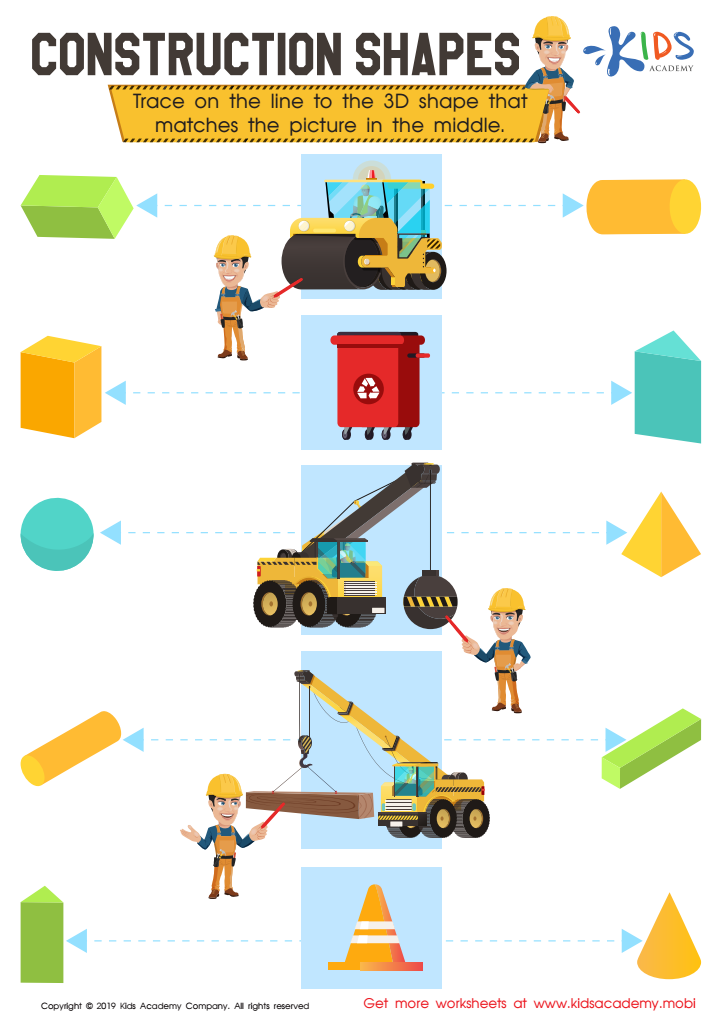
Construction Shapes Worksheet

Night Sky Numbers Worksheet








Fine motor skills are crucial for the development of young children, especially in activities like writing, drawing, and manipulating objects. For 6-year-olds, these skills intertwine significantly with early math learning. When children engage in activities that promote fine motor development, they not only enhance their ability to grip a pencil or cut with scissors but also improve their hand-eye coordination and spatial awareness—both vital for math.
Using fine motor skills in math-related activities, such as arranging blocks, threading beads, or solving small puzzles, helps children learn essential concepts like counting, sorting, and patterning. These hands-on experiences make abstract mathematical concepts more tangible, fostering a deeper understanding and retaining knowledge.
Moreover, as children develop fine motor skills, they gain confidence in their abilities, which can motivate them to tackle increasingly challenging tasks. This confidence is vital in nurturing a positive attitude towards learning.
For parents and teachers, investing time in activities that enhance fine motor skills and easy math serves to build foundational skills that not only support academic success but also encourage creativity, critical thinking, and problem-solving—qualities essential for navigating the world. Thus, focusing on these interconnected areas can lead to well-rounded, capable learners.








