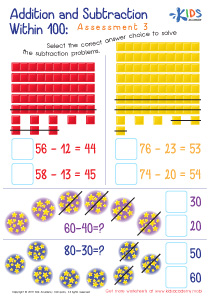
Subtraction practice Easy Numbers 0–10 Worksheets for 6-Year-Olds
5 filtered results
-
From - To
Welcome to our Subtraction Practice Worksheets for 6-Year-Olds! Designed specifically for young learners, these easy-to-follow worksheets focus on subtraction using numbers from 0 to 10. Our engaging activities help reinforce foundational math skills while keeping your child entertained. Kids will enjoy colorful illustrations and simple problems that make learning subtraction a fun experience. Perfect for use at home or in the classroom, these worksheets not only promote critical thinking but also boost confidence in young mathematicians. Download now to give your child the practice they need to master subtraction in a straightforward and enjoyable manner!
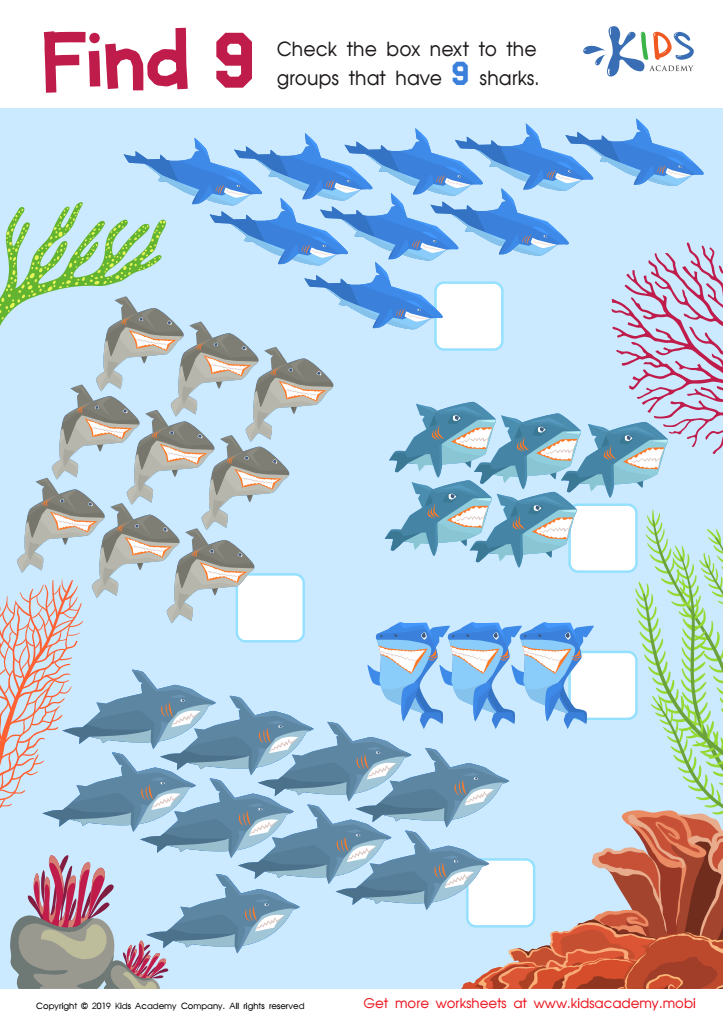
Find 9 Worksheet
 Assign to My Students
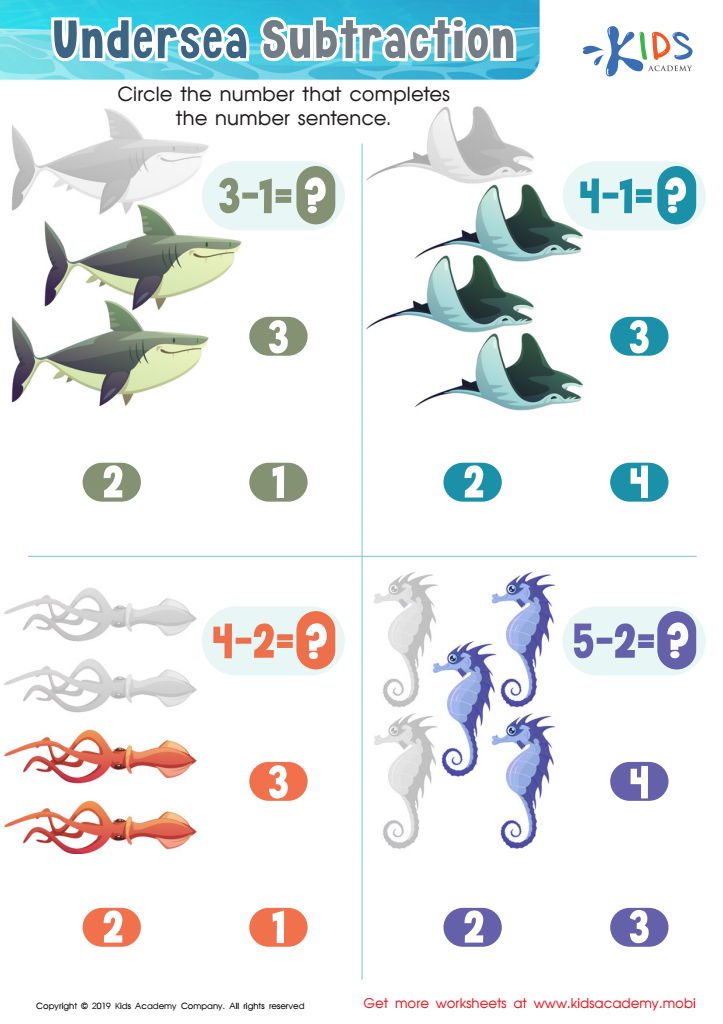
Undersea Subtraction Worksheet
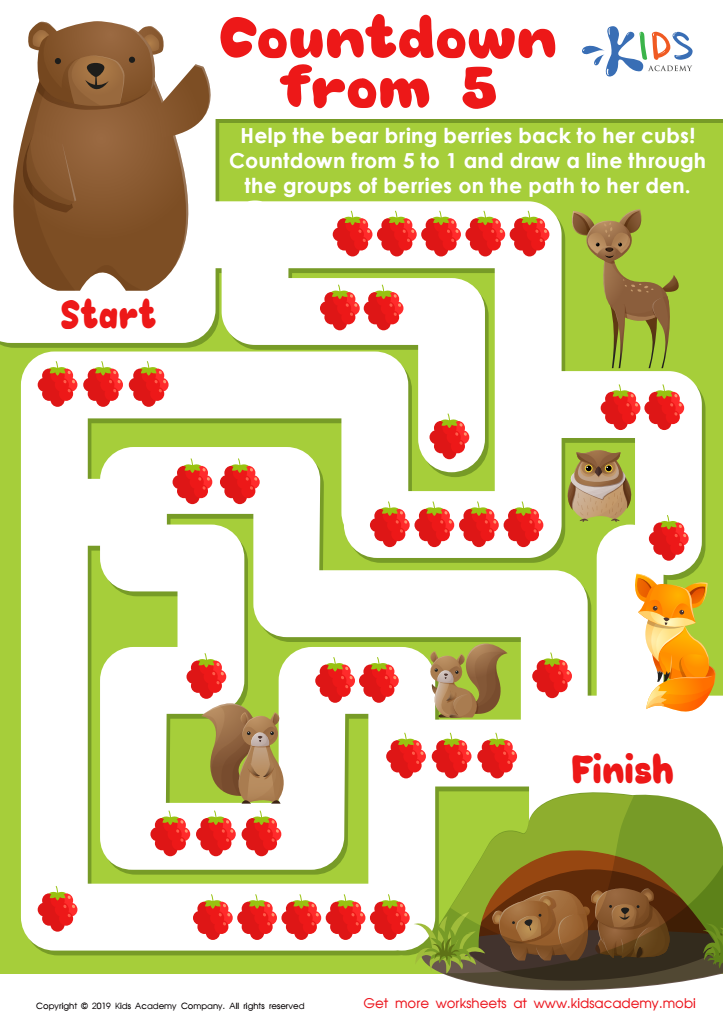
Countdown from 5 Worksheet
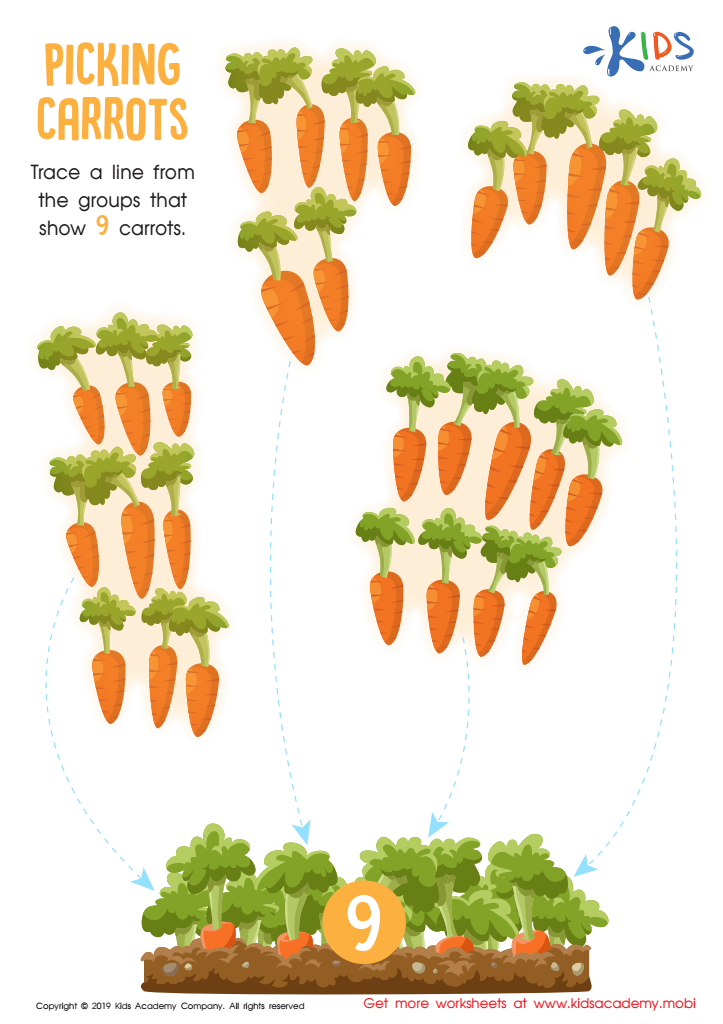
Picking Carrots Worksheet
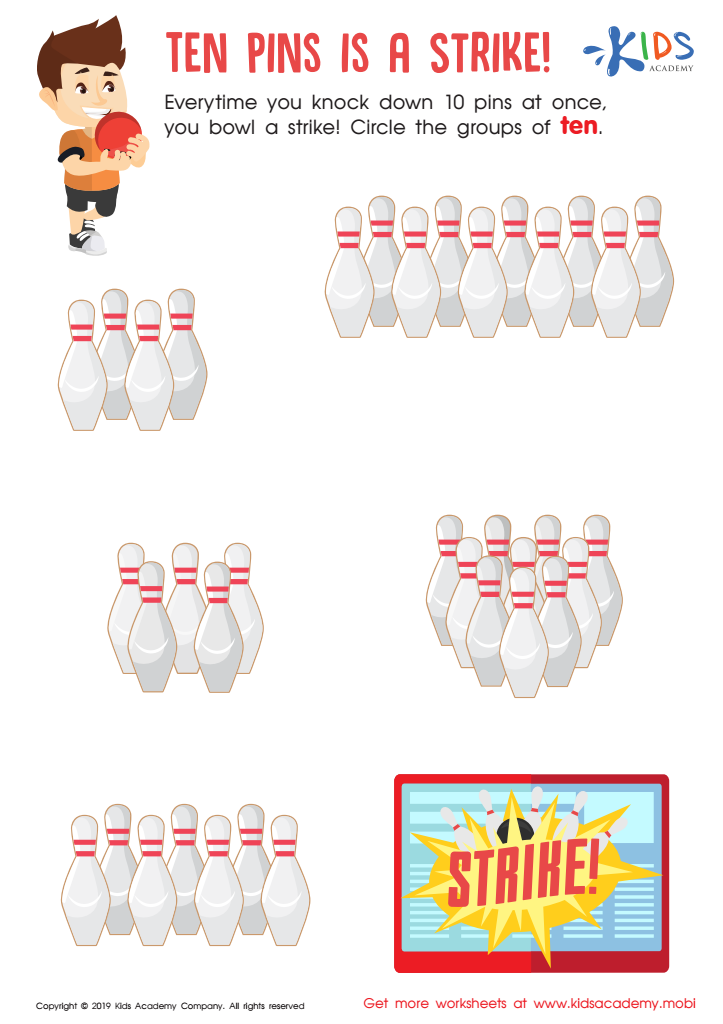
Ten Pins is a Strike Worksheet








Subtraction practice with easy numbers (0–10) is crucial for 6-year-olds as it lays the foundation for their mathematical understanding and skills. At this age, children are developing cognitive abilities and becoming more adept at problem-solving. Mastering basic subtraction enhances their number sense and their ability to understand more complex mathematical concepts later on.
This practice fosters critical thinking and reasoning skills, enabling children to engage with mathematical ideas confidently. Through repeated exercises, students cultivate numerical fluency, empowering them to perform calculations efficiently. Additionally, engaging in subtraction helps build resilience as they tackle challenges and learn from mistakes.
Moreover, subtraction practice reinforces concepts of group and quantity, connecting math to real-life situations. Children start to recognize the relevance of subtraction in everyday scenarios, such as sharing or taking away items. As parents or teachers nurture this skill, they also cultivate a love for mathematics and a belief in their abilities, which promotes a positive attitude towards learning.
Finally, understanding subtraction in these early years sets students up for success in more complex math problems in the future, ultimately contributing to their overall academic achievement. This reinforces the need for supportive environments where children can practice and thrive.