Color recognition Easy Social Studies Worksheets for 6-Year-Olds
3 filtered results
Difficulty Level
Grade
Age
-
From - To
Subject
Activity
Standards
Welcome to our engaging collection of color recognition social studies worksheets designed specifically for 6-year-olds! These easy-to-use worksheets provide young learners with the opportunity to explore and identify different colors while connecting them to essential social studies concepts. From vibrant coloring activities to interactive sorting tasks, each worksheet fosters creativity and encourages critical thinking. Perfect for at-home learning or classroom activities, our resources align with early education standards, ensuring children develop foundational skills in a fun and interactive manner. Explore our stimulating worksheets today and help your child discover the colorful world of social studies!
Favorites
With answer key
Interactive

Happy Diwali Printable
Explore India this Diwali! Learn about India's most significant holiday, Diwali, with this fun-filled printable activity for kids. Your child can gain an appreciation for Indian culture with this Diwali dot to dot worksheet.
Happy Diwali Printable
Worksheet

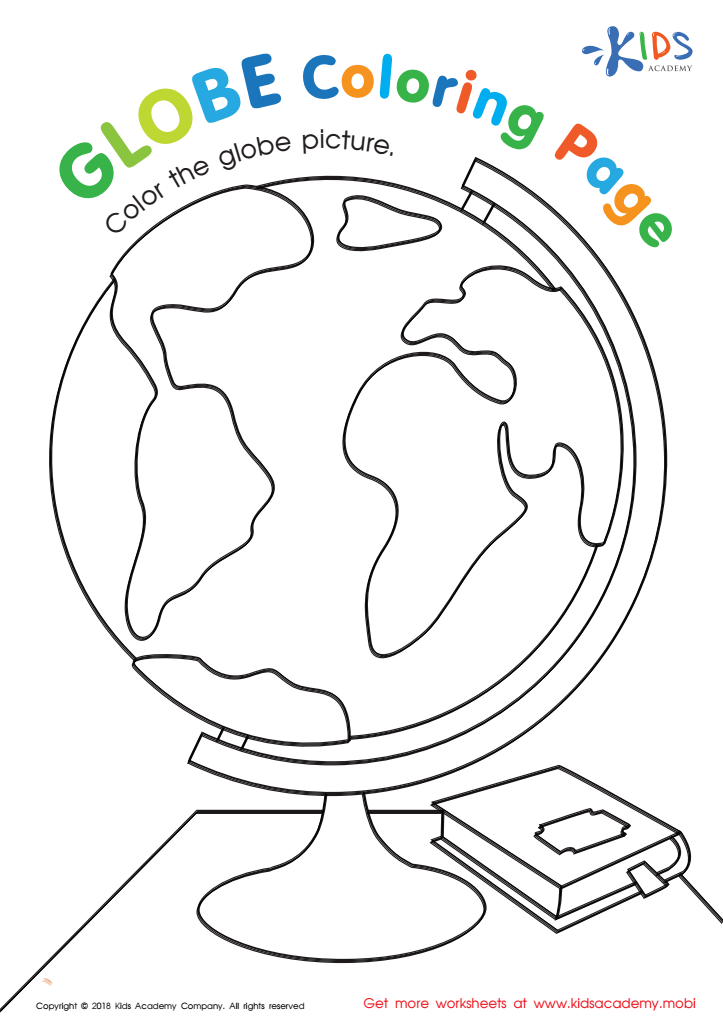
Globe Coloring Page Worksheet
Kids love coloring! Save yourself stress by giving them coloring sheets instead of letting them color on furniture and walls. This worksheet has a fun activity that engages their hands and mind - ask them to color the globe picture, and help them pick the colors.
Download (PDF)
 Assign to My Students
Assign to My Students
Globe Coloring Page Worksheet
Worksheet
Join Kids Academy for Free
Who is primarily going to use this learning content?






Color recognition is an essential foundational skill for young children, particularly in social studies, as it directly influences their understanding of the world around them. For parents and teachers, fostering color recognition in 6-year-olds is crucial for several reasons.
Firstly, colors play a significant role in helping children categorize and identify objects. This skill promotes critical thinking and enhances observational abilities, enabling children to make connections about their environment.
Secondly, recognizing colors aids in communication. When children can accurately describe their surroundings, they enhance their language skills and engage more effectively in social interactions. For instance, discussing a green park or a red fire truck enriches their conversations and social vocabulary.
Moreover, color recognition is integral to teaching cultural concepts. Many cultures use colors symbolically, and understanding these associations helps children appreciate diversity and inclusivity.
Additionally, activities centered around color recognition can be engaging and fun, promoting teamwork and cooperation during group tasks, which are fundamental skills in social studies.
In summary, color recognition makes learning engaging and interactive. It builds a foundation for deeper understanding, communication, and appreciation of the world, making it a vital component of early education.