Color recognition Easy Worksheets for Ages 7-8 - Page 2
33 filtered results
-
From - To
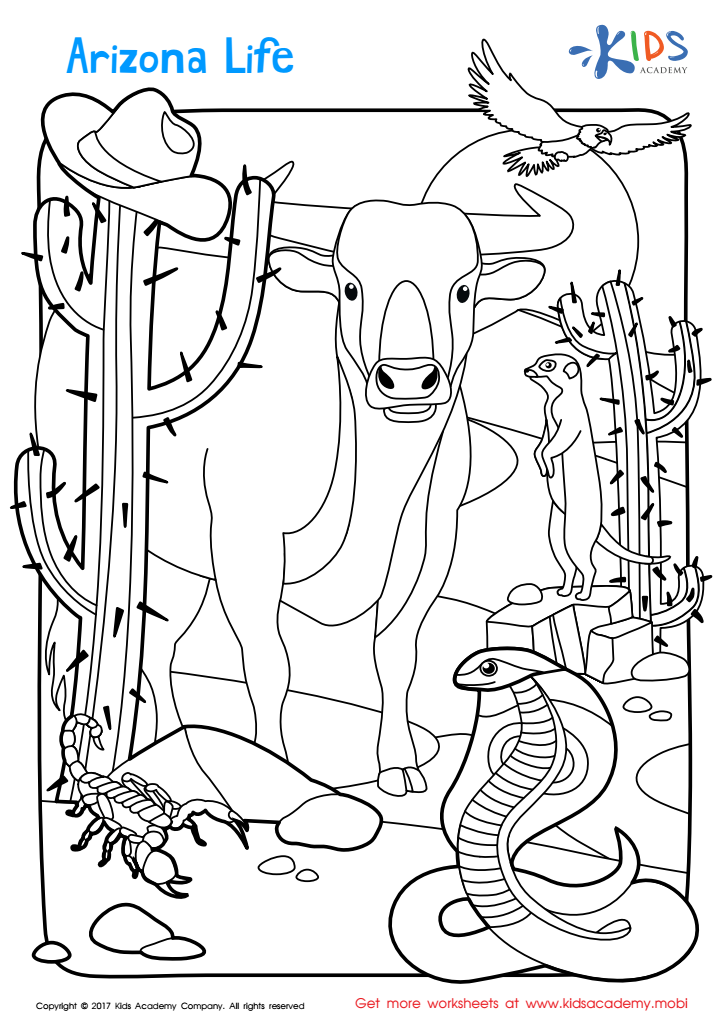
Arizona Coloring Page Worksheet
 Assign to My Students
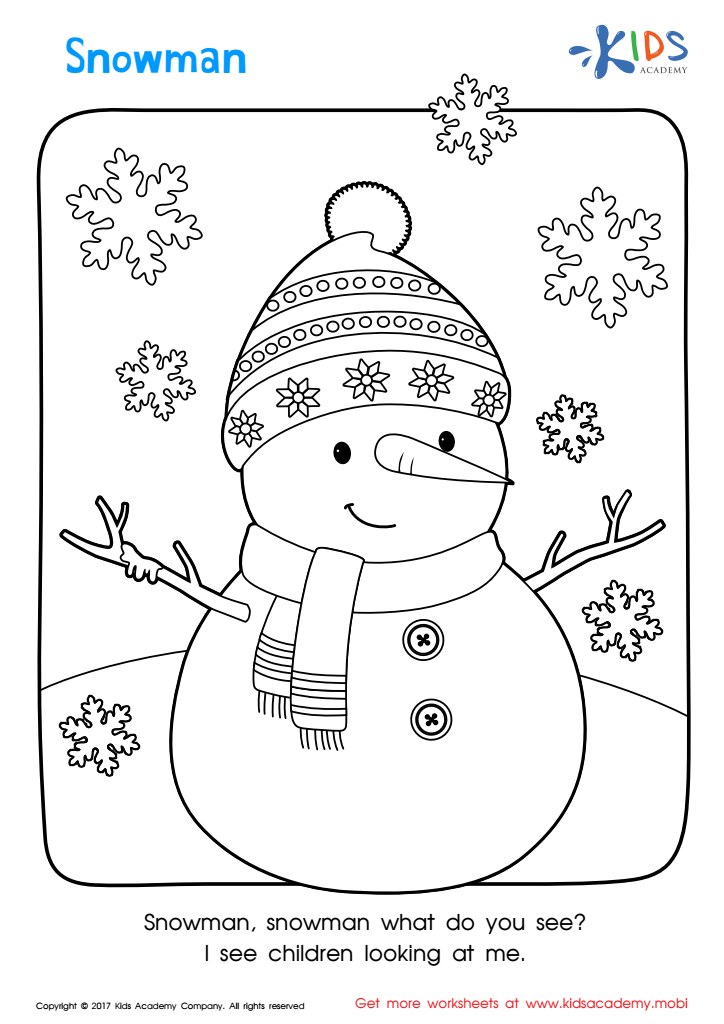
Christmas: Snowman Printable
Assign to My Students
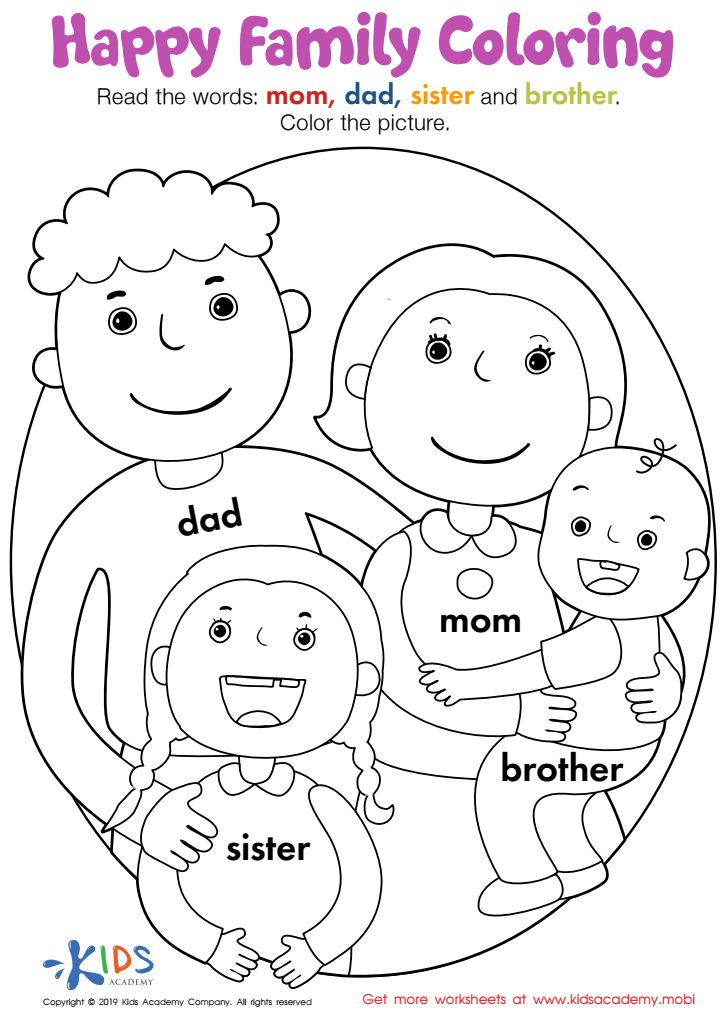
Happy Family Coloring Worksheet
Assign to My Students
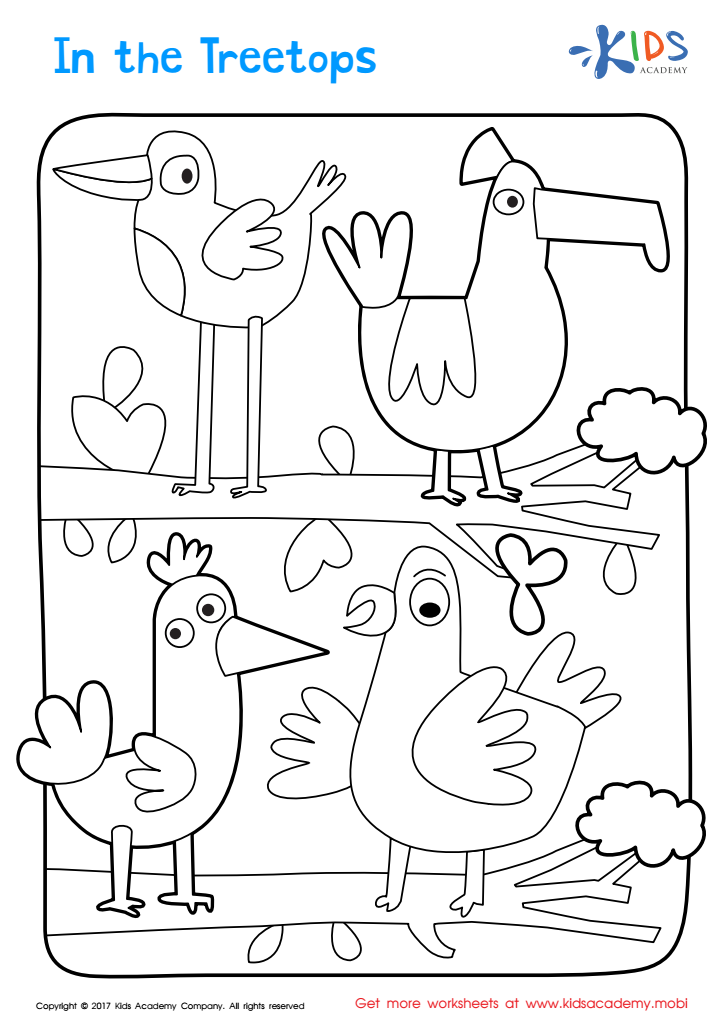
In the Treetops Coloring Page
Assign to My Students
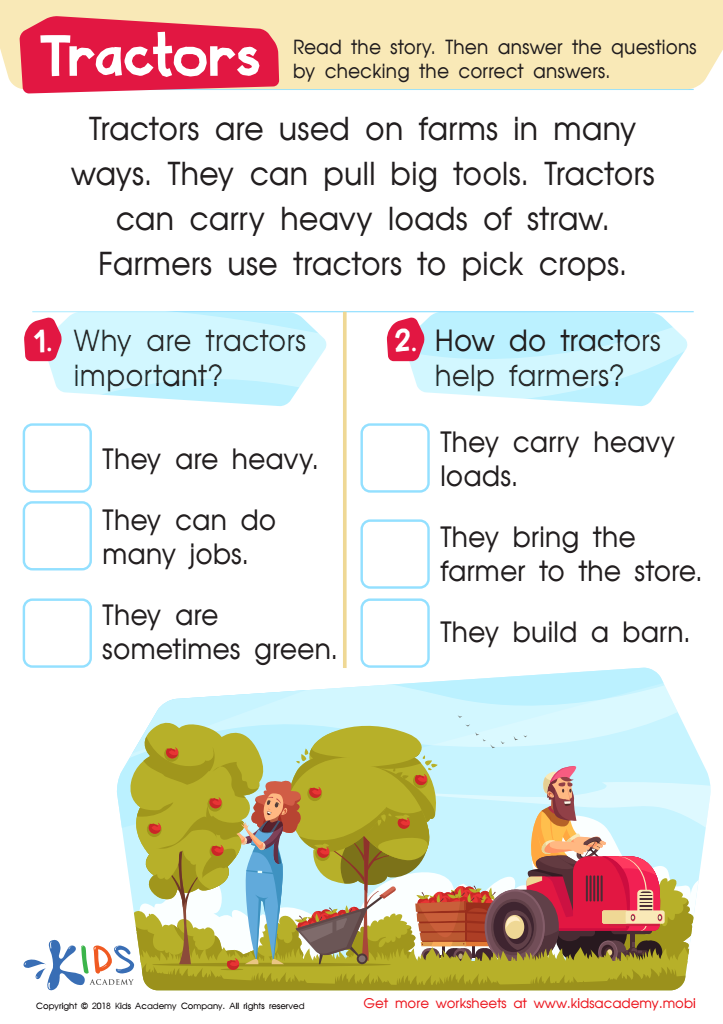
Tractors Worksheet
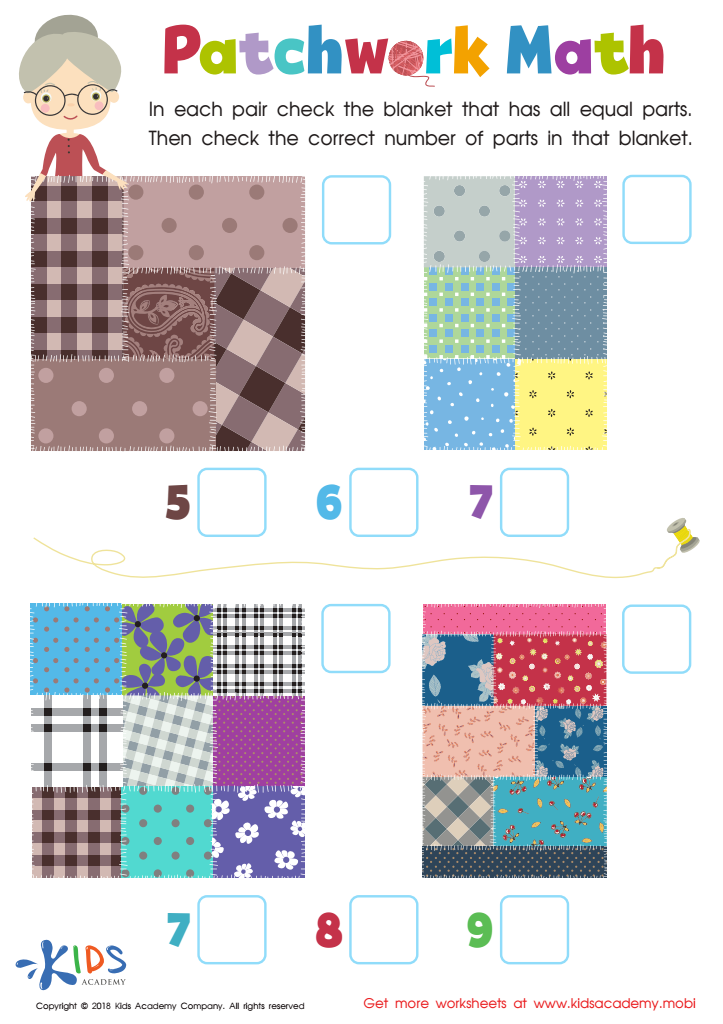
Patchwork Math Worksheet
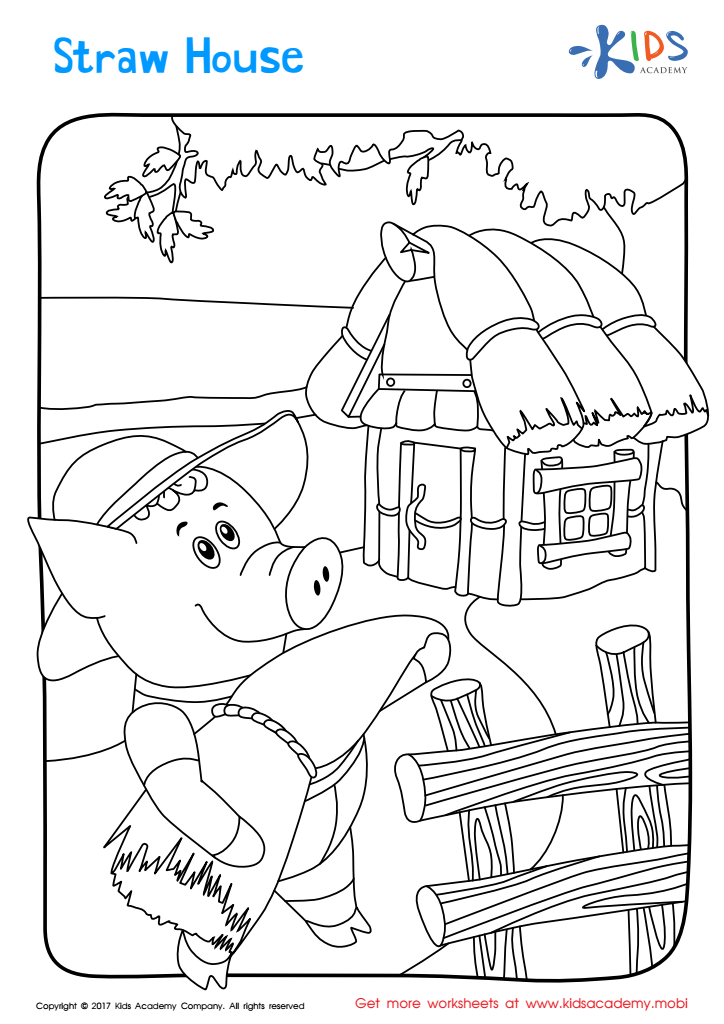
Straw House Printable Coloring Page
Assign to My Students
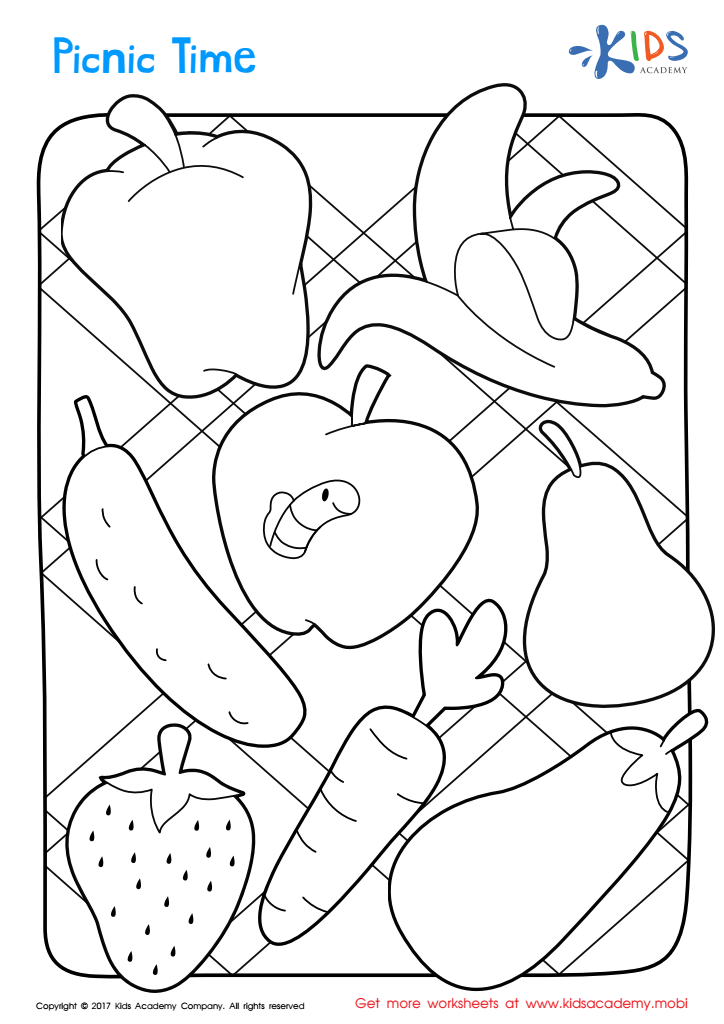
Picnic Time Coloring Page
Assign to My Students
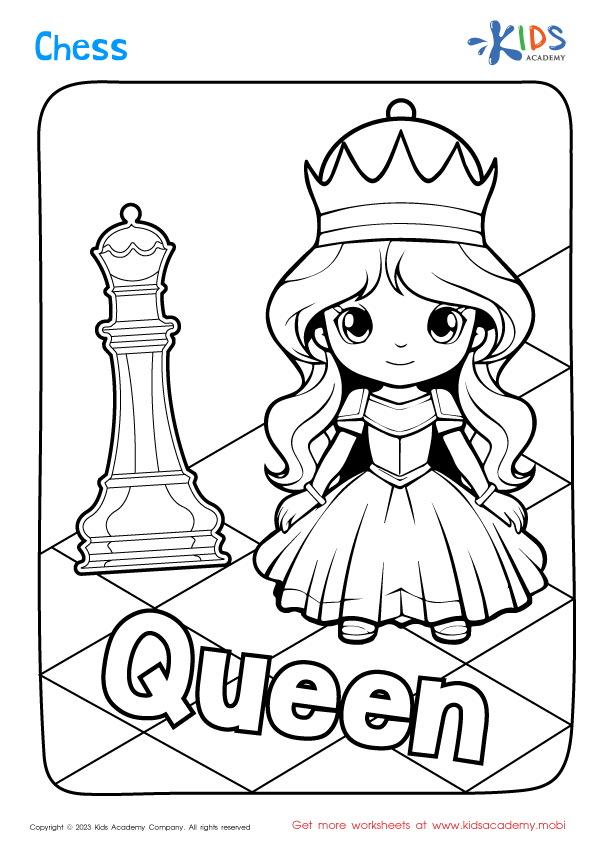








Color recognition is an important developmental milestone for children aged 7-8, and both parents and teachers should prioritize it for several reasons. First, understanding colors plays a crucial role in children's cognitive development, helping them categorize and make sense of the world around them. Mastering this fundamental skill enhances their overall learning abilities, as colors are often integrated into various subjects such as art, science, and language arts.
Additionally, color recognition is essential for effective communication. Children often use colors to express their thoughts and feelings—be it choosing their favorite hue or identifying colors in their environment. Encouraging children to engage with colors facilitates language development and expands their vocabulary.
Furthermore, color recognition is vital for daily living skills. For example, knowing color codes can help children understand traffic signals, sort laundry, and choose appropriate clothing for different occasions. It also fosters creativity—engaging in arts and crafts activities can spark imagination while reinforcing color concepts.
Lastly, caring about color recognition fosters inclusion among peers. Understanding colors can enhance social interactions, as children share their thoughts about colors in games, artwork, or simple conversations. Overall, reinforcing color recognition supports children's growth, learning, and social development.








