Logical Reasoning Easy Worksheets for Ages 7-8
5 filtered results
-
From - To
Enhance your child’s critical thinking skills with our collection of logical reasoning worksheets designed specifically for ages 7-8. These easy-to-use printables offer engaging activities that promote problem-solving, pattern recognition, and deduction. Each worksheet is crafted to be both fun and educational, making logical reasoning accessible and enjoyable for young learners. Perfect for classroom practice or at-home learning, these resources support cognitive development while keeping children motivated. Explore a variety of topics, from puzzles to visual reasoning challenges, all tailored to provide a solid foundation in logical thinking. Start nurturing your child's logic skills today!
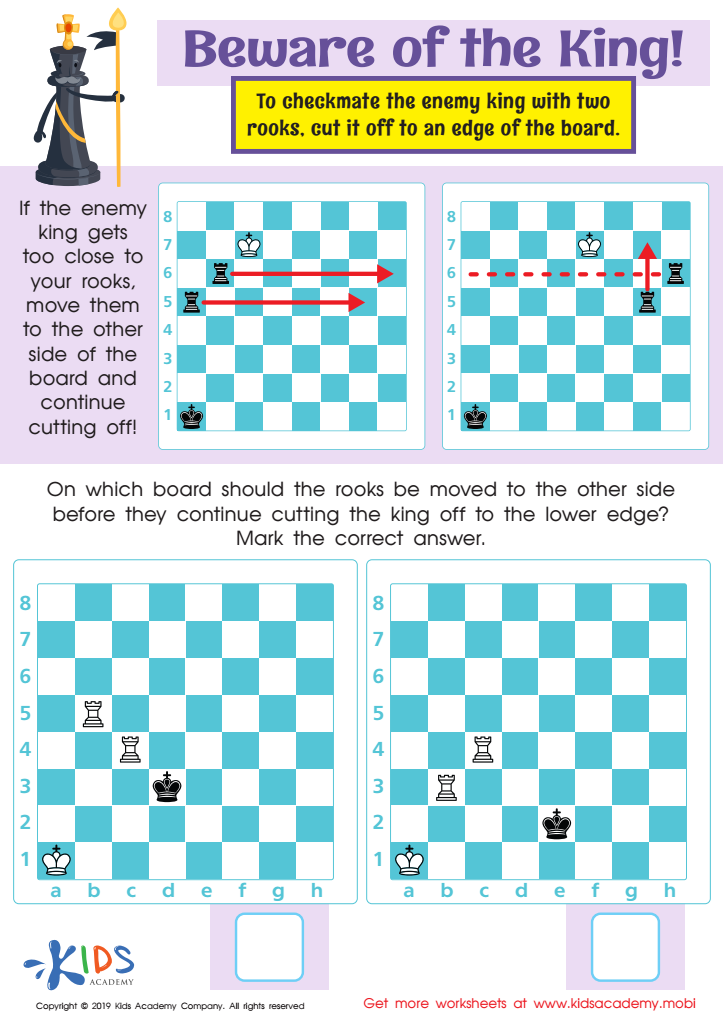
Beware of the King! Worksheet
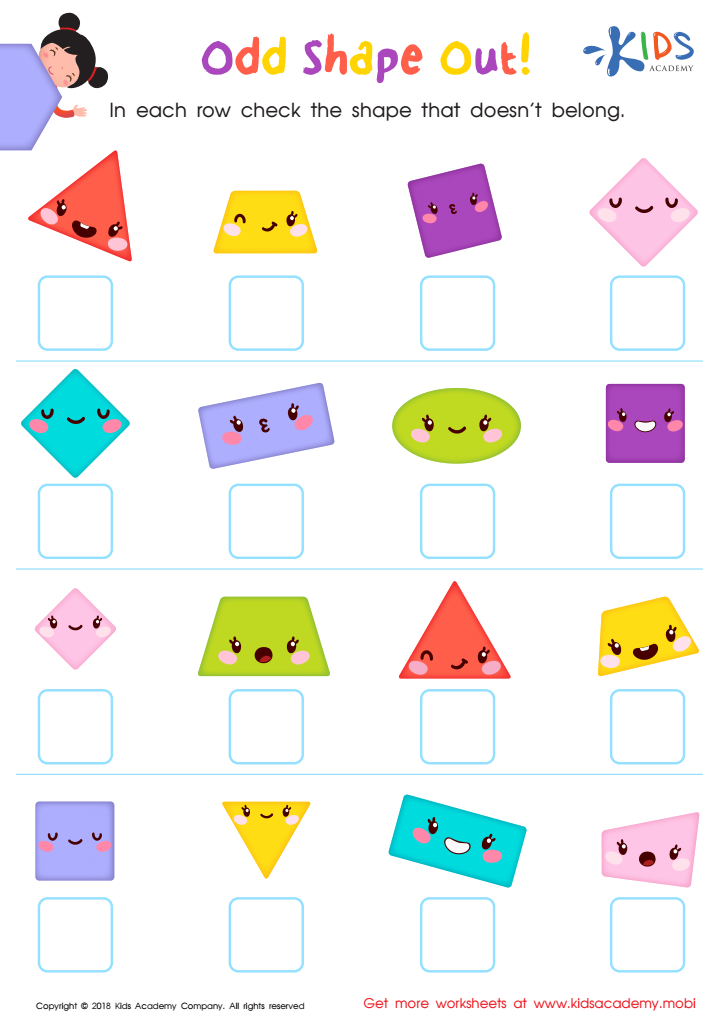
Odd Shape Out Worksheet for Grade 3

Dogs, Dogs Worksheet

Summer and Winter Worksheet
 Assign to My Students
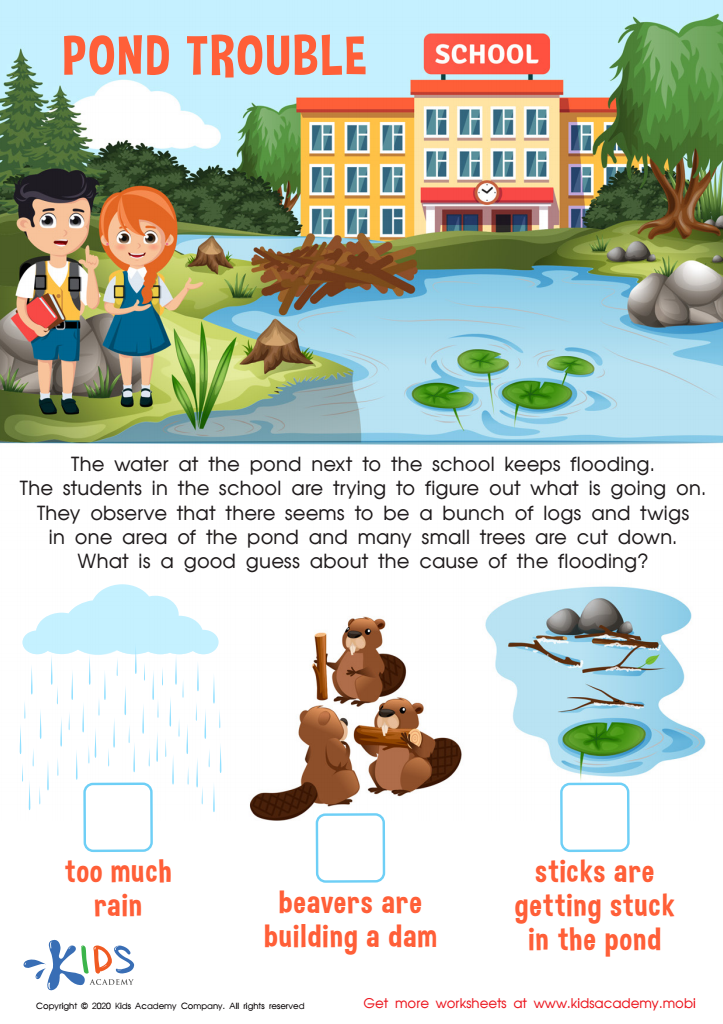
Pond Trouble Worksheet








Logical reasoning is a crucial skill for children aged 7-8 as it serves as the foundation for problem-solving and critical thinking. At this age, children are just beginning to connect abstract concepts with real-world applications. Introducing logical reasoning exercises can help sharpen their ability to analyze situations, draw conclusions, and make informed decisions.
Parents and teachers should care about this developmental stage because strong logical reasoning skills enhance academic performance across subjects, particularly in mathematics and science. Engaging children with clear, age-appropriate problems helps them learn to evaluate scenarios systematically and develop coherence in their thoughts.
Additionally, fostering these skills instills a sense of independence and confidence, which can positively affect a child's social interactions and emotional resilience. Children who can think through challenges are less likely to feel overwhelmed when confronted with difficulties.
Ultimately, promoting logical reasoning can enrich children's learning experiences and prepare them for future academic and personal achievements. It encourages curiosity and creativity, allowing them to explore the world around them with a sharper lens. Supporting this form of cognitive development is investing in a child's overall growth and future potential.








