Vocabulary Building Easy Worksheets for Ages 7-8
7 filtered results
-
From - To
Unlock your child's potential with our Vocabulary Building Easy Worksheets for Ages 7-8. Specially designed to foster language development, these fun and engaging worksheets introduce young learners to new words, enhancing their reading and writing skills. Aligned with educational standards, our printable activities offer a variety of puzzles, word searches, and matching games that make learning both enjoyable and effective. Perfect for classroom use or extra practice at home, our resources empower children to confidently expand their vocabulary, paving the way for academic success. Download and print today to help your child become a word wizard!
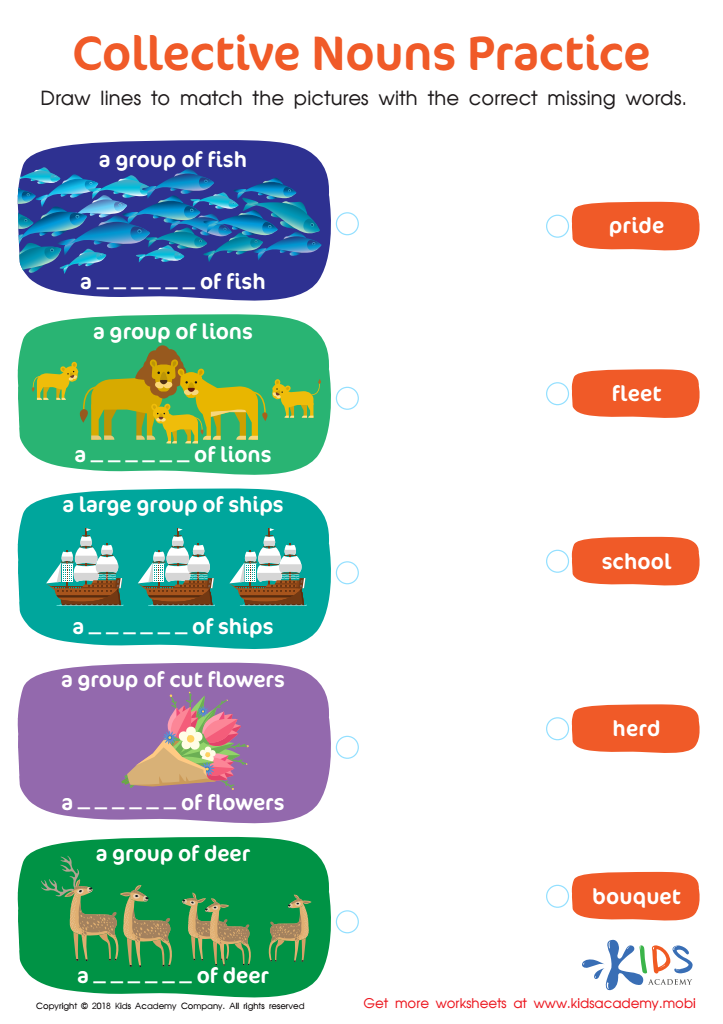
Collective Nouns Practice Worksheet
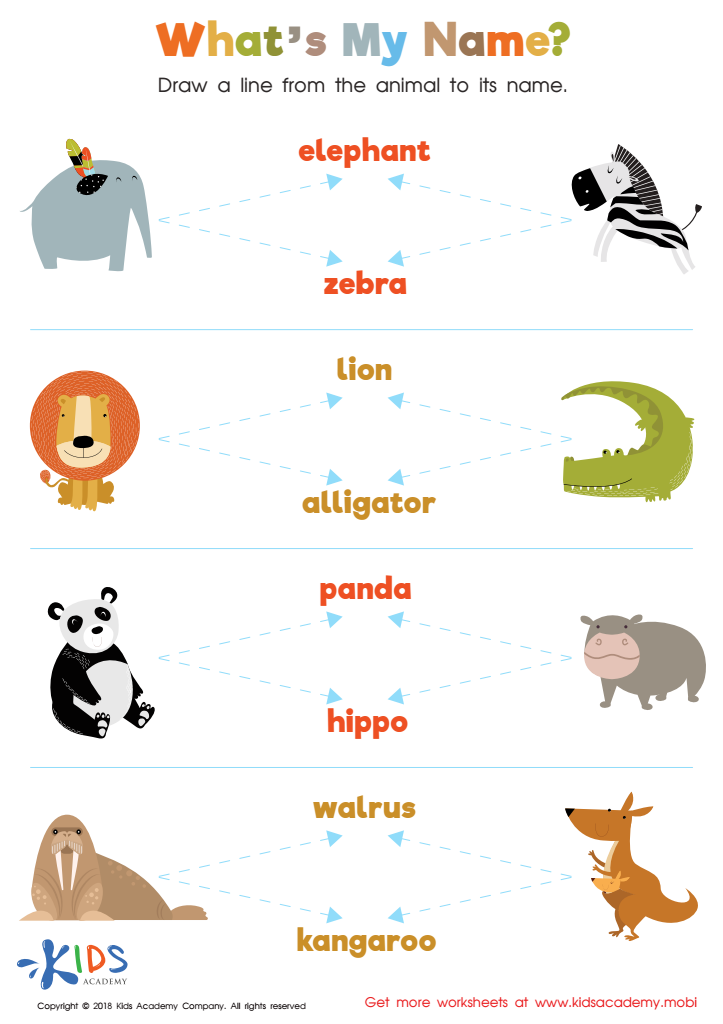
Animals and Their Names Worksheet
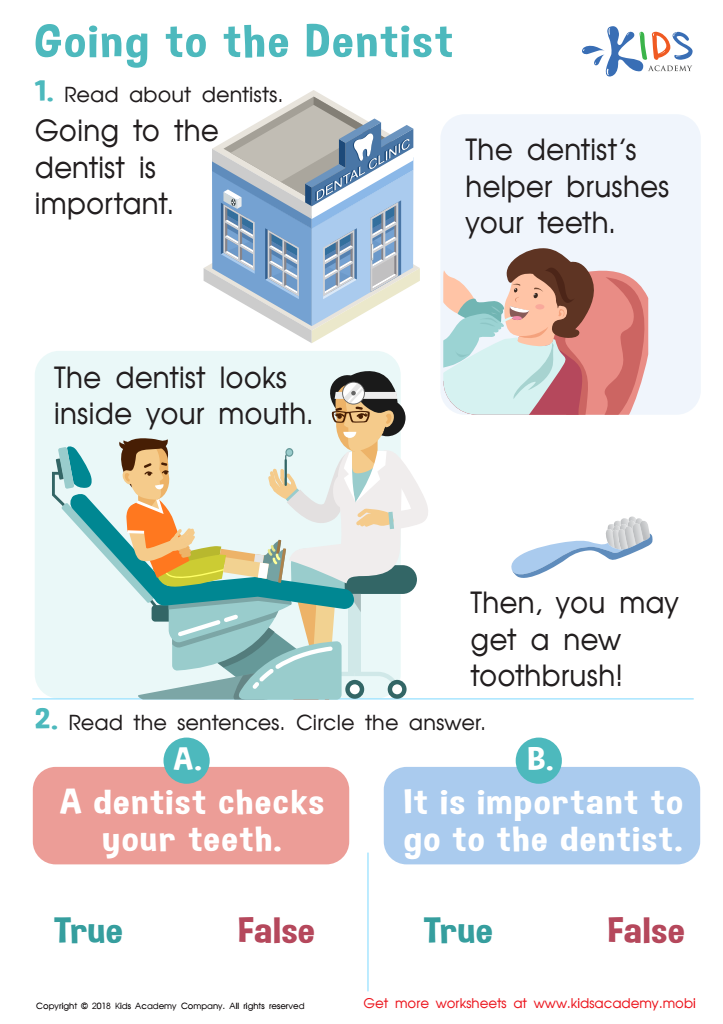
Going to the Dentist Part 2 Worksheet
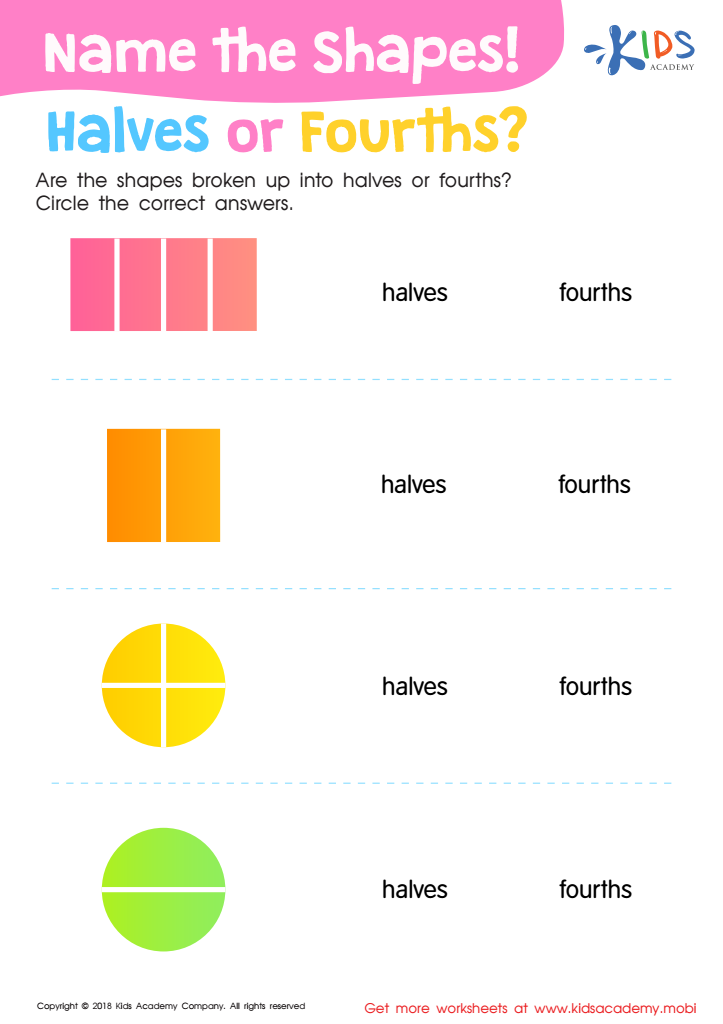
Name the Shapes Halves or Fourths? Worksheet
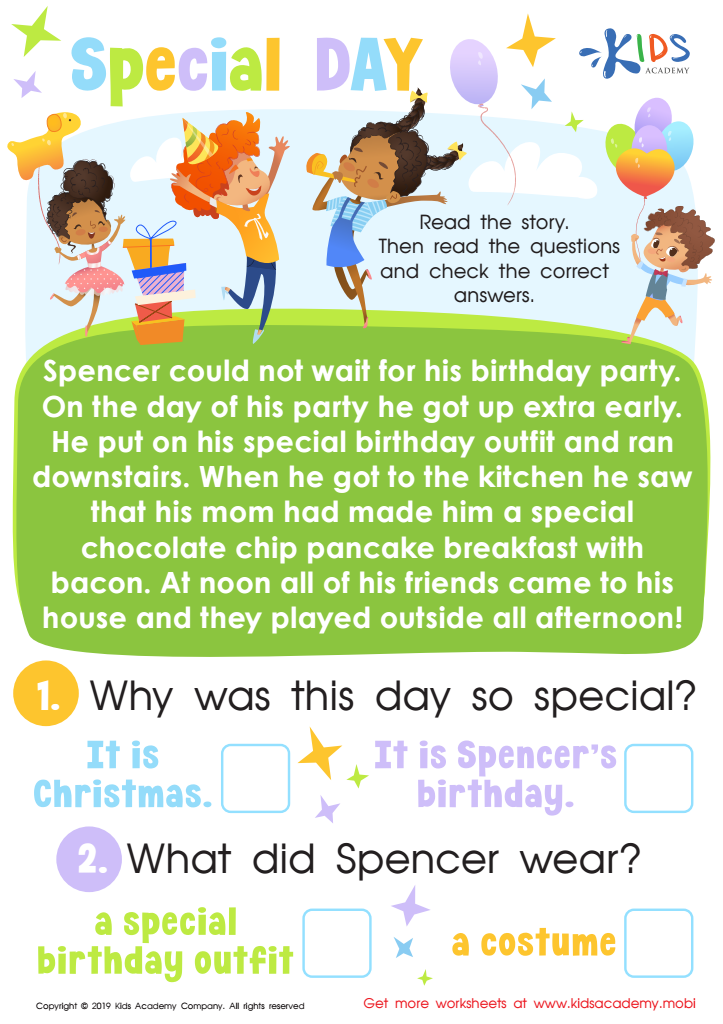
Special Day Worksheet
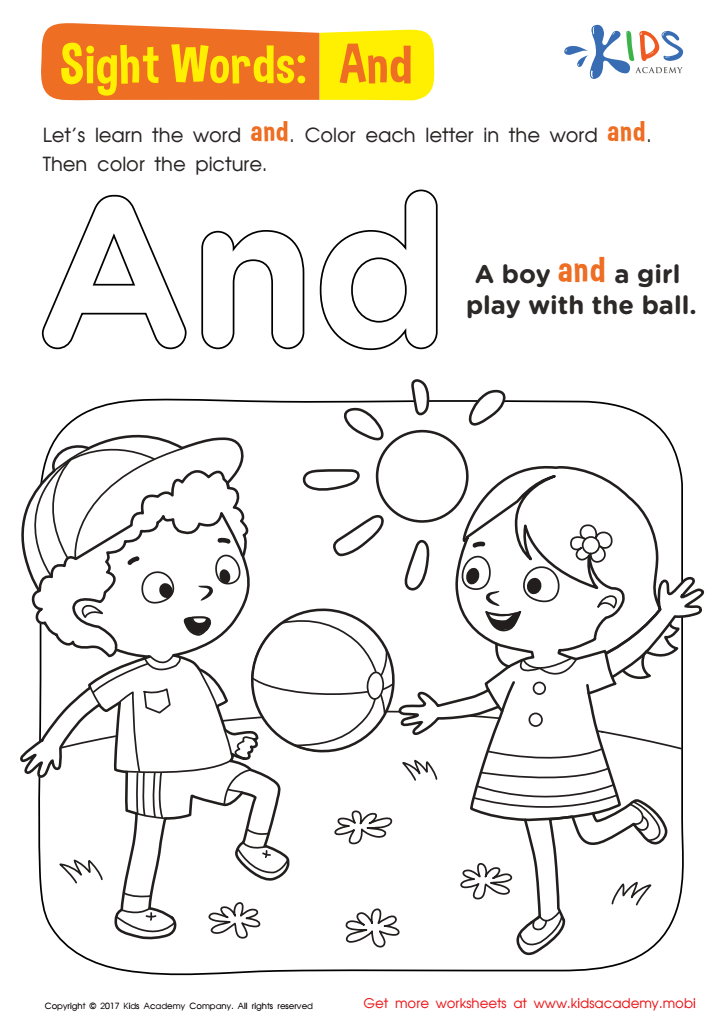
And Worksheet Sight Words Worksheet
 Assign to My Students








Vocabulary building in children ages 7-8 is crucial as it forms the foundation for effective communication and academic success. By expanding their vocabulary, children can better articulate their thoughts, understand instructions, and comprehend reading materials easily. This increased linguistic ability directly influences their performance across subjects, including math, science, and social studies, as these areas require specific terminology.
For parents and teachers, fostering a robust vocabulary in children helps in promoting critical thinking skills. When children learn new words, they also learn new concepts and ideas, which enhances their cognitive development and their ability to engage with the world around them imaginatively and analytically.
Moreover, a strong vocabulary improves reading comprehension and enjoyment. Kids are more likely to find reading pleasurable if they can understand and relate to the text. This will encourage a lifelong love of reading, pivotal for continuous learning.
In social interactions, a well-developed vocabulary aids in building confidence. Children with an extensive vocabulary can express themselves clearly and form better relationships with peers and adults. Additionally, early vocabulary skills are predictive of future success in both education and the workplace, making it vital for parents and teachers to prioritize vocabulary building at this developmental stage.








