Hand-eye Coordination Easy Math Worksheets for Ages 7-8
9 filtered results
-
From - To
Discover our engaging Hand-eye Coordination Easy Math Worksheets for Ages 7-8, designed to enhance essential skills while making learning fun! These thoughtfully crafted worksheets combine math concepts with hand-eye coordination exercises, aiding children in developing both cognitive and motor skills. Perfect for supplementing classroom learning or for at-home practice, our resources promote accuracy and spatial awareness through enjoyable activities. Each worksheet includes vibrant illustrations and interactive tasks that cater to various learning styles. Download our easy-to-use printable worksheets to support your child's academic growth and dexterity. Empower them to build confidence and proficiency in math with a creative approach!
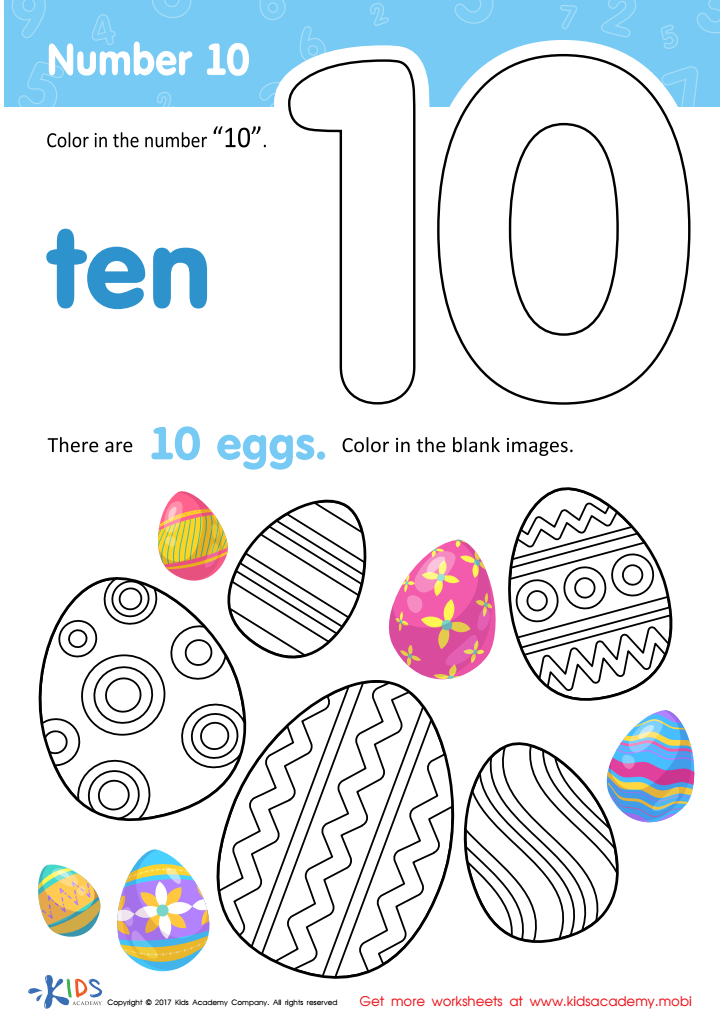
Number 10 Printable
 Assign to My Students
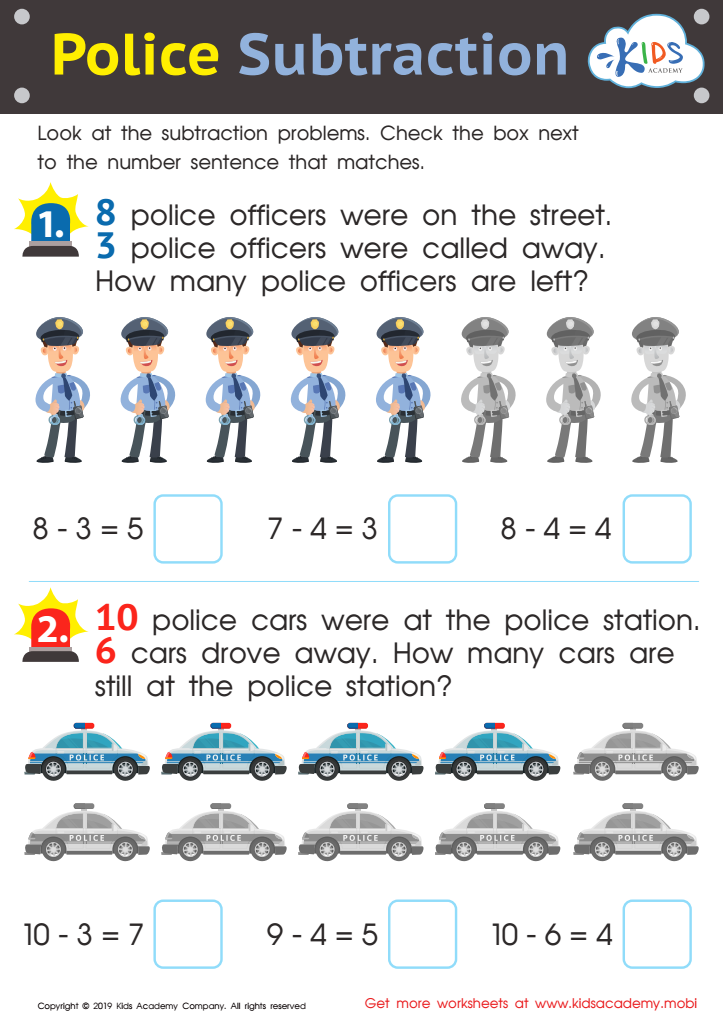
Police Subtraction Worksheet
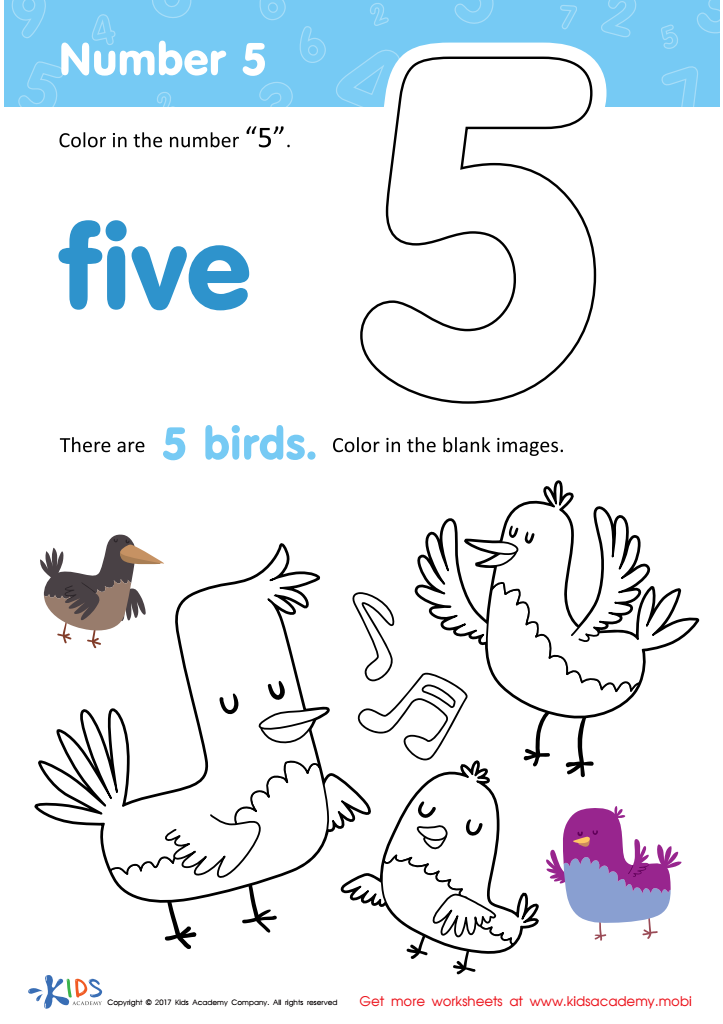
Number 5 Printable
Assign to My Students
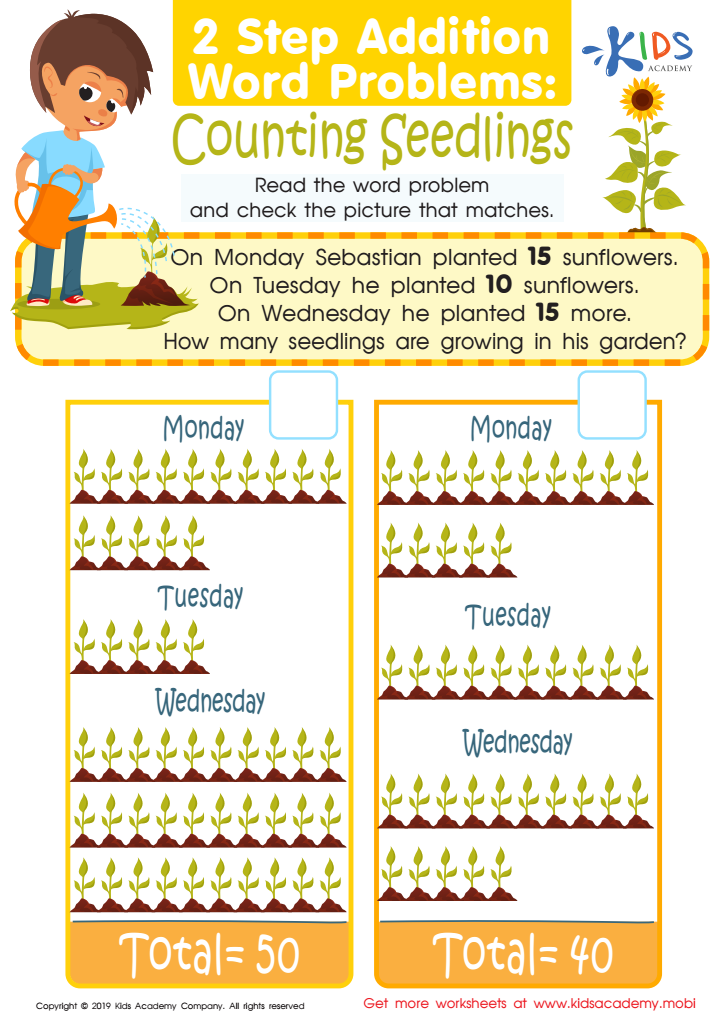
Counting Seedlings Worksheet
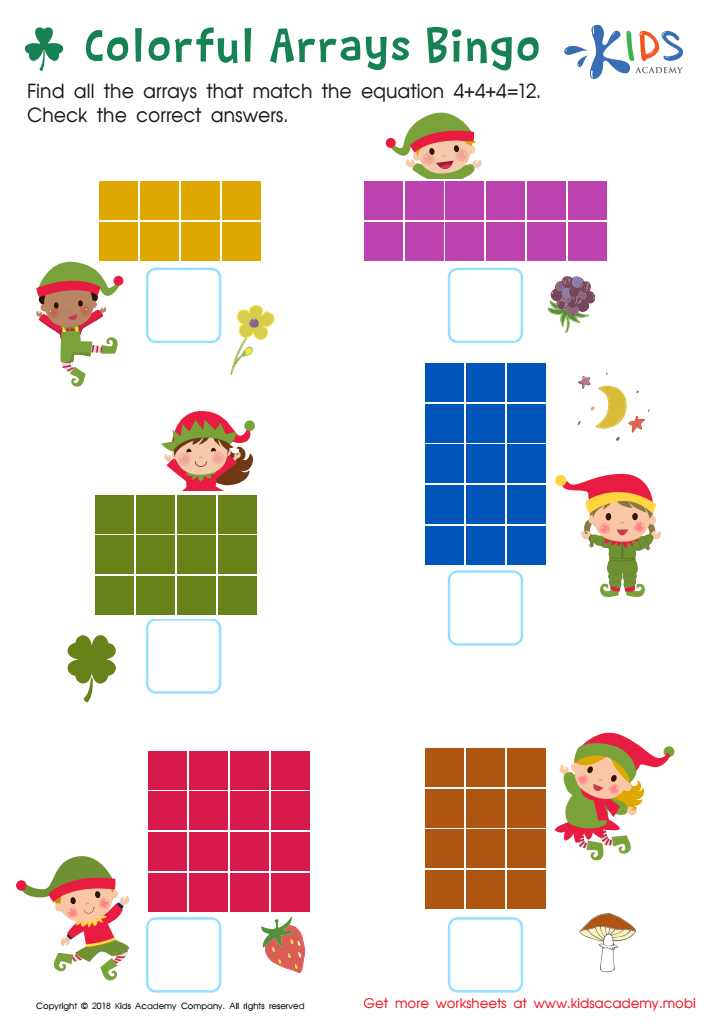
Colorful Arrays Bingo Worksheet
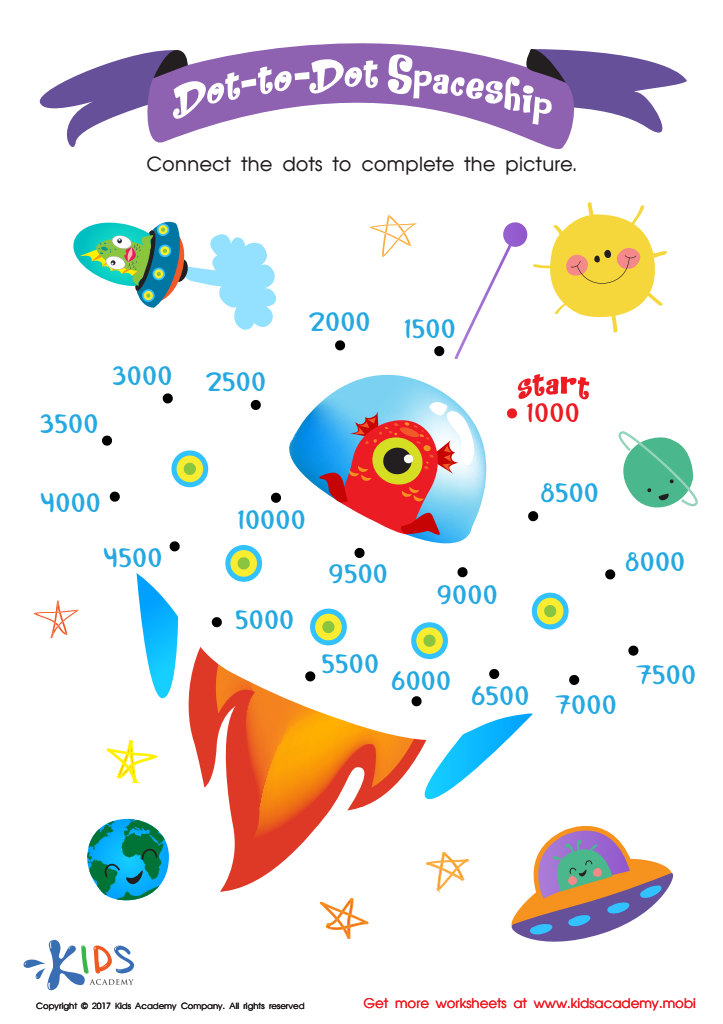
Dot to Dot Worksheet for 3rd Grade
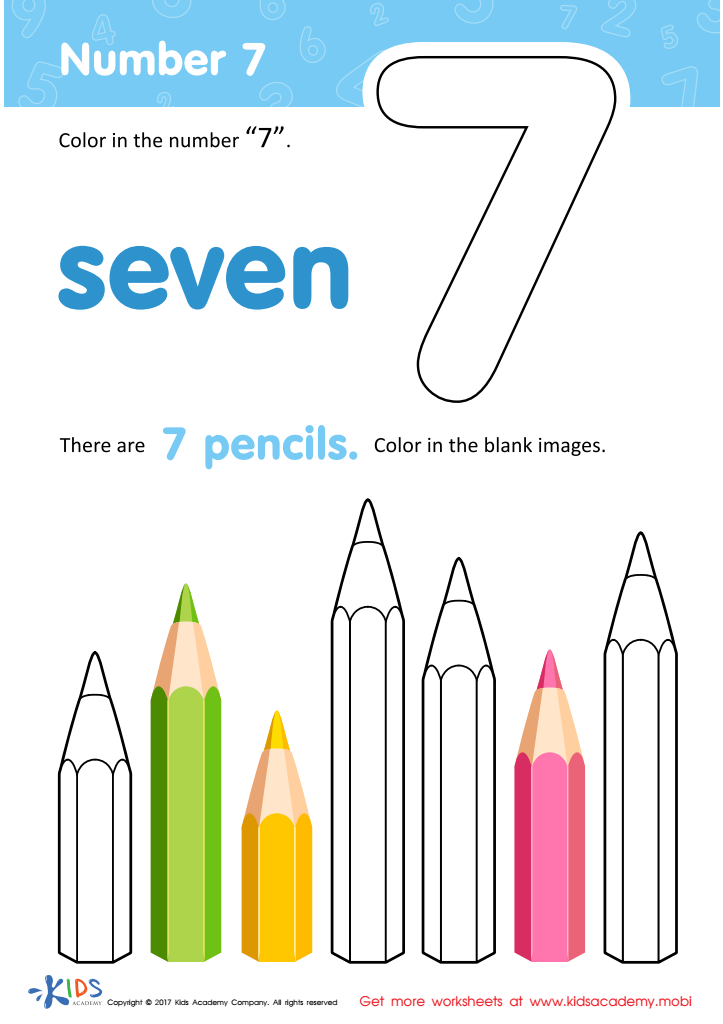
Number 7 Worksheet
Assign to My Students
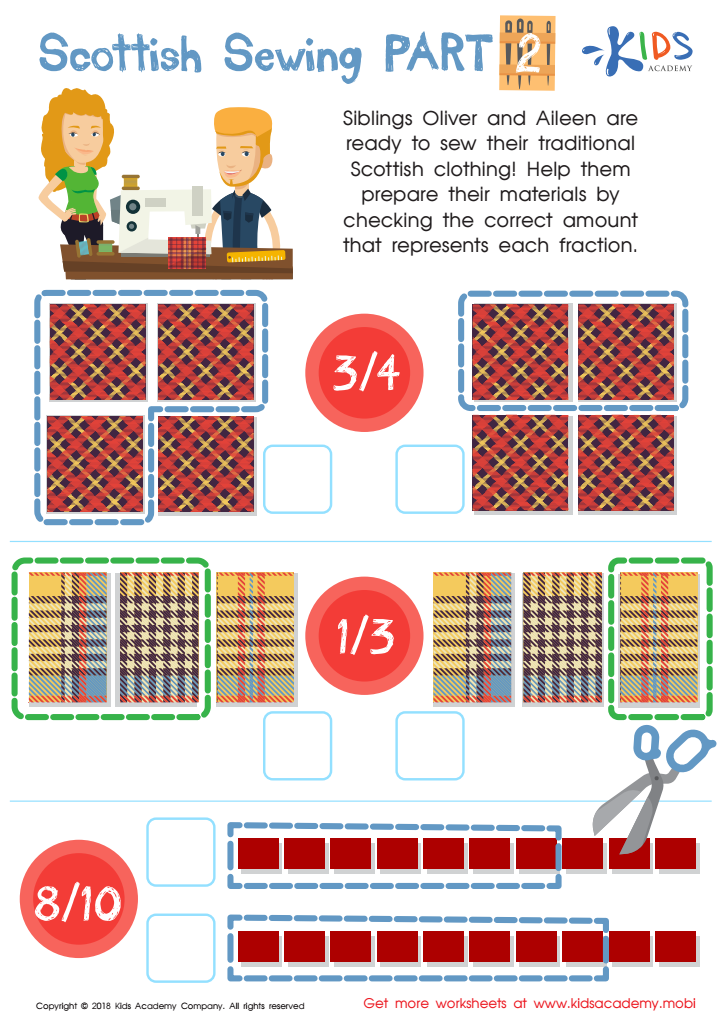
Scottish Sewing Part 2 Worksheet
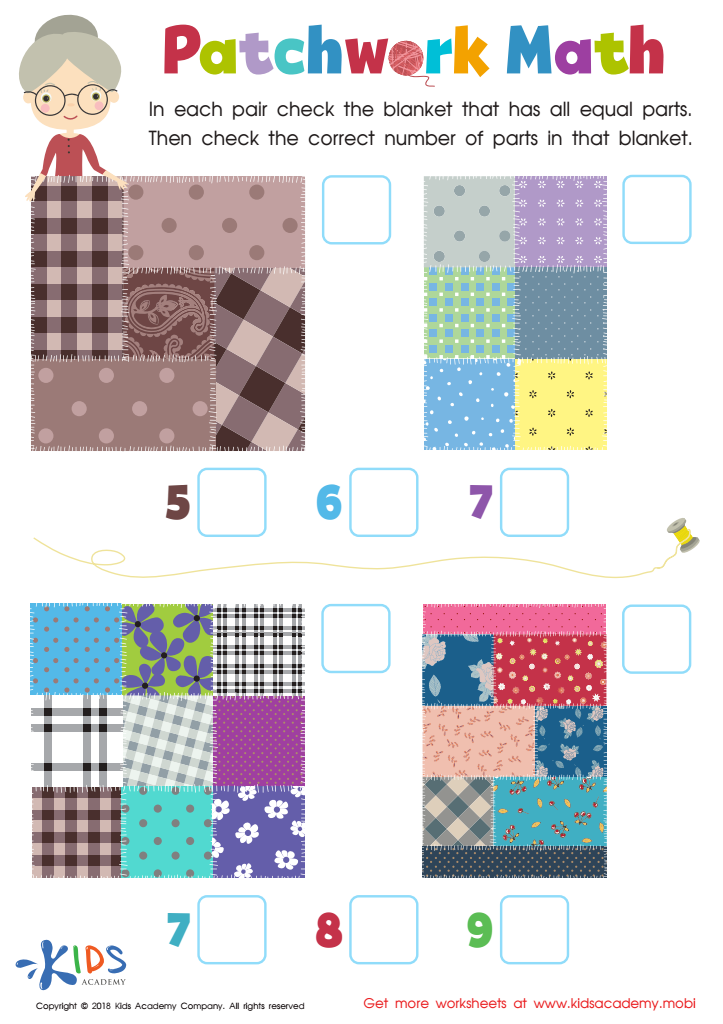
Patchwork Math Worksheet






Hand-eye coordination is a fundamental skill that significantly impacts a child's overall development, particularly when it comes to learning basic math concepts. For children aged 7-8, engaging in activities that improve hand-eye coordination facilitates better fine motor skills crucial for tasks like writing, drawing, and using scissors. This is particularly relevant when solving math problems that require precision and spatial awareness, such as drawing graphs or manipulating physical tools like counters.
Incorporating hand-eye coordination exercises into math activities not only makes learning more interactive and fun, but also helps children stay focused and attentive. Improved coordination can lead to enhanced problem-solving abilities and quicker processing speeds, as they learn to connect physical actions with mathematical concepts.
Furthermore, fostering hand-eye coordination during math practice can boost a child’s confidence. As they become more proficient, they are likely to approach challenges with a positive mindset, fostering a love for learning. Parents and teachers should prioritize these skill-building activities, as they lay a solid foundation for more complex mathematical reasoning in the future. Ultimately, developing hand-eye coordination in math can lead to a happier, more engaged learner who is better equipped to tackle both academic and personal challenges.








