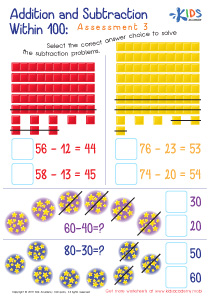
Hand-eye Coordination Easy Numbers 0–10 Worksheets for Ages 7-8
3 filtered results
-
From - To
Boost your child's hand-eye coordination with our engaging Easy Numbers 0–10 worksheets, specifically designed for ages 7-8! These interactive resources combine fun activities with fundamental math skills, helping young learners develop their dexterity while mastering numbers. Each worksheet features colorful and captivating illustrations, encouraging children to cut, paste, trace, and identify numerals in an enjoyable way. Fine-tuning hand movements through these worksheets not only enhances coordination but also lays a strong foundation for future math success. Perfect for home or classroom use, our worksheets provide a dynamic learning experience that keeps kids motivated while reinforcing essential math concepts. Download and start learning today!
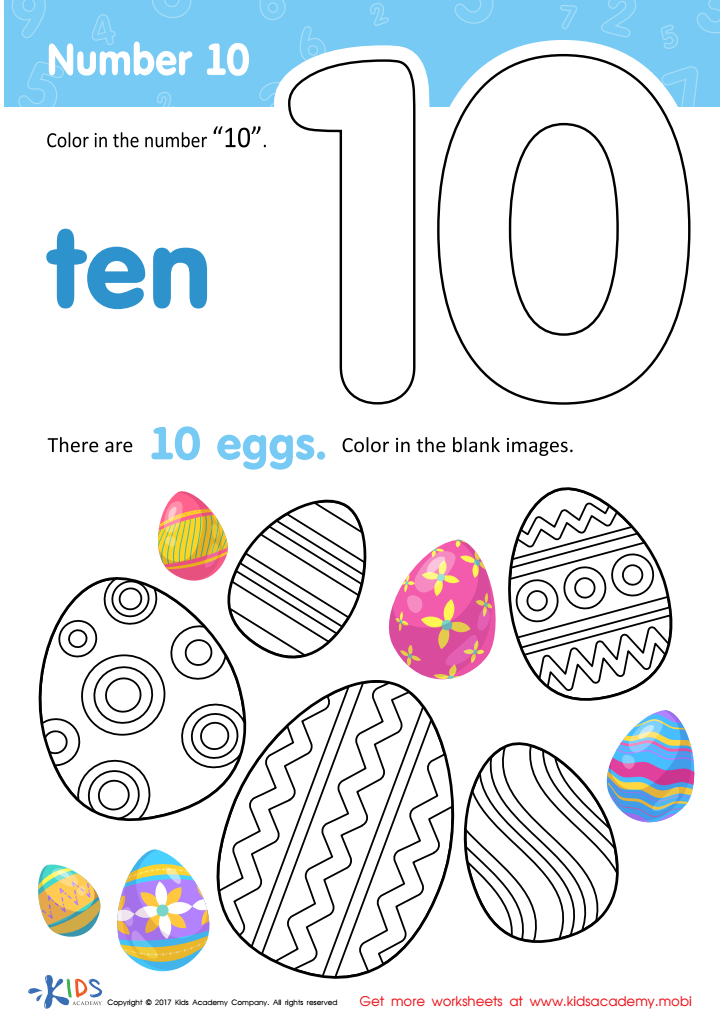
Number 10 Printable
 Assign to My Students
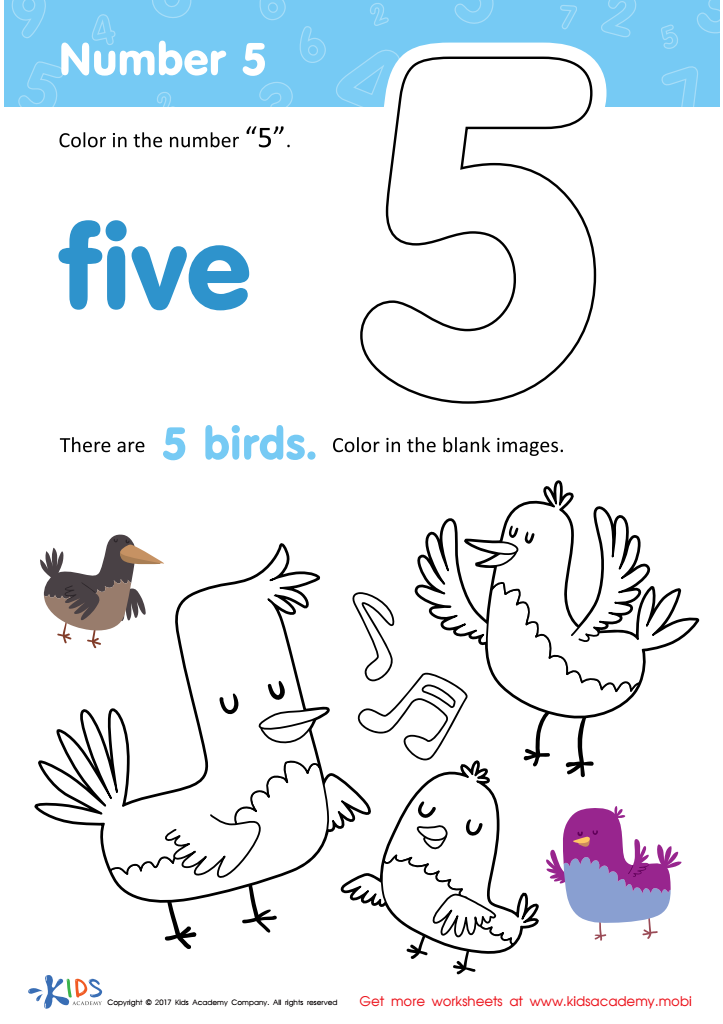
Number 5 Printable
Assign to My Students
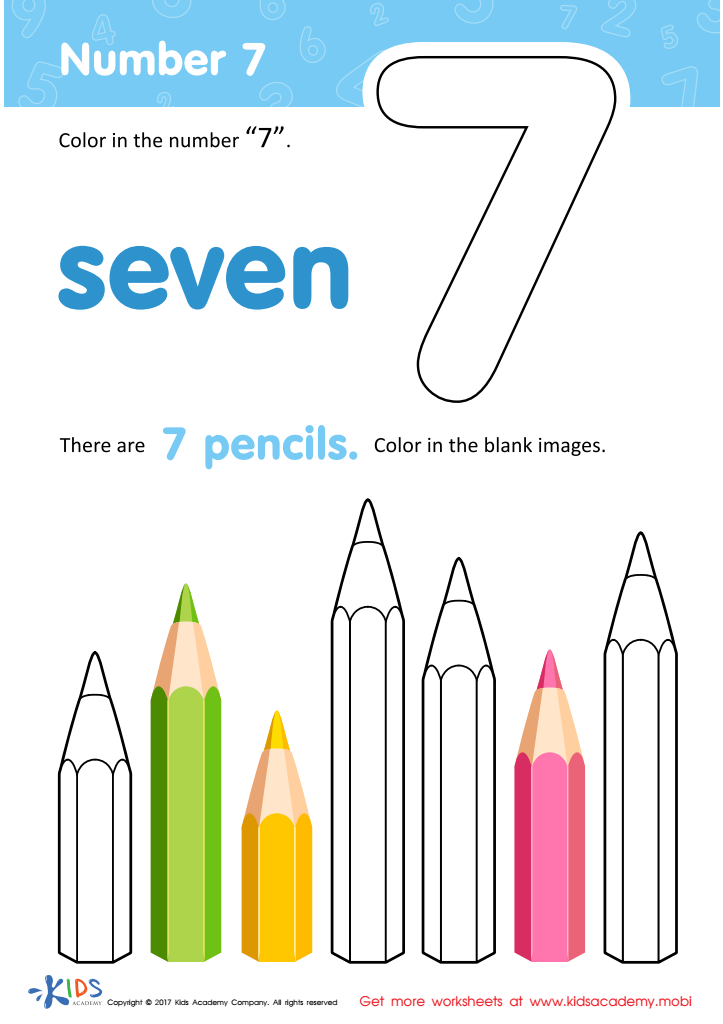
Number 7 Worksheet
Assign to My Students








Hand-eye coordination is a crucial skill for children aged 7-8, particularly when working with numbers in early math education. This skill involves the ability to synchronize visual input with motor functions, which is essential not only for academic learning but also for daily activities. Parents and teachers should recognize the importance of developing hand-eye coordination as it significantly influences a child's ability to perform tasks such as writing, drawing, and manipulating objects, all of which are foundational for learning simple mathematical concepts.
By focusing on hand-eye coordination activities that incorporate numbers 0–10, children develop essential fine motor skills while engaging with math in a fun and interactive way. Engaging in activities like counting while threading beads, playing with blocks, or participating in number-based games enhances their ability to visualize and manipulate numbers physically.
Moreover, when children experience success in these areas, it boosts their confidence and motivation to tackle more complex math concepts later on. Teachers and parents play a vital role in fostering these skills through integrated learning experiences that emphasize both coordination and mathematical understanding, ensuring that children are well-equipped for future learning challenges. Investing in these skills at this age bears lasting benefits in overall development.