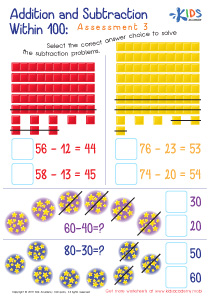
Number Recognition Easy Numbers up to 100 Worksheets for Ages 7-8
4 filtered results
-
From - To
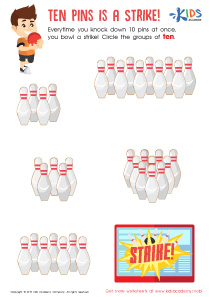
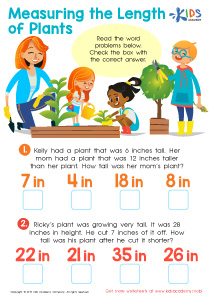
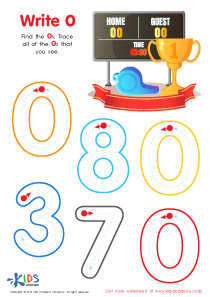
Unlock your child's potential with our "Number Recognition Easy Numbers up to 100 Worksheets" designed specifically for ages 7-8. These engaging worksheets not only promote familiarity with numbers but also enhance counting skills and number fluency. Ideal for both classroom and home learning, each printable resource features fun activities tailored to captivate young learners. Boost your child's confidence as they recognize and work with numbers up to 100 while developing critical early math skills. Explore a variety of exercises that include coloring, number tracing, and matching, all aimed at making learning exciting and enjoyable. Start your child's math journey today!
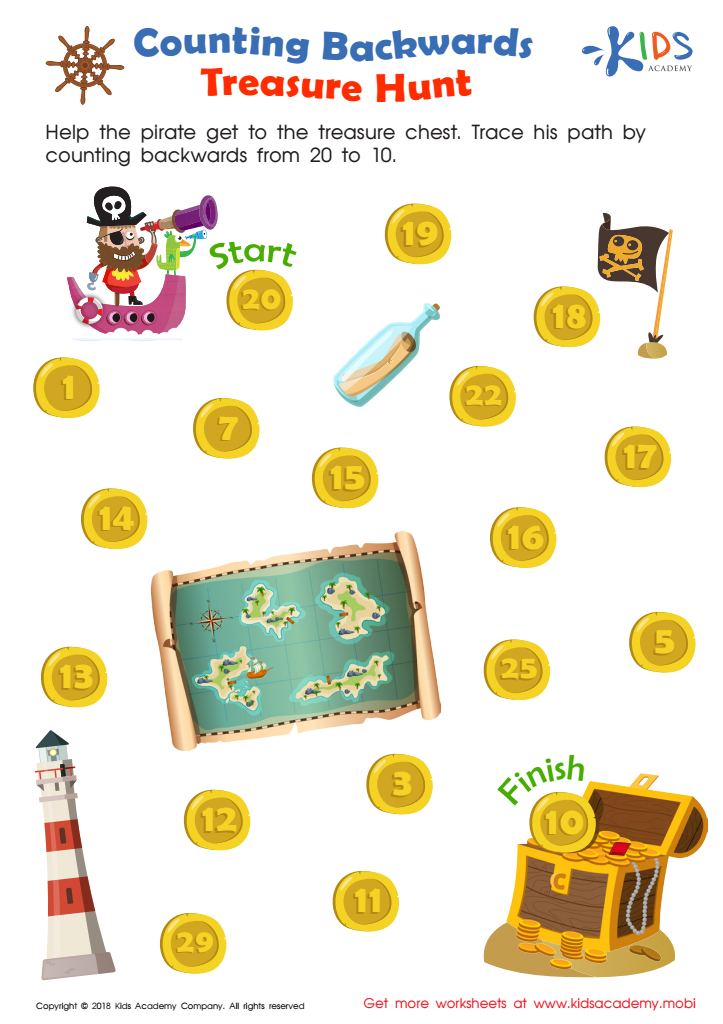
Counting Backwards: Treasure Hunt Worksheet
 Assign to My Students
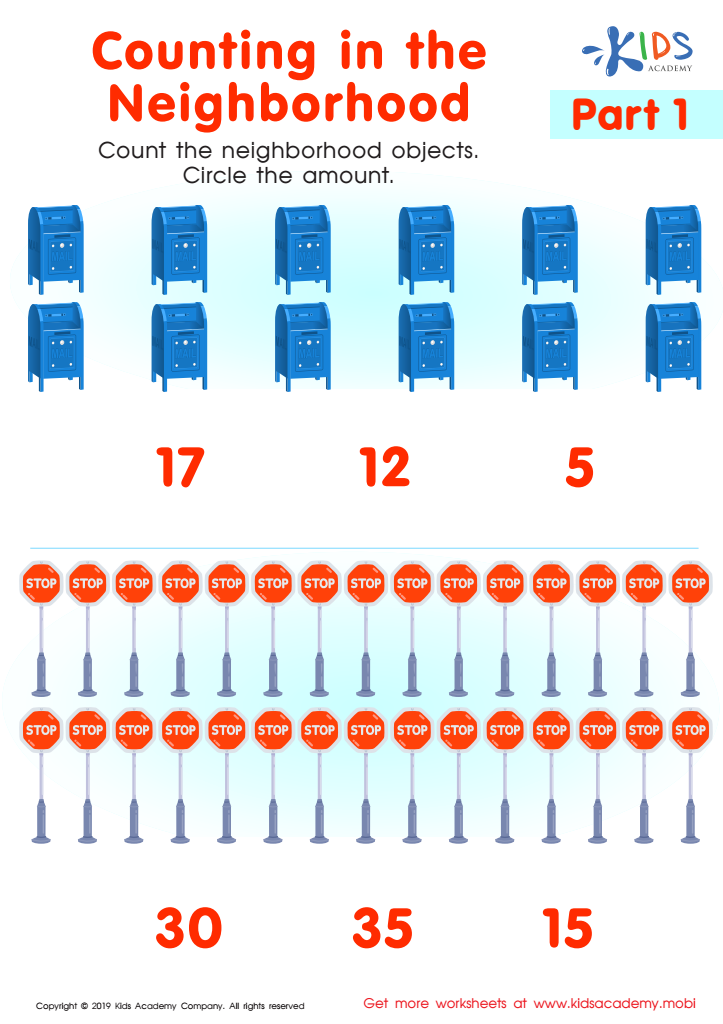
Counting in the Neighborhood Part1 Worksheet
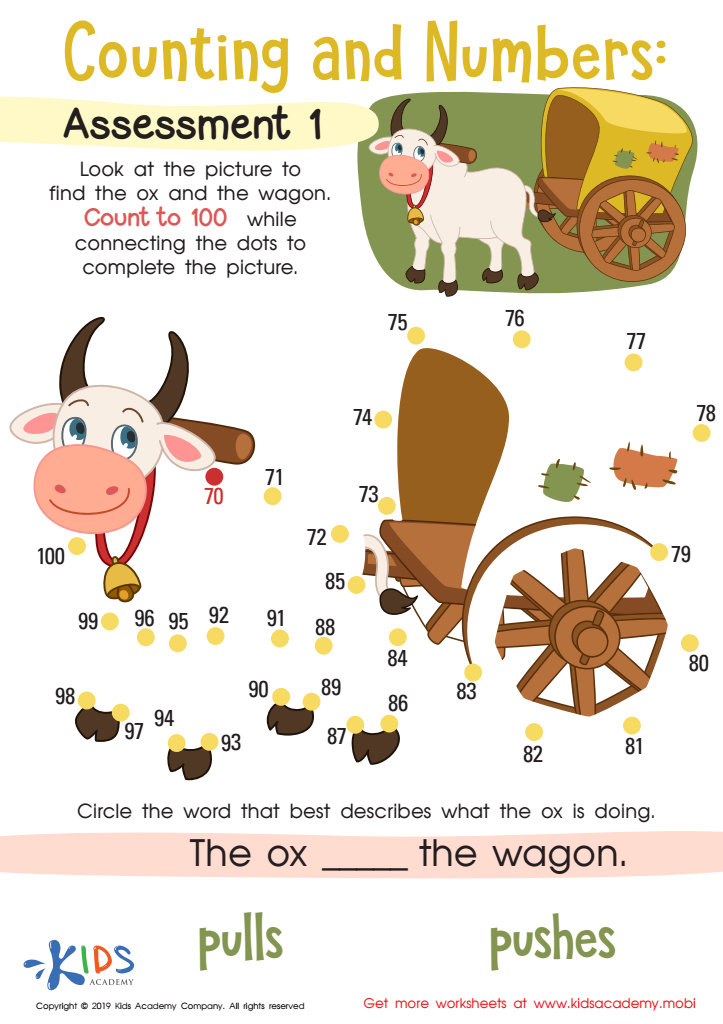
Counting and Numbers: Assessment 1 Worksheet

Counting on the City Skyline: Dot-to-Dot Worksheet




%20(1).jpg)


Number recognition is a foundational skill critical for children aged 7-8, laying the groundwork for further mathematical understanding. For parents and teachers, fostering this skill is vital for several reasons.
Firstly, number recognition up to 100 is essential for grasping basic math concepts. At this age, students progress from simple counting to addition, subtraction, and even early multiplication. Without a strong understanding of numbers, children may struggle with these operations, hindering their overall academic progress.
Secondly, number recognition aids in developing critical thinking and problem-solving skills. When students can identify and understand numbers regularly, they become better equipped to tackle word problems and real-life situations where math is applicable, such as budgeting, measurement, and scenario-based decision-making.
Additionally, promoting number recognition encourages logical reasoning. Children learn sequences, patterns, and the relationships between numbers, which can enhance their cognitive skills.
Lastly, number recognition is important for building confidence in mathematics. When children recognize and master numbers, they are more likely to participate in math-related activities without fear of failure, ultimately fostering a positive attitude toward learning.
In conclusion, prioritizing number recognition for ages 7-8 equips children with essential tools for future success in math and daily life.