Writing practice Easy Letter Recognition Worksheets for Ages 7-9
3 filtered results
-
From - To
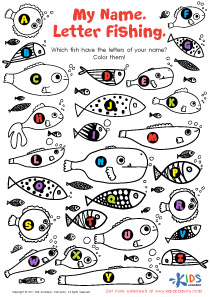
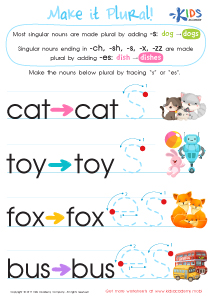
Discover our "Writing Practice Easy Letter Recognition Worksheets" designed specifically for children ages 7-9! These engaging and interactive worksheets help young learners enhance their letter recognition skills while developing their writing abilities. Our well-crafted activities encourage students to identify letters through various exercises, making learning both effective and enjoyable. With colorful illustrations and supportive directions, children will stay motivated as they practice forming letters and grasping the alphabet's nuances. Perfect for both classroom and home use, these worksheets foster essential literacy skills that lay the foundation for reading and writing success. Start building confidence in your child's writing journey today!
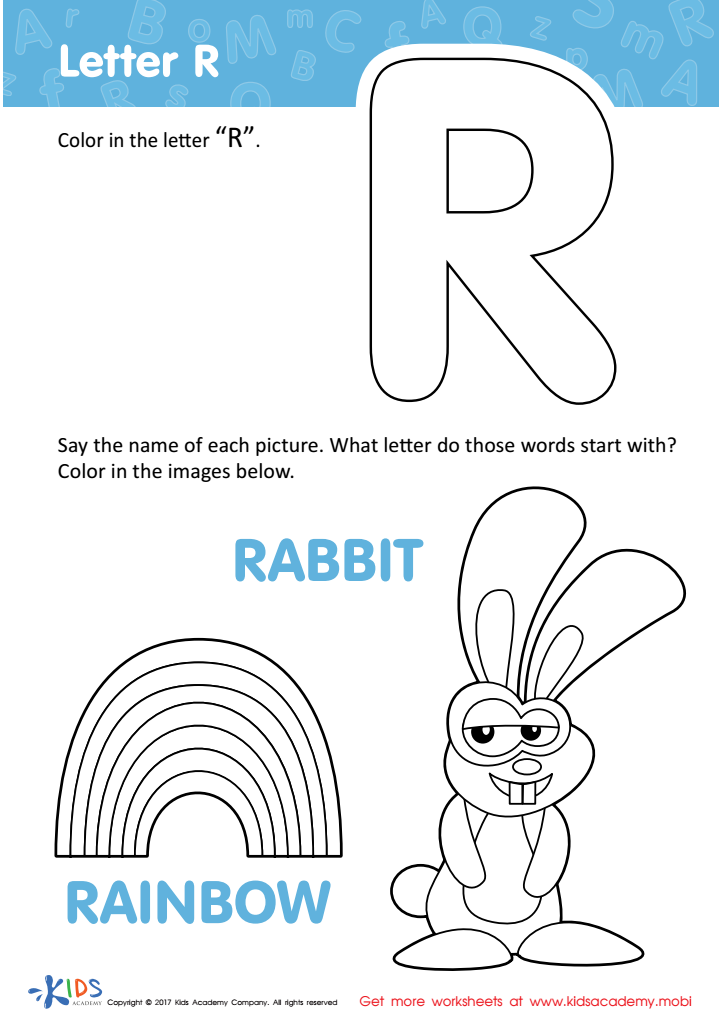
Letter R Coloring Sheet
 Assign to My Students
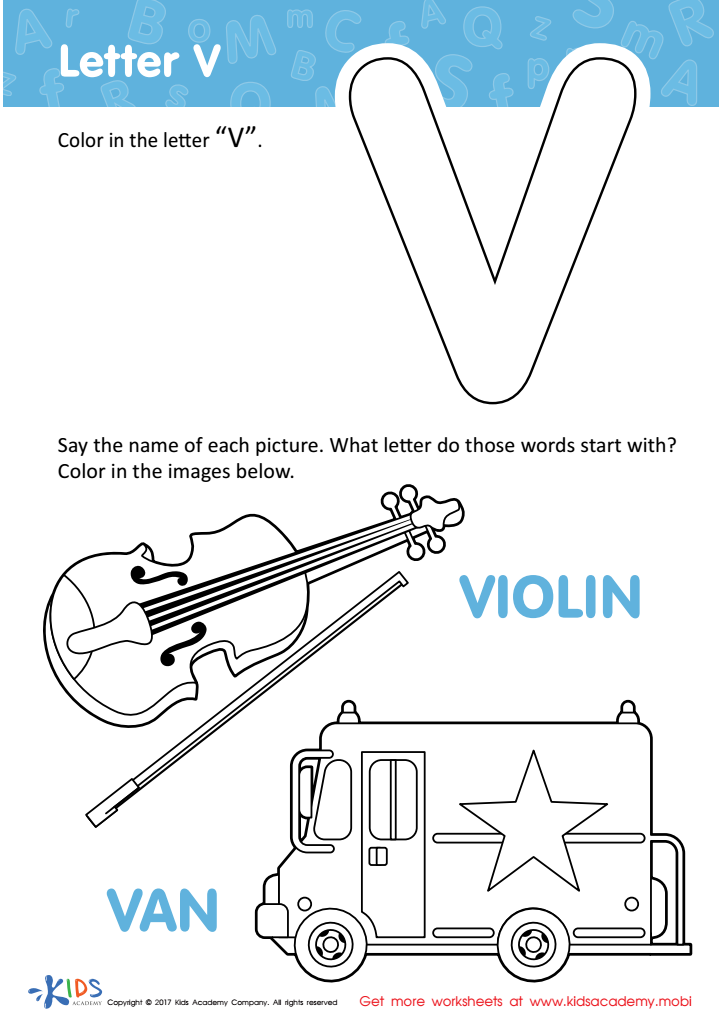
Letter V Coloring Sheet
Assign to My Students
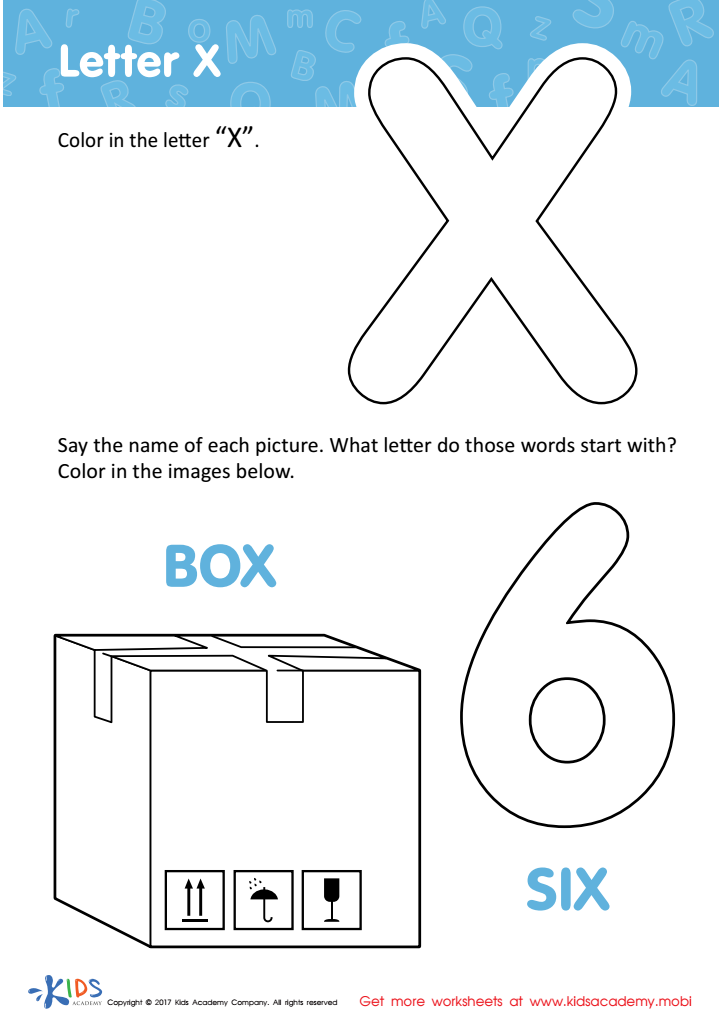
Letter X Coloring Sheet
Assign to My Students








Writing practice, particularly in the context of easy letter recognition, is crucial for children aged 7-9 as it lays the foundation for their literacy skills. At this stage, children are transitioning from basic reading and writing to more complex tasks such as composing sentences and understanding grammar. Mastering letter recognition helps them decode words, which is essential for reading fluency.
Parents and teachers should care about this because effective writing practice enhances children’s overall academic performance and confidence. Engaging in structured writing exercises improves fine motor skills, helping children learn to form letters properly, which contributes to clearer handwriting.
Furthermore, writing practice encourages creativity and self-expression, as children begin to articulate their thoughts and ideas. It fosters critical thinking, problem-solving abilities, and enhances communication skills—all vital for their future educational journeys.
In a digital age, where literacy is of utmost importance, nurturing writing skills and letter recognition can bridge the gap between oral and written communication. Ultimately, supporting this practice in children not only boosts their academic success but equips them with essential life skills. Engaging early in writing practice significantly impacts their future learning experiences and cognitive development.