Observational skills Easy Math Worksheets for Ages 7-9
3 filtered results
-
From - To
Enhance your child's learning experience with our "Observational Skills Easy Math Worksheets" designed for ages 7-9. These engaging worksheets focus on developing crucial observational skills through fun and interactive math activities. Perfect for reinforcing concepts such as identifying patterns, shapes, and numbers, these resources allow young learners to sharpen their attention to detail while boosting their confidence in math. Each worksheet promotes critical thinking and problem-solving in a user-friendly format, making learning enjoyable. Empower your child to succeed in math by fostering foundational skills that will benefit them across subjects. Explore our collection today and watch your child thrive!
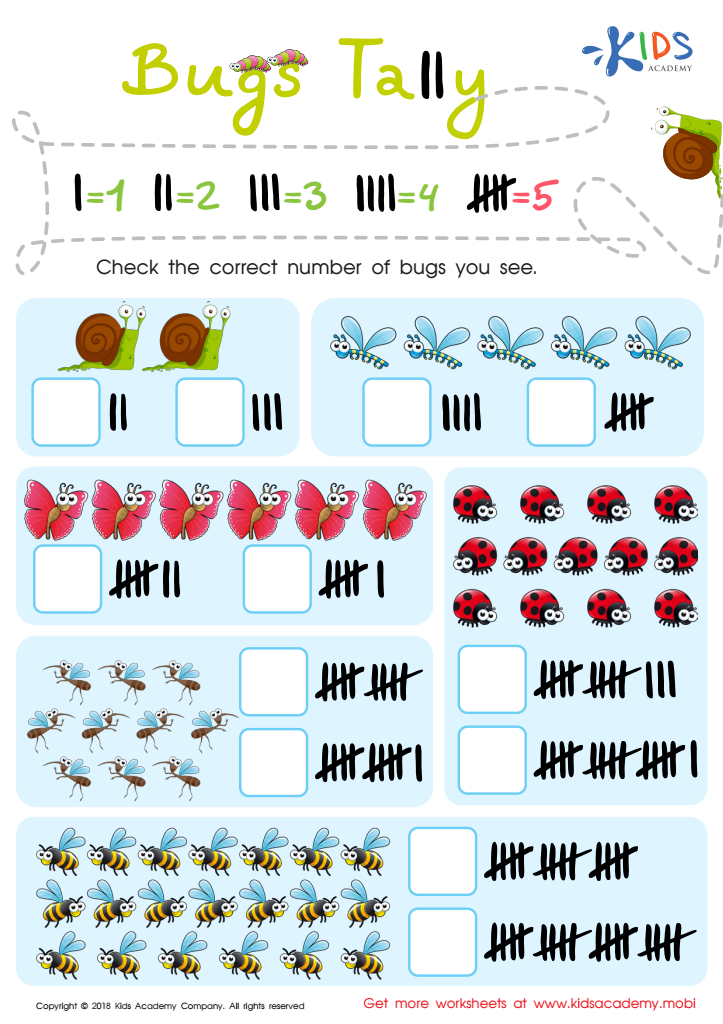
Bugs Tally Worksheet
 Assign to My Students
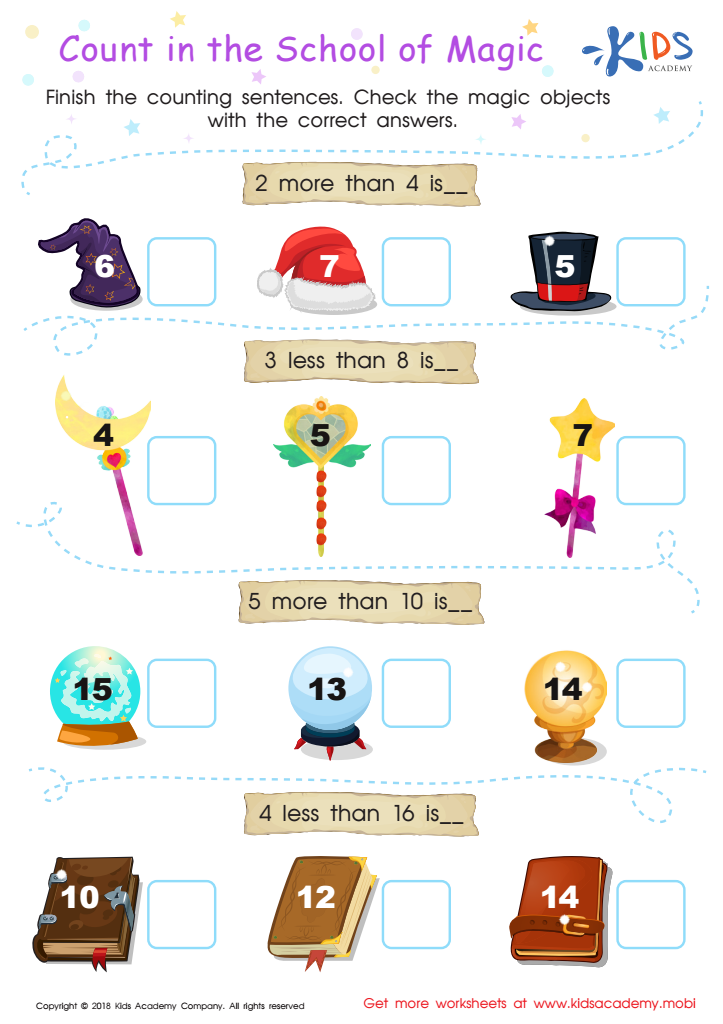
Count in the School of Magic Worksheet
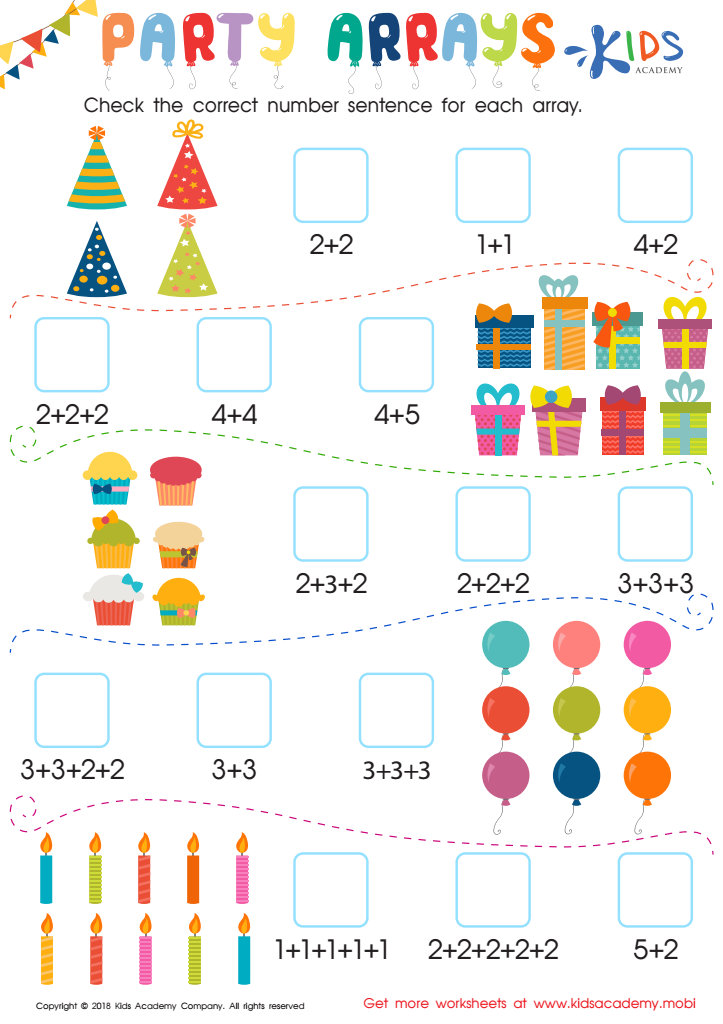
Party Arrays Worksheet





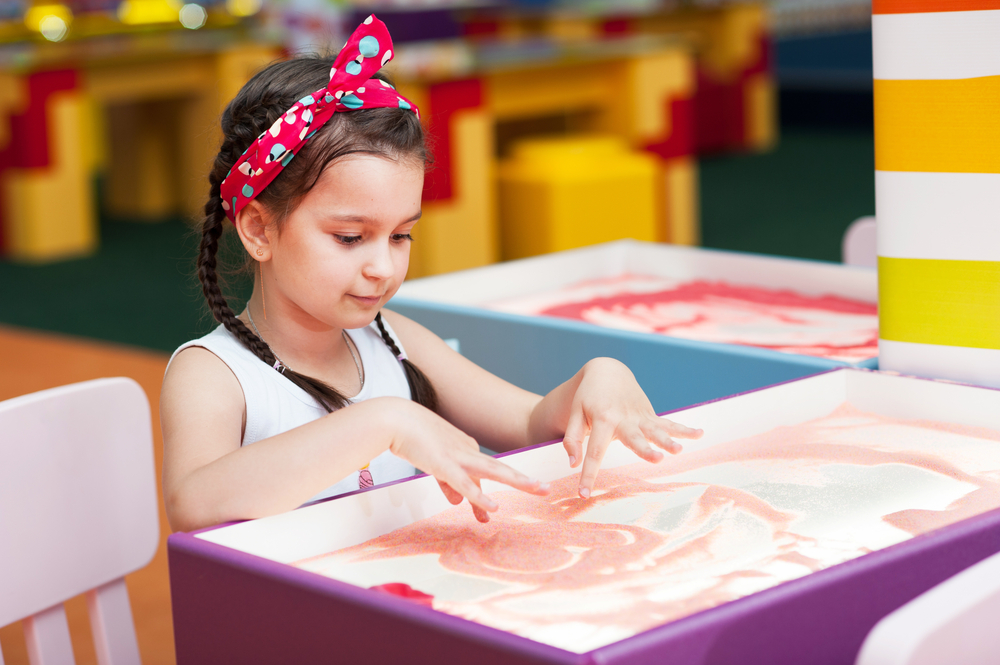

Observational skills are crucial for children aged 7-9 as they serve as the foundation for developing mathematical understanding and problem-solving abilities. At this stage, students begin to tackle more complex mathematical concepts that require them to notice patterns, relationships, and changes in data. By enhancing their observational skills, parents and teachers can help children become more adept at identifying important details and making connections across different areas of math, such as geometry, measurement, and basic algebra.
Furthermore, the use of Easy Math topics engages children actively, allowing them to observe, discuss, and draw conclusions based on their experiences. This hands-on approach not only fosters a deeper comprehension of mathematical concepts but also encourages critical thinking and reasoning. Moreover, these skills are transferable to various learning areas, benefiting children academically in broader contexts.
By nurturing observational skills, parents and teachers can create a supportive learning environment that promotes collaboration and communication. This not only helps students develop confidence in their mathematical abilities but also instills a lifelong love for learning. Ultimately, cultivating strong observational skills prepares children not only for academic success but also for making informed decisions in everyday life.








