Handwriting practice Easy Worksheets for Ages 8-9
4 filtered results
-
From - To
Our "Handwriting Practice Easy Worksheets for Ages 8-9" provide young learners with engaging, effective exercises to refine their penmanship. Specifically designed to target elementary writing skills, these worksheets combine fun activities with essential handwriting practice, perfect for building fluency. Each worksheet includes diverse tasks such as tracing, writing sentences, and creative writing prompts, ensuring that practice never feels monotonous. Tailored for kids aged 8-9, this collection nurtures confidence in writing while also reinforcing grammar and vocabulary concepts. Teachers and parents can seamlessly use these printables at home or in the classroom to support children in mastering beautiful, clear handwriting.
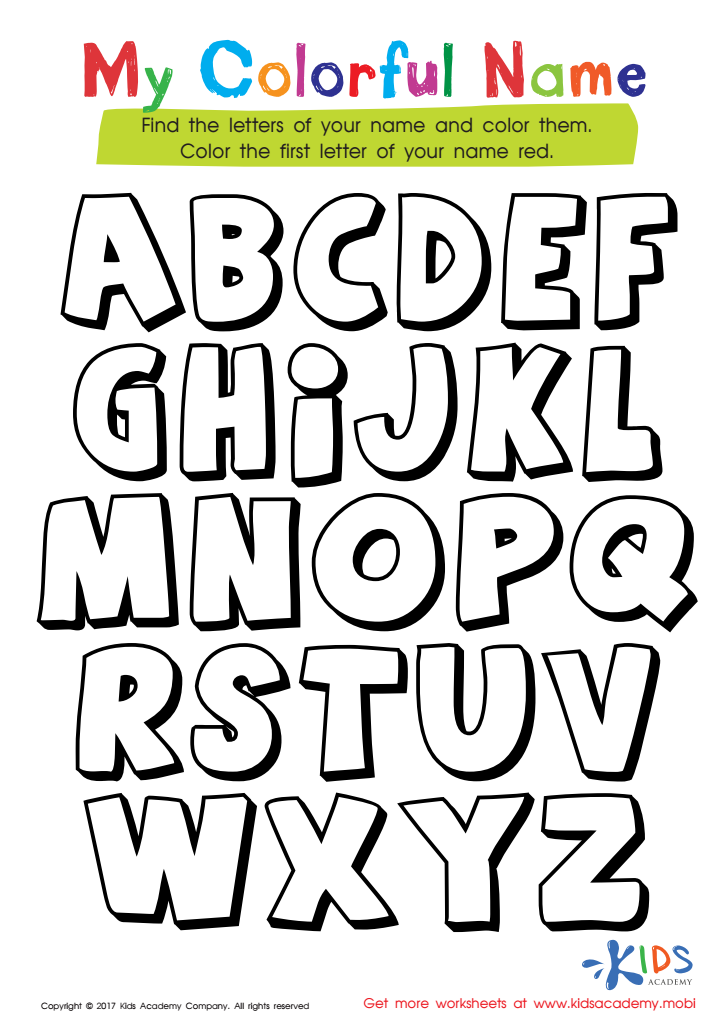
My Colorful Name Worksheet
 Assign to My Students
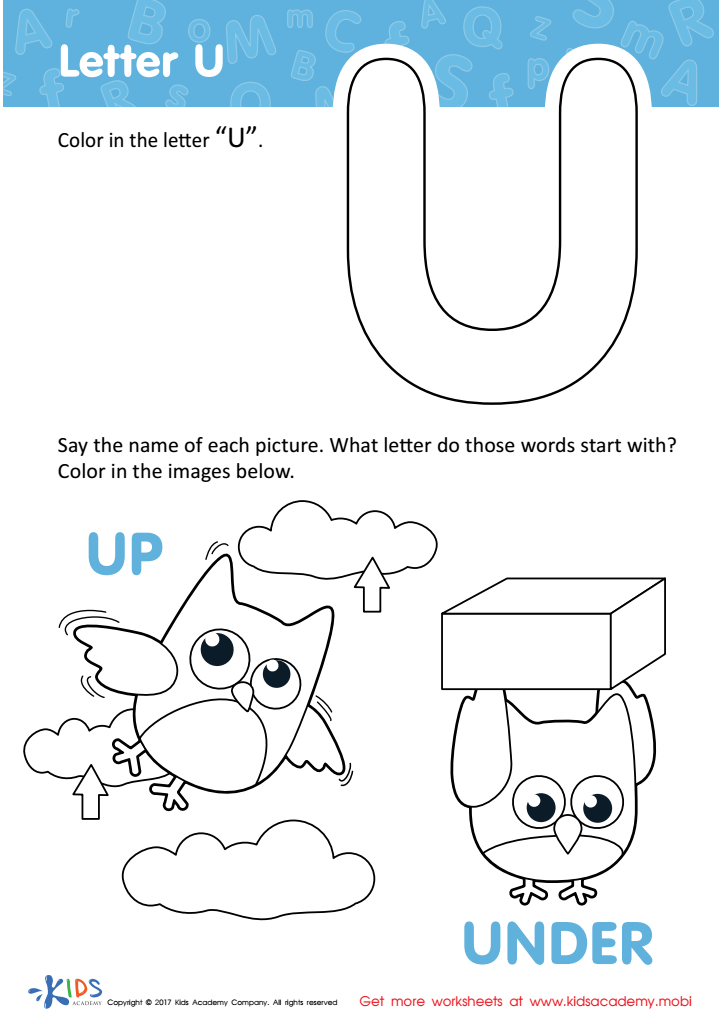
Letter U Coloring Sheet
Assign to My Students
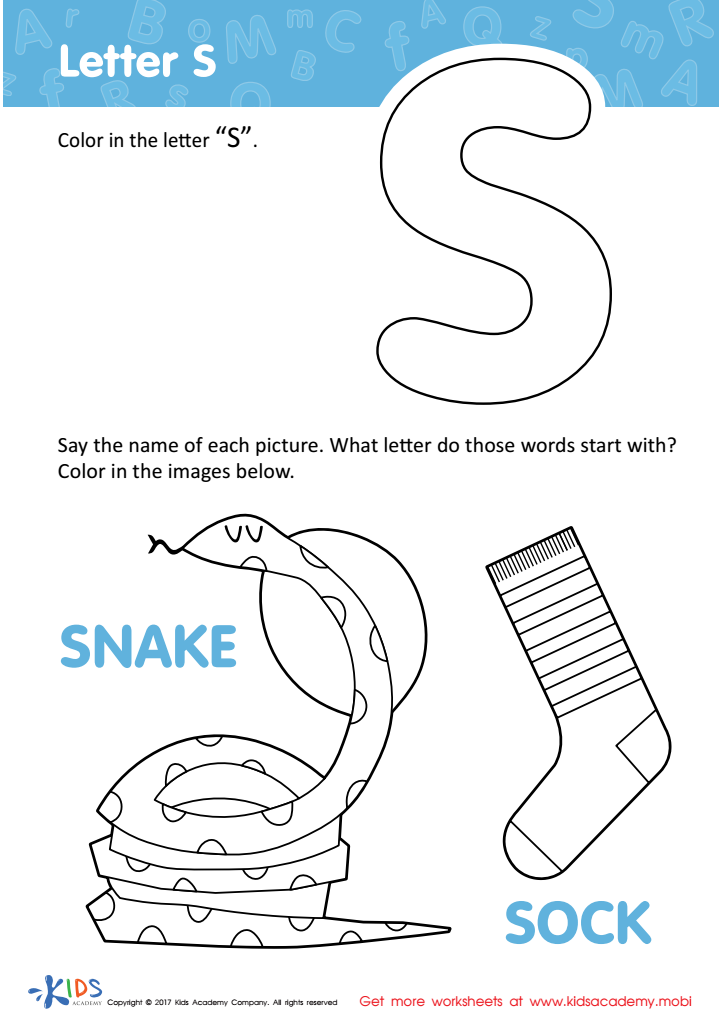
Letter S Coloring Sheet
Assign to My Students
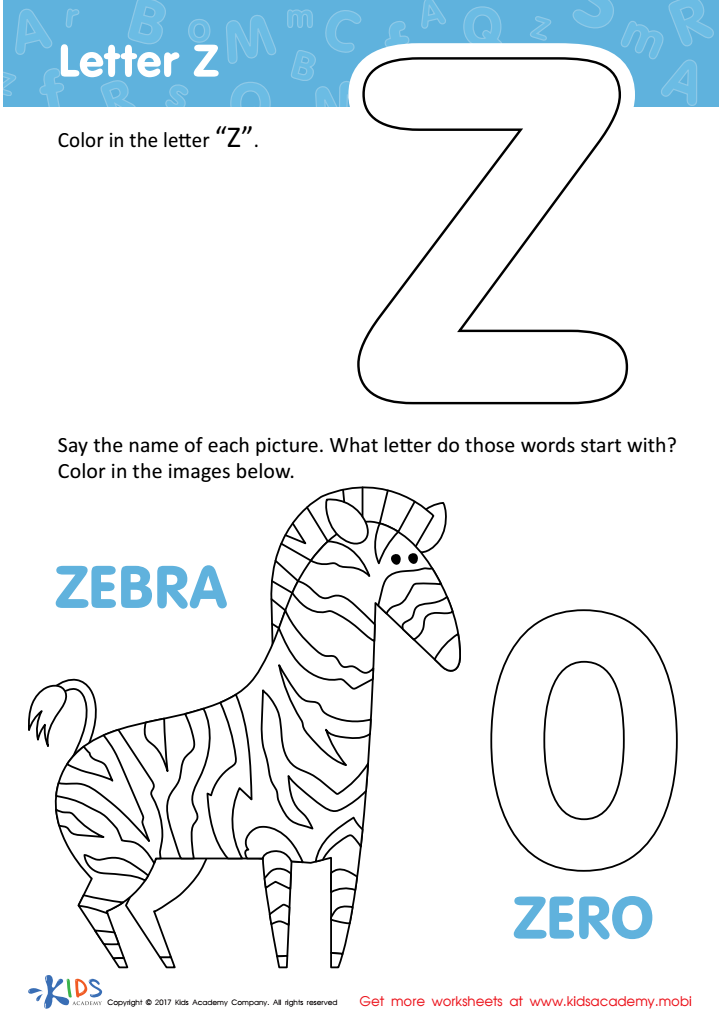
Letter Z Coloring Sheet
Assign to My Students








Handwriting practice for children ages 8-9 is crucial for several key developmental reasons. Firstly, at this age, children have generally acquired fundamental motor skills but need practice to refine their handwriting. Engaging in regular handwriting activities helps improve their fine motor coordination and finger dexterity, which are important for a variety of tasks beyond writing, such as using tools and playing musical instruments.
Additionally, legible handwriting facilitates clear communication; without it, children may struggle to convey their thoughts effectively on paper. This clarity is vital not only for academic tasks but also for self-expression and confidence. Problems with handwriting can lead to frustrations and reduced academic performance, even if the child’s oral communication and understanding are strong.
Furthermore, handwriting practice reinforces literacy and cognitive skills. Learning the shape and form of letters enhances letter recognition, spelling, and reading abilities. By transcribing words and sentences, children also enhance their memory recall and language comprehension.
Mapugn frequent practice builds enjoyment and positive attitudes towards writing, creating a foundational skill they will use throughout their academic and personal lives. Parents and teachers should prioritize easy, consistent handwriting exercises, adapting approaches to keep practice sessions engaging and stress-free. Investing time in handwriting practice at this stage paves the way for long-term educational success and personal development.








