Sequencing Skills Easy Worksheets for Ages 8-9
3 filtered results
-
From - To
Enhance your child's understanding of sequencing with our engaging worksheets designed specifically for ages 8-9. These easy-to-follow exercises promote critical thinking and comprehension skills as children practice arranging events, stories, and instructions in the correct order. Our worksheets are designed to be fun and interactive, allowing kids to explore sequencing through vivid illustrations and relatable examples. By mastering sequencing skills, your child will improve their literacy and problem-solving abilities. Perfect for home or classroom use, our worksheets serve as an essential tool for reinforcing these fundamental concepts, ensuring a solid foundation for future learning. Printable and accessible, start today!
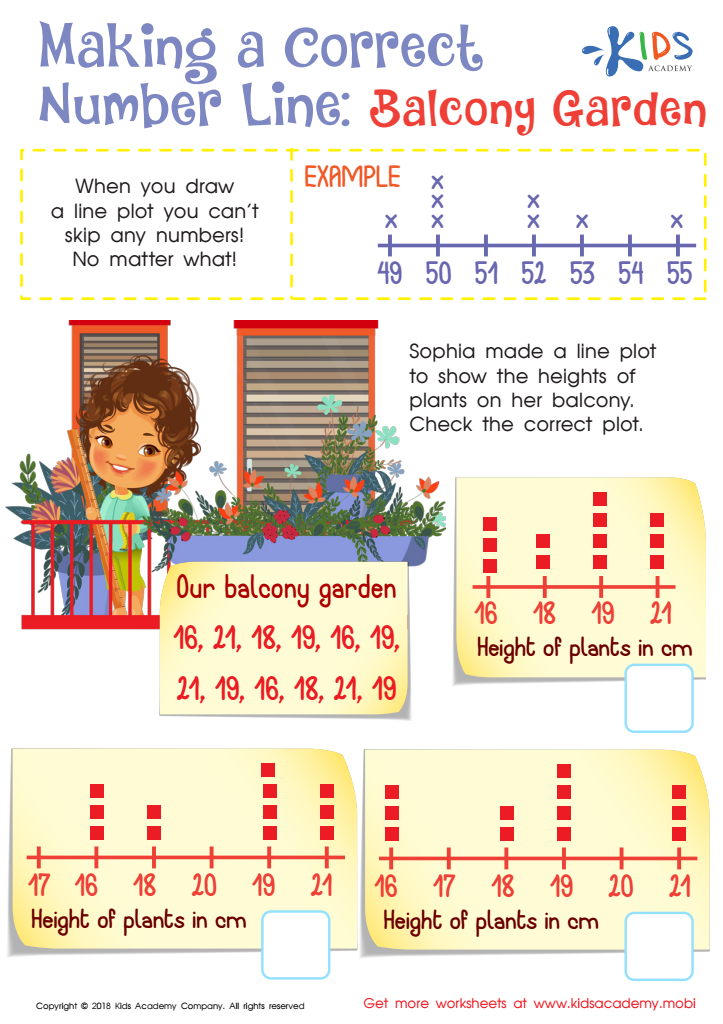
Making a Correct Number Line: Balcony Garden Worksheet
 Assign to My Students
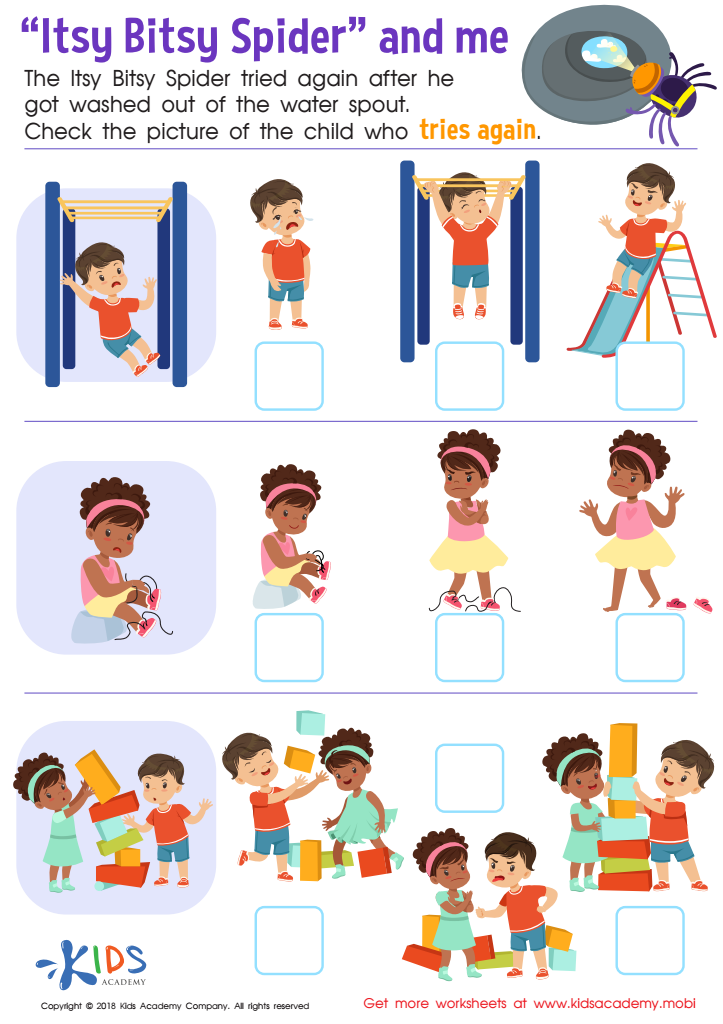
Itsy Bitsy Spider and Me Worksheet
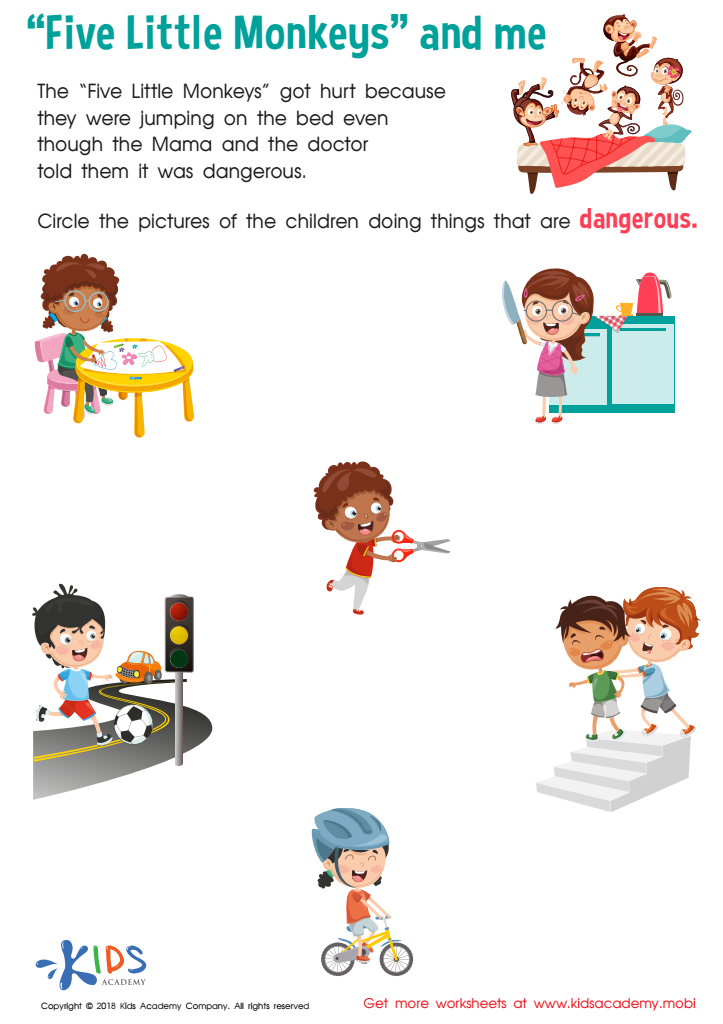
Five Little Monkeys and Me Worksheet




.jpg)


Sequencing skills are foundational to a child's learning and cognitive development, particularly for children aged 8-9. At this stage, they begin to grapple with more complex concepts in subjects like reading, math, and science, where the order of events or steps is crucial to understanding. Parents and teachers should care about sequencing skills because they foster critical thinking and problem-solving abilities.
When children learn to sequence events in stories, for instance, they enhance their comprehension skills, allowing them to better recall information and make connections between ideas. In math, an orderly approach to solving problems is essential; children must follow steps to reach a solution. Furthermore, sequencing aids in organizational skills across various tasks, helping children manage time and responsibilities more efficiently.
Promoting sequencing skills also has emotional benefits, as children gain confidence when they can effectively plan and execute tasks. Engaging children in activities like storytelling, completing puzzles, or diagramming story events builds these skills in a fun and interactive way. By prioritizing sequencing skills during this key developmental phase, parents and teachers provide children not only with essential academic pathways but also with valuable life skills they will take into adulthood.








