Vocabulary development Easy Worksheets for Ages 8-9
3 filtered results
-
From - To
Enhance your child's vocabulary with our engaging and easy worksheets designed specifically for ages 8-9! Our collection features a variety of fun exercises that promote word recognition, comprehension, and usage in sentences. Each worksheet targets essential vocabulary skills, helping to strengthen your child's language abilities in an enjoyable way. Whether it's matching words to meanings, filling in the blanks, or exploring synonyms and antonyms, our resources make learning exciting. Perfect for home or classroom use, these worksheets encourage independent learning while providing the foundation for effective communication. Explore our vocabulary development worksheets now, and watch your child's confidence soar!
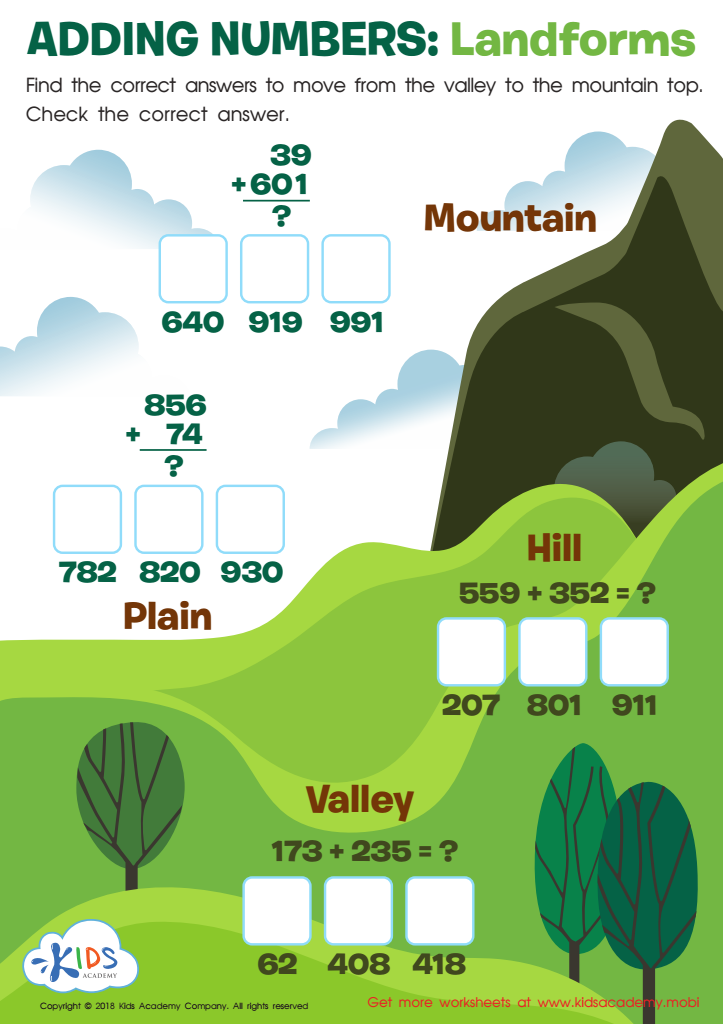
Adding Numbers: Landforms Worksheet
 Assign to My Students
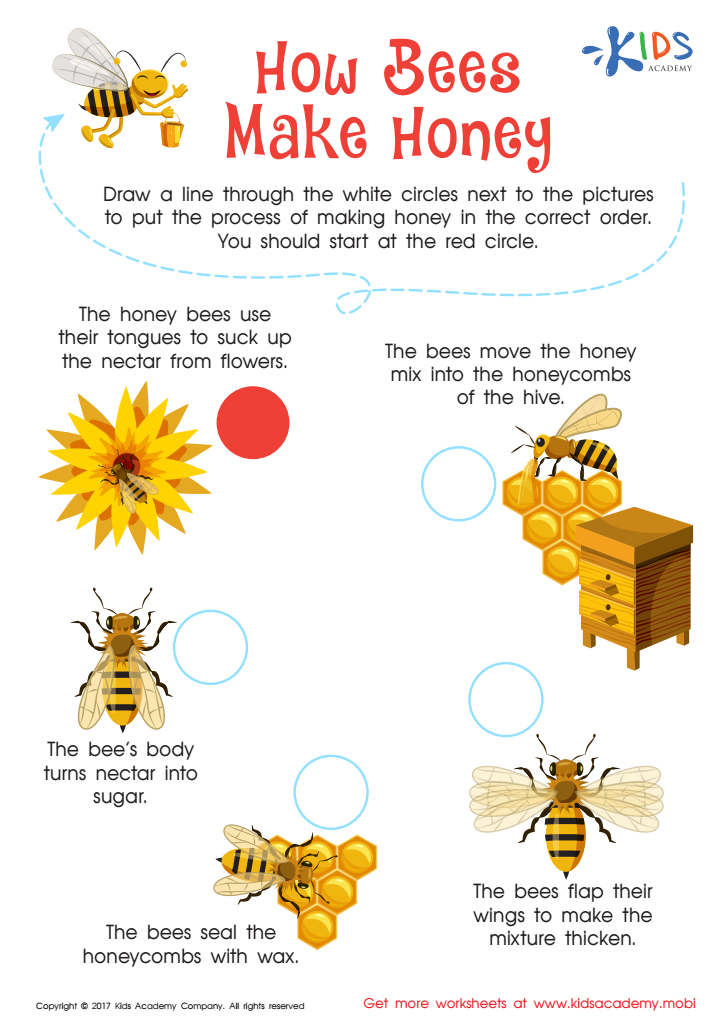
Honey Bee Worksheet









Vocabulary development is crucial for children aged 8-9 because it directly impacts their reading, writing, and overall communication skills. At this age, kids are beginning to read more complex texts and express their thoughts in writing, and a strong vocabulary helps them understand and enjoy what they read.
When children have a rich vocabulary, they can better comprehend stories, instructions, and other important information. It also boosts their confidence in speaking and writing, allowing them to share ideas clearly and creatively. For instance, using the right words helps them describe their feelings or thoughts more accurately, making conversations more meaningful.
Moreover, a strong vocabulary sets the foundation for academic success. Children with a developed vocabulary perform better on tests and in school because they understand concepts more deeply and can articulate their answers effectively. This support from parents and teachers can stimulate a child's love for learning and exploration.
Encouraging vocabulary growth also promotes critical thinking skills. When children learn new words, they learn to think about their meanings and how they connect to other ideas. Involved parents and teachers are essential in fostering an environment where vocabulary development can flourish, setting kids up for a bright future.








