Shape Recognition Easy Fractions of Shapes Worksheets for Ages 8-9
4 filtered results
-
From - To
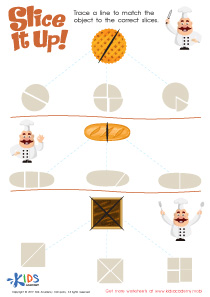
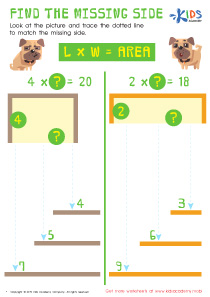
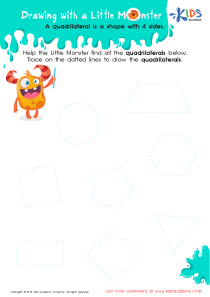
Discover our "Shape Recognition Easy Fractions of Shapes Worksheets," designed for children ages 8-9! These engaging worksheets provide a fun and interactive way for young learners to explore the concept of fractions through shape recognition. Students will enhance their understanding of fractions while identifying different shapes and their portions. Each activity promotes critical thinking and reinforces math skills, making learning enjoyable and effective. Whether at home or in the classroom, our worksheets are perfect for supporting children as they develop their math knowledge. Encourage your child's confidence in fractions and shapes today—explore our extensive collection of worksheets!
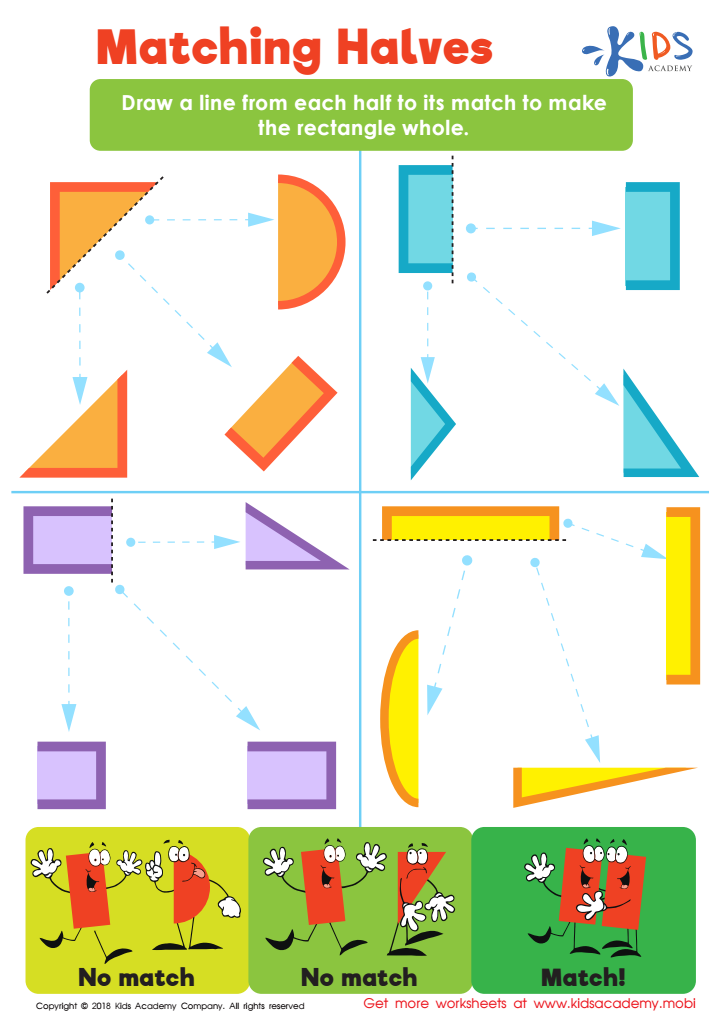
Matching Halves Worksheet
 Assign to My Students
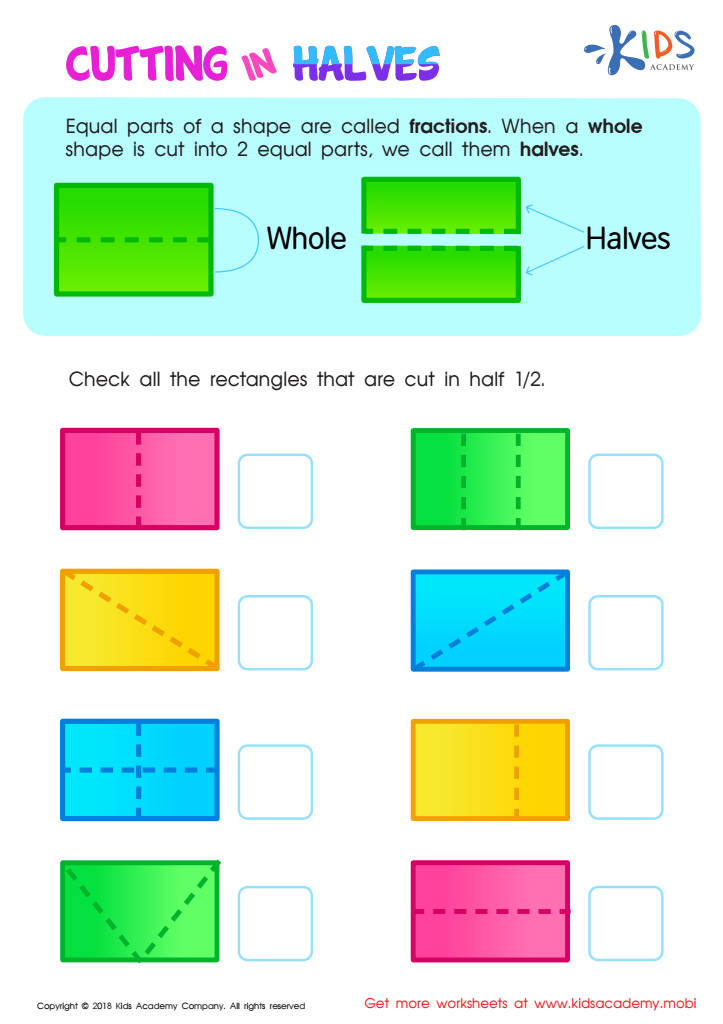
Cutting in Halves Worksheet
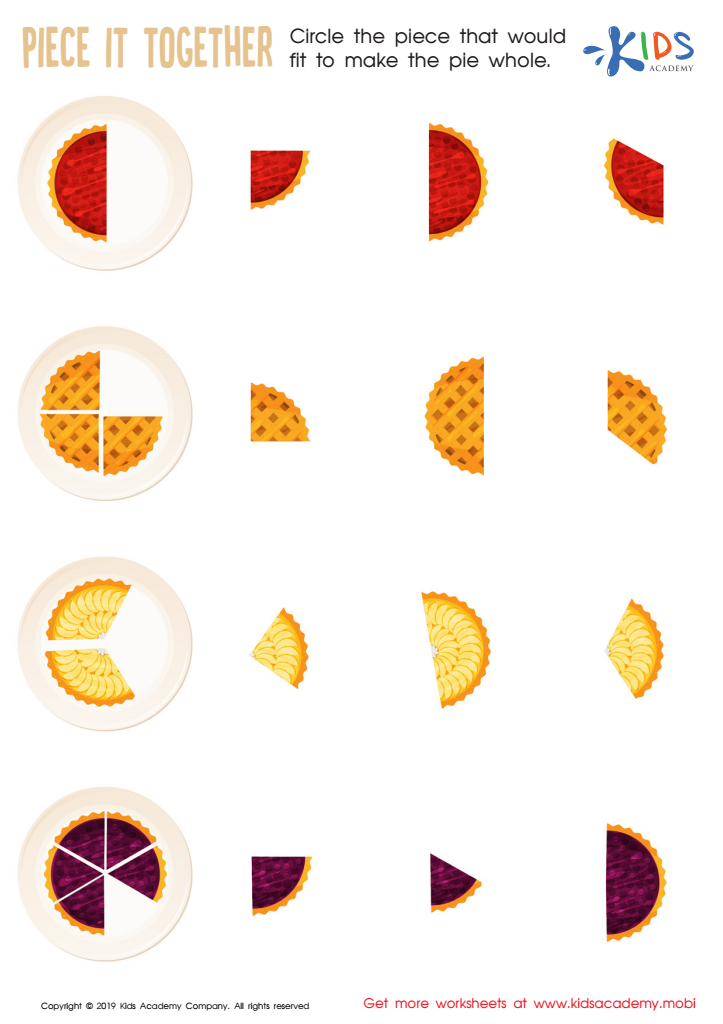
Piece it together Worksheet
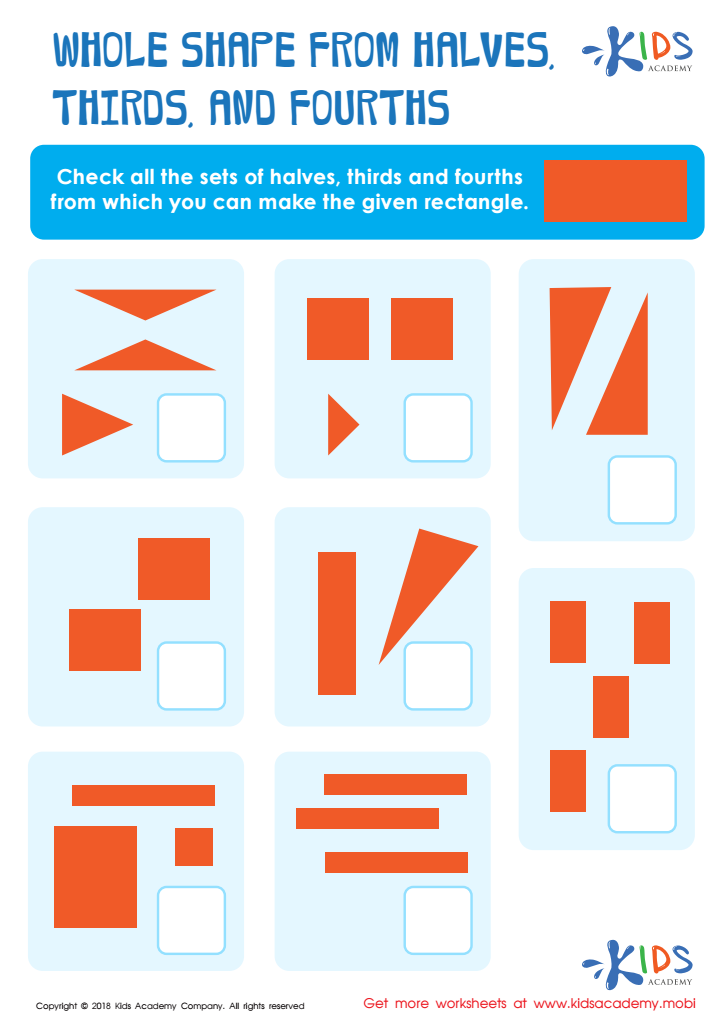
Whole Shape from Halves, Thirds and Fourths Worksheet








Shape recognition and easy fractions of shapes are fundamental concepts for children ages 8-9, serving as building blocks for broader mathematical understanding and spatial reasoning. At this age, children begin to encounter more complex problem-solving scenarios that require a solid grasp of these concepts. Shape recognition helps children differentiate between various geometric figures and understand their properties, fostering visual literacy that extends beyond mathematics into art and science.
Learning about fractions of shapes introduces basic concepts of division and ratios, crucial for developing a strong mathematical foundation. Understanding that a shape can be divided into equal parts aids children in relating fractions to everyday situations, such as sharing a pizza or dividing a cake, making math more relatable and engaging.
For parents and teachers, emphasizing these skills promotes critical thinking and prepares students for more advanced topics in geometry and arithmetic. Additionally, these concepts encourage collaborative and hands-on learning experiences that can enhance classroom dynamics and home discussions. When children are confident in recognizing shapes and understanding fractions, they build a positive attitude towards mathematics that will benefit them throughout their education and daily lives. Therefore, investing time in these various skills is essential for their cognitive and social development.