Understanding patterns Easy Math Worksheets for Ages 8-9
5 filtered results
-
From - To
Unlock your child's potential with our "Understanding Patterns: Easy Math Worksheets for Ages 8 - 9." Designed to spark curiosity and enhance problem-solving skills, these worksheets provide engaging activities that make learning fun. By mastering patterns, kids will improve their logical thinking, mathematical reasoning, and cognitive abilities. Perfect for classroom supplements or at-home practice, our easy-to-follow worksheets offer colorful exercises that capture young minds and make pattern recognition a breeze. Help your 8 to 9-year-old build a strong math foundation with Kids Academy’s expertly crafted content. Accessible, enjoyable, and educational—ignite a love for learning today!
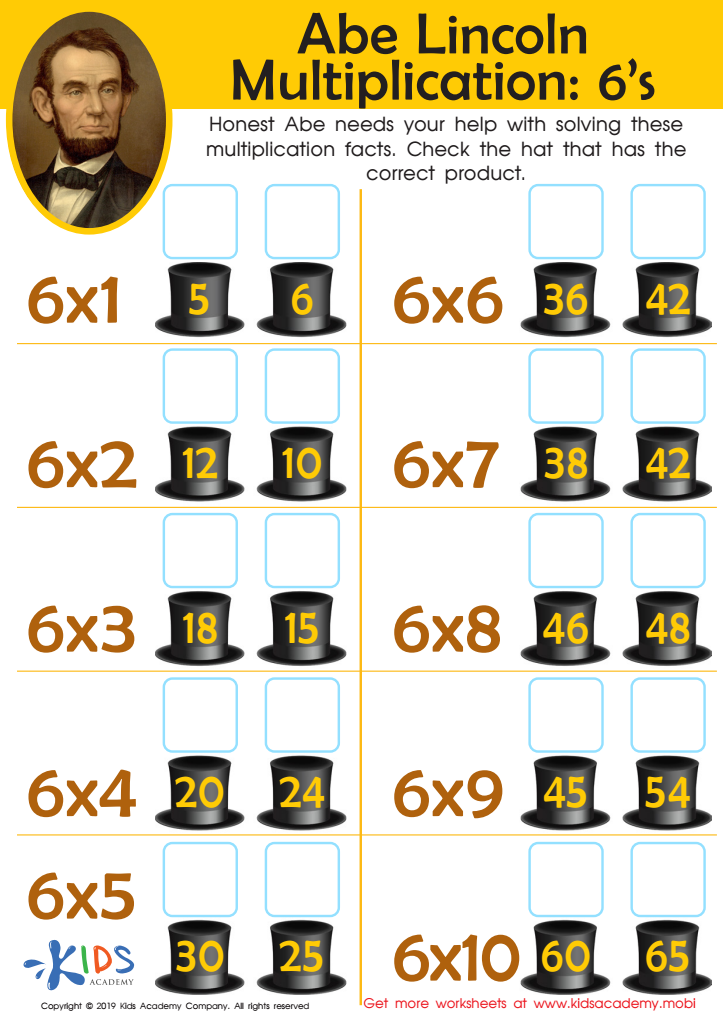
Abe Lincoln Multiplication: 6’s Worksheet
 Assign to My Students
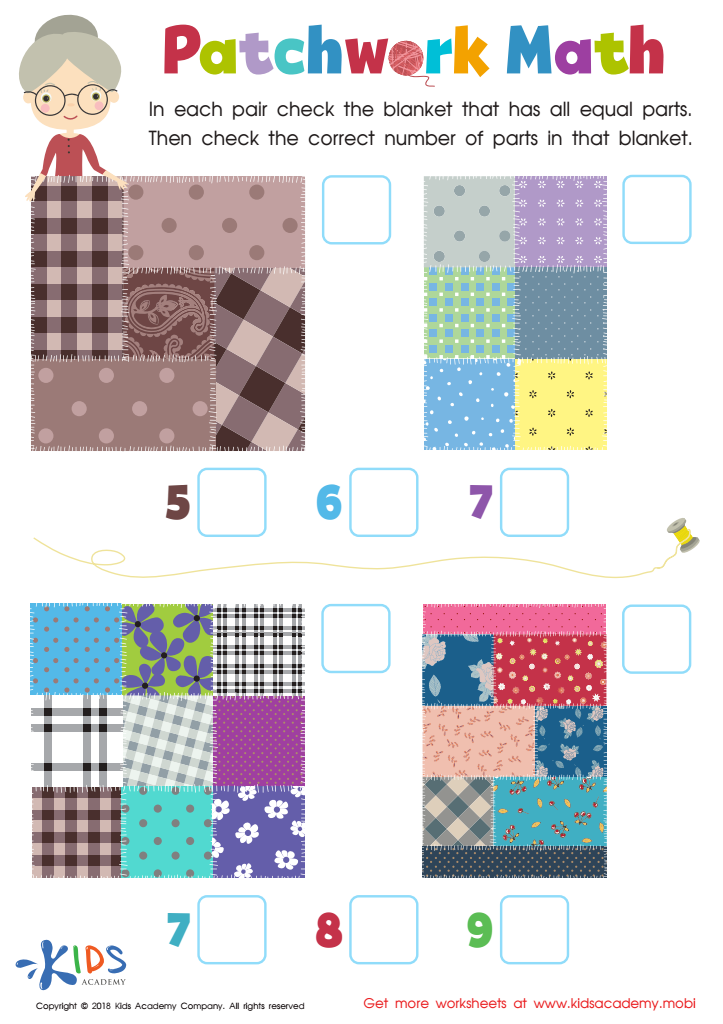
Patchwork Math Worksheet
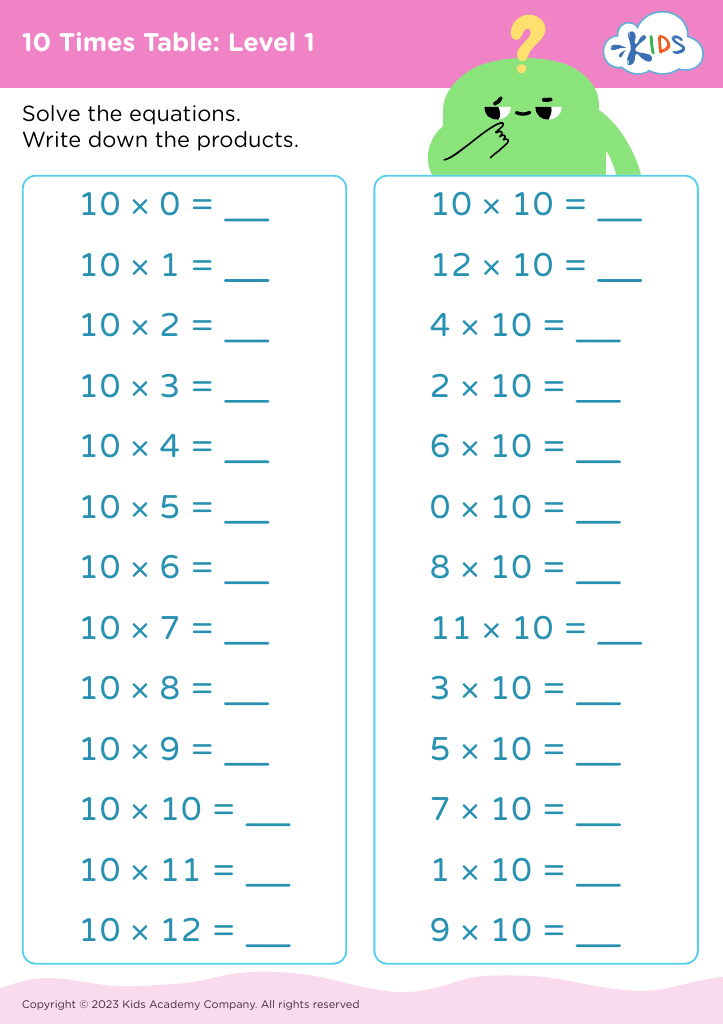
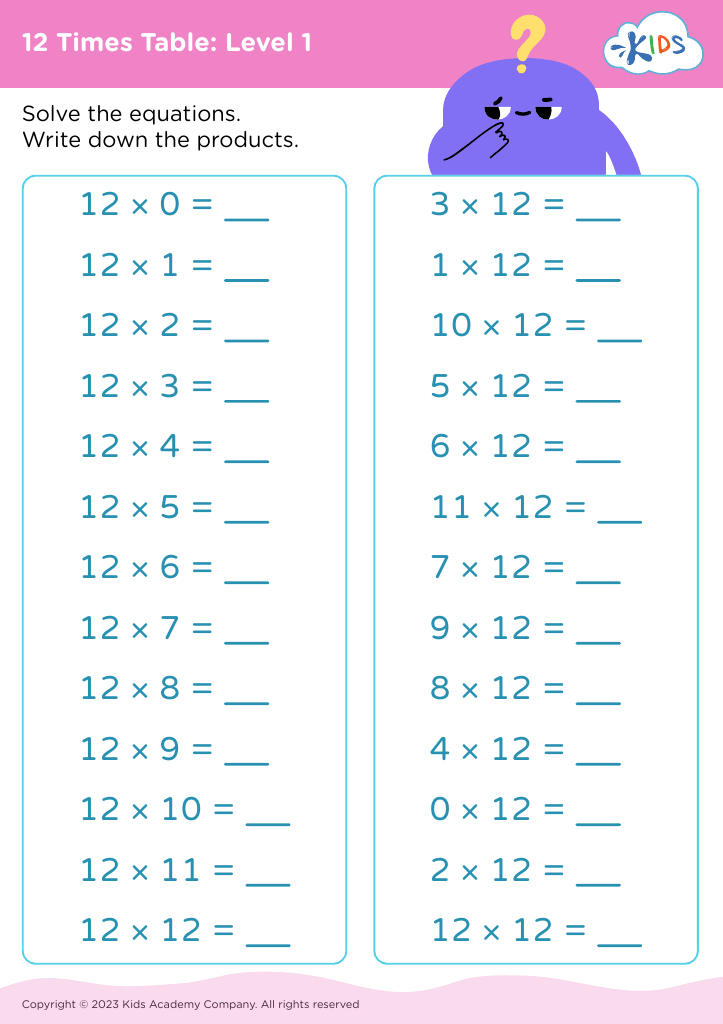
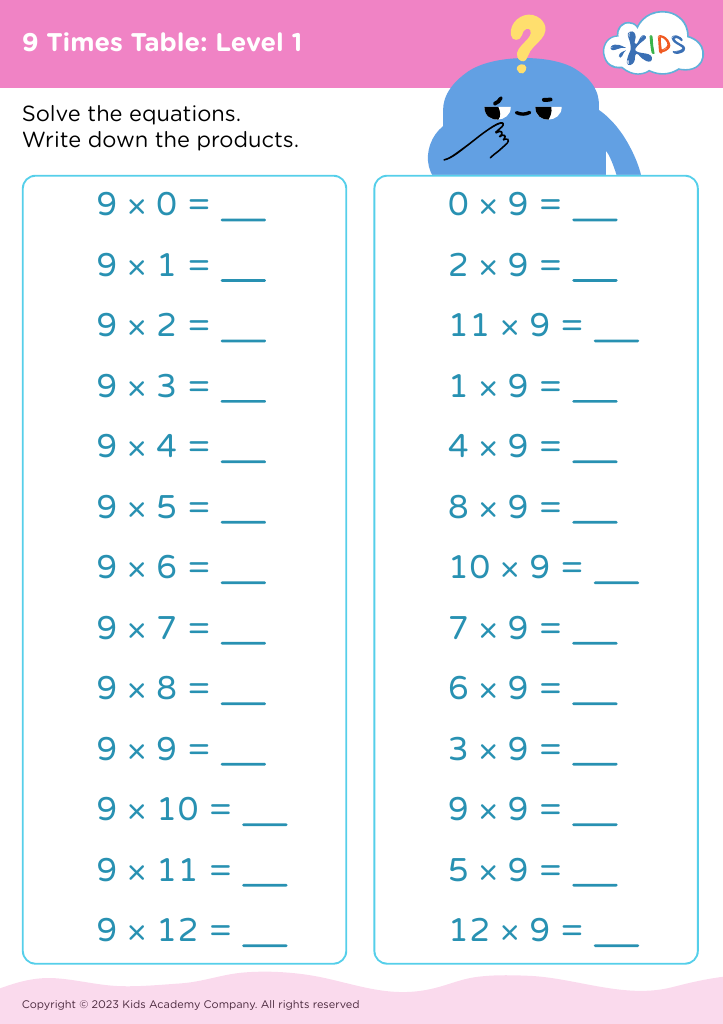








Understanding patterns in math is crucial for children aged 8-9, as it lays the foundation for higher-order thinking and problem-solving skills. Patterns help young learners recognize relationships and make predictions, which are essential for comprehending more complex mathematical concepts later on, such as algebra and geometry. By identifying patterns, children improve their ability to think logically and systematically.
Recognizing patterns also supports the development of number sense. When children see how numbers or shapes follow specific rules, they become more comfortable with operations like addition, multiplication, and division. This confidence translates into better performance in math overall.
Moreover, the ability to identify and create patterns extends beyond mathematics. Patterns appear in language, science, and even daily routines, helping children understand and organize their world. For example, noticing patterns in words can aid in reading skills, and recognizing sequences in nature fosters scientific thinking.
Parents and teachers should prioritize pattern-related activities in early education because these skills empower children to approach diverse challenges with a critical and analytical mindset. Simple exercises like sequencing games, rhythm patterns in music, or pattern blocks bolster this essential cognitive skill, providing a strong academic base and a lifelong love of learning.








