Alphabet Recognition Easy Alphabet Worksheets for 8-Year-Olds
6 filtered results
-
From - To
Boost your child's alphabet skills with our "Alphabet Recognition Easy Alphabet Worksheets for 8-Year-Olds"! Perfectly tailored for young learners, these worksheets offer engaging activities to solidify letter identification and foster a love for reading. Each page is thoughtfully designed to combine fun and educational challenges, making learning the alphabet a joyful experience. Whether at home or in the classroom, these printables offer the perfect blend of creativity and practice. Empower your child to master the alphabet effortlessly and lay a strong literacy foundation with our interactive and captivating worksheets. Explore now and see the difference in your child's learning journey!
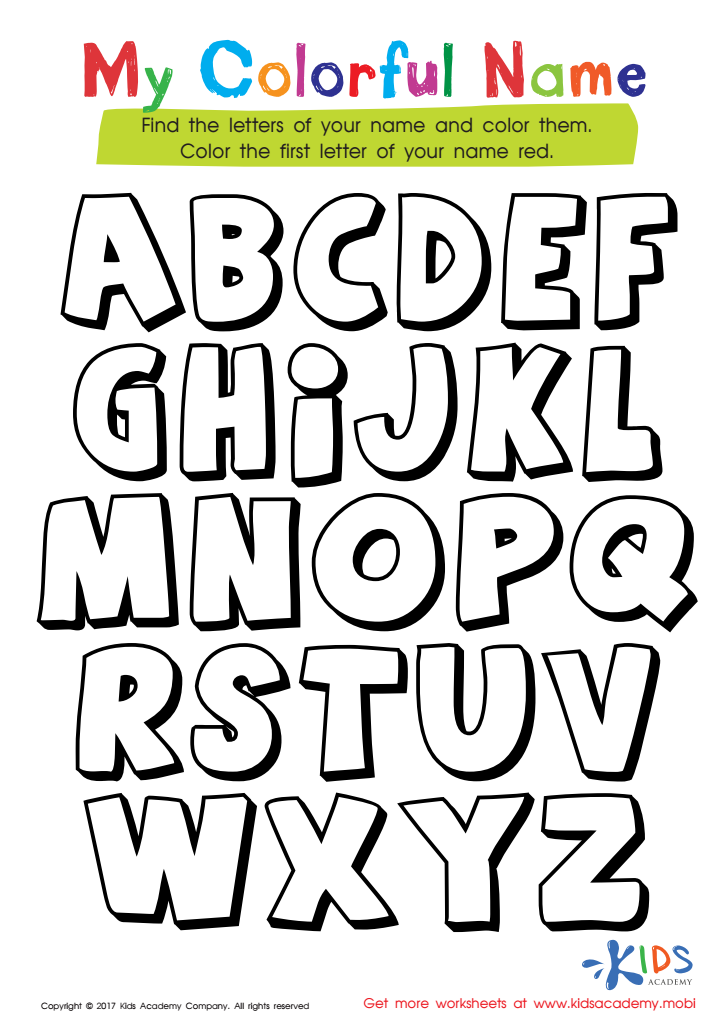
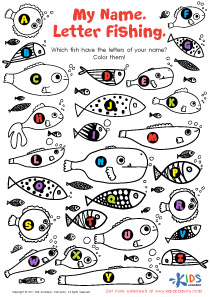
My Colorful Name Worksheet
 Assign to My Students
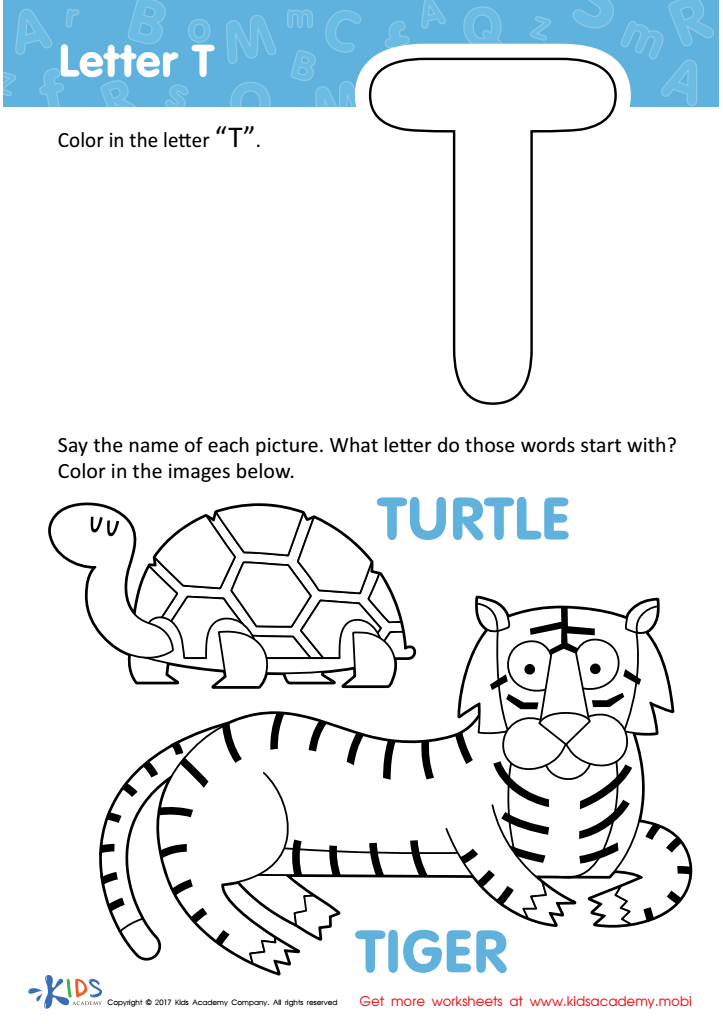
Letter T Coloring Sheet
Assign to My Students
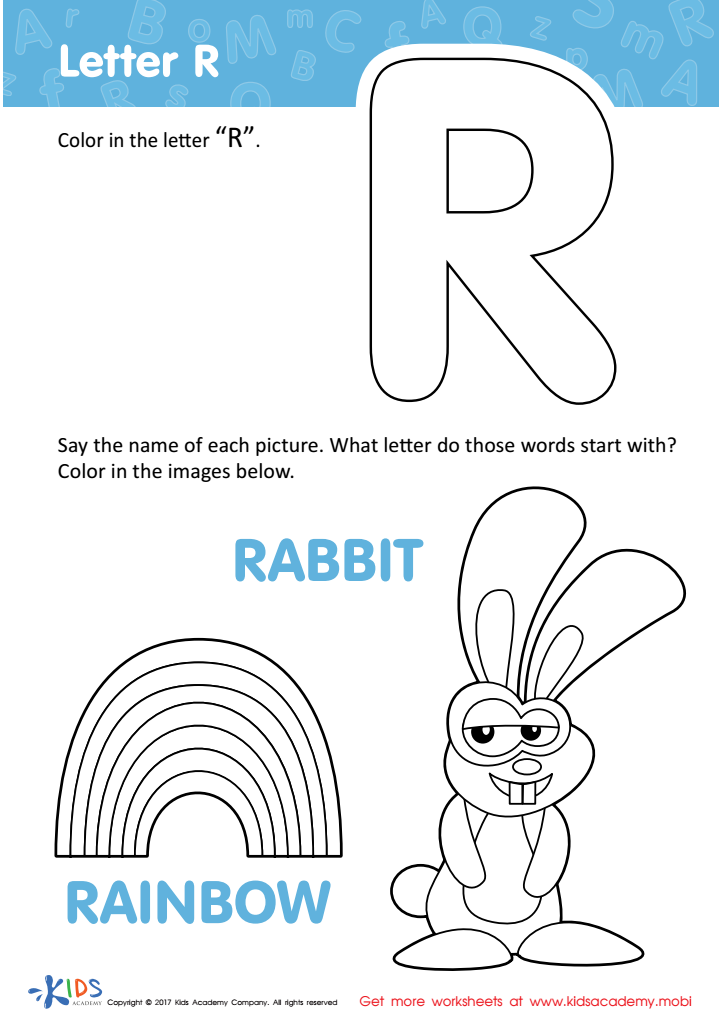
Letter R Coloring Sheet
Assign to My Students
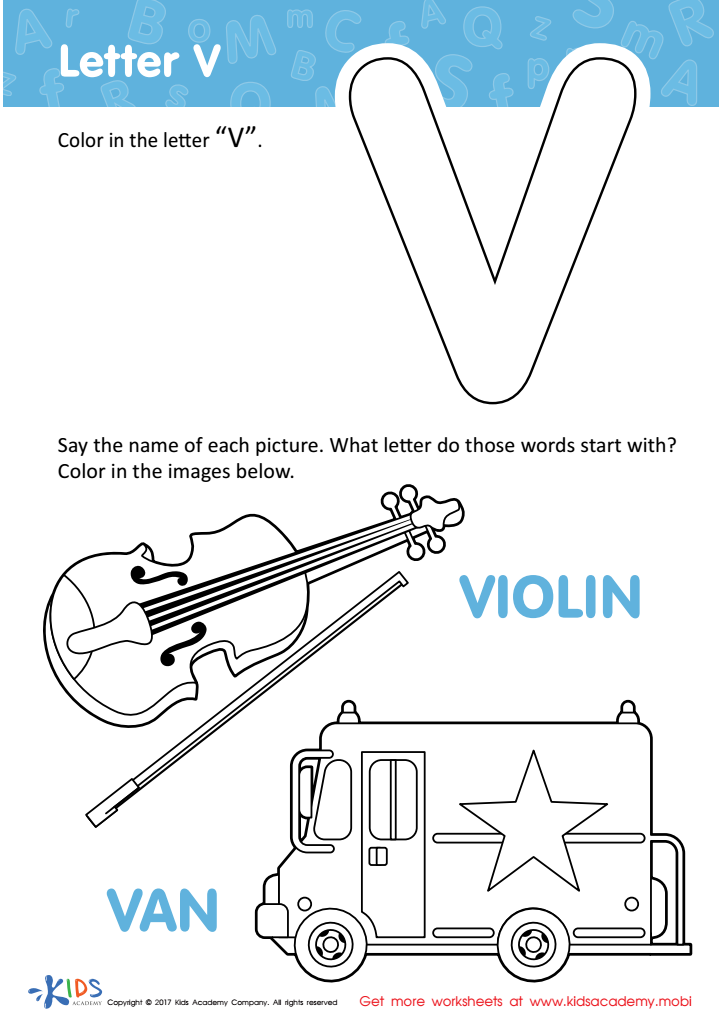
Letter V Coloring Sheet
Assign to My Students
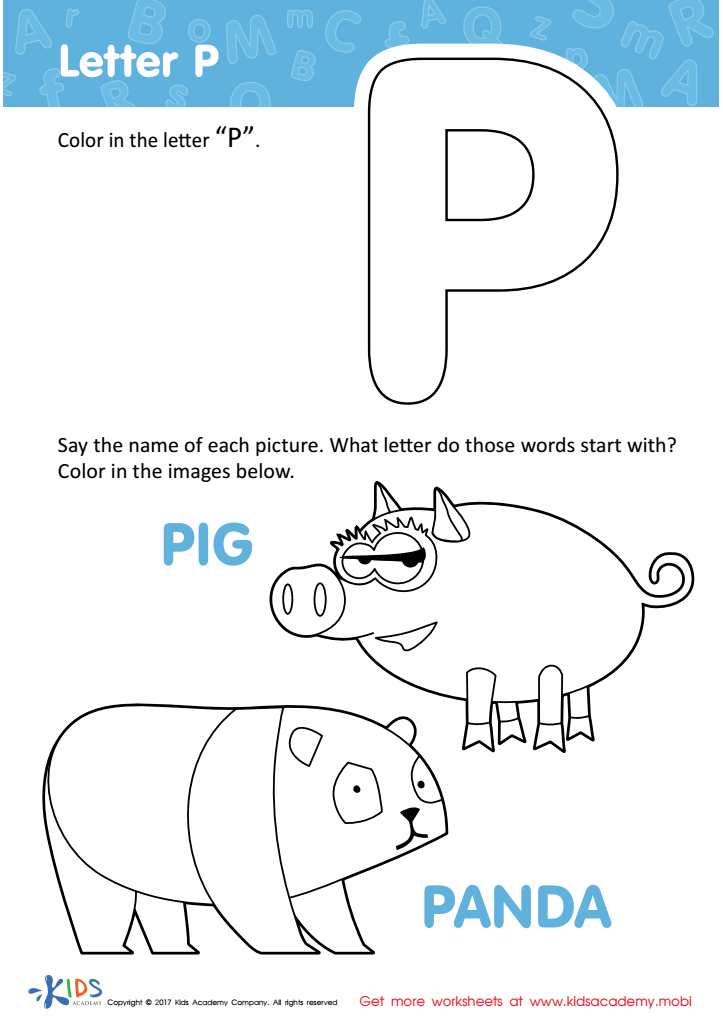
Letter P Coloring Sheet
Assign to My Students
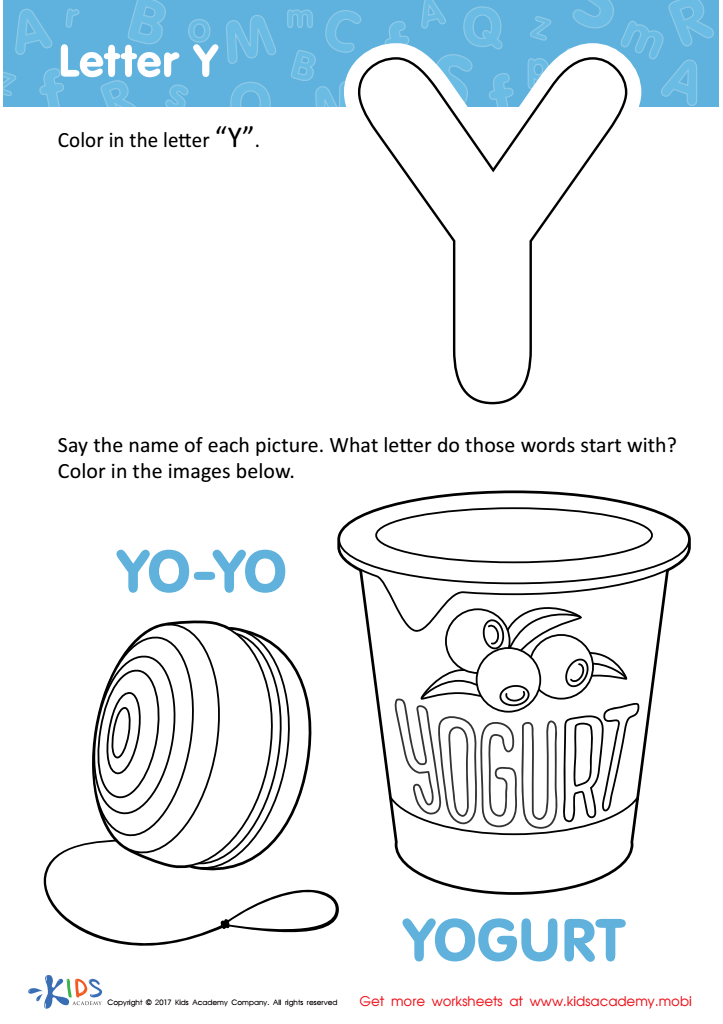
Letter Y Coloring Sheet
Assign to My Students








Alphabet Recognition is fundamental for early reading skills, especially in 8-year-olds, who are transitioning from “learning to read” to “reading to learn.” At this age, most children should already know their alphabet, but ensuring they have strong, automatic recognition of both uppercase and lowercase letters solidifies their reading foundation. This automaticity is crucial; it allows children to focus on comprehending texts rather than decoding individual letters or words. When kids can effortlessly identify letters, they unlock fluent reading, which improves their ability to understand and enjoy what they read.
Teachers and parents should care about Alphabet Recognition Easy Alphabet for 8-year-olds because it supports the development of other essential literacy skills such as phonics, vocabulary, and reading comprehension. Strong alphabet recognition can lead to more significant academic confidence and a positive attitude towards learning. Additionally, many children at this age are mastering the basics of writing, and solid letter recognition aids in developing clear and consistent handwriting. Last but not least, establishing these foundational skills can aid in early detection of learning differences, enabling timely, targeted intervention. Overall, securing these skills ensures children are equipped for more complex literacy challenges, promoting long-term academic success and a lifelong love of reading.