Counting skills Easy Measurement Worksheets for 8-Year-Olds
5 filtered results
-
From - To
Discover engaging Counting Skills Easy Measurement Worksheets designed specifically for 8-year-olds! These printable worksheets provide a fun and interactive way for children to enhance their counting abilities while learning measurement concepts. Activities include counting objects, comparing lengths, and exploring patterns, ensuring a comprehensive understanding of measurement in real-world contexts. Our worksheets incorporate colorful visuals and intriguing problems that motivate young learners, making math enjoyable and accessible. Whether in the classroom or at home, these resources are perfect for reinforcing counting skills and measurement knowledge. Help your child build a strong mathematical foundation with our thoughtfully crafted worksheets today!
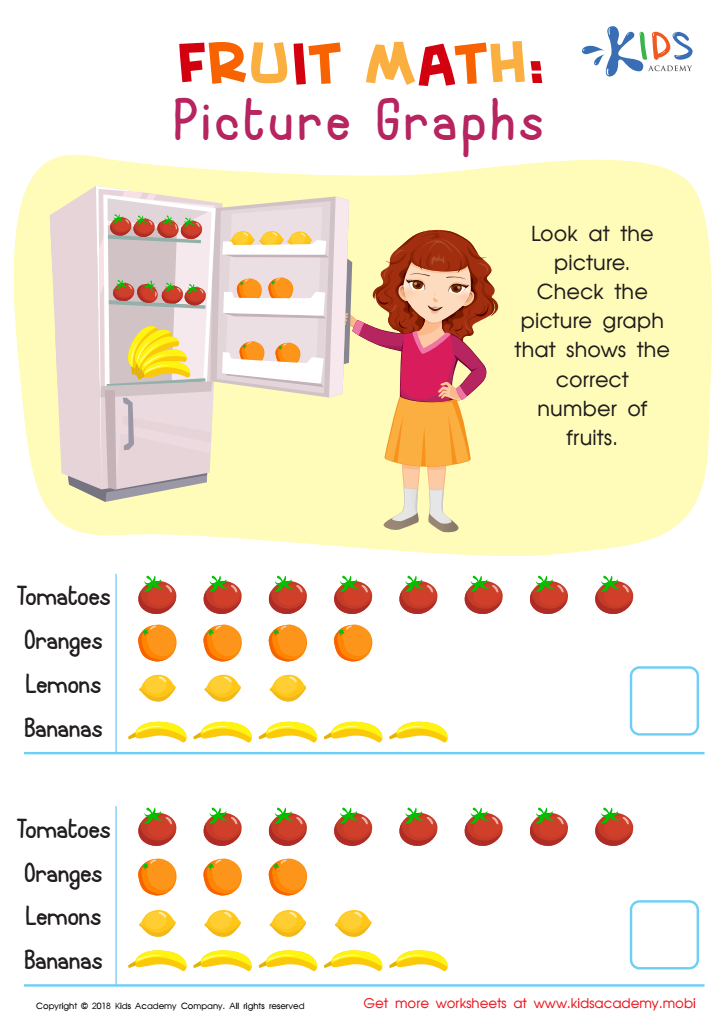
Fruit Math: Picture Graphs Worksheet
 Assign to My Students
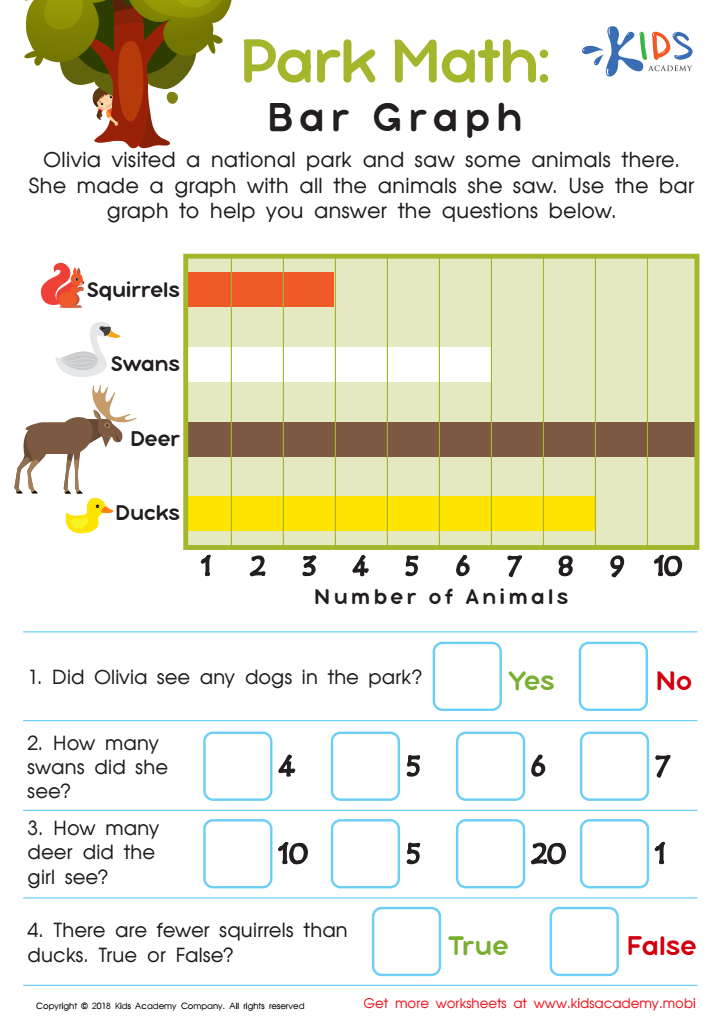
Park Math: Bar Graph Worksheet
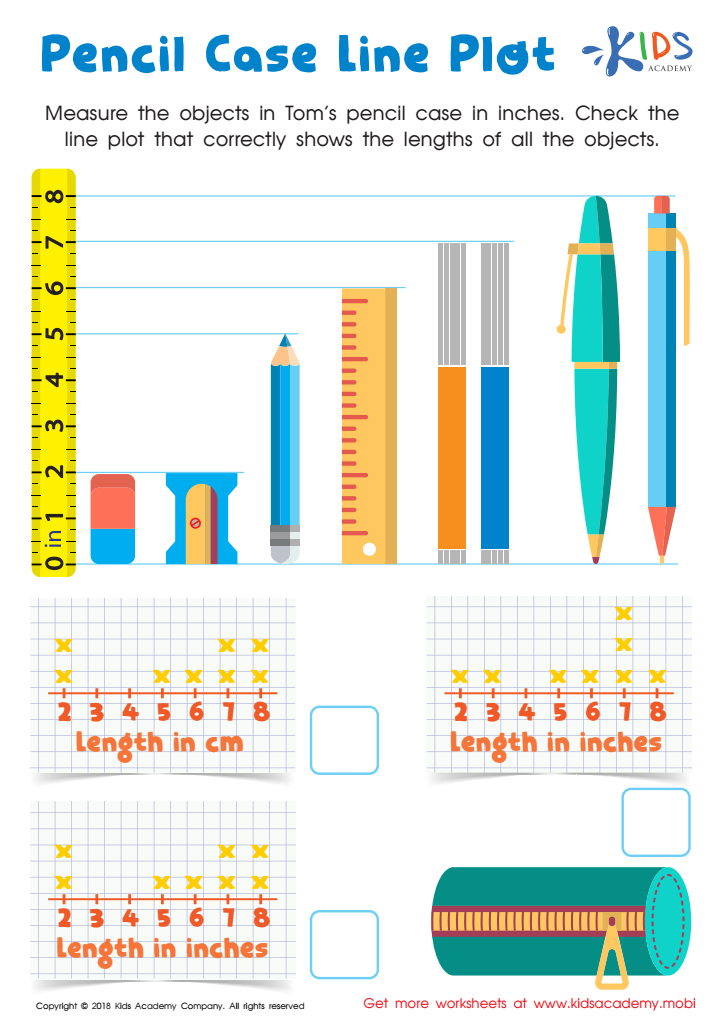
Pencil Case Line Plot Worksheet
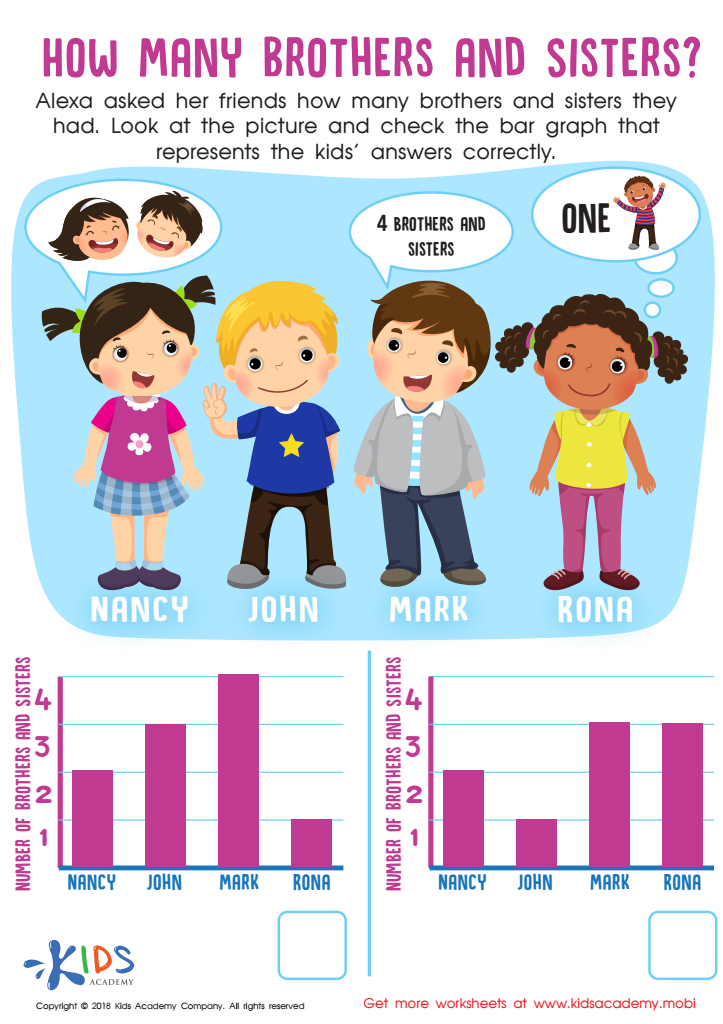
How Many Brothers and Sisters? Worksheet
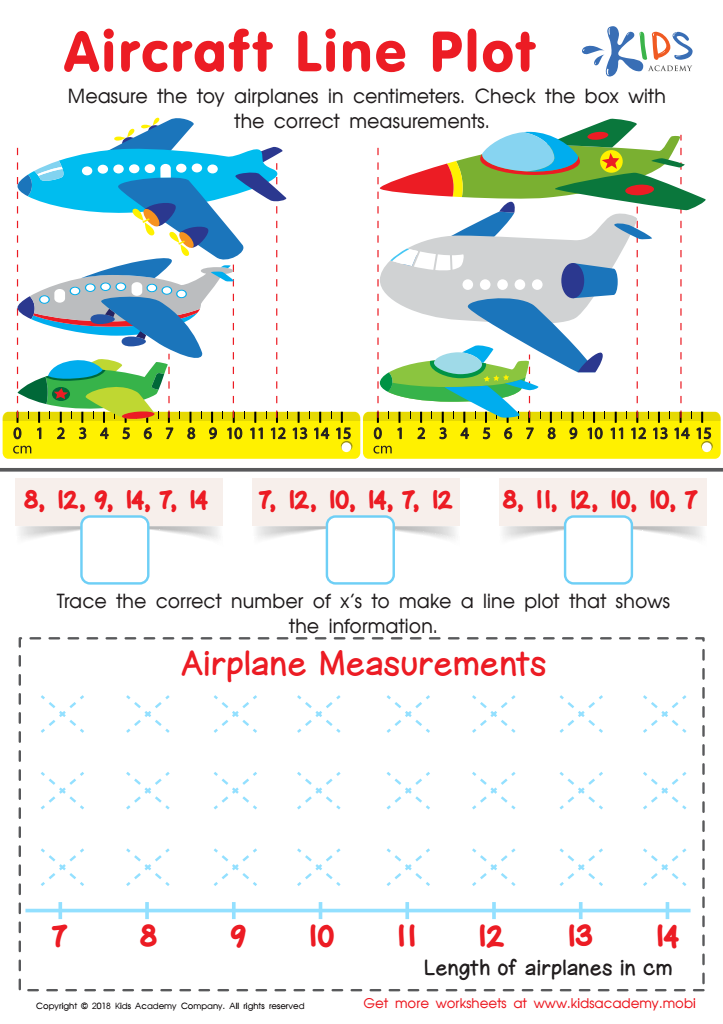
Aircraft Line Plot Worksheet








Counting skills and measuring concepts are fundamental components of early math education and play a crucial role in the cognitive development of 8-year-olds. Firstly, a solid understanding of counting lays the groundwork for more advanced mathematical concepts, such as addition, subtraction, and place value. At this age, children are beginning to make connections between numbers and real-world applications, so mastering counting can enhance their problem-solving skills and logical reasoning.
Counting and easy measurement activities also promote critical thinking. When children measure items, whether it’s with rulers, measuring cups, or informal means like hand spans, they learn about units, comparisons, and quantities. This hands-on approach equips them with practical skills that extend beyond the classroom, fostering an appreciation for math in everyday life.
Furthermore, these skills encourage cooperation when working in group settings and can boost children’s confidence. Being confident in their counting and measurement abilities paves the way for a positive attitude toward learning.
Ultimately, fostering these skills can lead to better academic outcomes and a lifelong interest in math and science subjects. Parents and teachers play a pivotal role in nurturing these competencies, ensuring children not only understand numbers but also see their relevance and value in the world around them.








