Alphabet Recognition Easy ABC Letters Worksheets for 9-Year-Olds
6 filtered results
-
From - To
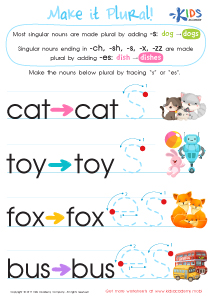
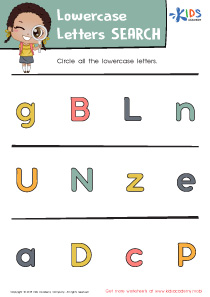
Discover our engaging "Alphabet Recognition Easy ABC Letters Worksheets" specially designed for 9-year-olds! These printable worksheets help enhance your child's letter recognition skills through fun and interactive activities. Each worksheet features a variety of exercises, including tracing, matching, and identifying letters in different contexts, ensuring a comprehensive understanding of the alphabet. Our resources support early literacy development and make learning enjoyable. Perfect for homeschooling or classroom use, these worksheets encourage kids to explore letters at their own pace. Boost your child's confidence and mastery of the ABCs with our carefully crafted materials. Start their journey to literacy today!
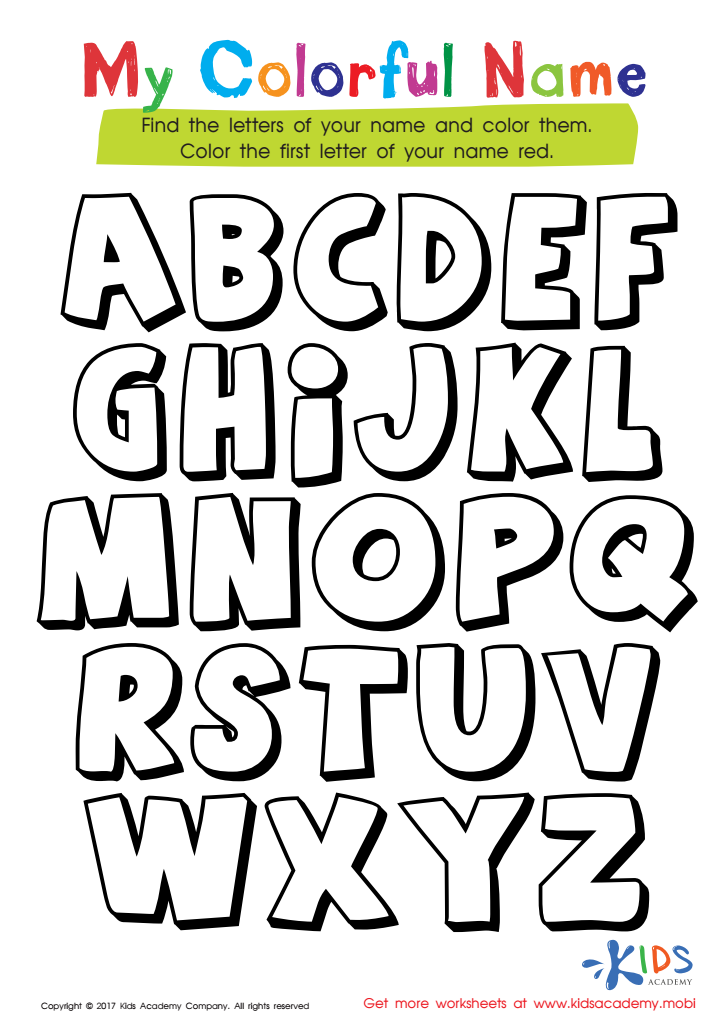
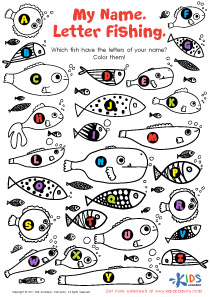
My Colorful Name Worksheet
 Assign to My Students


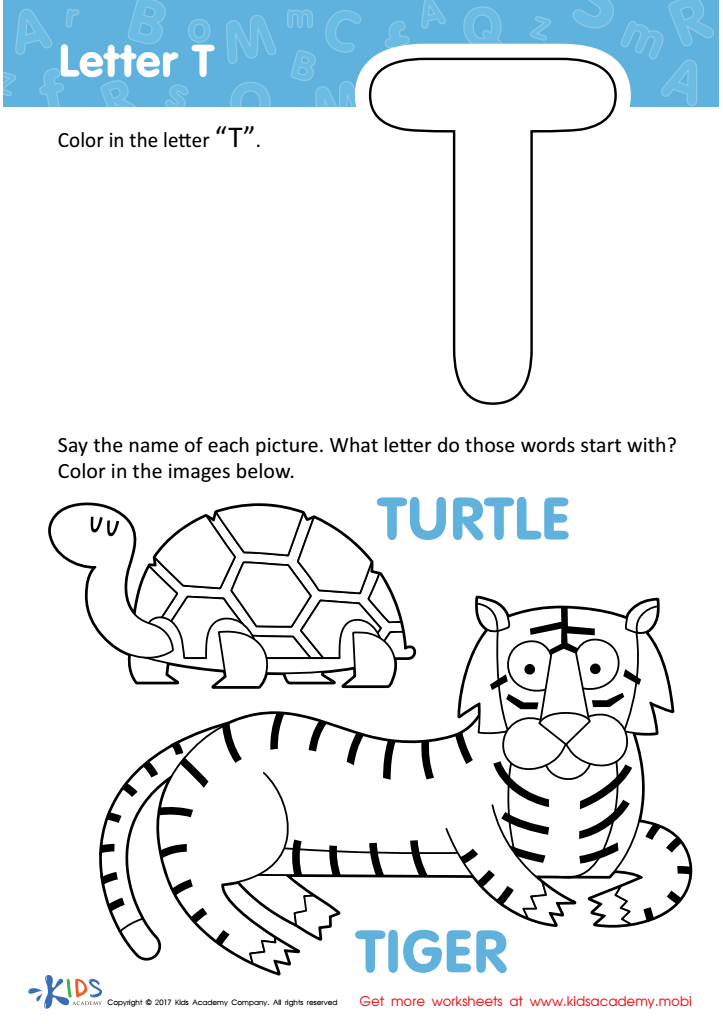
Letter T Coloring Sheet
Assign to My Students
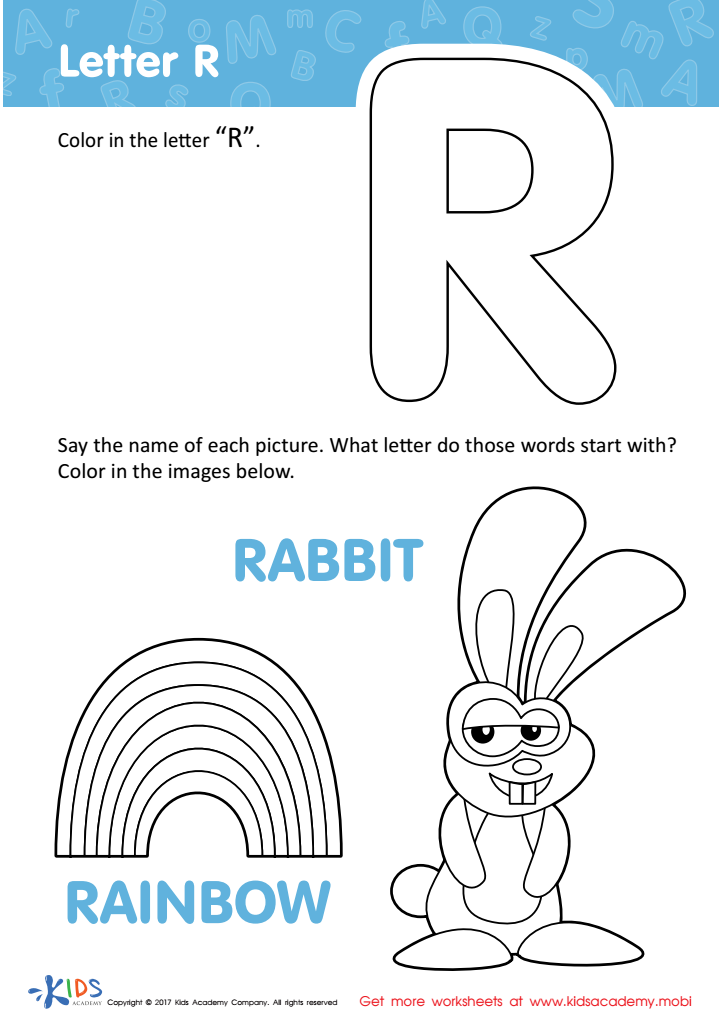
Letter R Coloring Sheet
Assign to My Students
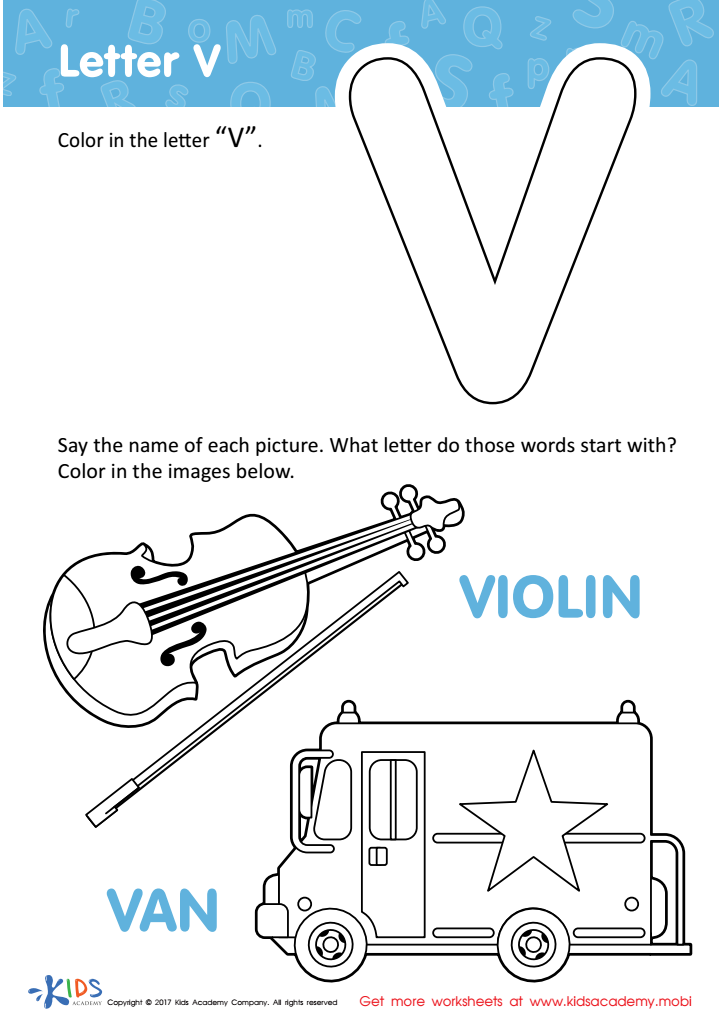
Letter V Coloring Sheet
Assign to My Students
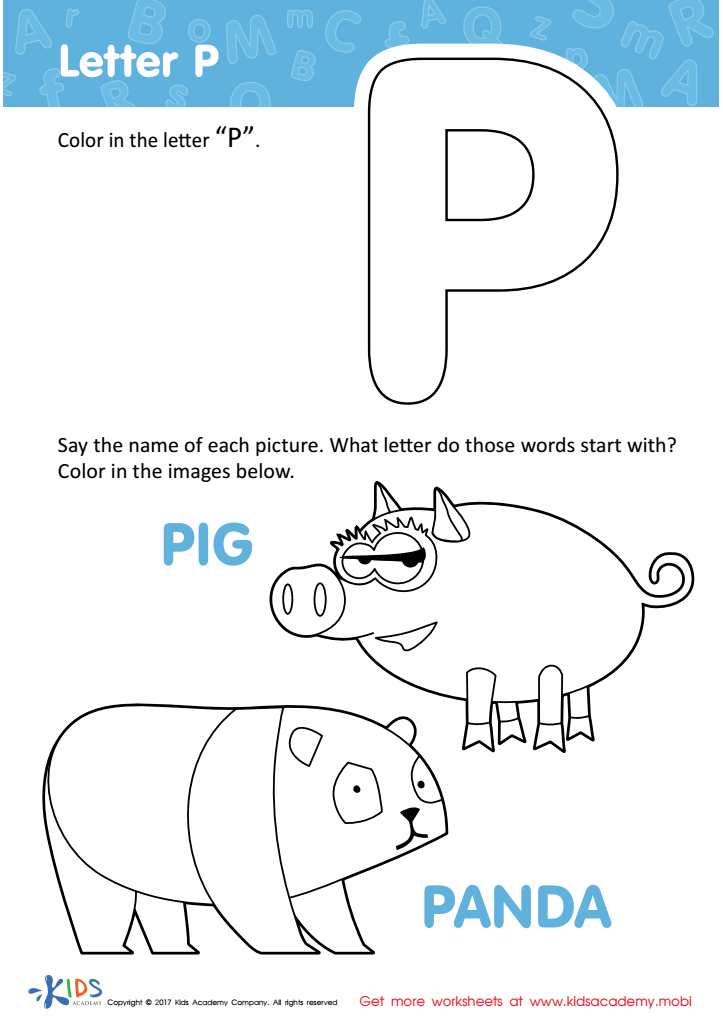
Letter P Coloring Sheet
Assign to My Students
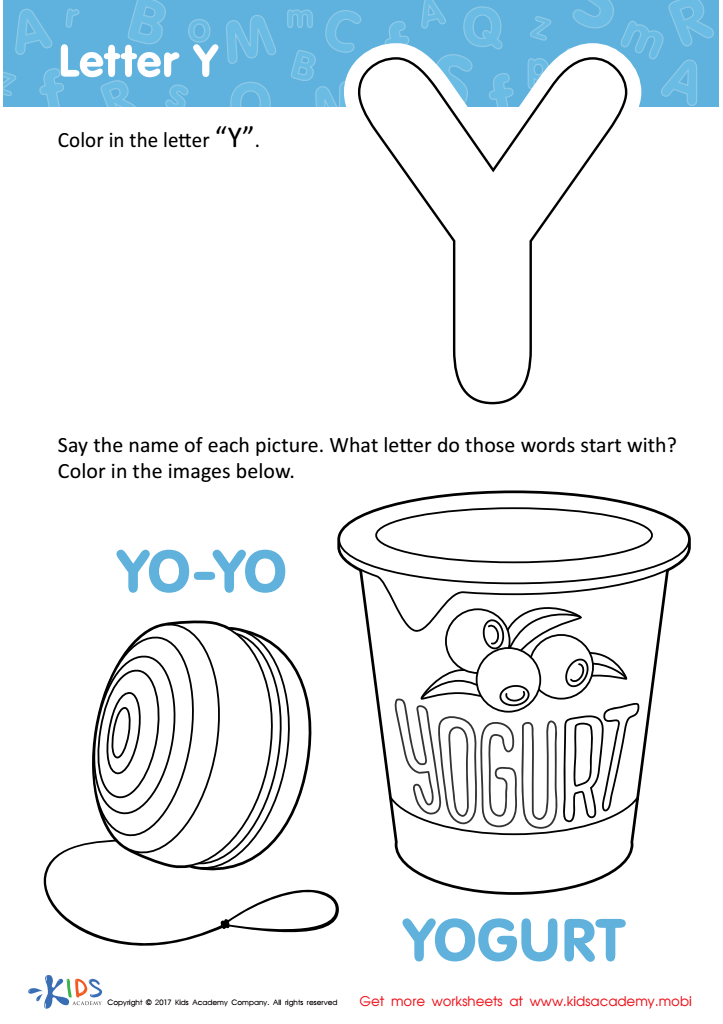
Letter Y Coloring Sheet
Assign to My Students







Alphabet recognition is fundamental for a child's literacy development, even at 9 years old. At this stage, many children transition from learning to read to reading to learn. Mastering letter recognition and understanding phonemic awareness is crucial for developing strong reading and writing skills. Parents and teachers should care about reinforcing alphabet knowledge because it serves as a building block for more complex literacy tasks, such as spelling, vocabulary acquisition, and comprehension.
Engaging activities that promote easy recognition of ABC letters can foster a love for reading and language in children. For 9-year-olds, recognizing letters quickly and effortlessly can improve attention span and retain more information as they engage with diverse reading materials. Furthermore, a keen understanding of the alphabet supports effective communication skills, which are vital for academic success and social interactions.
Additionally, some children may struggle with letter recognition, experiencing frustration that can hinder their overall confidence. Providing targeted reinforcement and encouragement in this area can create a more supportive learning environment. By prioritizing alphabet recognition, parents and teachers ultimately equip children with the tools they need for lifelong learning and self-expression. Supporting these early literacy skills can unlock endless possibilities for a child’s educational journey.