Color recognition Easy Grade 1 Worksheets - Page 2
28 filtered results
-
From - To
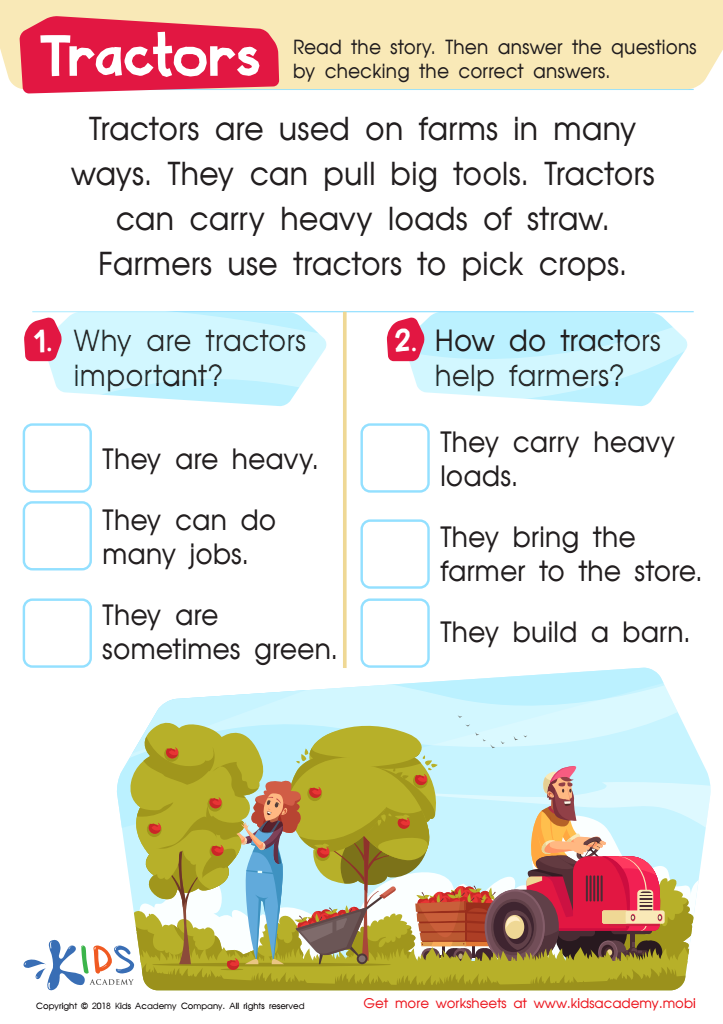
Tractors Worksheet
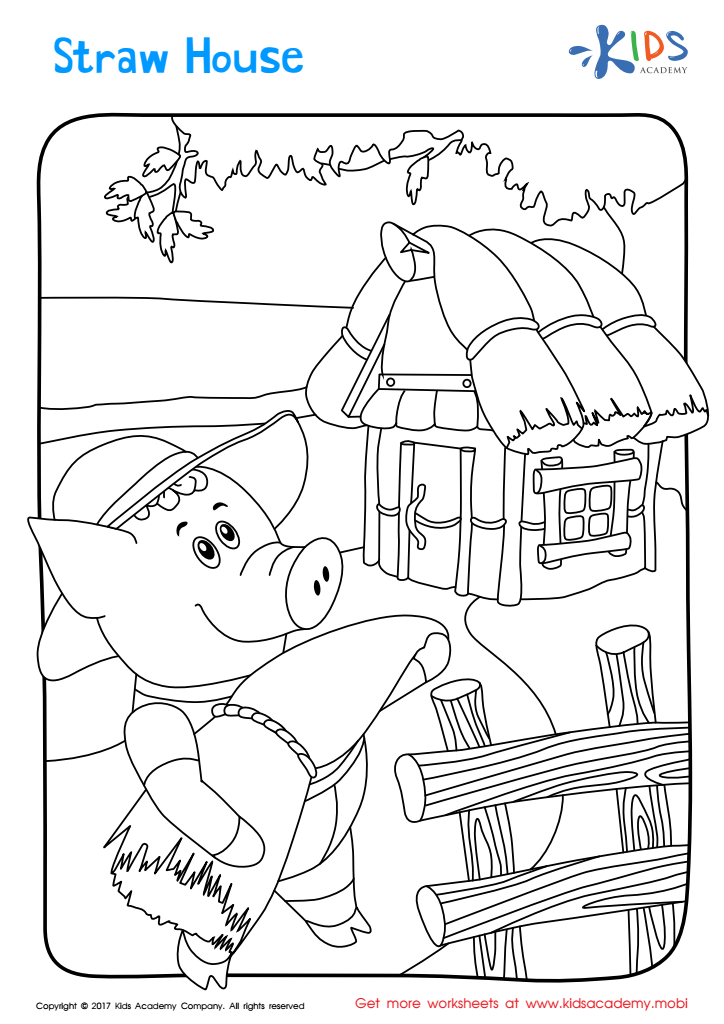
Straw House Printable Coloring Page
 Assign to My Students
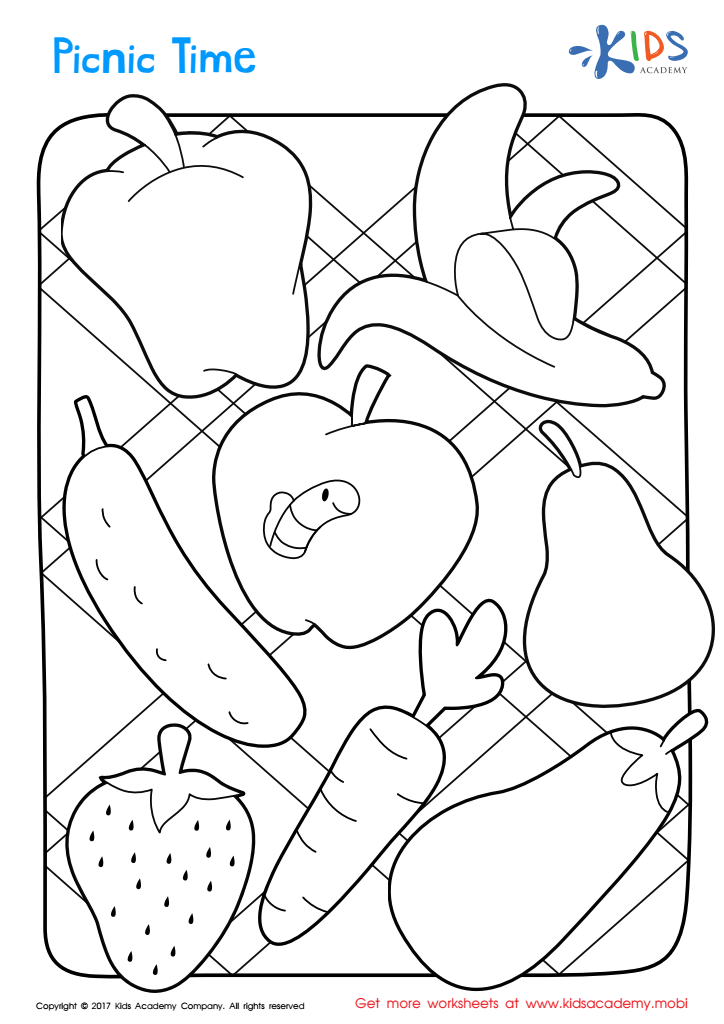
Picnic Time Coloring Page
Assign to My Students







Color recognition is a fundamental skill in early childhood education, and it plays a vital role in the development of young learners. Parents and teachers should care about color recognition for several reasons.
Firstly, color recognition fosters cognitive development. It helps children identify and categorize their environment, laying the groundwork for critical thinking and problem-solving skills. Recognizing colors also enhances their vocabulary, as children learn to associate color names with objects.
Additionally, understanding colors plays a significant role in developing fine motor skills. Activities like coloring, sorting, and crafting help refine hand-eye coordination and muscle control, essential for future learning tasks such as writing.
Socially and emotionally, color recognition encourages creativity and self-expression. Children can express their feelings and ideas through art, which can boost their confidence and self-esteem.
Furthermore, this skill is often tied to everyday learning. Recognizing colors helps children understand concepts in mathematics and science, such as sorting and categorization.
In summary, color recognition is a crucial developmental milestone that supports cognitive, fine motor, emotional, and social skills. By prioritizing this aspect of learning, parents and teachers can contribute to a well-rounded, engaging educational experience for young children.