Matching skills Easy Grade 1 Worksheets
3 filtered results
Difficulty Level
Grade
Age
-
From - To
Subject
Activity
Standards
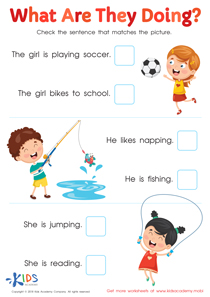
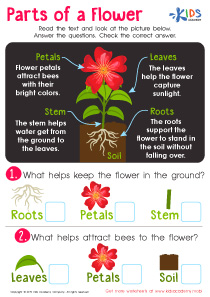
Welcome to our "Matching Skills Easy Grade 1 Worksheets" page, designed to enhance your child's ability to recognize and connect related concepts. These engaging worksheets feature fun illustrations and age-appropriate activities to captivate young learners while developing essential matching skills. From matching animals to their homes, shapes to their names, and words to pictures, each worksheet fosters critical thinking and strengthens visual recognition. Ideal for classroom or at-home learning, our resources support early educational growth in a playful and interactive way. Download and print our free worksheets to help your child excel in essential matching skills essential for their academic journey!
Favorites
With answer key
Interactive
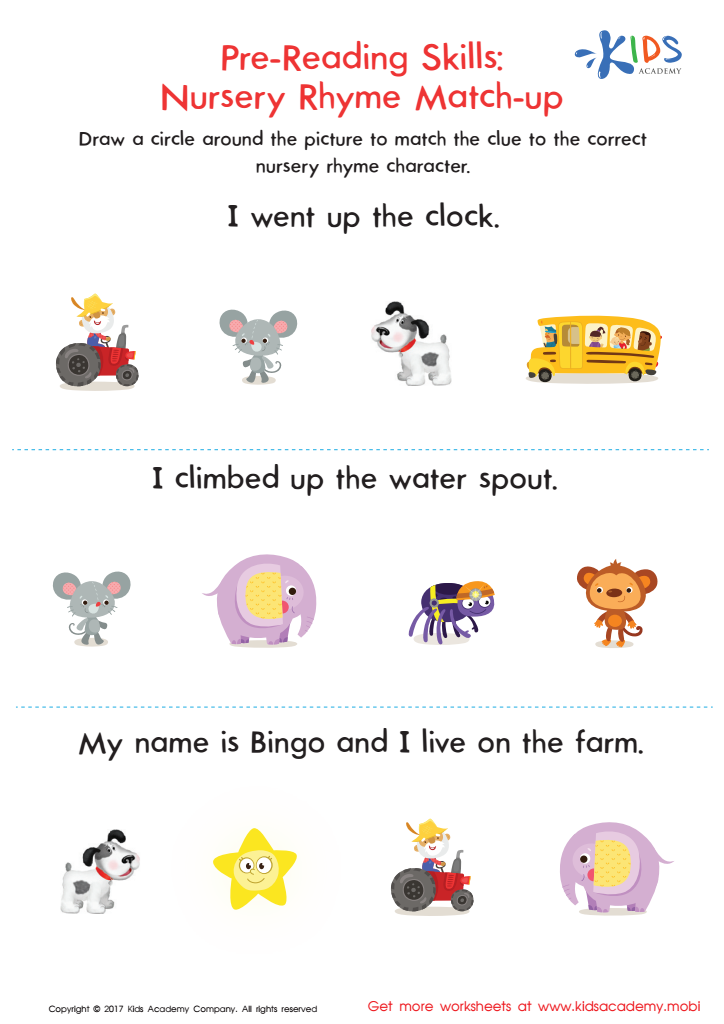
Nursery Rhyme Match–Up Worksheet
This worksheet helps kids build pre-reading skills using stories they know and love! By connecting with prior knowledge, kids can develop ideas about characters and set the stage for reading strategies.
 Assign to My Students
Nursery Rhyme Match–Up Worksheet
Worksheet
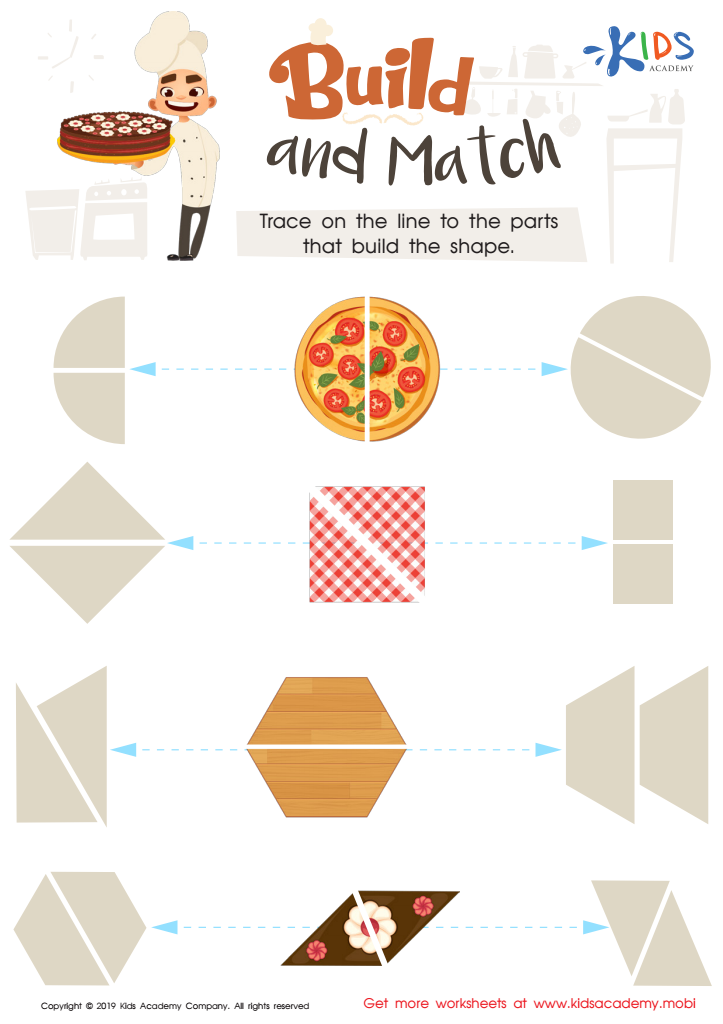
Build and Match Worksheet
This bright worksheet will get your kids excited to learn more! Use the colorful images and shapes to engage them and have them trace the parts to build the shape. This fun exercise will help them retain the lessons and make it an enjoyable experience.
Build and Match Worksheet
Worksheet
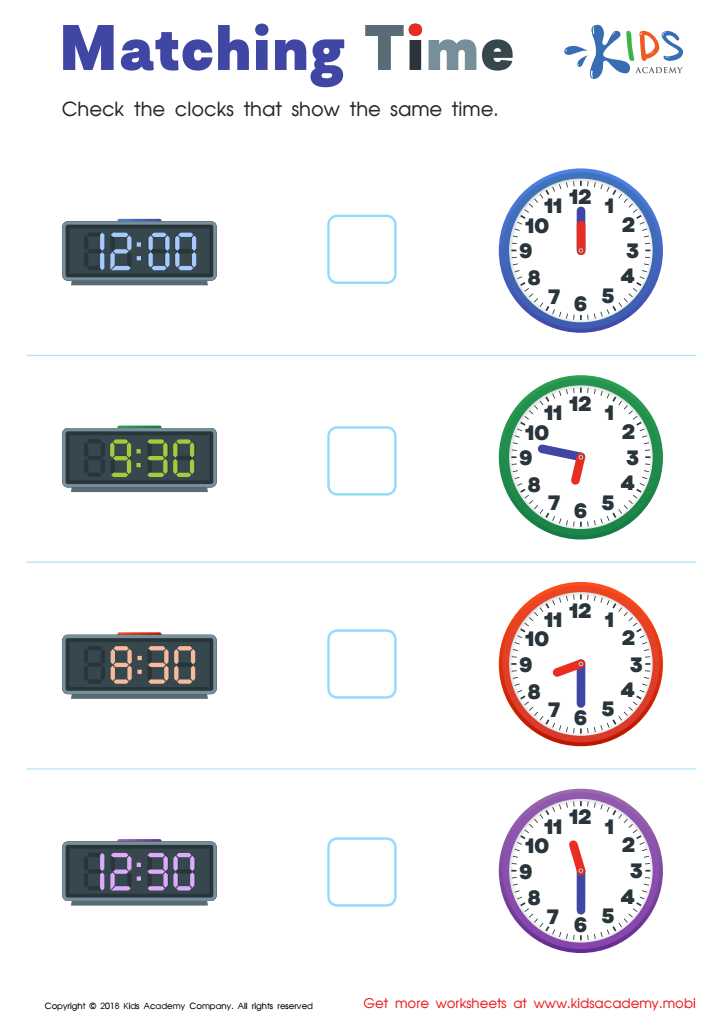
Matching Time Worksheet
Teach your child to read time in both digital and analog formats with this helpful printout. They'll identify clocks that match in both formats and check them off. Colorful and engaging, it's a great way to help your child understand the concept of time-telling.
Matching Time Worksheet
Worksheet
Join Kids Academy for Free
Who is primarily going to use this learning content?





Parents and teachers should care about matching skills for easy Grade 1 students because they are foundational to children's cognitive and social development. This essential skill helps youngsters recognize similarities and differences, laying the groundwork for critical thinking and problem-solving abilities. As children engage in matching activities, they improve their memory and attention span, two vital competencies that will benefit them as they progress through their education.
Additionally, matching skills play a significant role in literacy and numeracy. For example, matching letters or words with images promotes vocabulary development and reading comprehension. Similarly, matching numbers can enhance basic arithmetic skills, preparing students for more complex mathematical concepts.
Socially, engaging in matching games provides opportunities for shared learning experiences, encouraging cooperation and communication among peers. This interaction fosters strong classroom communities, essential for emotional growth.
Furthermore, developing matching skills is enjoyable and often involves interactive games, making learning both effective and fun. By supporting their efforts, parents and teachers can nurture a positive attitude towards learning that will last a lifetime. Ultimately, emphasizing the importance of matching skills encourages a strong educational foundation and a lifelong love of learning in young students.