Shape Recognition Easy Grade 1 Worksheets
9 filtered results
-
From - To
Discover the perfect resource for young learners with our "Shape Recognition Easy Grade 1 Worksheets." Specially designed for first graders, these fun, engaging, and educational worksheets help children confidently identify and differentiate between various shapes. Each worksheet offers colorful illustrations and interactive activities that make learning geometry enjoyable and accessible. Kids will love tracing, coloring, and matching shapes, all while developing their visual-spatial skills and foundational math understanding. Ideal for both classroom and at-home learning, our shape recognition worksheets are a valuable tool to support your child's educational journey. Start exploring today!
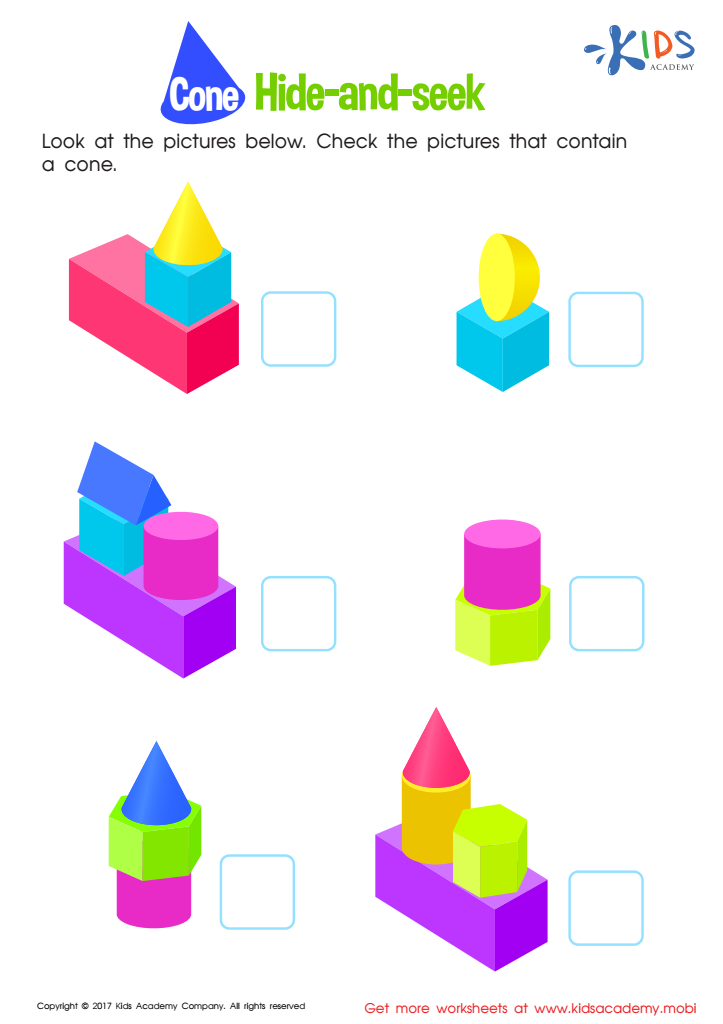
Cone Hide-and-Seek Worksheet
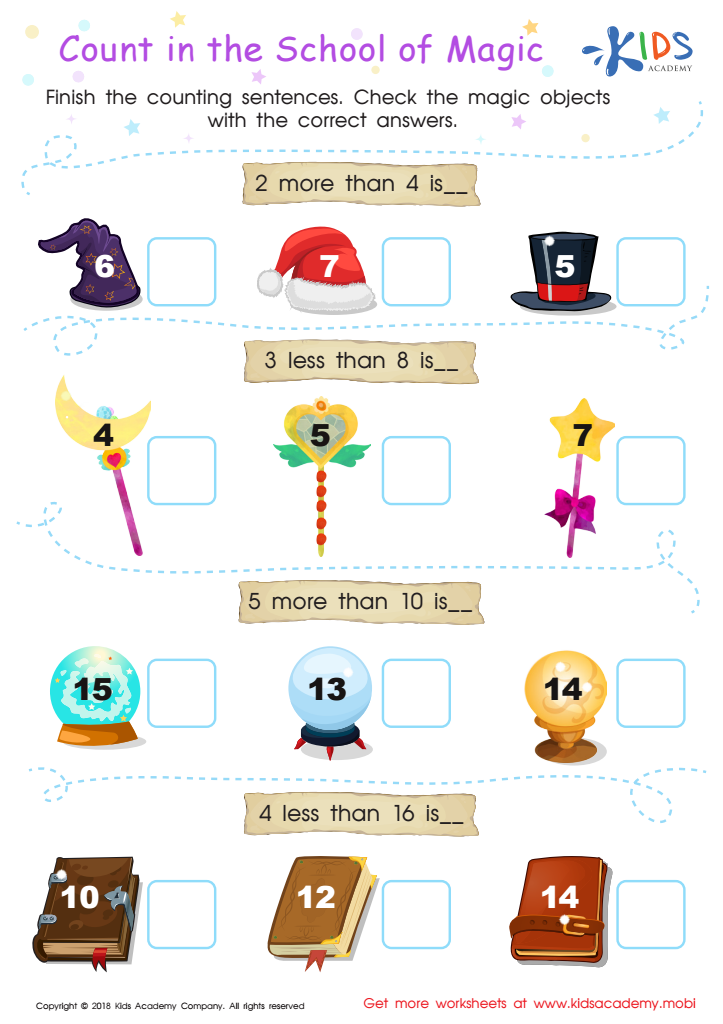
Count in the School of Magic Worksheet
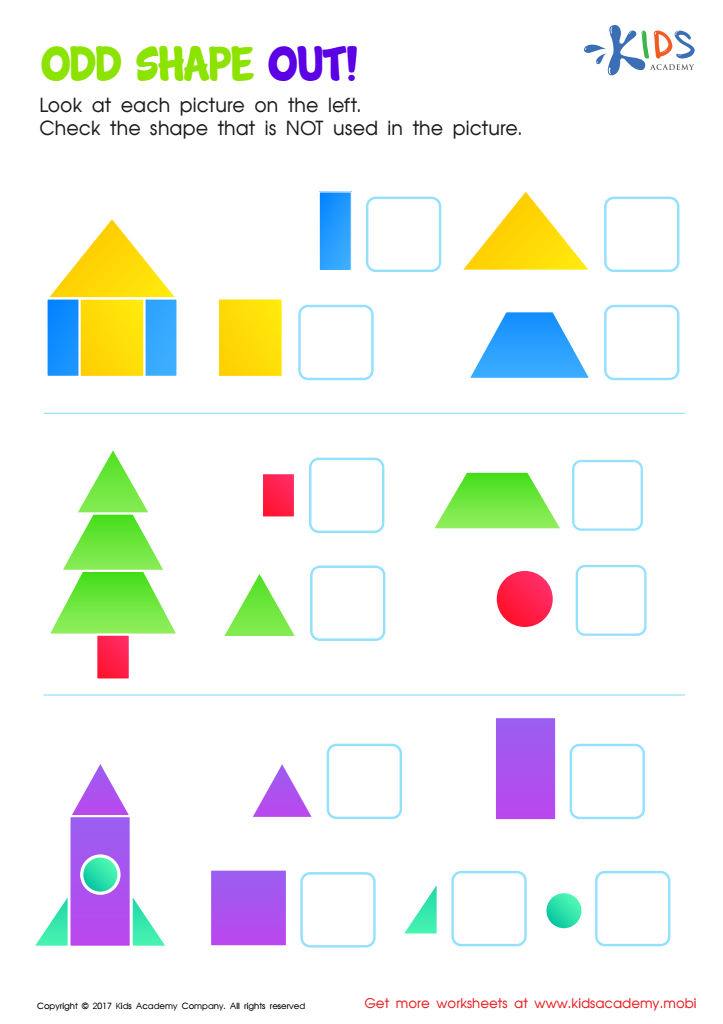
Odd Shape Out Worksheet for Grade 1
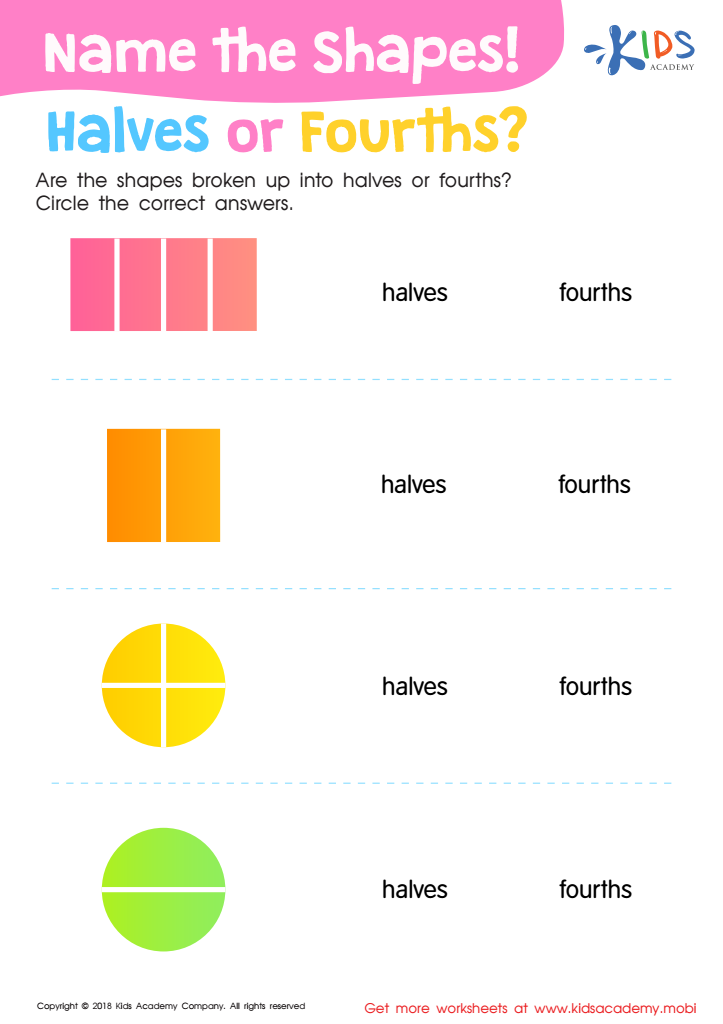
Name the Shapes Halves or Fourths? Worksheet
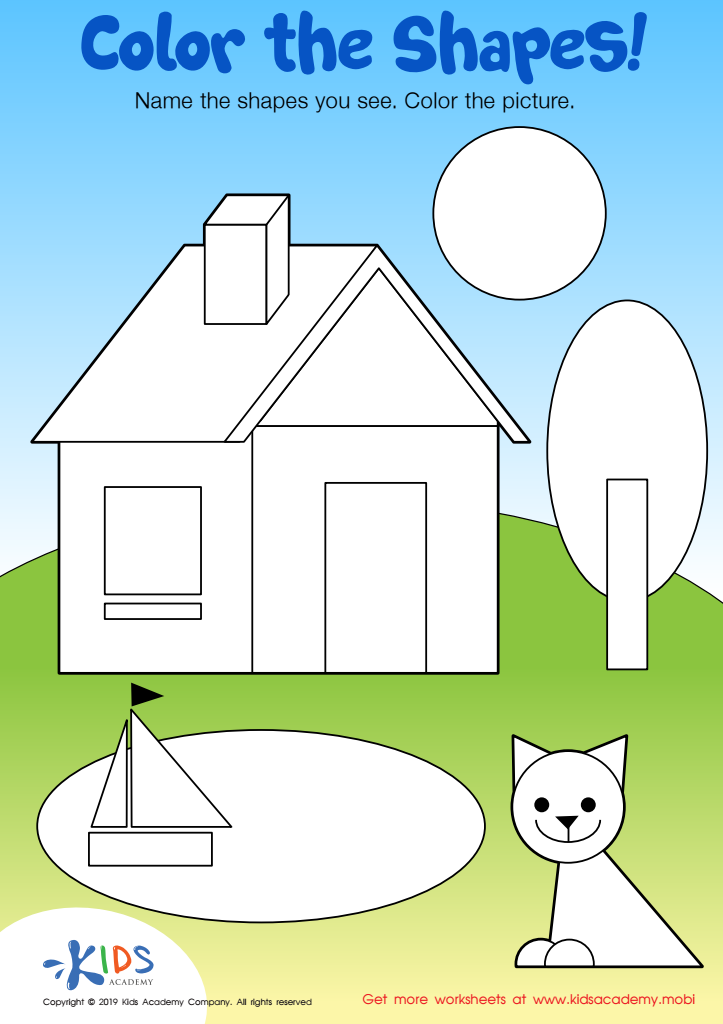
Color the Shapes Worksheet
 Assign to My Students
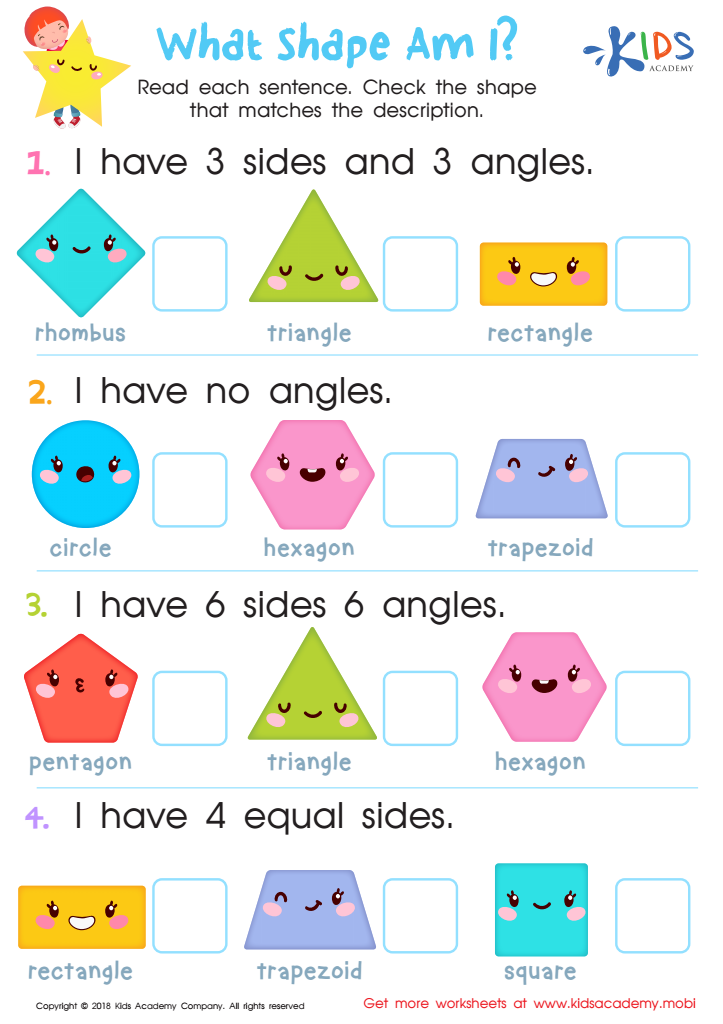
What Shape Am I? Worksheet
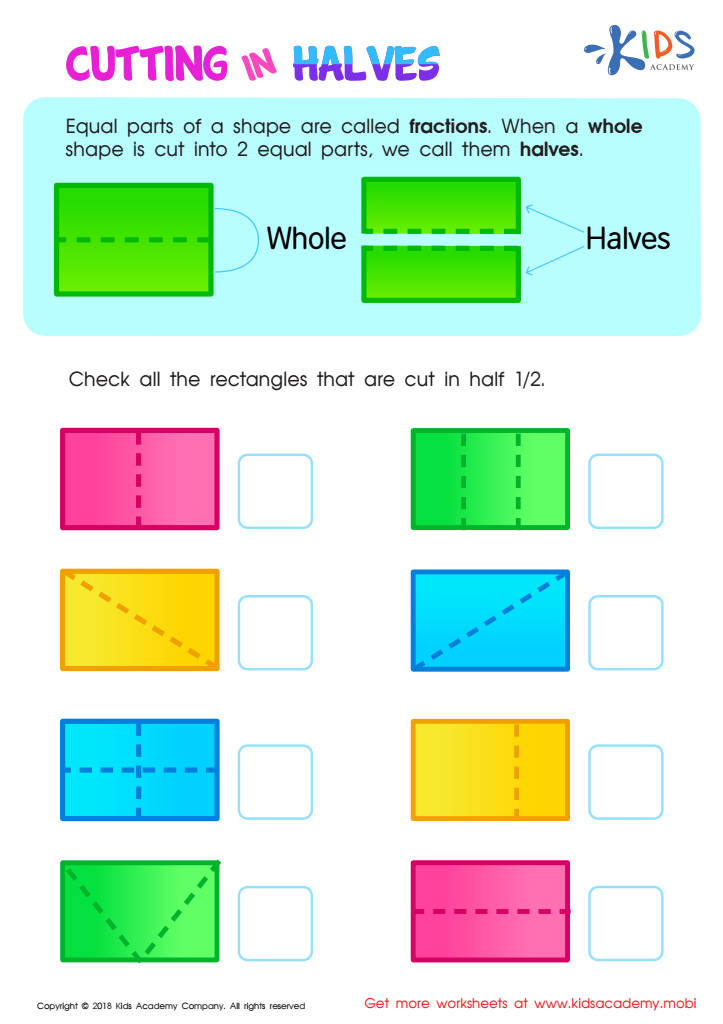
Cutting in Halves Worksheet
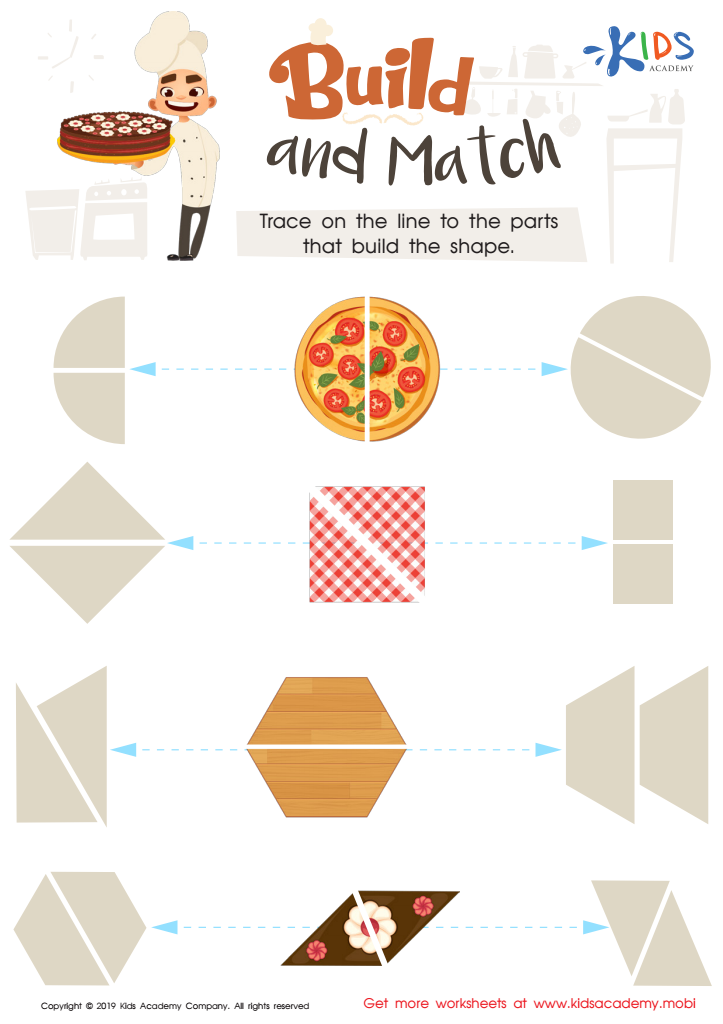
Build and Match Worksheet
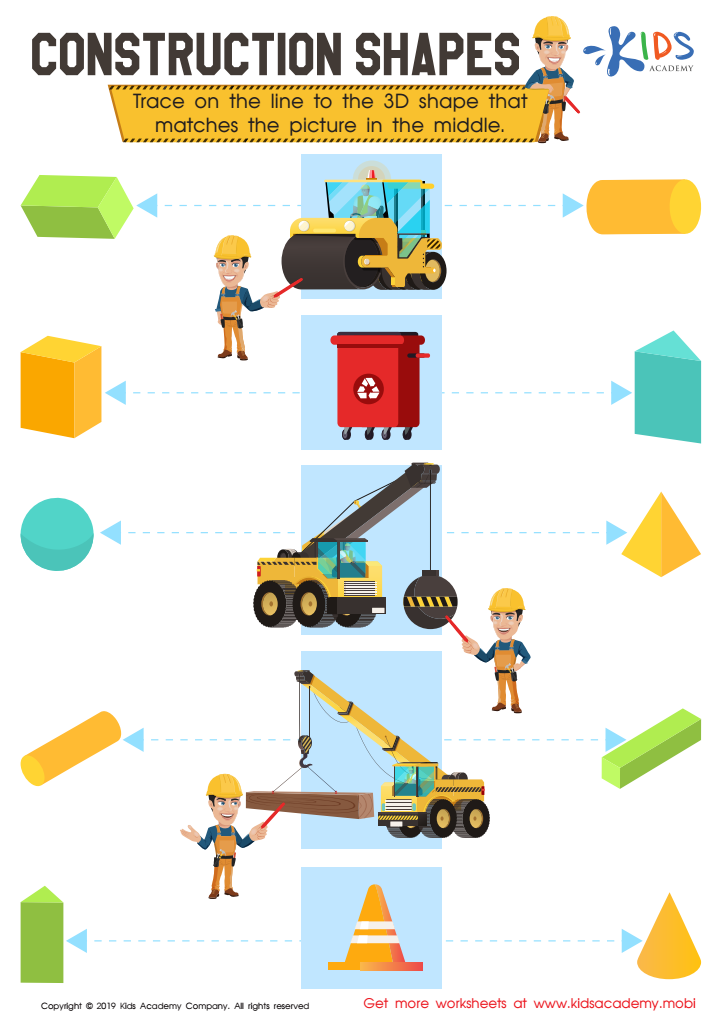
Construction Shapes Worksheet








Shape recognition is a fundamental skill for young learners in Grade 1, and parents and teachers should prioritize it for several compelling reasons. Firstly, it forms the foundation for more advanced mathematical concepts. Understanding shapes helps children grasp geometry, learn about spatial relationships, and develop problem-solving techniques that are essential for later academic success.
Secondly, shape recognition hones critical cognitive skills, such as visual discrimination and memory. When children identify and compare shapes, they stimulate their brain to recognize patterns, improving both vision-related and analytical skills.
Moreover, shape recognition activities enhance children's vocabulary and communication skills as they learn to describe shapes and their properties. Simple terms like "circle," "square," and "triangle" expand their descriptive language abilities, which is crucial for effective communication and literacy.
Shape recognition also supports fine motor skills and hand-eye coordination. Activities that involve tracing shapes or using manipulatives require controlled movements and precision, which are vital in developing handwriting skills.
Lastly, it lays the groundwork for recognizing more complex patterns and structures in the environment, thereby fostering a deeper understanding of how the world works. In essence, equipping children with shape recognition skills in early education sets them up for holistic academic and developmental growth, making it an area that parents and teachers cannot afford to overlook.