Fine Motor Skills Easy Kindergarten Letter Recognition Worksheets
6 filtered results
-
From - To
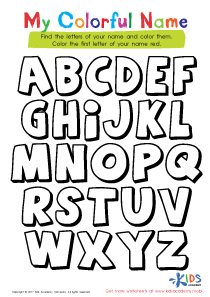
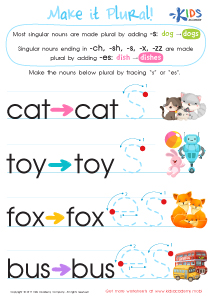
Enhance your child's early learning experience with our "Fine Motor Skills Easy Kindergarten Letter Recognition Worksheets." Designed specifically for young learners, these engaging worksheets combine letter recognition and fine motor skill development. Children will practice tracing and identifying letters, improving their handwriting and dexterity through fun activities. Each worksheet features colorful visuals and engaging themes that capture children's attention, making learning exciting. Ideal for both classroom use and at-home practice, these resources help build a strong foundation in literacy while supporting essential motor skills. Start your child's journey to reading success today with our interactive and educational worksheets!
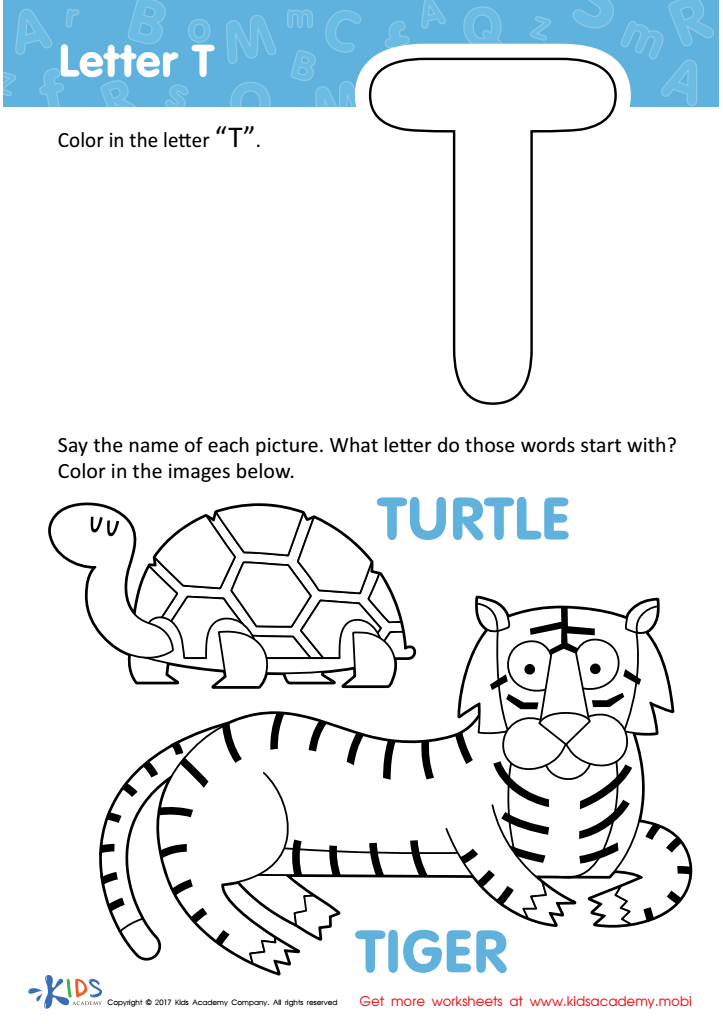
Letter T Coloring Sheet
 Assign to My Students
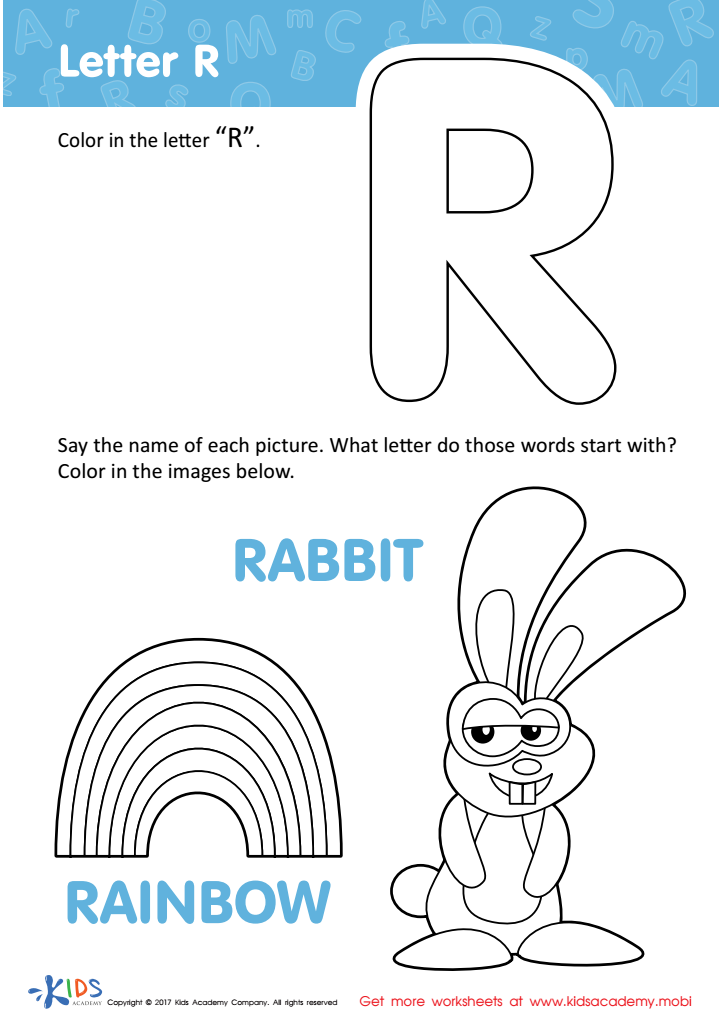
Letter R Coloring Sheet
Assign to My Students
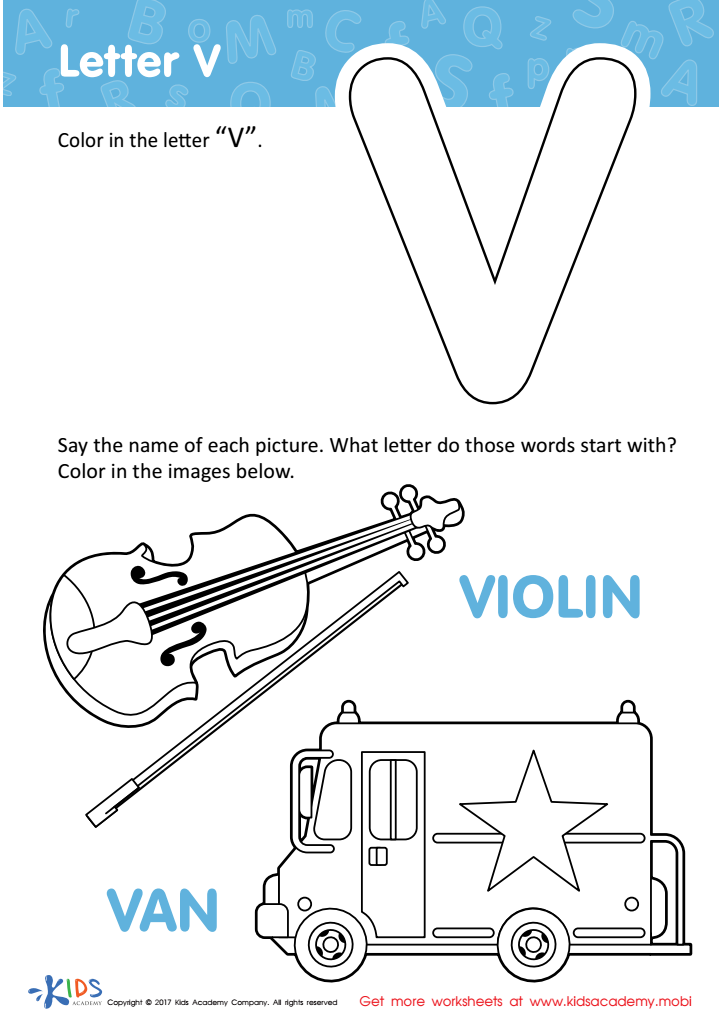
Letter V Coloring Sheet
Assign to My Students
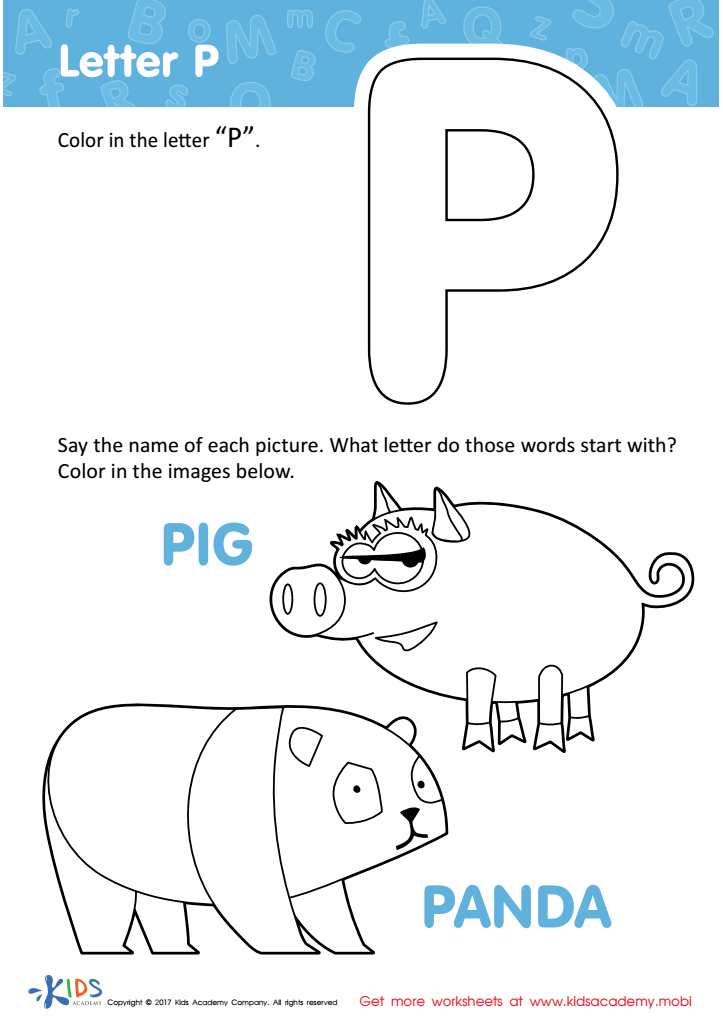
Letter P Coloring Sheet
Assign to My Students
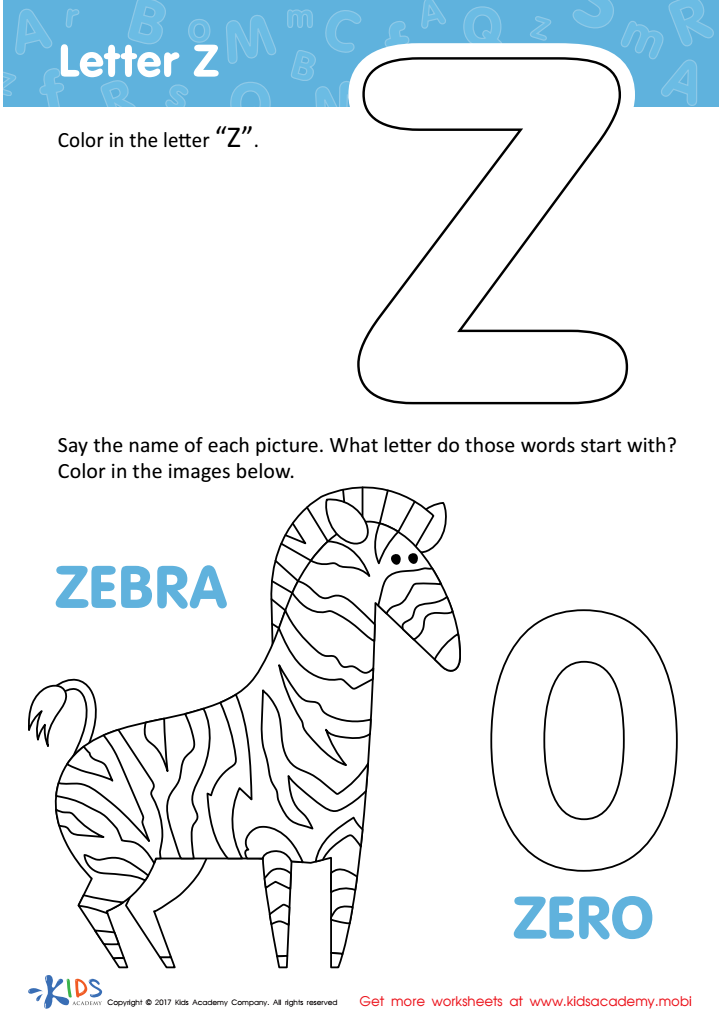
Letter Z Coloring Sheet
Assign to My Students
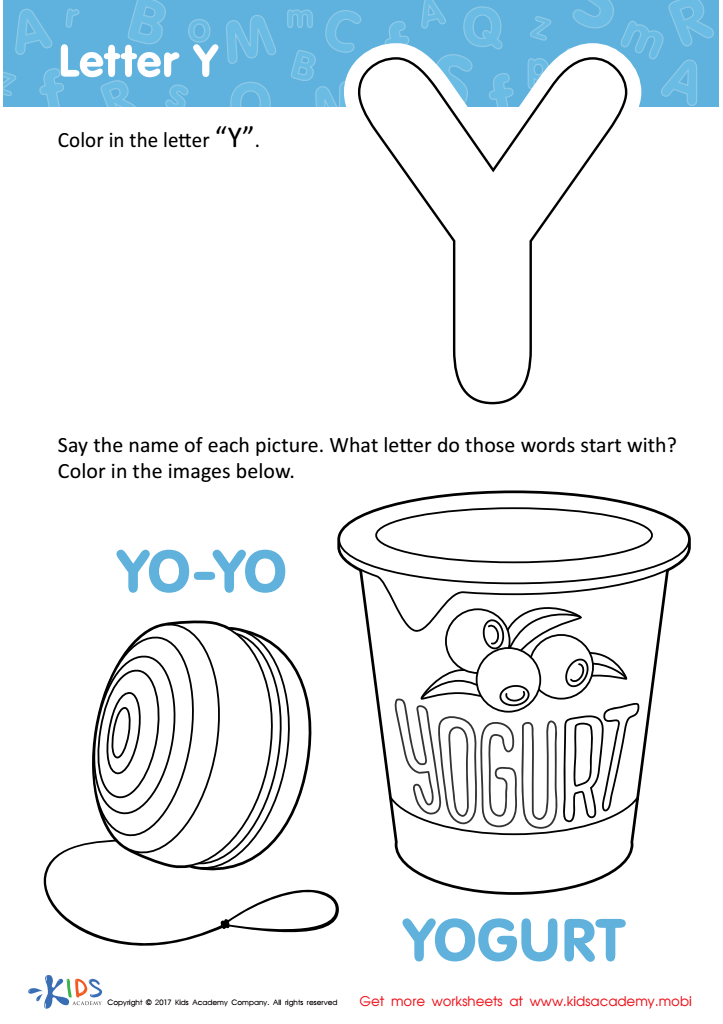
Letter Y Coloring Sheet
Assign to My Students






Fine motor skills are essential for young learners, particularly in kindergarten, as they form the foundation for a child's overall development. These skills involve the precise movements of the hands and fingers, which are critical for tasks such as writing, drawing, and cutting. In the context of letter recognition, fine motor skills enable children to effectively handle letters, whether in a tactile sense through tracing or in written form as they begin to write.
When children engage in fine motor activities, they enhance their dexterity, hand-eye coordination, and muscle control. This directly supports their ability to recognize, form, and eventually write letters, fostering their early reading and writing skills. Effective letter recognition is vital for literacy development since it leads to better phonemic awareness and vocabulary acquisition.
Furthermore, these skills contribute to a child's self-confidence and independence. When children can manipulate letters and engage in writing effectively, they feel a sense of accomplishment. Parents and teachers should prioritize fine motor skill development in their teaching approaches, as it not only supports academic success but also lays the groundwork for critical life skills. By focusing on fine motor skills and letter recognition, educators and caregivers can nurture proficient, confident learners.