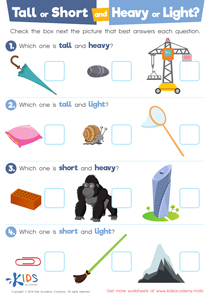
Understanding Quantities Easy Kindergarten Numbers Worksheets
3 filtered results
-
From - To
Welcome to our "Understanding Quantities Easy Kindergarten Numbers Worksheets" page, designed to help young learners grasp the concept of quantities in math! Our engaging and interactive worksheets offer a variety of activities focused on comparing, counting, and identifying different sets of objects. Ideal for kindergarten students, these resources lay a strong foundation for number sense and essential math skills. With colorful illustrations and fun exercises, children will enjoy practicing quantification while enhancing their critical thinking. Download our worksheets today and watch your child's math confidence grow as they master understanding quantities in a playful and supportive environment!
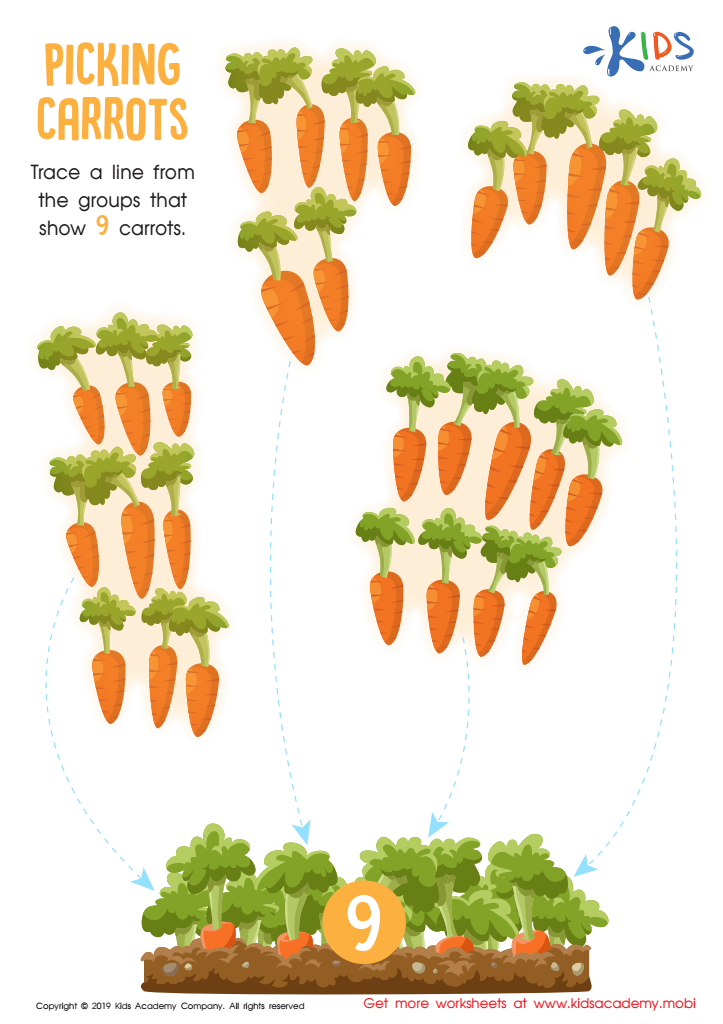
Picking Carrots Worksheet
 Assign to My Students
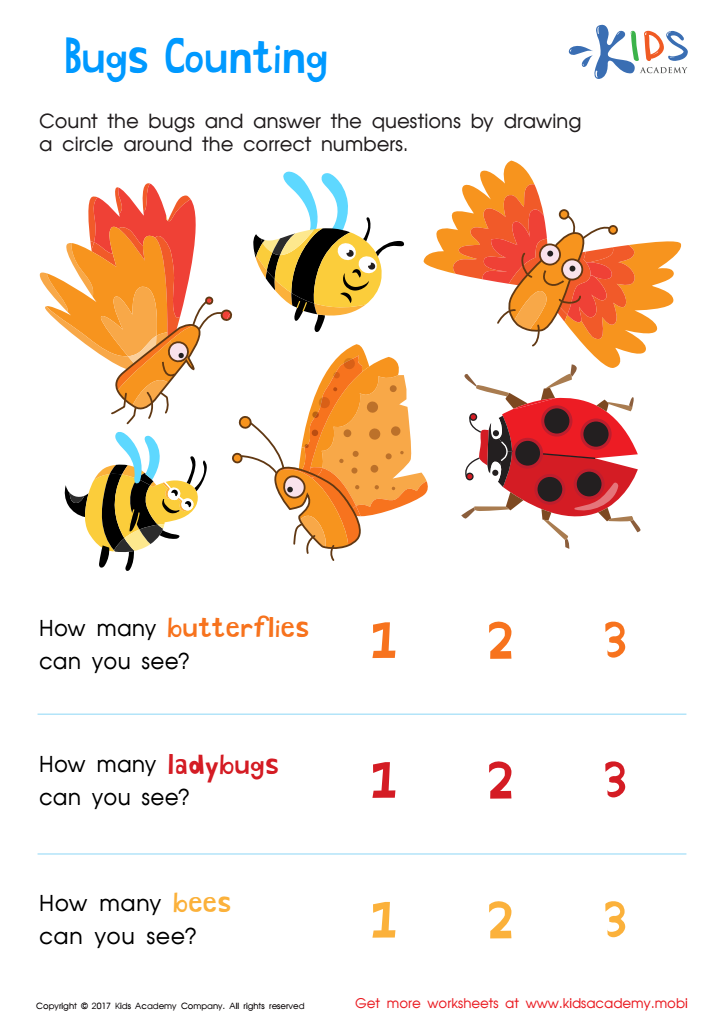
Bugs Counting Worksheet
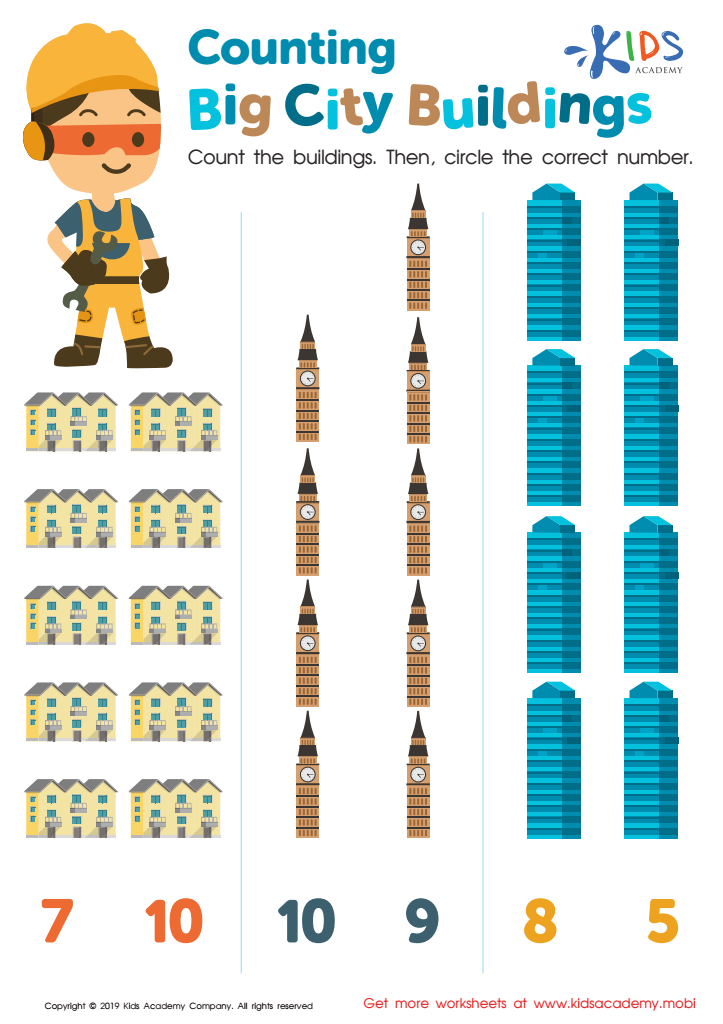
Counting Big City Buildings Worksheet








Understanding quantities and basic numbers is foundational for young learners, especially in kindergarten. It sets the stage for critical thinking and problem-solving skills that children will use throughout their education. When parents and teachers prioritize understanding quantities, they help cultivate not only mathematical concepts but also cognitive abilities such as reasoning and logic.
A strong grasp of numbers allows children to engage more fully with their surroundings. For instance, being able to count objects helps them develop coordination, language skills, and social interactions. When students understand quantities, they can explore comparisons, notice patterns, and begin to tackle simple addition and subtraction—all essential skills in later grades.
Moreover, nurturing these skills in kindergarten fosters a positive attitude toward mathematics, reducing anxiety and building confidence in students as they progress through school. Parents and teachers, when involved in this learning process, can offer support by providing practical examples, engaging in everyday counting activities, and creating a playful learning environment.
Ultimately, embracing the understanding of quantities in early childhood empowers children with the tools necessary for future academic success and life skills. This foundational knowledge enhances their readiness for more complex mathematical concepts, encouraging a lifelong love for learning.