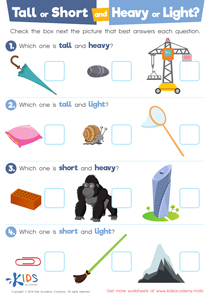
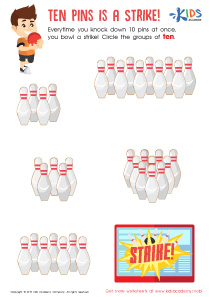
Categorization skills Easy Kindergarten Math Worksheets
5 filtered results
-
From - To
Enhance your child's learning with our Easy Kindergarten Math Worksheets focusing on categorization skills. These engaging worksheets are designed to help young learners identify, sort, and classify objects based on various characteristics, such as color, shape, and size. By practicing categorization, children develop critical thinking skills, early math fundamentals, and essential problem-solving abilities. Perfect for classroom use or at-home learning, our worksheets provide a fun and interactive way to reinforce mathematical concepts. Watch as your child becomes more confident in their understanding of categories while enjoying educational activities that stimulate curiosity and creativity. Start cultivating their math skills today!
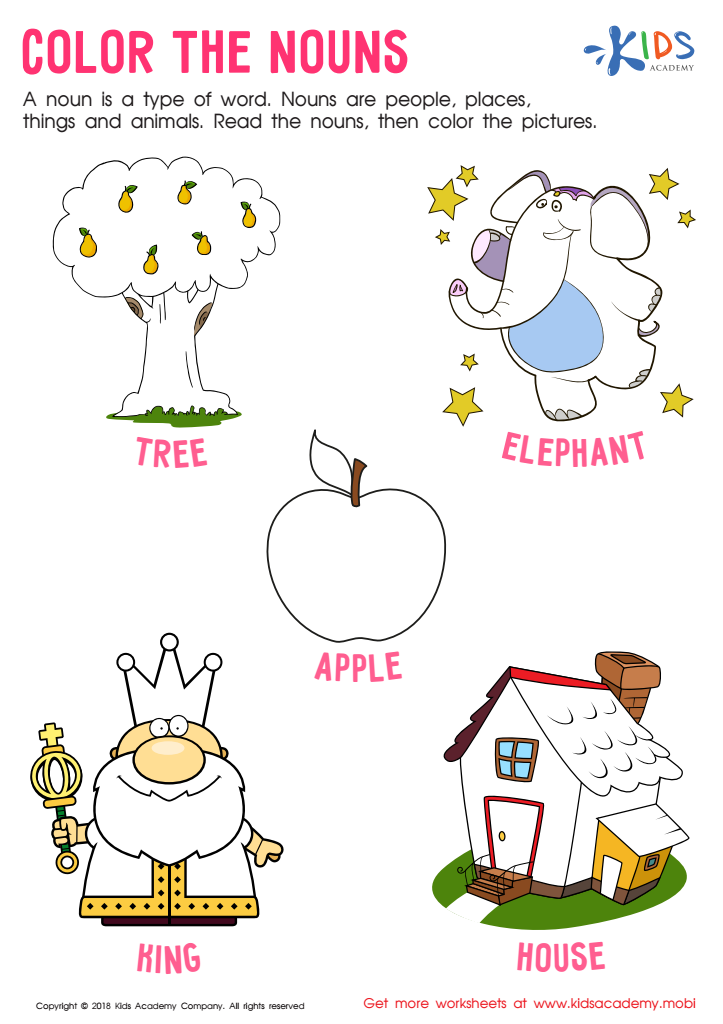
Color the Nouns Worksheet
 Assign to My Students
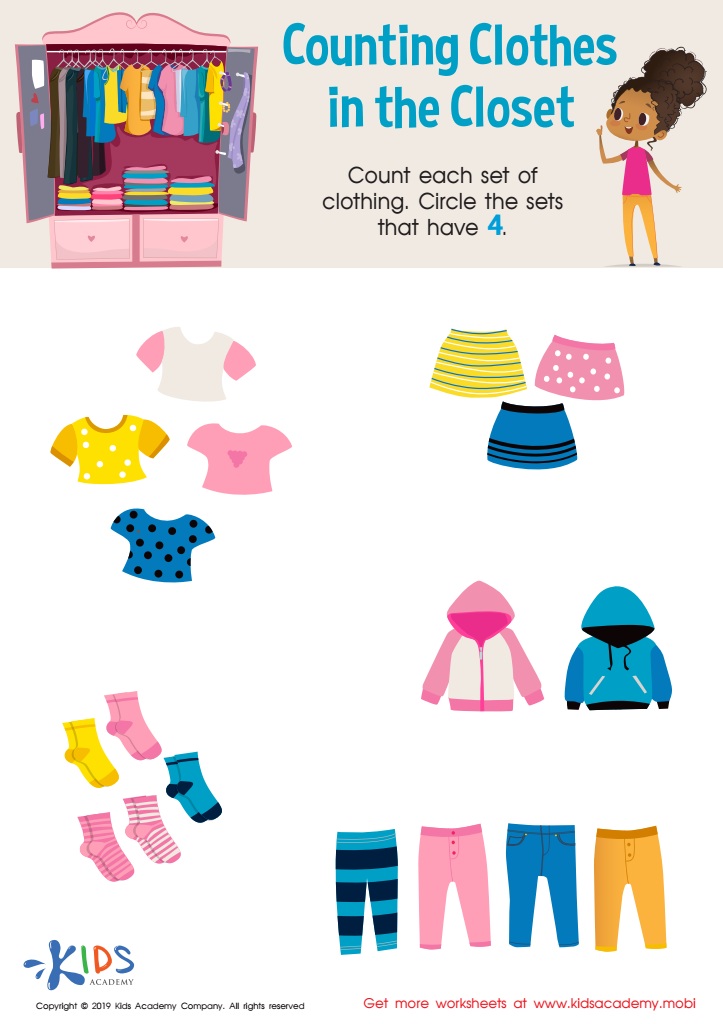
Counting Clothes Worksheet
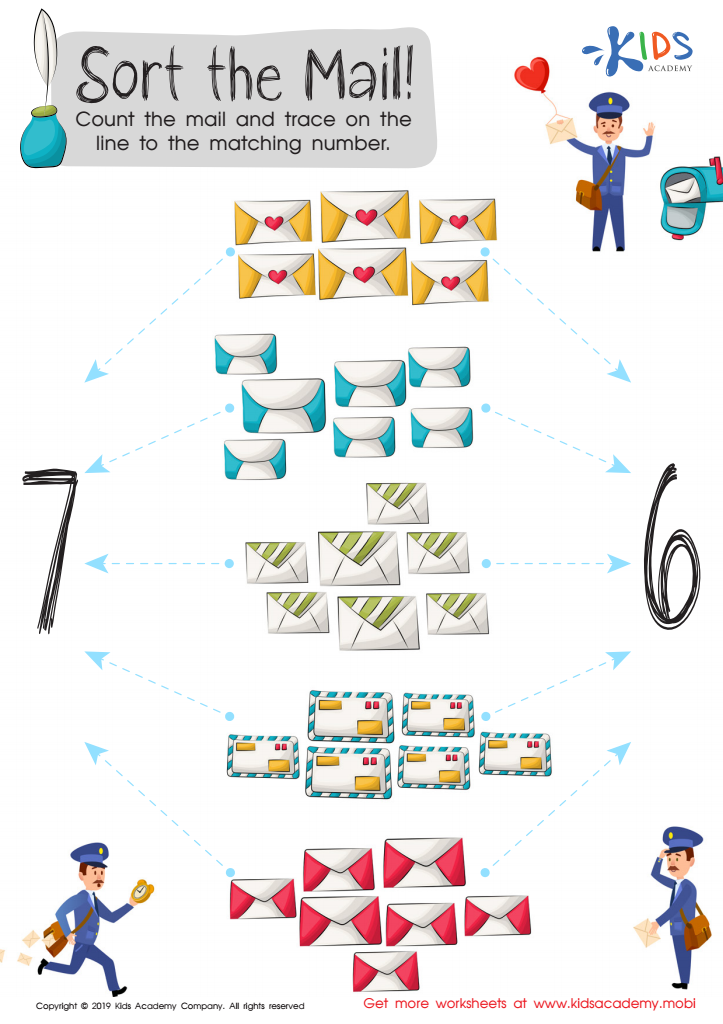
Sort the Mail Worksheet
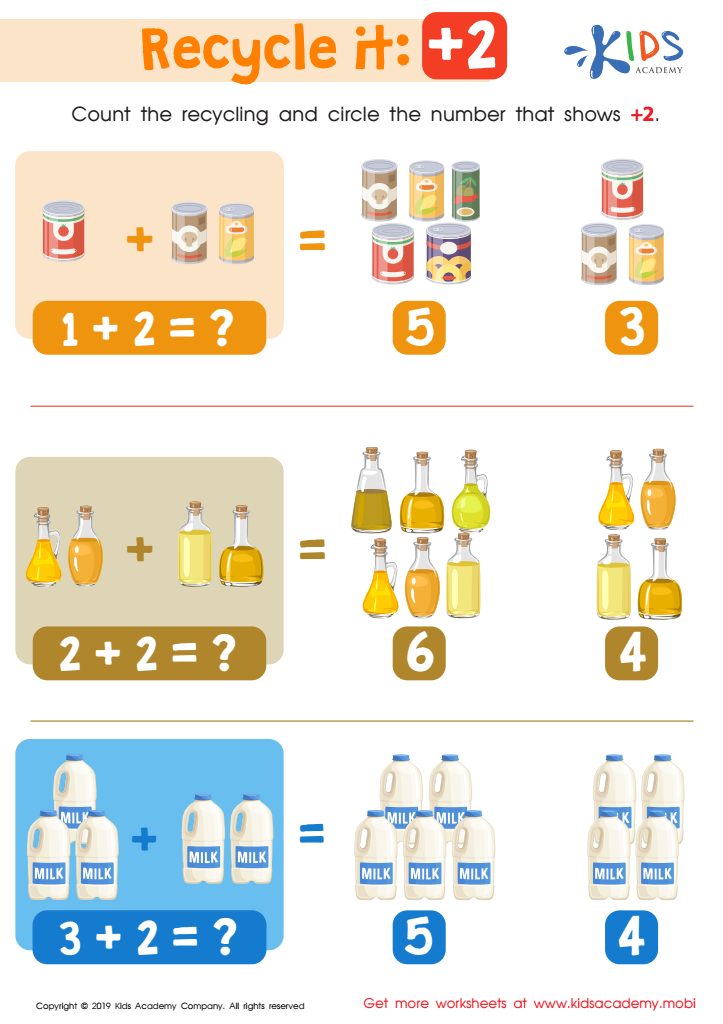
Recycle It: +2 Worksheet
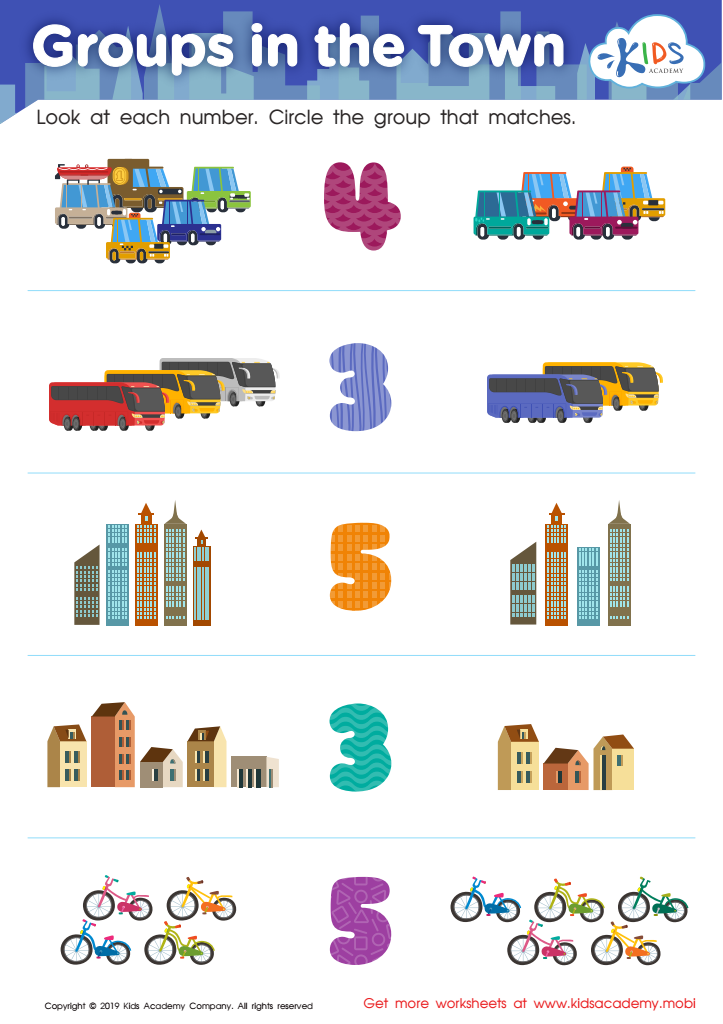
Groups in the Town Worksheet







Categorization skills are fundamental in early childhood education, particularly in kindergarten math. Parents and teachers should prioritize these skills because they underpin a child’s ability to organize information and make sense of their surroundings. When children learn to categorize objects based on similarities and differences—such as colors, shapes, sizes, and types—they develop critical thinking and problem-solving abilities essential for future learning.
Moreover, categorization lays the groundwork for more advanced mathematical concepts, including sorting, grouping, and understanding patterns. It enhances cognitive development, enabling children to recognize relationships between different items and predict outcomes, which are valuable skills beyond academics. Engaging in categorization activities can also promote language skills, allowing children to articulate their reasoning and describe their thought processes.
Furthermore, strong categorization skills foster social-emotional growth as children work in groups to classify items, building collaboration and communication skills. As students learn to categorize, they gain confidence in their mathematical abilities, setting the stage for a positive attitude towards learning. Ultimately, parents and teachers who focus on developing these skills provide children with tools that contribute to academic success, effective communication, and enhanced cognitive development throughout their educational journey.