Fine Motor Skills Easy Kindergarten Numbers 11–20 Worksheets
4 filtered results
-
From - To
Enhance your kindergartener's fine motor skills with our fun and engaging Numbers 11–20 Worksheets! Designed specifically for young learners, these worksheets offer a delightful way to practice number recognition, counting, and writing. Each activity not only strengthens number skills but also hones essential fine motor control through tracing, coloring, and simple problem-solving tasks. Perfect for classroom or at-home learning, our worksheets support developmental milestones and keep children motivated with captivating graphics and easy-to-follow instructions. Help your child master numbers 11–20 while building critical pre-writing motor skills with these expertly-crafted resources.
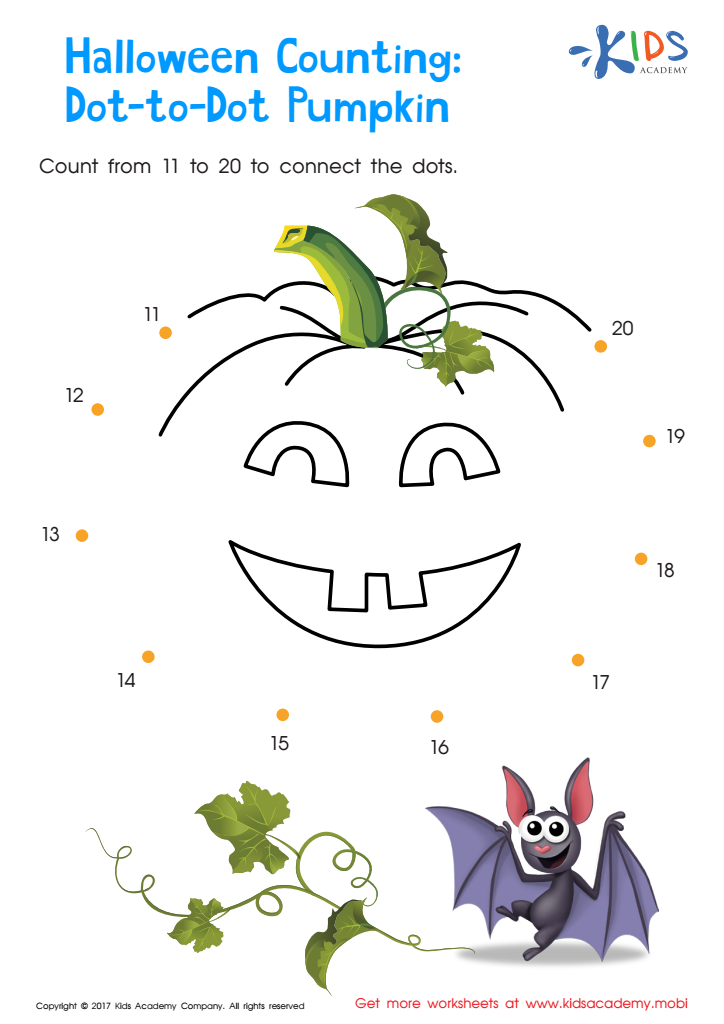
Ordering 11–20: Halloween Counting Worksheet
 Assign to My Students
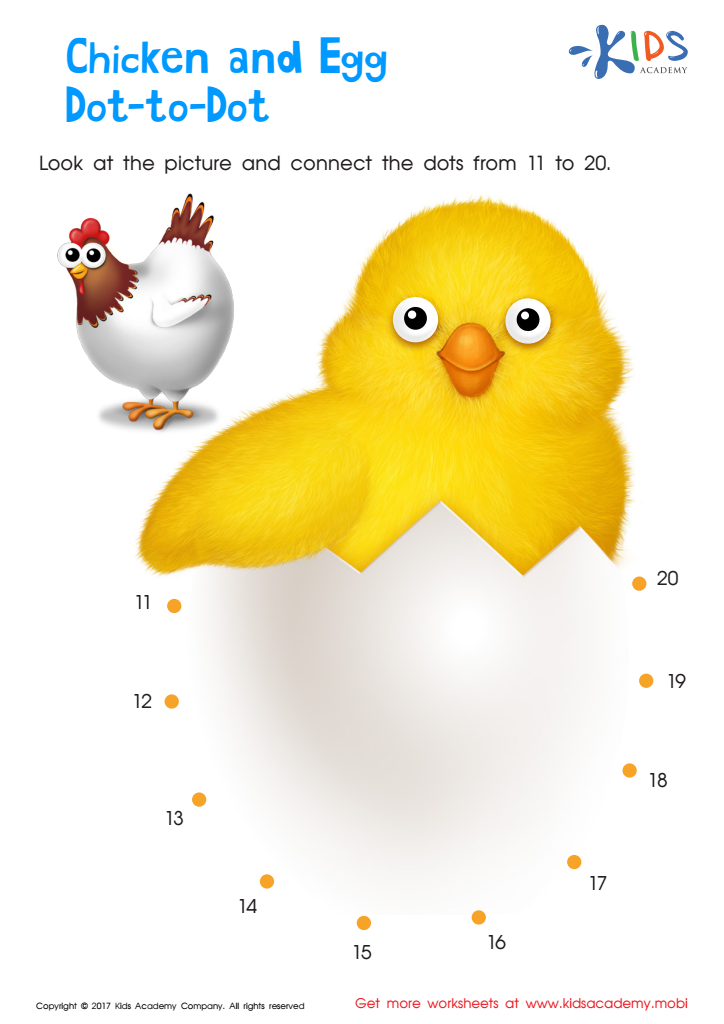
Ordering 11–20: Chicken & Egg Dot–to–dot Worksheet
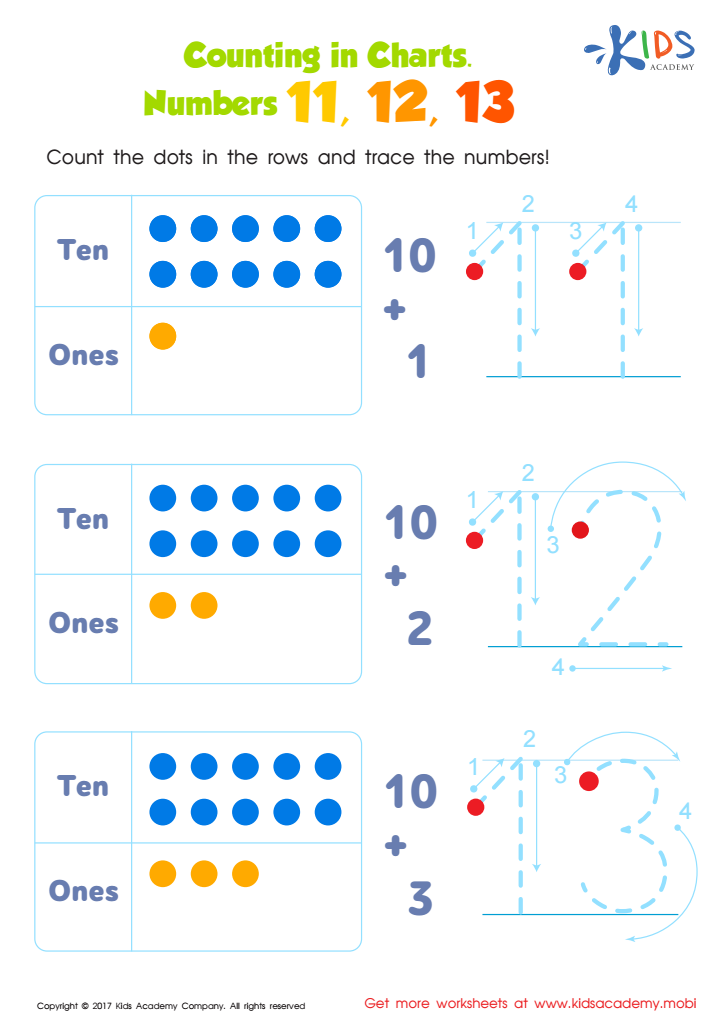
Number Tracing Worksheet For Kindergarten
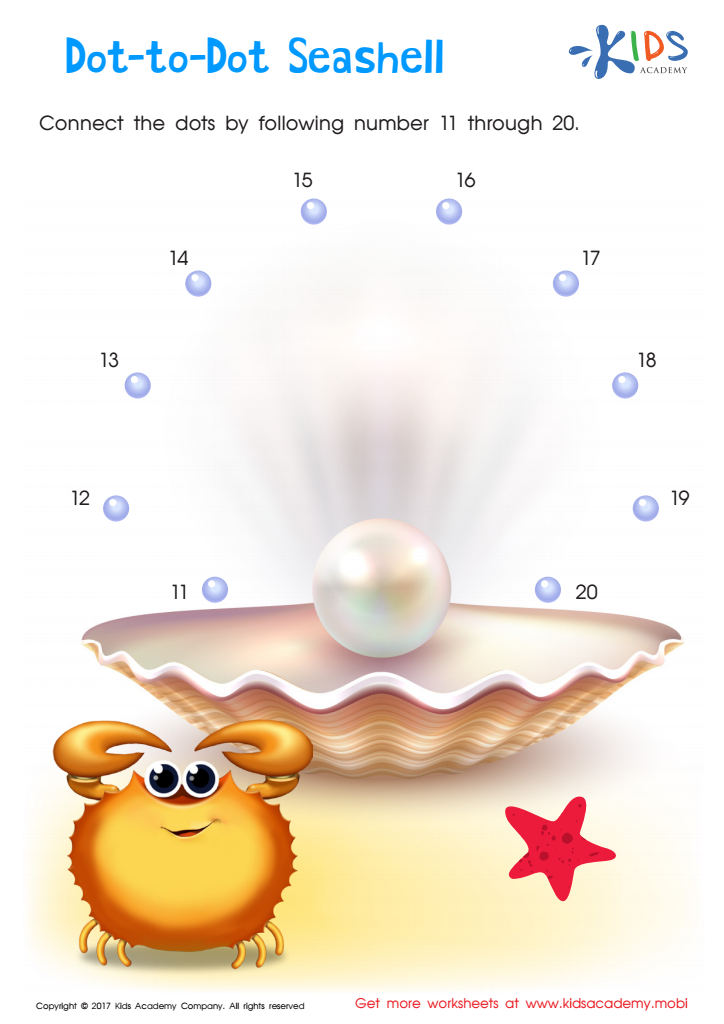
Ordering 11–20: Dot–to–dot Seashell Printable



Parents and teachers should care about fine motor skills when teaching kindergarten numbers 11–20 because this crucial developmental stage lays the foundation for a child's future academic success and everyday functioning. Fine motor skills involve the coordination of small muscles in movements, typically of the hands and fingers, in coordination with the eyes. These skills are essential for performing tasks such as writing, cutting, buttoning, and tying shoes.
By focusing on numbers 11-20, children are not only learning foundational math concepts but also practicing tasks that strengthen their fine motor skills. Activities like tracing numbers, coloring within lines, using manipulatives, or counting beads help develop hand-eye coordination and dexterity. These skills support pencil grip and handwriting fluency, crucial for advanced writing tasks they'll encounter as they progress in school.
Stronger fine motor skills also boost a child's confidence and independence. As they become more proficient, they tackle more complex projects with less frustration, positively affecting their overall learning experience. Ergo, integrating fine motor skill activities with academic content, like numbers 11-20, enhances both cognitive and physical development, setting a robust framework for future educational achievements and daily-life skills.