Basic Addition Easy Counting Worksheets
3 filtered results
-
From - To
Discover the joy of learning with our "Basic Addition Easy Counting Worksheets"! Designed for young learners, these worksheets provide a fun and engaging way for kids to develop their addition skills. Featuring colorful illustrations and simple problems, they are perfect for reinforcing counting concepts and building a strong foundation in math. Our printable resources cater to varying skill levels, ensuring every child can succeed while enjoying the process. Help your child confidently explore the world of numbers, from basic sums to hands-on counting activities. Visit our site to access these essential tools for early math education and watch your child's mathematical abilities flourish!
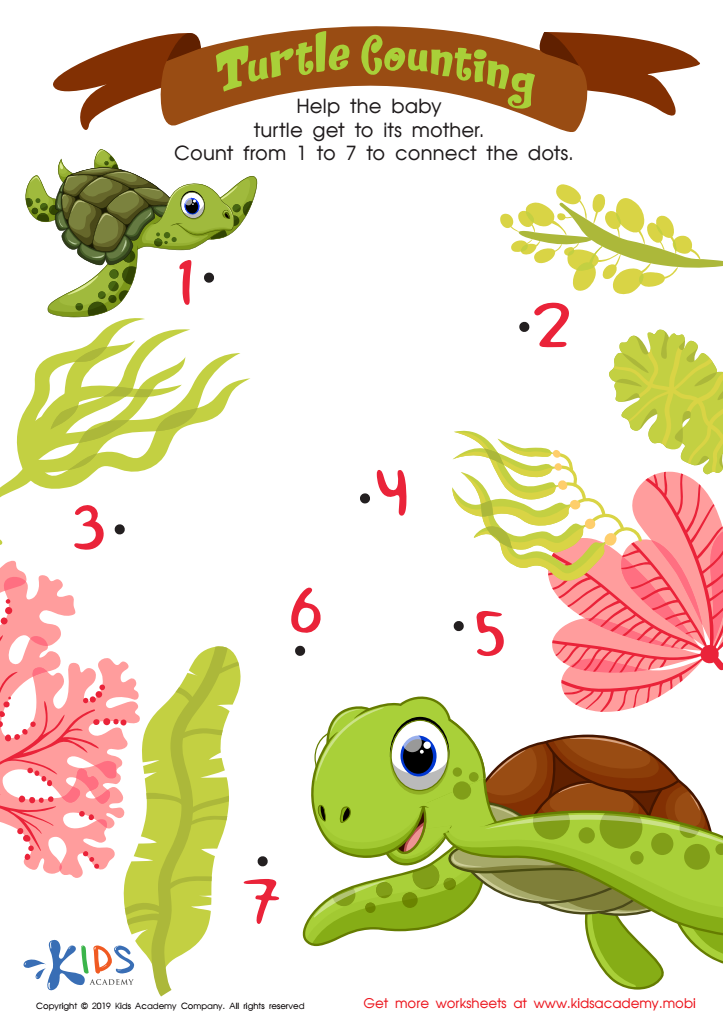
Turtle Counting Worksheet
 Assign to My Students


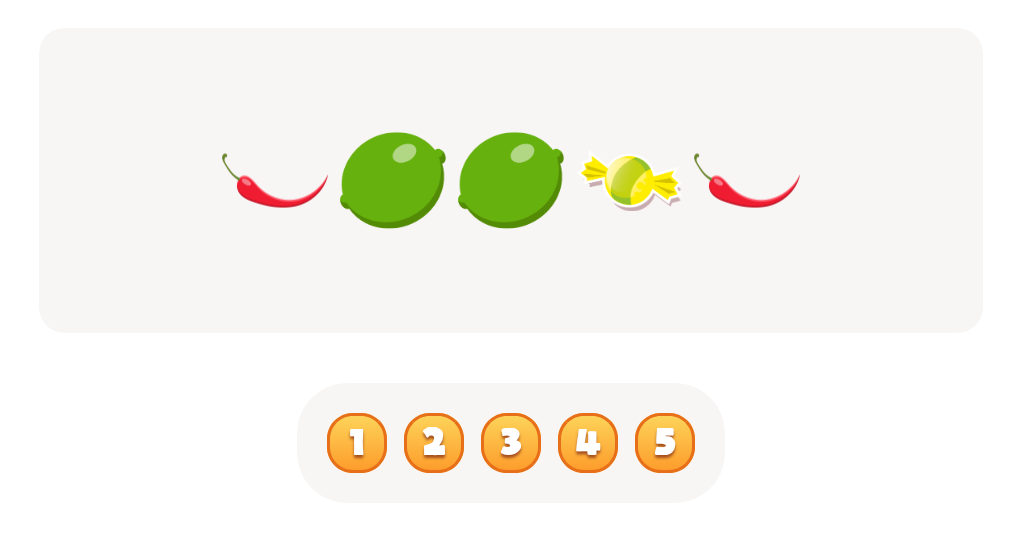
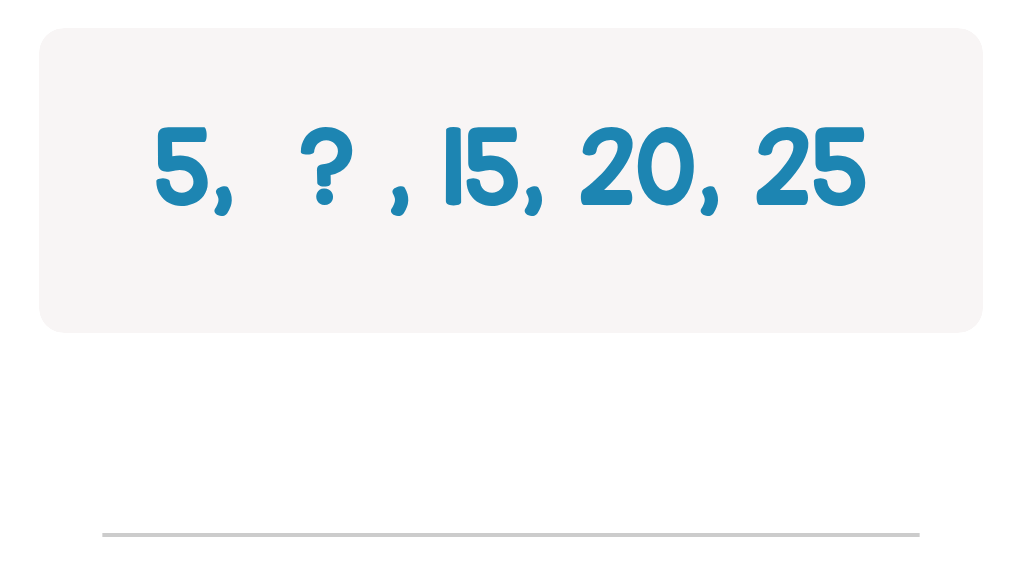
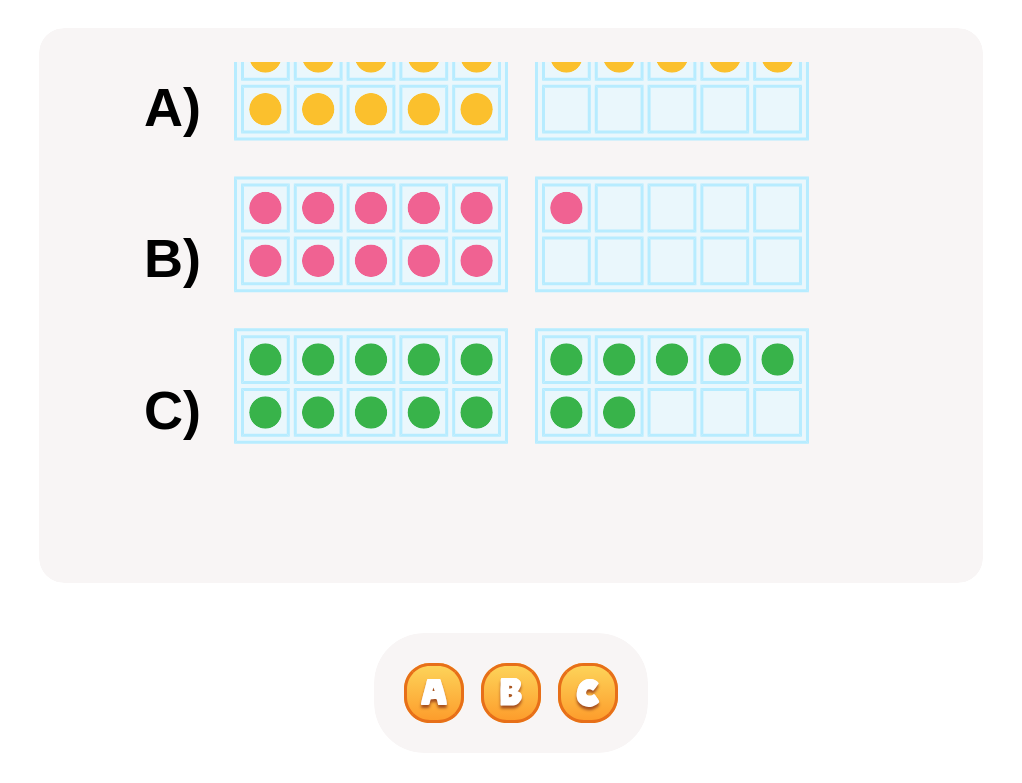
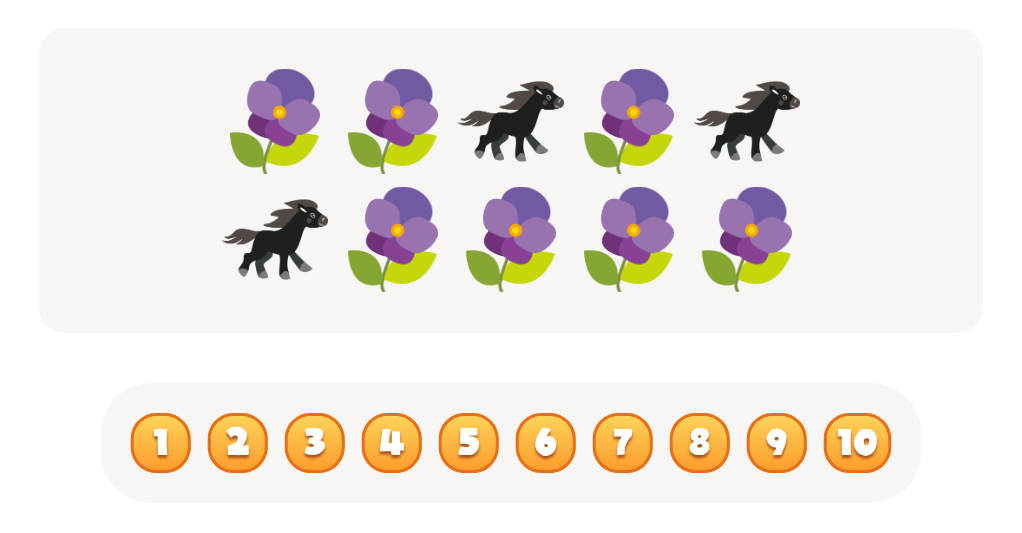
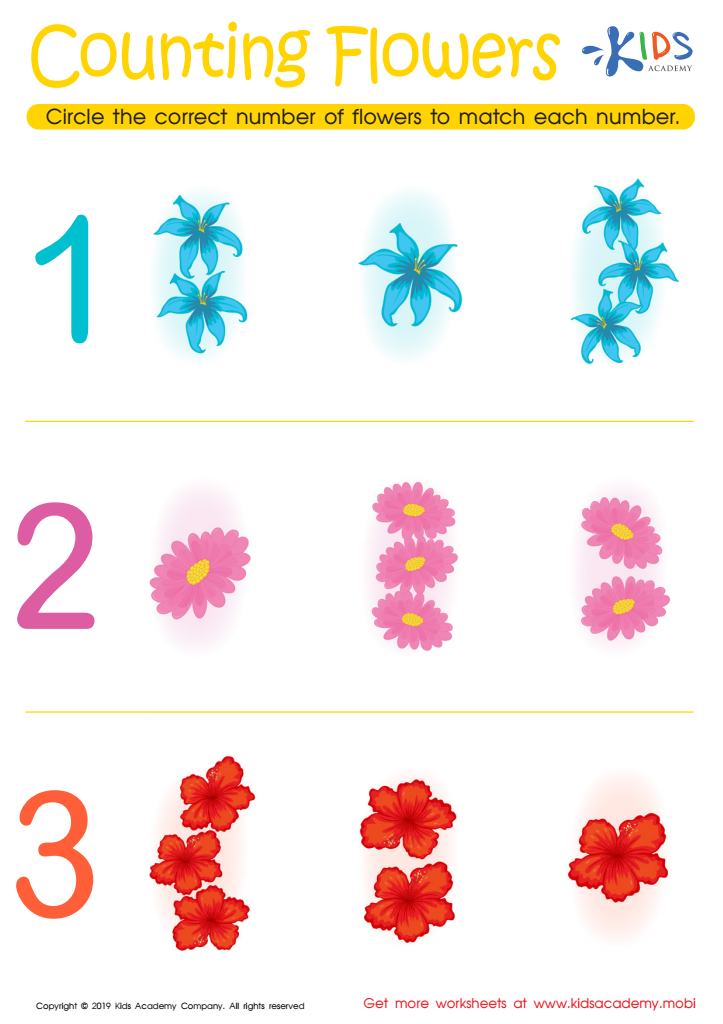
Counting Flowers Worksheet
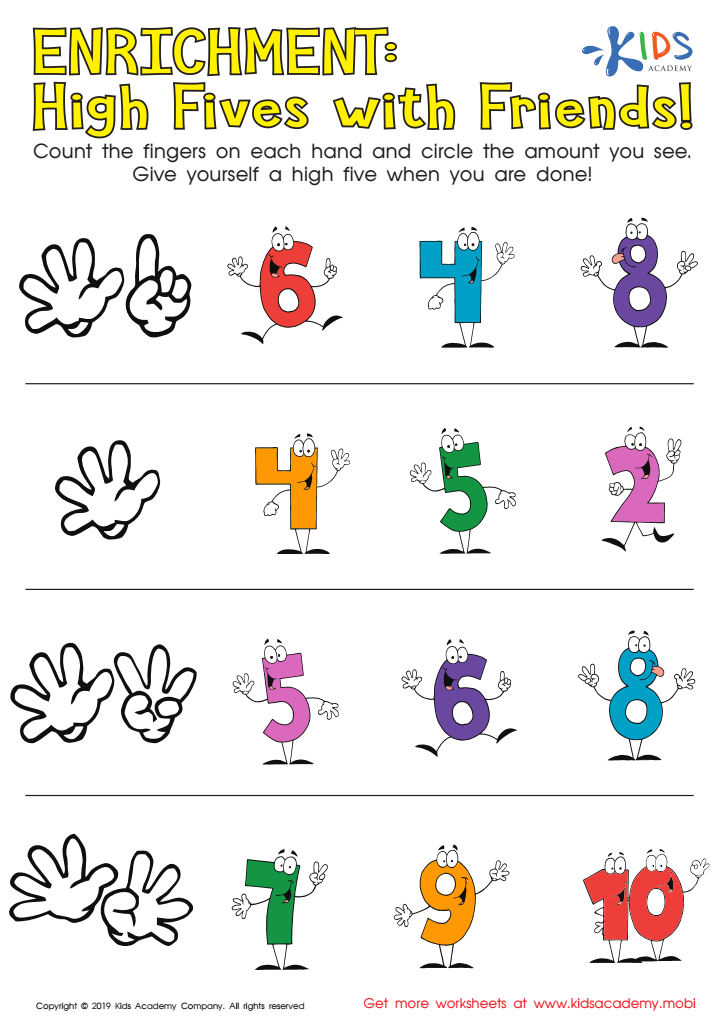
Enrichment: High Fives with Friends! Worksheet








Parents and teachers should prioritize basic addition and counting as foundational skills in early education for several crucial reasons. First, these skills form the building blocks for mathematical understanding. Mastery in counting and addition helps children recognize patterns, understand sequences, and develop problem-solving abilities.
Moreover, learning basic addition boosts children’s confidence in their mathematical capability, preparing them for more complex concepts in later grades. Early competence in math creates a positive attitude toward learning, encouraging a lifelong love for the subject.
Additionally, basic addition is not solely an academic skill; it’s essential for daily life. Children encounter situations requiring counting or simple addition in various contexts, like sharing snacks or planning playtime. Mastery of these skills can empower students to navigate everyday experiences independently.
Furthermore, a solid foundation in addition counters future math anxiety, allowing children to build upon their skills without fear of failure. Engaging parents in this learning can further foster a supportive environment, integrating math practice into home life.
In essence, focusing on basic addition and easy counting equips children with essential skills that influence their academic journey and everyday interactions, making it a priority for educators and families alike.








