Fruit identification Easy Math Worksheets
3 filtered results
-
From - To
Discover the fun of learning with our "Fruit Identification Easy Math Worksheets"! Perfect for young minds, these engaging worksheets combine the joy of identifying a variety of fruits with essential math skills practice. Each worksheet is thoughtfully designed to help children recognize fruits while solving simple math problems, enhancing their cognitive abilities and observational skills. Ideal for early learners, our worksheets make education a delightful experience by blending visual appeal with practical exercises. Download today and make math enjoyable with fruity puzzles that teach counting, addition, subtraction, and more. Join us now and nurture your child's love for learning!
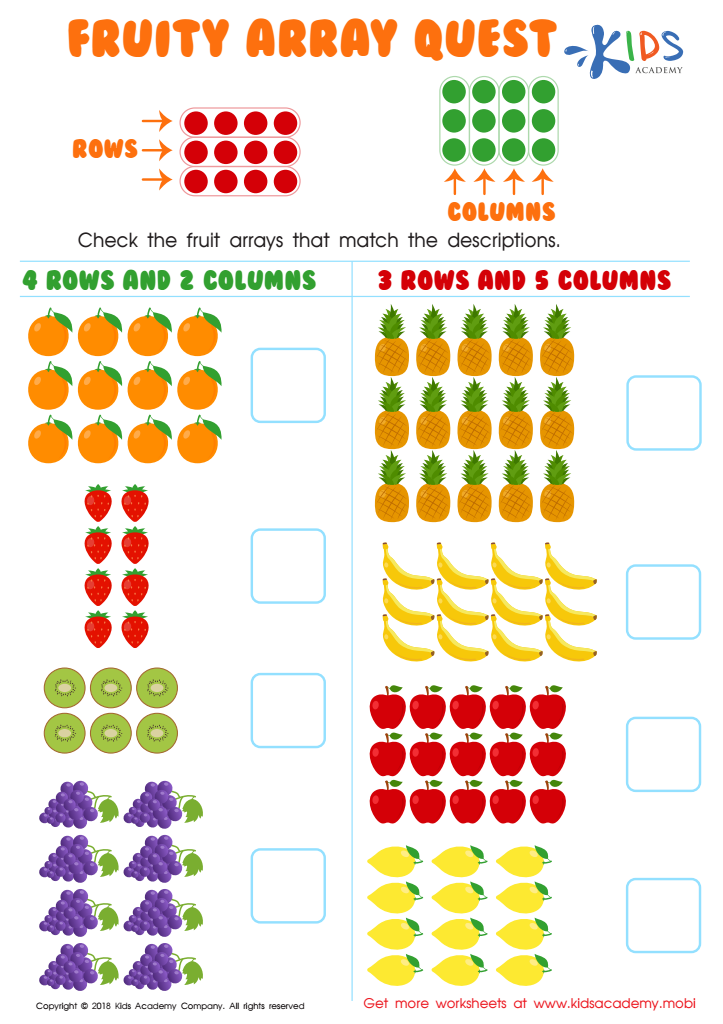
Fruity Array Quest Worksheet
 Assign to My Students
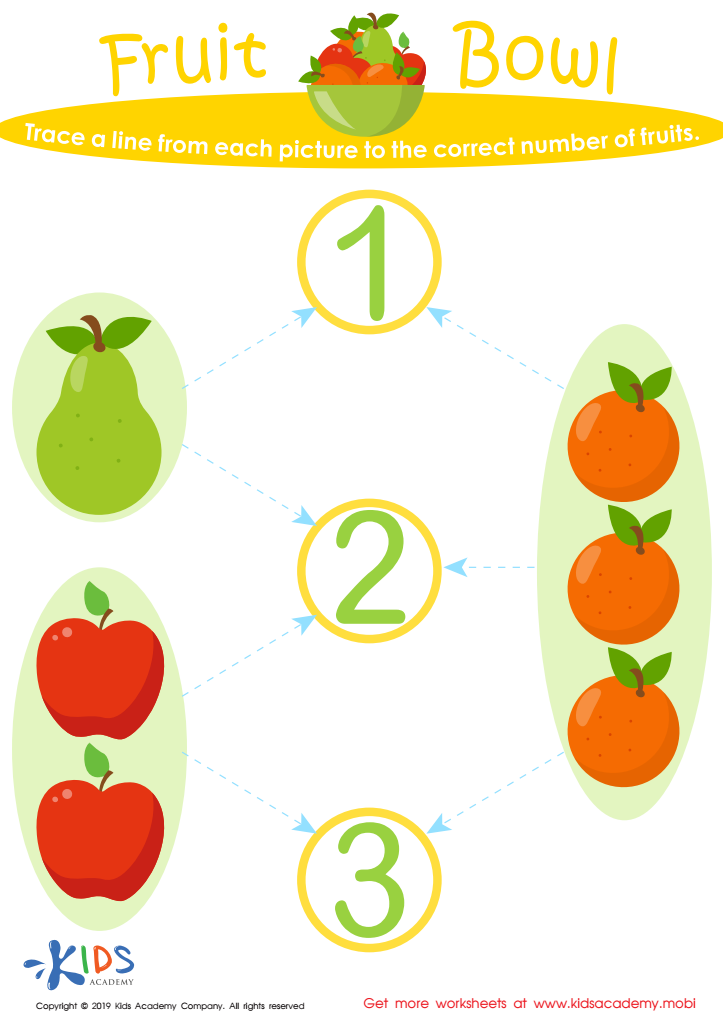
Fruit Bowl Worksheet
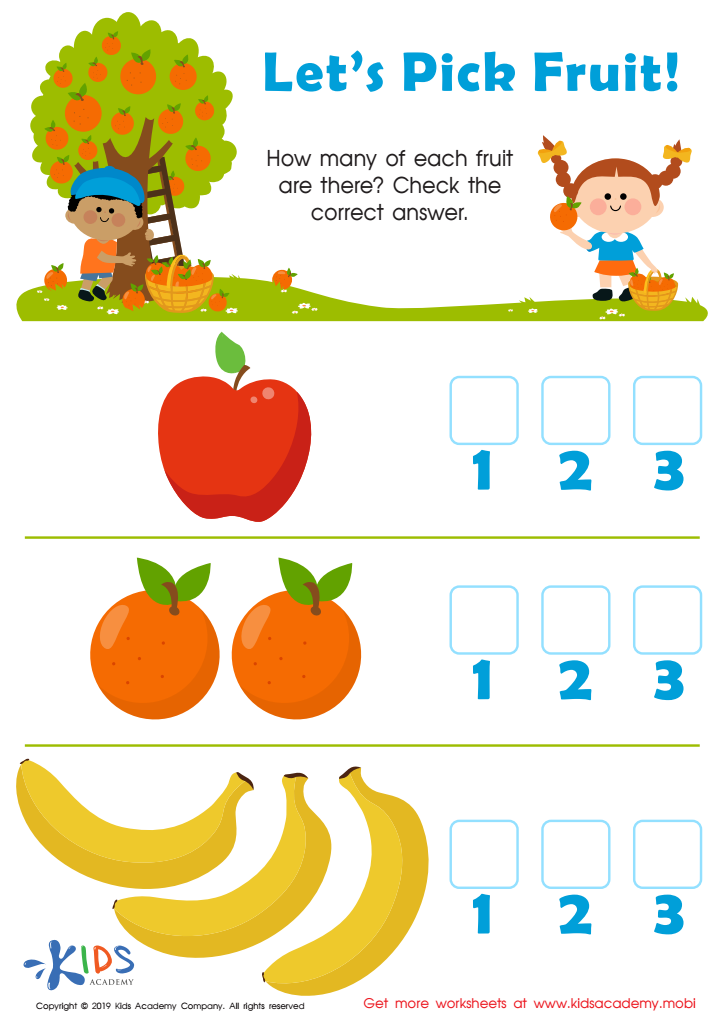
Let's Pick Fruit Worksheet





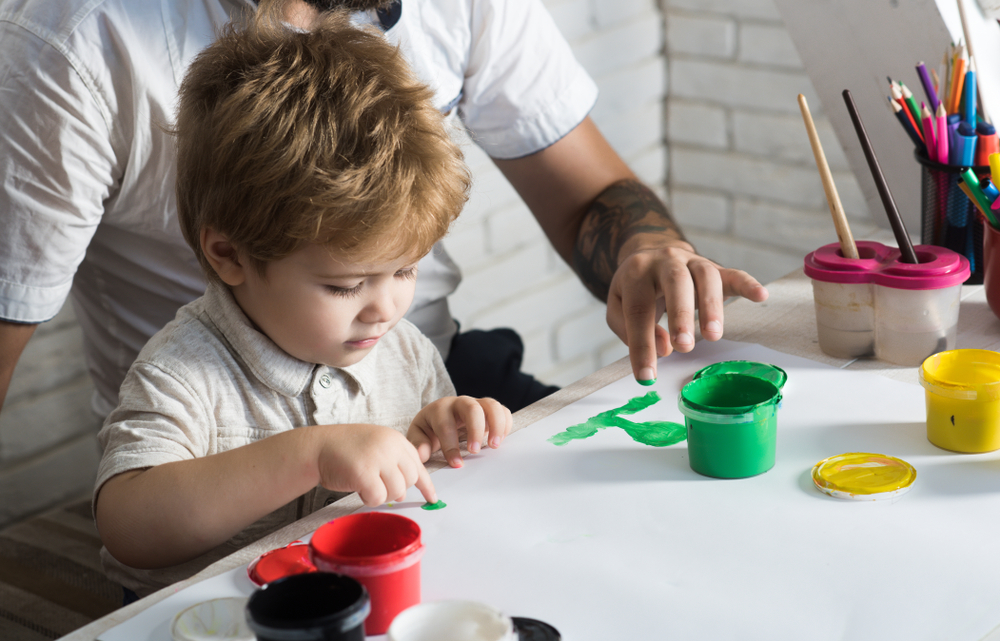
.jpg)
Fruit identification and easy math lay the groundwork for foundational skills that parents and teachers should prioritize for young learners. Learning to identify fruits enhances children's vocabulary, nutritional knowledge, and environmental awareness. When children recognize various fruits, they also become more curious about healthy eating and are likely to make nutritious food choices, fostering lifelong healthy habits.
Integrating easy math concepts with fruit identification, like counting, sorting by size and color, or basic addition and subtraction with fruits, boosts cognitive development. These activities promote critical thinking, problem-solving, and numerical fluency in a tangible and engaging manner, making abstract concepts more relatable.
Moreover, these tasks can sharpen observational skills, as children note differences and similarities between fruits, enhancing their scientific thinking and attention to detail. Engaging in these activities in a hands-on manner (e.g., touching, smelling, even tasting fruits) caters to varied learning styles, ensuring an inclusive and comprehensive educational experience.
Teachers and parents who incorporate fruit identification and easy math into their routines not only build a strong academic foundation but also instill a love for learning. By embedding these fundamental concepts early, they prepare children for more complex subjects and create a positive, stimulating learning environment.








