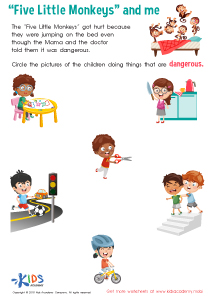
Cognitive Development Easy Building Vocabulary Worksheets
4 filtered results
-
From - To
Boost your child's cognitive development with our "Easy Building Vocabulary Worksheets" tailored for young learners. These engaging and educational resources are designed to expand vocabulary and improve language skills through fun, interactive exercises. Perfect for early grade students, our worksheets cover a wide range of topics, promoting critical thinking and comprehension. Each worksheet is crafted by education experts to ensure age-appropriate challenges, helping kids enhance their word recognition and usage. Foster your child's curiosity and love for learning with our easy-to-follow, printable vocabulary worksheets, the ideal tool for building a strong language foundation.
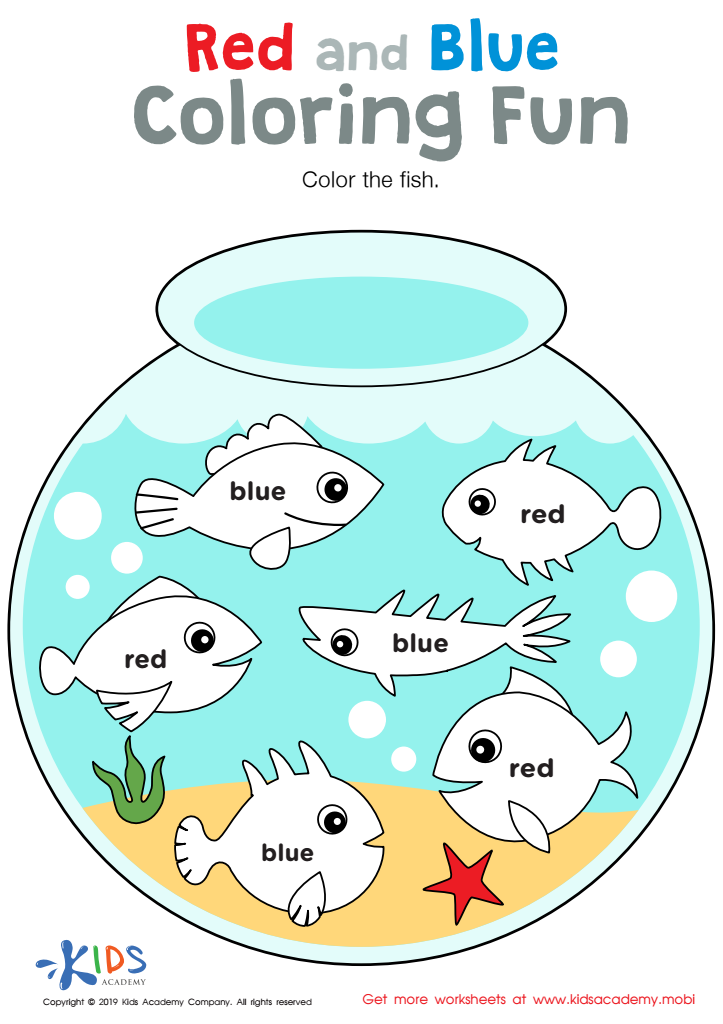
Red and Blue Coloring Fun Worksheet
 Assign to My Students











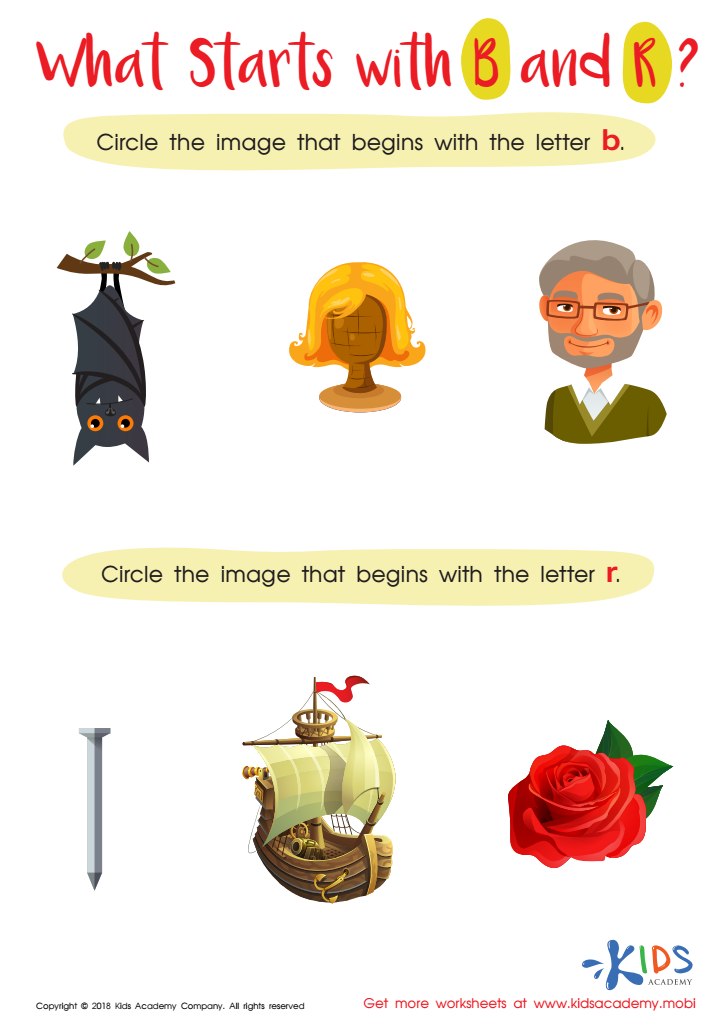
What Starts with B and R? Worksheet
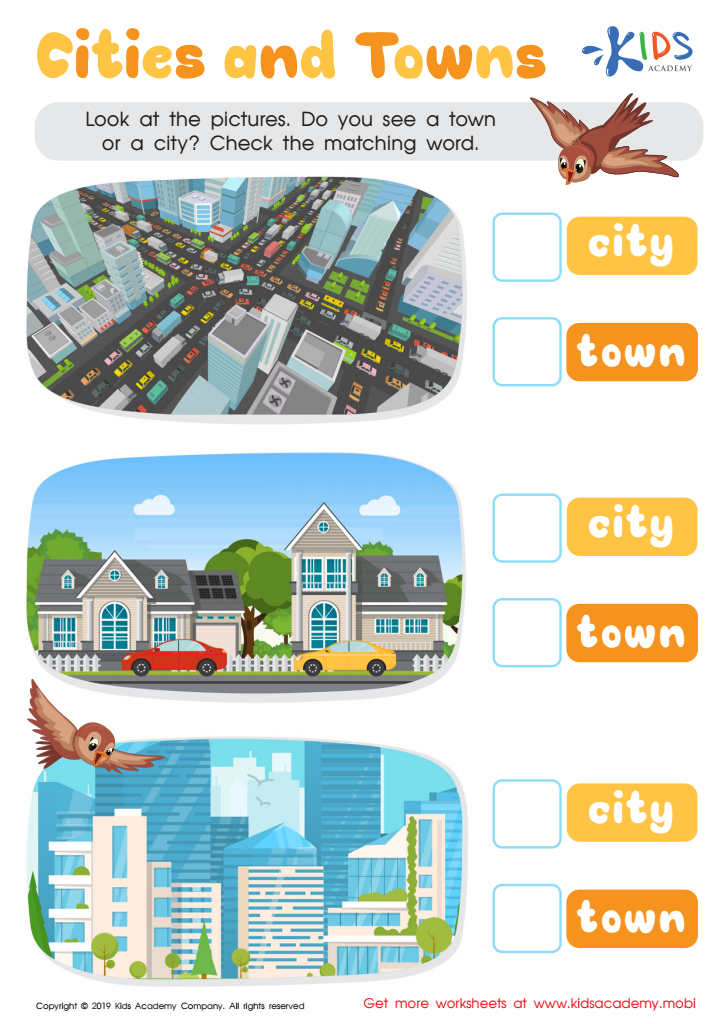
Cities and Towns Worksheet
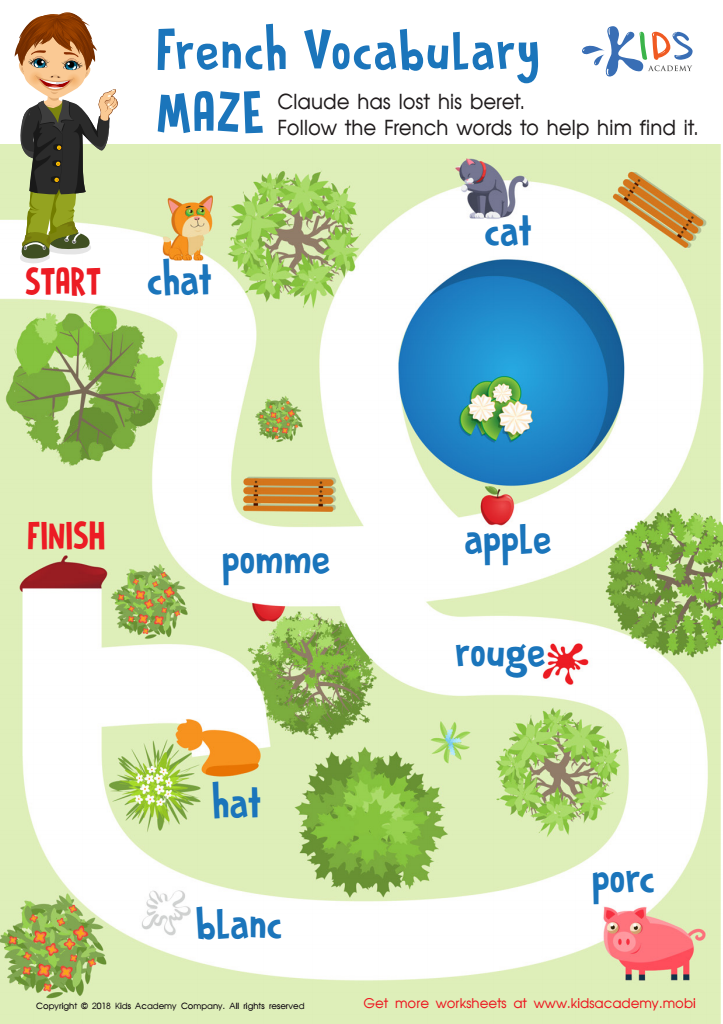
French Vocabulary Maze Worksheet








Caring about cognitive development and building vocabulary in early childhood is crucial for both parents and teachers. Cognitive development encompasses the growth of intellectual abilities, enabling children to think, understand, problem-solve, and retain information. A rich vocabulary is a critical component of this overall cognitive growth, serving as a foundation for effective communication, reading comprehension, and academic success.
When parents and teachers engage in activities that promote vocabulary enhancement—such as reading aloud, engaging in conversations, or playing word games—they facilitate a child's cognitive processing and language skills. This also bolsters memory and attention, which are key during the formative years. Featuring an expanded vocabulary allows children to express their thoughts and emotions more accurately and interact more proficiently with peers and adults.
A robust vocabulary is directly linked to better academic performance. Children adept at language are more likely to excel in reading and writing, leading to a positive attitude towards learning and education as a whole. Additionally, a strong vocabulary boosts self-esteem and confidence as children feel more competent in both academic and social contexts.
Therefore, dedicating time and effort to support cognitive development and vocabulary building equips children with essential skills needed for lifelong success, making it a vital priority for parents and educators alike.