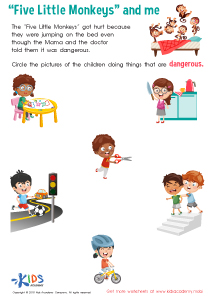
Critical Thinking Easy Building Vocabulary Worksheets
3 filtered results
-
From - To
Unlock the power of critical thinking with our easy building vocabulary worksheets! Designed for young learners, these engaging resources foster essential skills while expanding vocabulary. Our worksheets encourage students to think deeply, analyze information, and make connections between words and concepts. Through fun activities and interactive exercises, children will develop comprehension and reasoning abilities, setting them up for academic success. Each worksheet is crafted to spark curiosity and creativity, making learning enjoyable and effective. Explore our collection and watch your students enhance their language skills while honing their critical thinking capabilities. Perfect for classroom use or at-home practice!
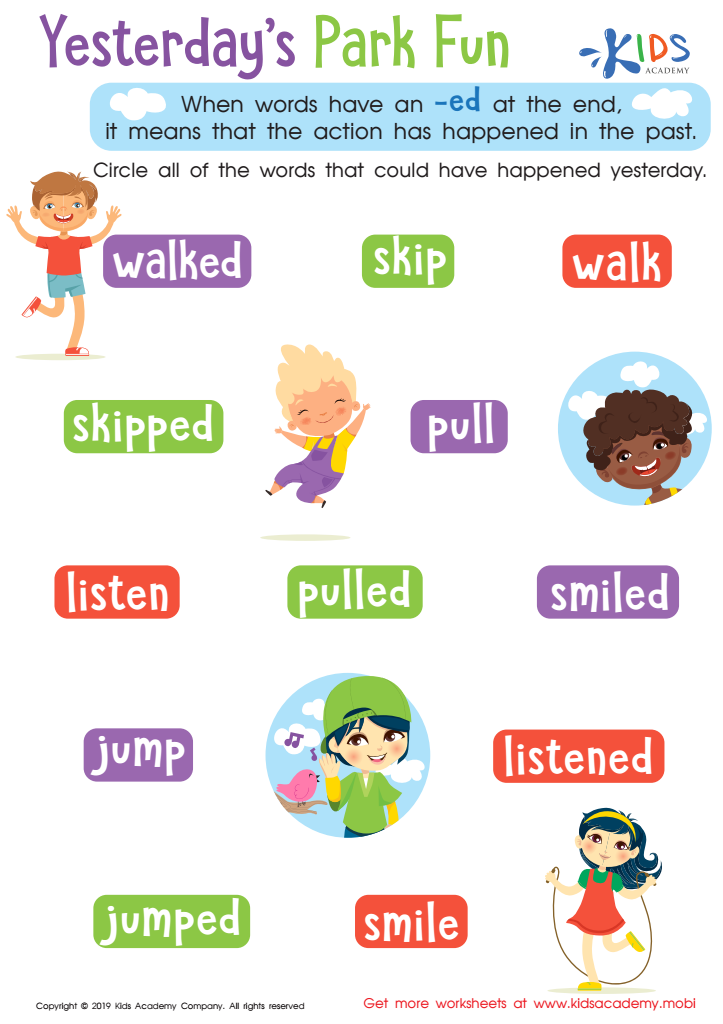
Yesterday's Park Fun Worksheet
 Assign to My Students











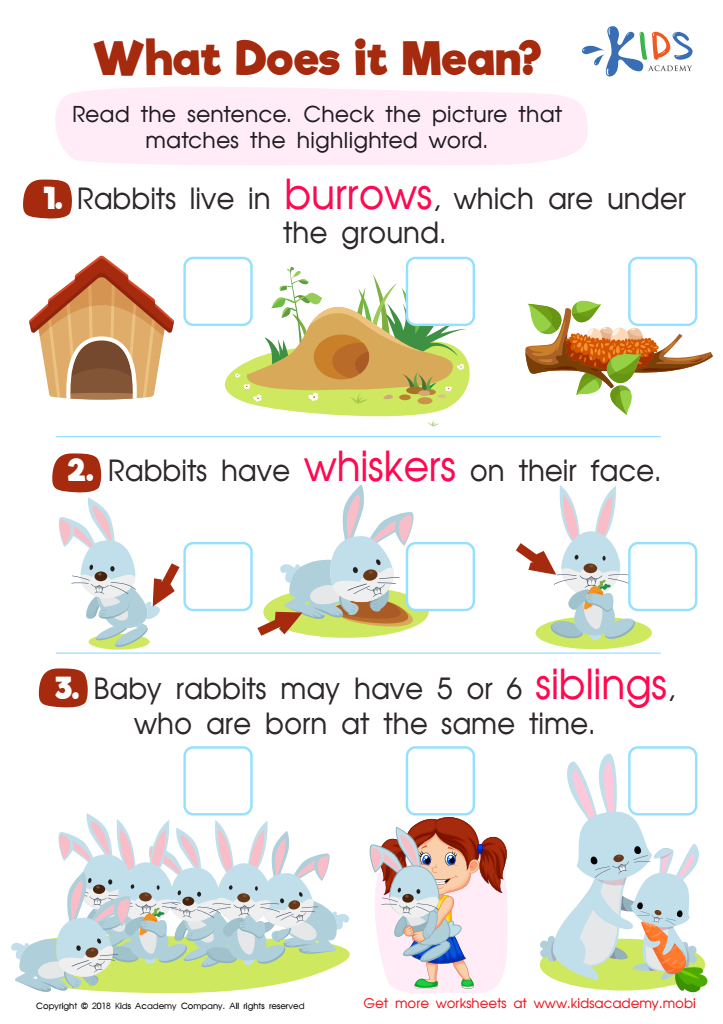
What Does It Mean? Worksheet
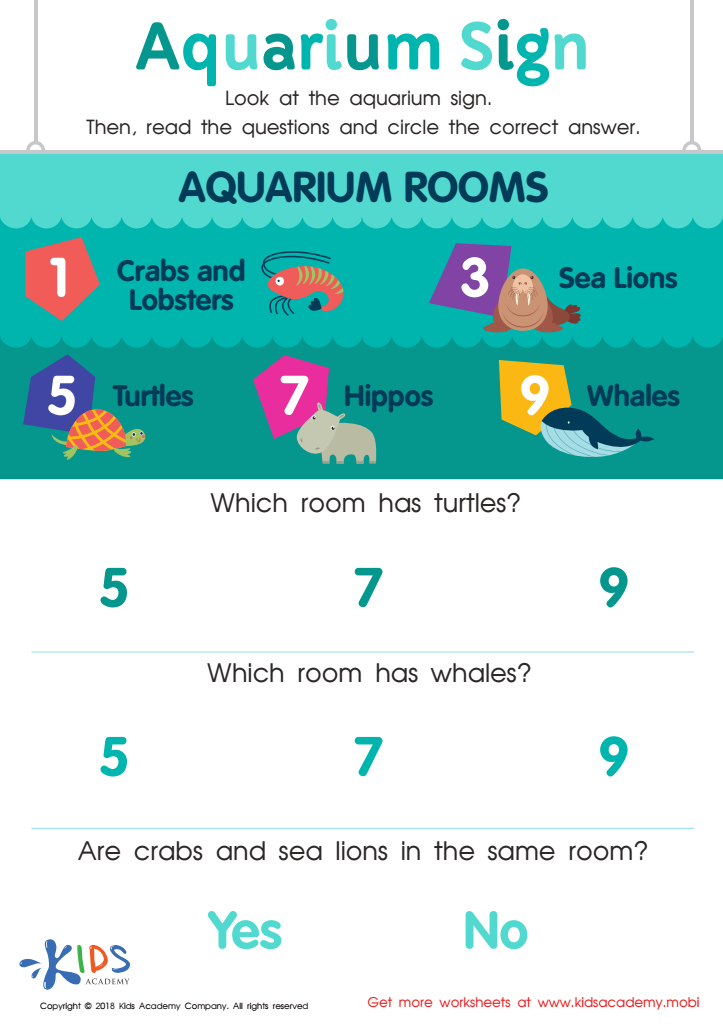
Assessment: Aquarium Sign Worksheet







.jpg)
Parents and teachers should prioritize critical thinking and vocabulary development because these skills form the foundation for lifelong learning and effective communication. Critical thinking enables students to analyze information, assess arguments, and solve problems creatively. This skill fosters independence and confidence, allowing children to navigate complex situations throughout their lives.
Building a robust vocabulary is equally essential. A rich vocabulary allows students to articulate their thoughts clearly, understand diverse texts more readily, and engage meaningfully in discussions. When children encounter new words regularly, their reading comprehension and writing skills improve, facilitating better academic performance across subjects.
Moreover, critical thinking and vocabulary development are interconnected. A well-rounded vocabulary enhances students' ability to comprehend and critically evaluate information. As they learn to express their ideas with precision, they become more adept in dissecting concepts and forming reasoned opinions.
Investing in these skills prepares children for the challenges of the modern world, where information is vast and varied, and discerning true value is vital. In nurturing critical thinking and vocabulary, parents and teachers are not just promoting academic success but empowering children to become thoughtful, articulate, and innovative individuals in society.