Enhancing observation skills Easy Reading Non-Fiction Worksheets
3 filtered results
-
From - To
Enhance your child's observation skills with our Easy Reading Non-Fiction Worksheets. Designed for early learners, these worksheets foster critical thinking and attention to detail. By engaging with real-world topics, children practice noticing subtle information and drawing insights. Each worksheet features captivating texts and corresponding questions that challenge young minds to look closer, understand better, and become avid observers. Perfect for both classroom and at-home use, these resources help develop essential reading skills while sparking curiosity. Explore our collection to support your child's journey towards proficient reading and sharpened observational abilities. Click to access and begin the learning adventure!
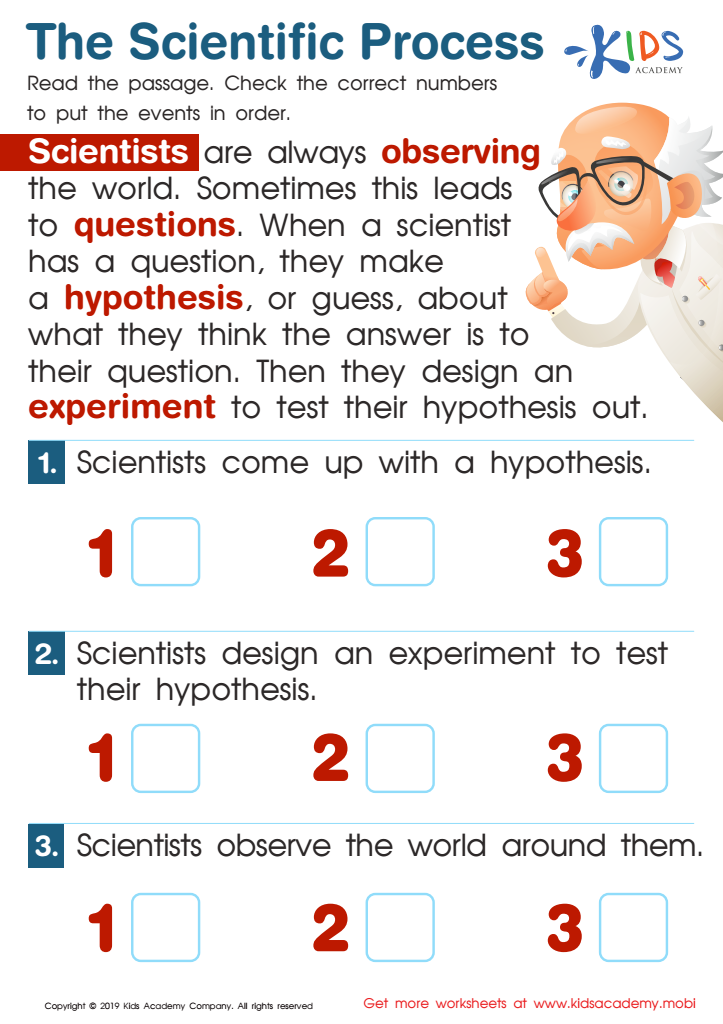
The Scientific Process Worksheet
 Assign to My Students
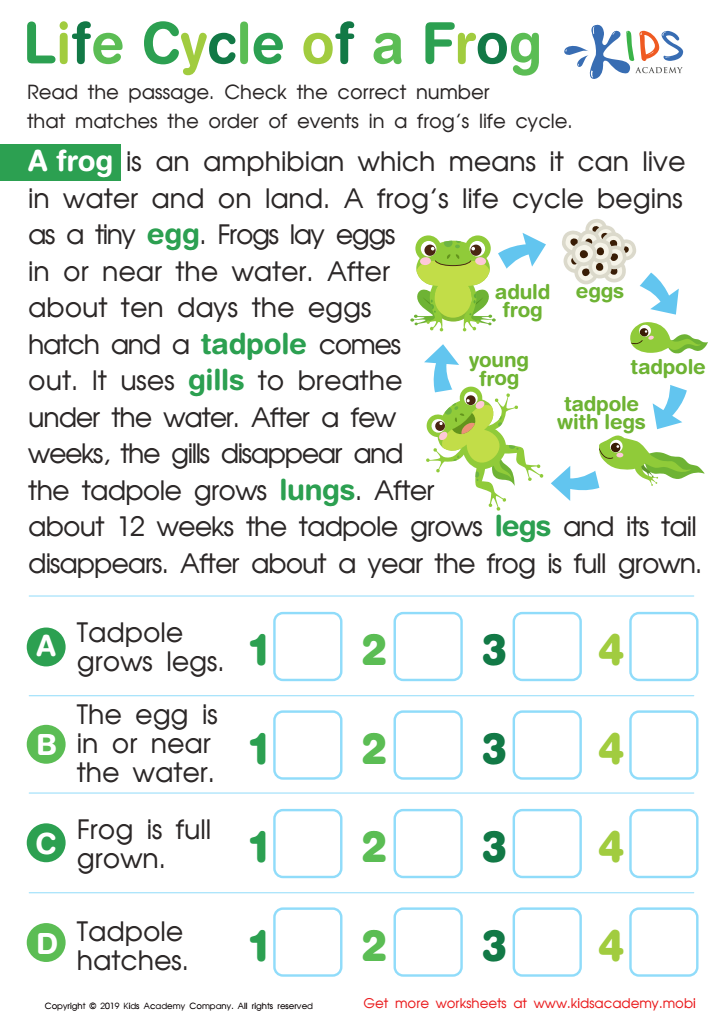
Life Cycle of a Frog Worksheet
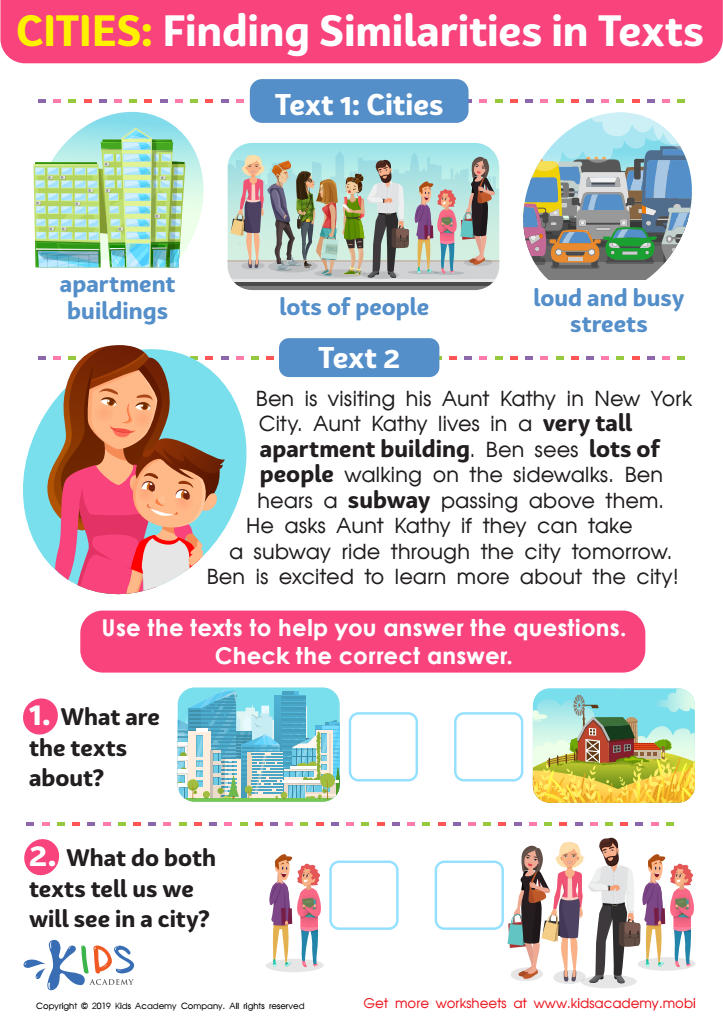
Cities: Finding Similarities Worksheet








Enhancing observation skills through easy reading non-fiction is crucial for young learners as it builds essential foundations for comprehensive learning and intellectual growth. Non-fiction texts increase factual knowledge and stimulate curiosity about the world—key traits that lead to lifelong learning. When children engage with topics like nature, science, history, or daily life, they're encouraged to notice details, ask questions, and seek answers, forming a solid base for critical thinking.
For parents and teachers, fostering strong observation skills nurtures a child's ability to pay attention to their environment and the abundant learning opportunities it provides. These skills translate into improved academic performance across subjects. As children read non-fiction, they often come across real-world scenarios that they can connect with field trips, experiments, or practical experiences, reinforcing what they've read and observed.
Well-trained observation skills also enhance language development. Kids learn to describe what they see vividly and accurately, expanding their vocabulary and improving communication. By cultivating these skills early through engaging, easy-to-read non-fiction material, you are not only boosting academic success but also inspiring a deeper understanding and appreciation of the world, setting the stage for enthusiastic and capable future learners.







