Alphabet Recognition Easy Grade 2 Letter Recognition Worksheets
5 filtered results
-
From - To
Discover our Alphabet Recognition Easy Grade 2 Letter Recognition Worksheets, designed to help young learners master the alphabet with fun and engaging activities. These worksheets provide a variety of exercises that enhance letter identification skills, promote phonemic awareness, and boost early literacy development. Each worksheet encourages students to recognize both uppercase and lowercase letters through tracing, matching, and coloring exercises tailored for second-graders. Perfect for classroom use or at-home practice, our resources aim to foster a love of learning while building essential foundations for reading and writing. Empower your child's learning journey with our captivating letter recognition worksheets today!
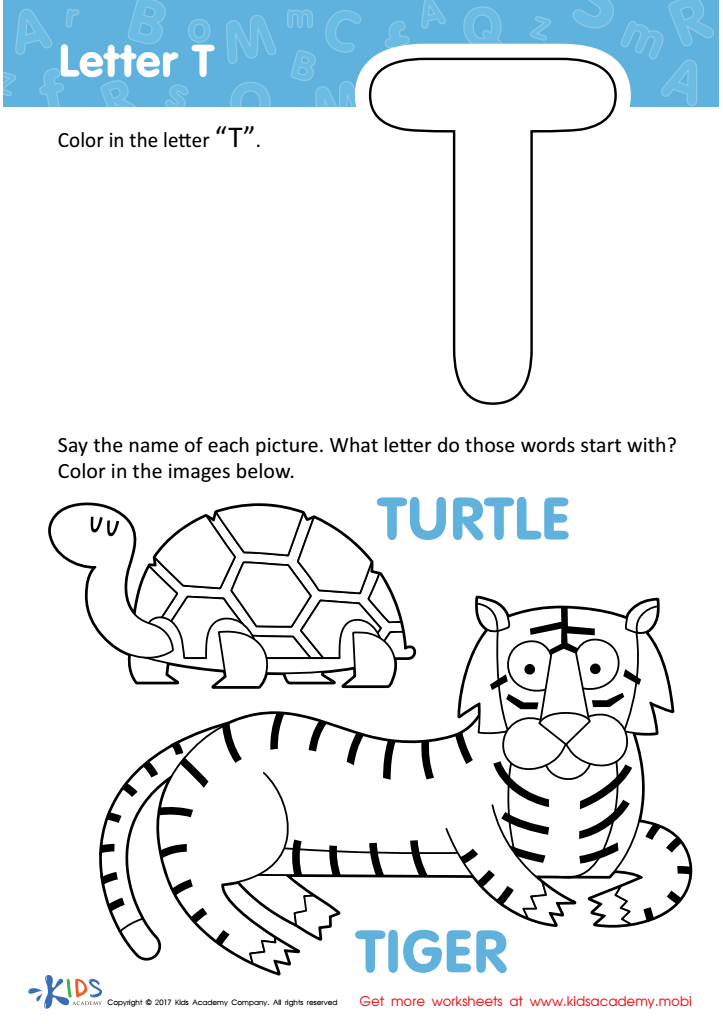
Letter T Coloring Sheet
 Assign to My Students
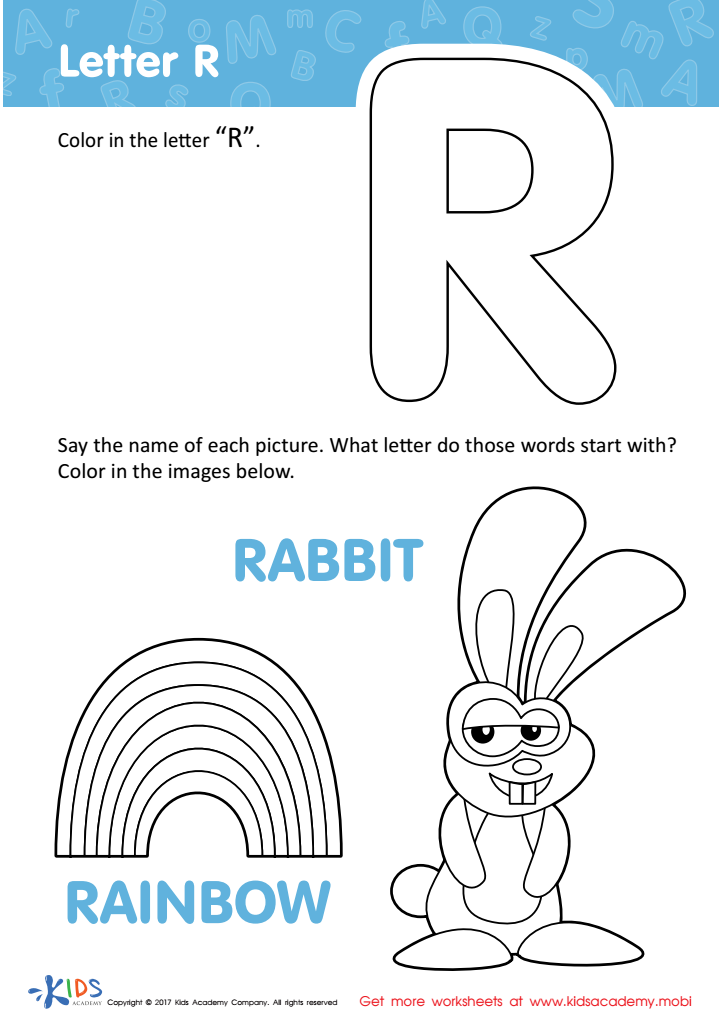
Letter R Coloring Sheet
Assign to My Students
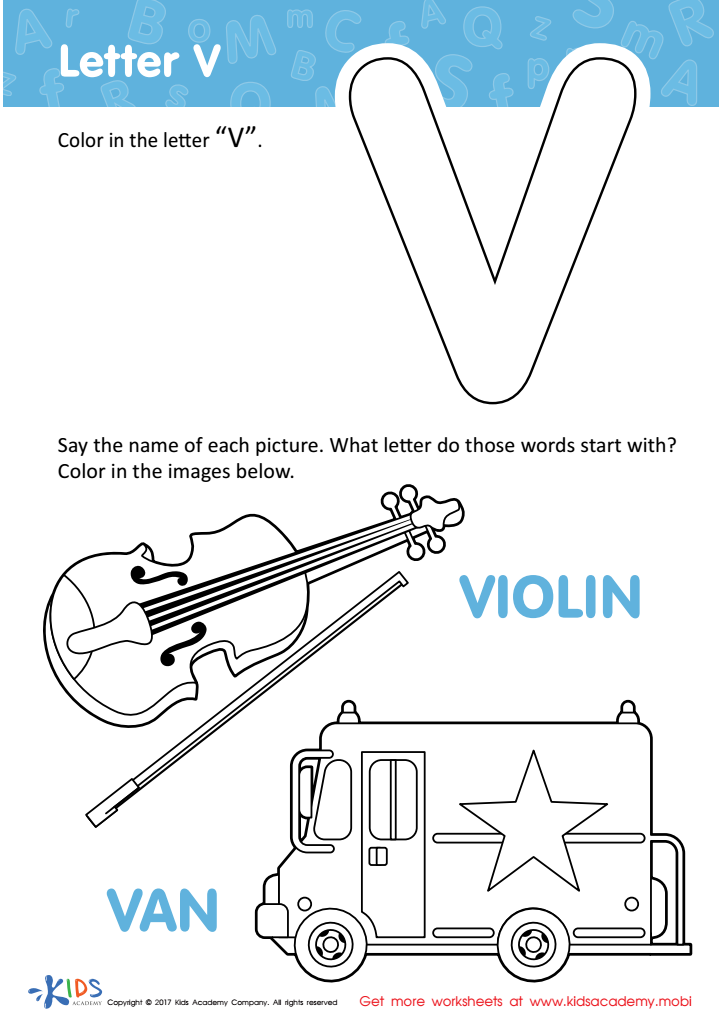
Letter V Coloring Sheet
Assign to My Students
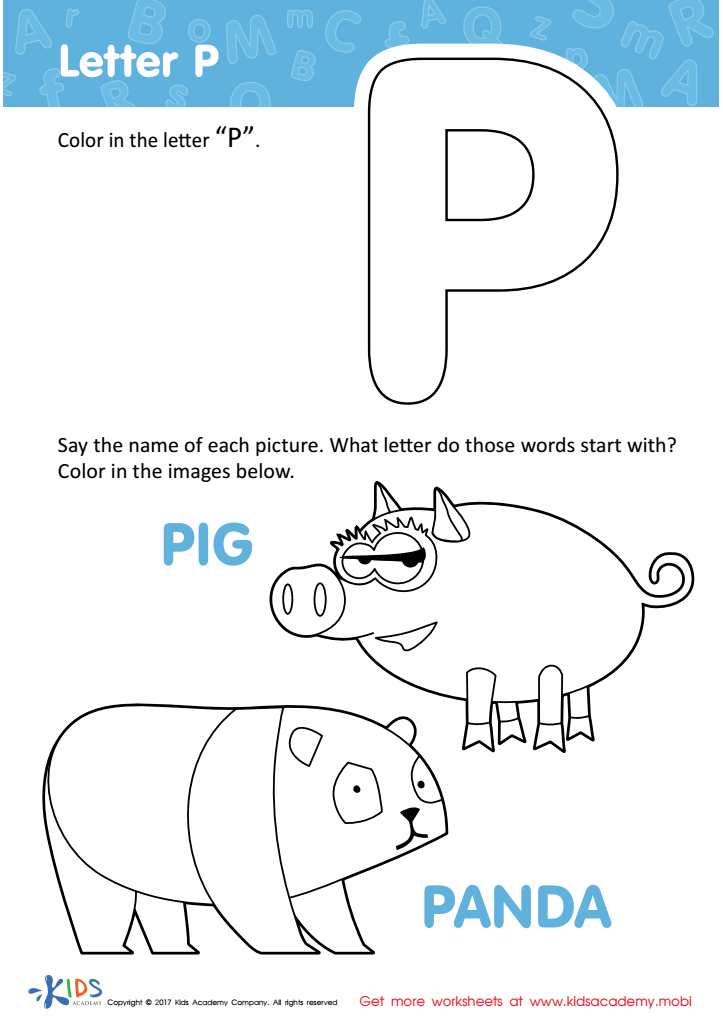
Letter P Coloring Sheet
Assign to My Students
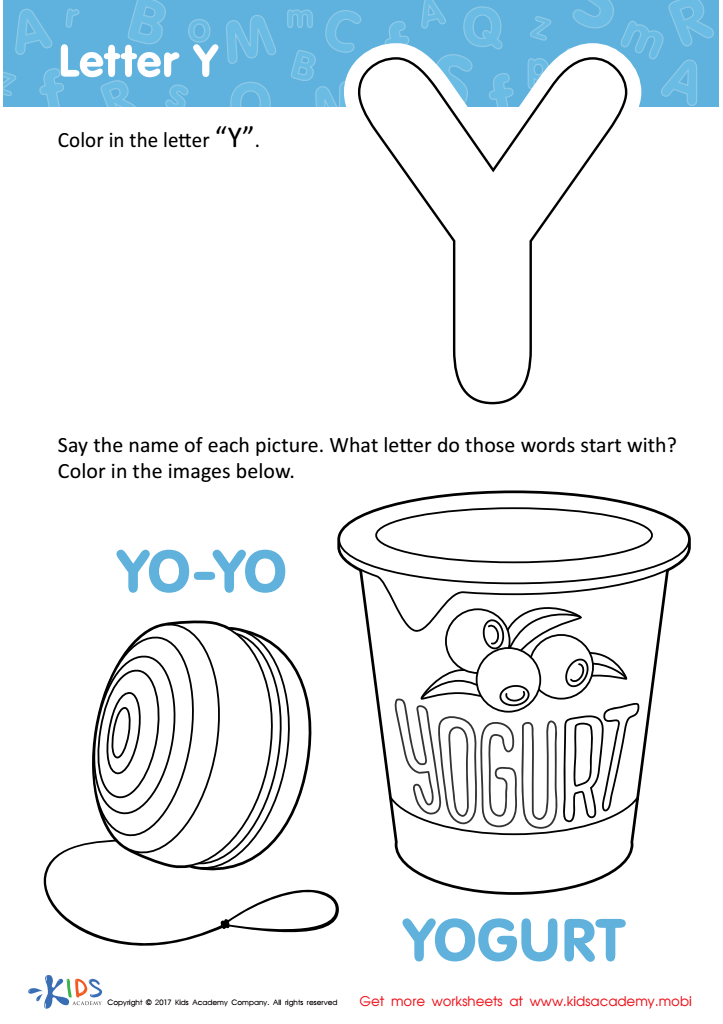
Letter Y Coloring Sheet
Assign to My Students




Alphabet recognition is a foundational skill that not only sets the stage for reading and writing but also shapes a child's overall academic success. For parents and teachers, focusing on easy Grade 2 letter recognition is essential for several reasons. Firstly, mastering letter recognition boosts a child’s confidence in literacy, enabling them to progress in reading and comprehension skills. When children can easily identify and name letters, they can better decode words, enhancing their ability to read fluently and with understanding.
Additionally, recognizing letters is closely linked to writing proficiency. Children who can identify letters can also learn to write them more effectively, leading to improved fine motor skills and composition abilities. This is particularly vital during Grade 2, where writing becomes more complex and is integrated across subjects.
In a collaborative learning environment, parents and teachers can work together to reinforce these skills through engaging activities. Such engagement not only nurtures a child's love for learning but also reinforces the importance of literacy as a building block for all future education. Ultimately, prioritizing alphabet recognition helps create confident, competent learners ready to tackle more challenging concepts in the years to come.