Matching skills Easy Grade 2 Worksheets
3 filtered results
-
From - To
Enhance your child's learning with our Easy Grade 2 Matching Skills Worksheets! Perfect for second graders, these printable resources are designed to improve critical thinking and processing skills through engaging activities. Each worksheet encourages your child to connect related concepts, making learning fun and interactive. Suitable for classroom or home use, these worksheets support diverse learning styles and reinforce essential skills. With a variety of themes and formats, kids can enjoy the process of matching shapes, words, and images while building confidence in their abilities. Download our easy-to-use worksheets and watch your child excel in their educational journey!
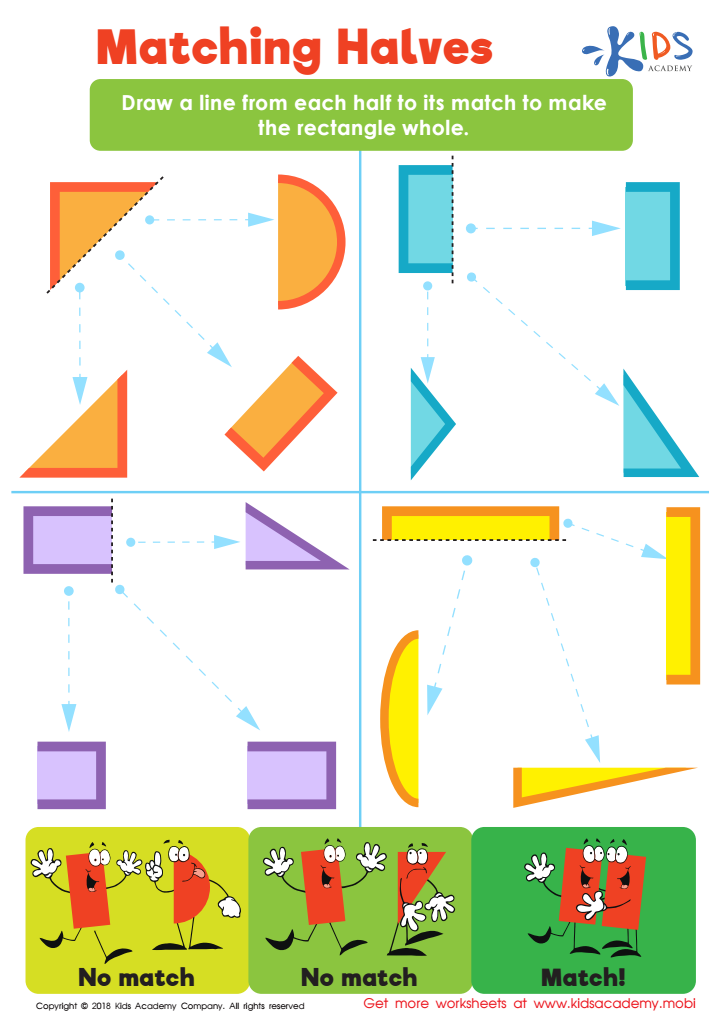
Matching Halves Worksheet
 Assign to My Students
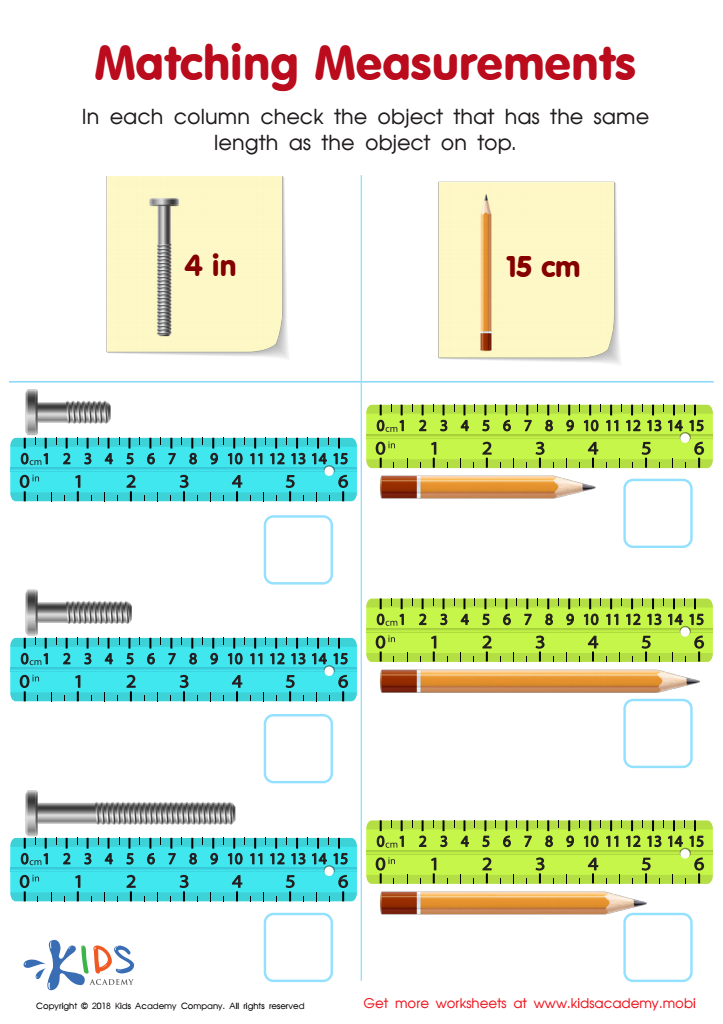
Matching Measurements Worksheet
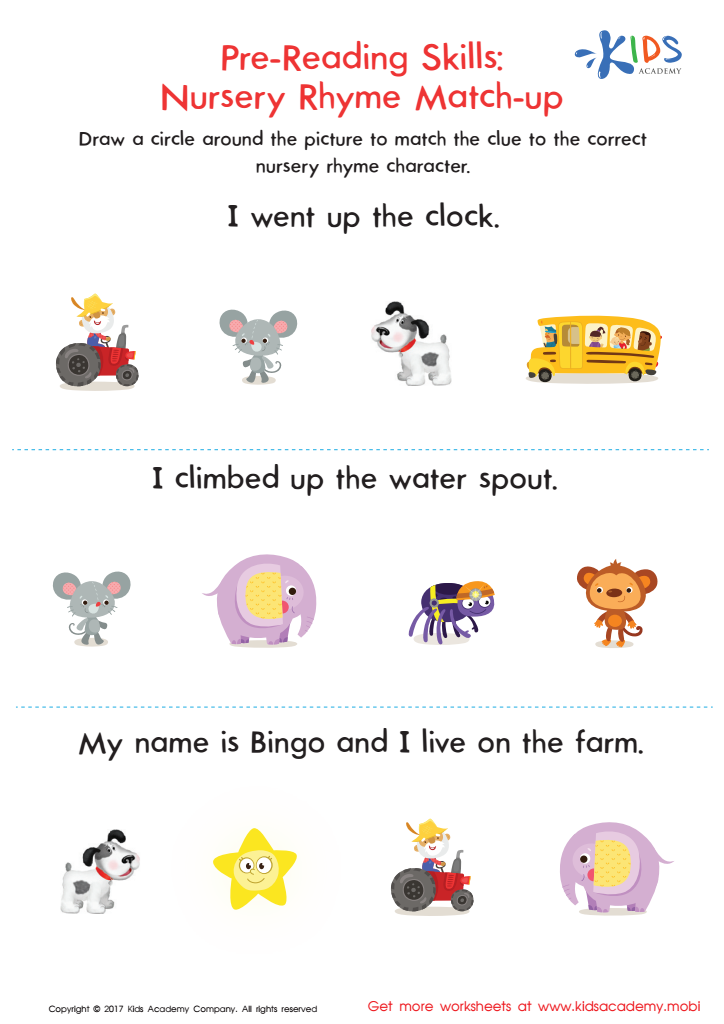
Nursery Rhyme Match–Up Worksheet





Matching skills are vital for second graders as they form the foundation for several key areas of learning and cognitive development. At this age, children are honing their abilities to connect concepts, ideas, and words, which enhances their critical thinking skills. When parents and teachers focus on matching skills, they are not only aiding literacy development—facilitating vocabulary expansion and comprehension—but also reinforcing math skills, such as recognizing patterns and understanding relationships between numbers.
Incorporating matching activities into early education promotes engagement and active learning. Games and interactive exercises, whether at home or in the classroom, foster an enjoyable learning environment that captures children’s interest. By scaffolding lessons around matching skills, parents and teachers can tailor experiences to individual needs, ensuring that each child progresses at their own pace.
Moreover, developing matching skills encourages social interaction, as students often pair up for activities, fostering collaboration and communication. Ultimately, investing time in these foundational skills sets students up for success in more complex subjects, promoting overall academic confidence and enthusiasm for learning. When parents and teachers prioritize matching skills, they are laying down critical building blocks essential for lifelong learning and personal growth.