Number Recognition Easy Grade 2 Reading Worksheets
3 filtered results
-
From - To
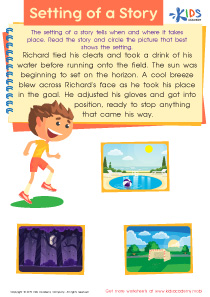
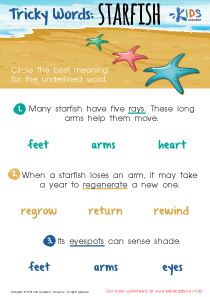
Discover our engaging "Number Recognition Easy Grade 2 Reading Worksheets," designed to enhance your child's understanding of numbers and number words. Perfect for second graders, these worksheets offer a variety of fun activities that promote number recognition through interactive exercises. From matching numbers to counting exercises, each worksheet cultivates essential math skills while keeping learning enjoyable. These resources are aligned with educational standards, ensuring a comprehensive approach to number knowledge. Parents and teachers alike will appreciate the easy-to-follow format, making these worksheets an ideal tool for reinforcing number literacy at home or in the classroom. Download now to boost your child's confidence in math!
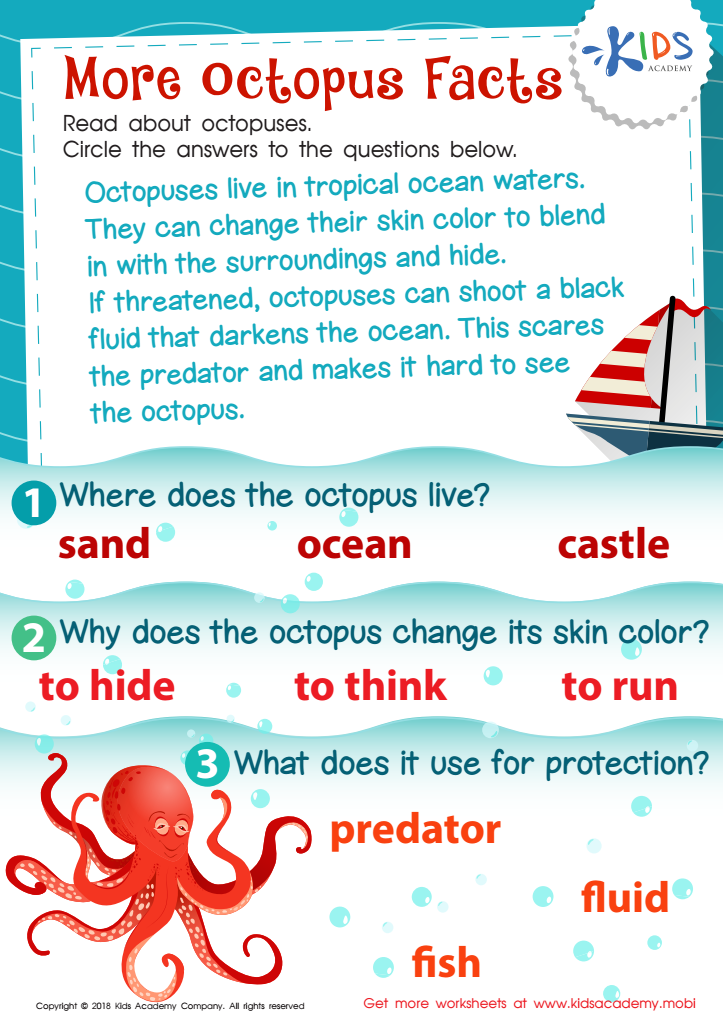
More Octopus Facts Worksheet
 Assign to My Students
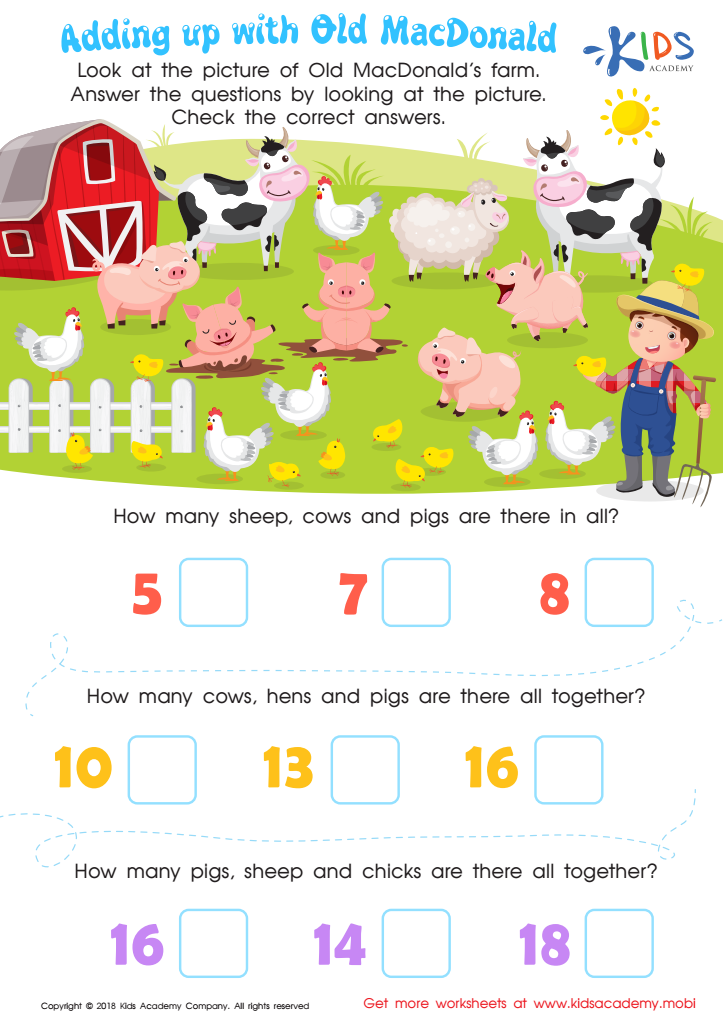
Adding Up with Old MacDonald Worksheet
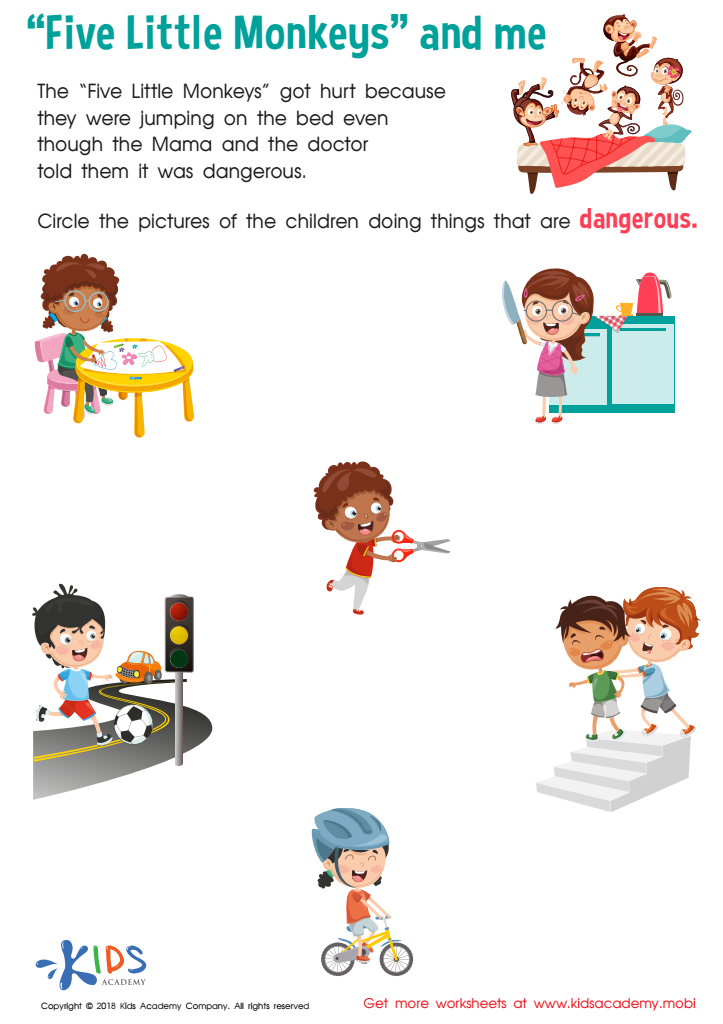
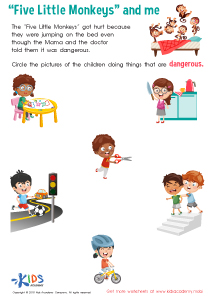
Five Little Monkeys and Me Worksheet







Number recognition is a fundamental skill that lays the groundwork for mathematics and problem-solving in early education. For parents and teachers, fostering this skill in Grade 2 students is crucial for several reasons. First, number recognition enhances a child's ability to understand quantities and number relationships, which is essential for more advanced math concepts. Students who can quickly identify and interpret numbers tend to build confidence, leading to a positive attitude toward learning.
Moreover, mastering number recognition supports literacy development. Many reading activities incorporate numbers—think of stories involving counting or word problems that require reading comprehension. Ensuring that children are proficient in recognizing numbers can help them navigate these tasks more effectively.
Additionally, number recognition intertwines with everyday life skills, from telling time, managing money, to understanding dates, all of which are essential in fostering independent, responsible individuals.
Finally, early attention to number recognition can help identify students who might struggle with math concepts later in their schooling, allowing for timely intervention and support. Thus, educators and parents play a pivotal role in nurturing this skill, as it shapes not only mathematical proficiency but holistic cognitive development and self-assurance in learners.