Fine Motor Skills Easy World Around Us Worksheets
3 filtered results
Difficulty Level
Grade
Age
-
From - To
Subject
Activity
Standards
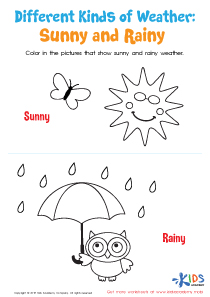
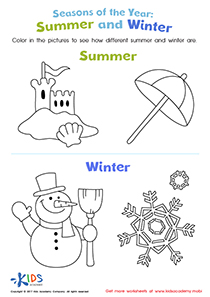
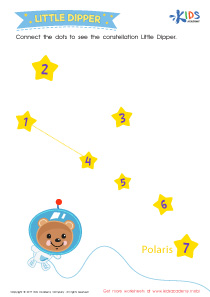
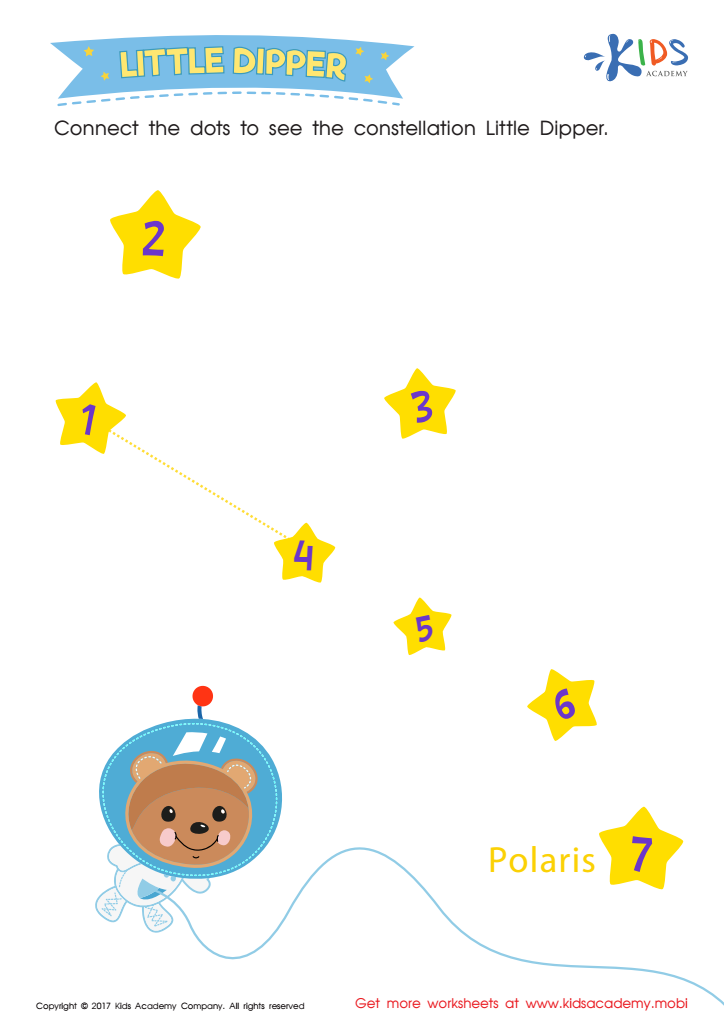
Welcome to our "Fine Motor Skills Easy World Around Us Worksheets" page, designed to engage young learners in developing essential fine motor skills. These printable worksheets provide playful and interactive activities that encourage children to practice hand-eye coordination, pencil grip, and manipulation of small objects. With themes inspired by the world around us, kids will explore nature, animals, and everyday objects while honing their dexterity through coloring, tracing, and cutting exercises. Perfect for preschool and early grade classrooms, these worksheets foster curiosity and creativity, making learning fun and effective. Discover the joy of mastering fine motor skills with our engaging resources!
Favorites
With answer key
Interactive

 Assign to My Students
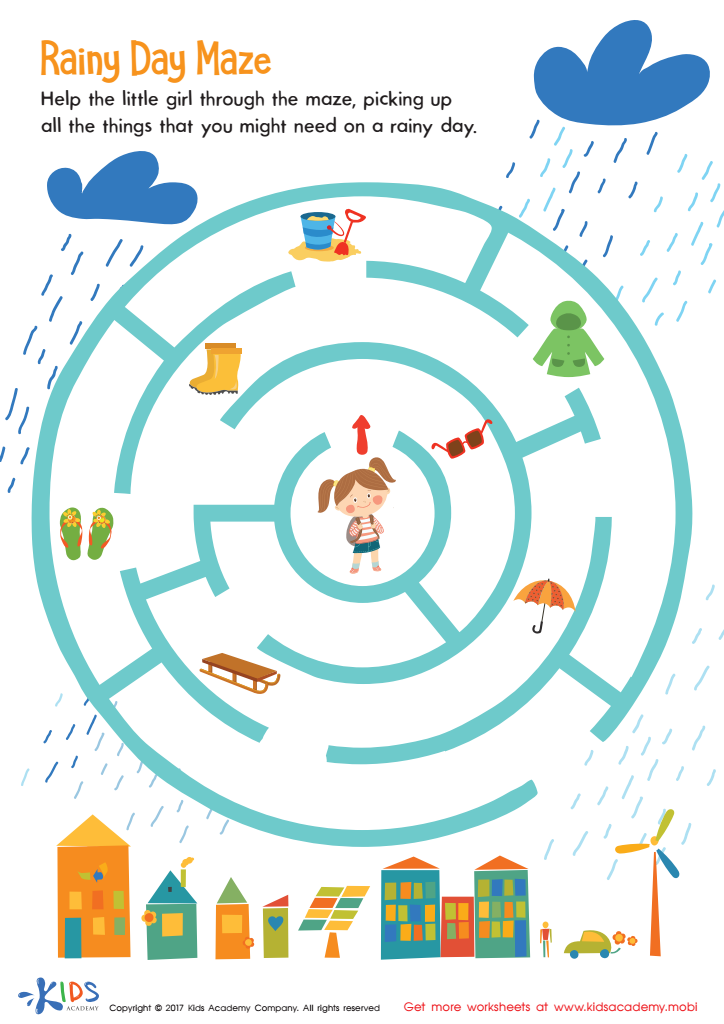
Rainy Day Maze Worksheet
Help your child use critical and problem solving skills to choose the right items! With this fun rainy day worksheet, they'll have a blast helping the character in the maze while learning about weather. Let’s get started!
Rainy Day Maze Worksheet
Worksheet
Join Kids Academy for Free
Who is primarily going to use this learning content?





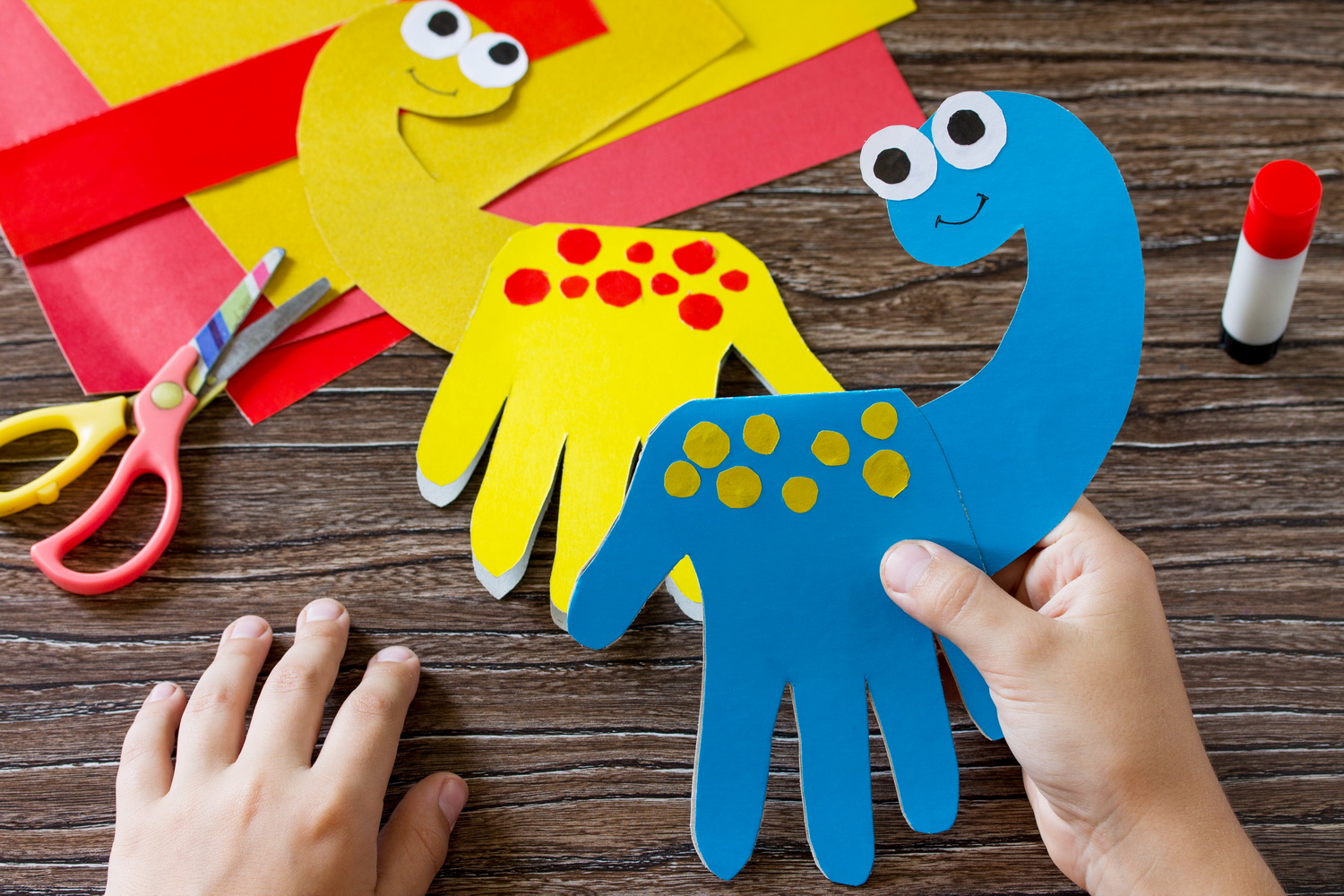

Fine motor skills are essential for children as they develop their ability to perform small, precise movements involving their hands and fingers. Parents and teachers should care about fine motor skills because they play a crucial role in a child's overall development and learning. These skills are foundational for everyday activities such as writing, buttoning shirts, tying shoelaces, and using utensils—tasks that children will encounter at home and in school.
Developing fine motor skills supports cognitive growth as children engage in activities that strengthen hand-eye coordination and finger dexterity. For instance, when children manipulate objects, they enhance their problem-solving abilities and creativity. Moreover, strong fine motor skills contribute to self-confidence, allowing children to feel competent and capable as they tackle various tasks.
In addition to practical abilities, promoting fine motor skills through games and activities like cutting, threading beads, or playing with Play-Doh fosters collaboration and enhances social interactions. As parents and teachers encourage these skills, they provide children with tools for independence, enhancing their emotional well-being and setting a positive foundation for future learning experiences. Overall, cultivating fine motor skills equips children with essential tools for everyday life and long-term success.