Letter tracing skills English for Beginners Worksheets
3 filtered results
-
From - To
Enhance your beginner's English learning journey with our printable Letter Tracing Skills Worksheets! Designed specifically for young learners, these engaging worksheets provide practice in letter formation and recognition. Each worksheet features clear guidelines and fun visuals to encourage proper handwriting techniques, helping children build foundational skills essential for reading and writing. With a mix of uppercase and lowercase letters, students will boost their confidence while developing fine motor skills. Perfect for classrooms or at-home learning, our resources make mastering the alphabet enjoyable and effective. Download and print the worksheets today to support your child's literacy development in a fun, interactive way!
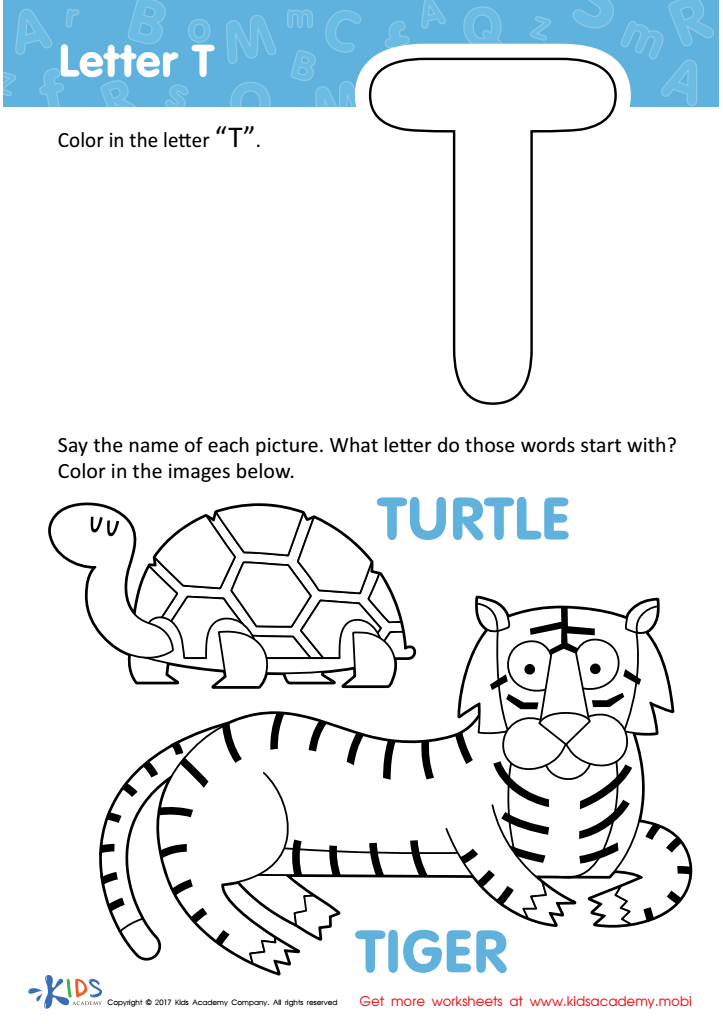
Letter T Coloring Sheet
 Assign to My Students
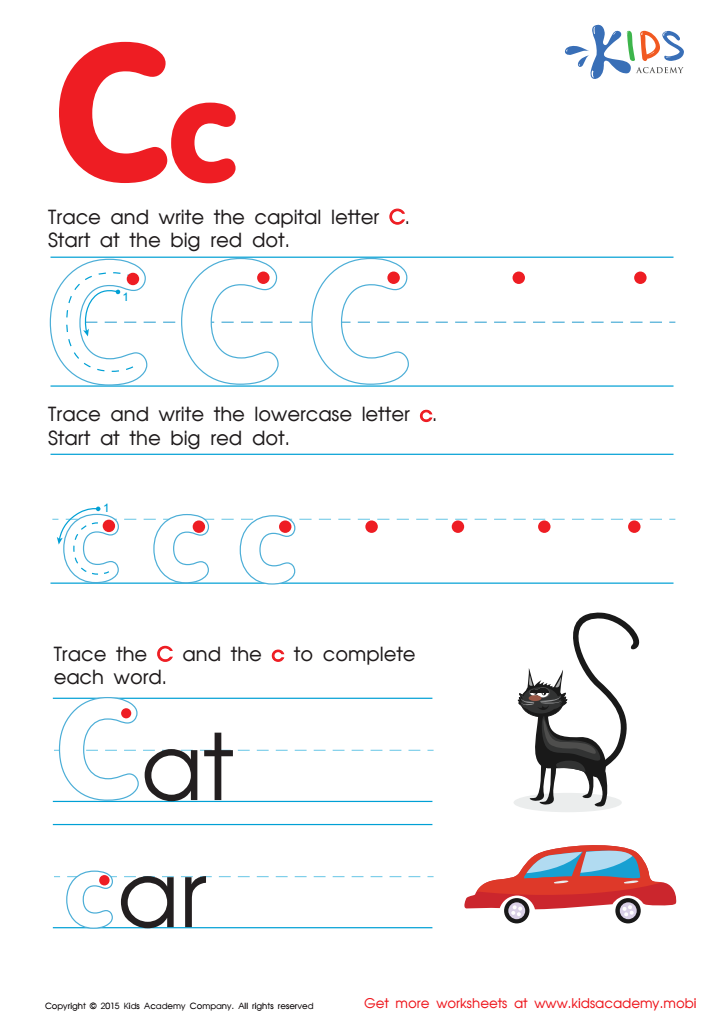
Letter C Tracing Page
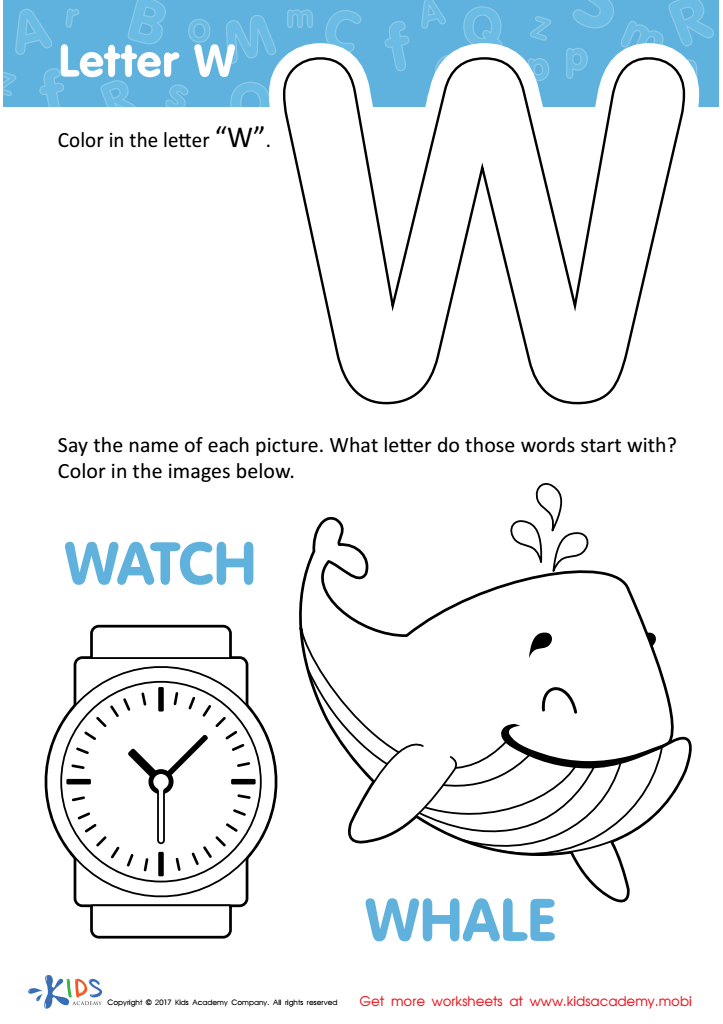
Letter W Coloring Sheet
Assign to My Students





Letter tracing skills are essential for beginners learning English, as they form the foundation for reading and writing. For parents and teachers, nurturing these skills in young learners is crucial for several reasons. First, tracing helps children develop fine motor skills, which are necessary for proper penmanship and control when writing. This physical coordination also enhances their ability to manipulate other tools and engage in various hands-on activities.
Moreover, letter tracing fosters letter recognition. By associating letters with their shapes through tracing, children reinforce their understanding of the alphabet, making it easier for them to recognize these characters in reading situations. This foundational knowledge supports spelling and vocabulary acquisition later on.
Additionally, tracing activities can serve as an engaging, hands-on learning experience, sparking a child's interest in literacy. Incorporating fun and interactive tracing methods can make learning more enjoyable, catering to different learning styles.
In summary, by supporting letter tracing skills, parents and teachers play a vital role in children's early literacy development. This investment not only equips students with the necessary skills for future academic success but also promotes a lifelong love for learning and literacy.