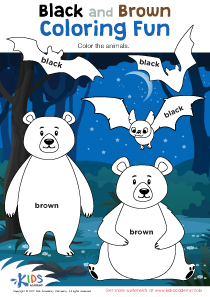
Phonics Skills English for Beginners Worksheets
3 filtered results
-
From - To
Discover our engaging "Phonics Skills English for Beginners Worksheets" designed to help young learners master the fundamentals of phonics. These printable worksheets provide a variety of fun activities that introduce sounds, letters, and blending techniques, making learning effective and enjoyable. Ideal for ESL students, these resources enhance reading comprehension and pronunciation. With colorful illustrations and interactive exercises, children will develop essential skills at their own pace. Suitable for classroom use or home practice, our worksheets support teachers and parents in nurturing a strong phonetic foundation. Empower your child’s literacy journey with our comprehensive phonics resources today!
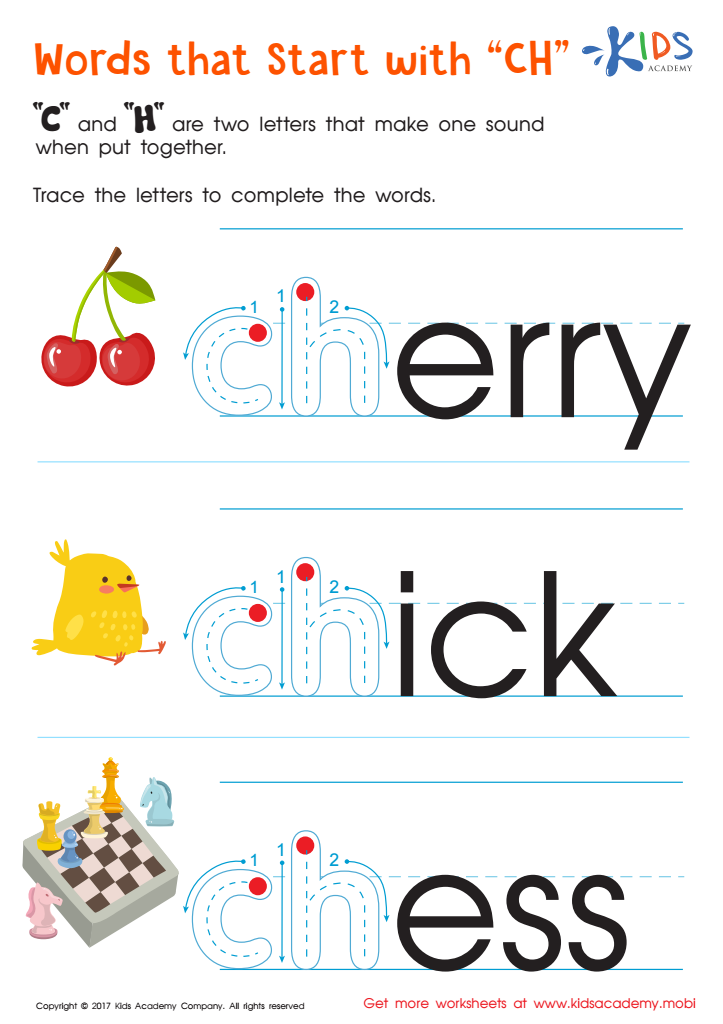
Words That Start with "ch" Spelling Worksheet
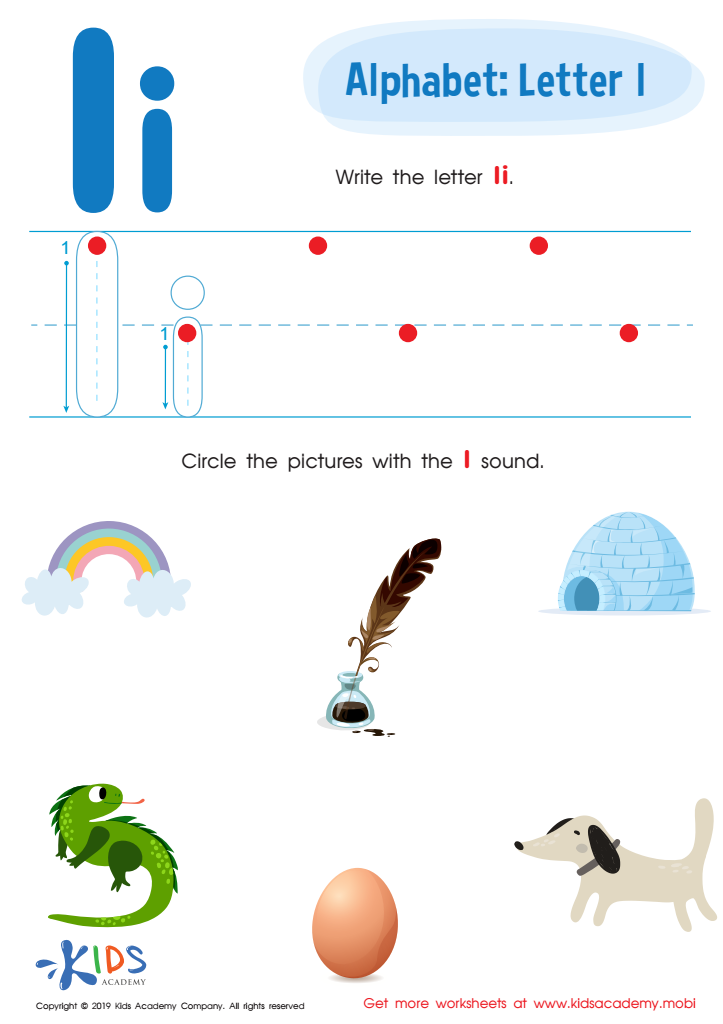
Letter I Tracing Worksheet
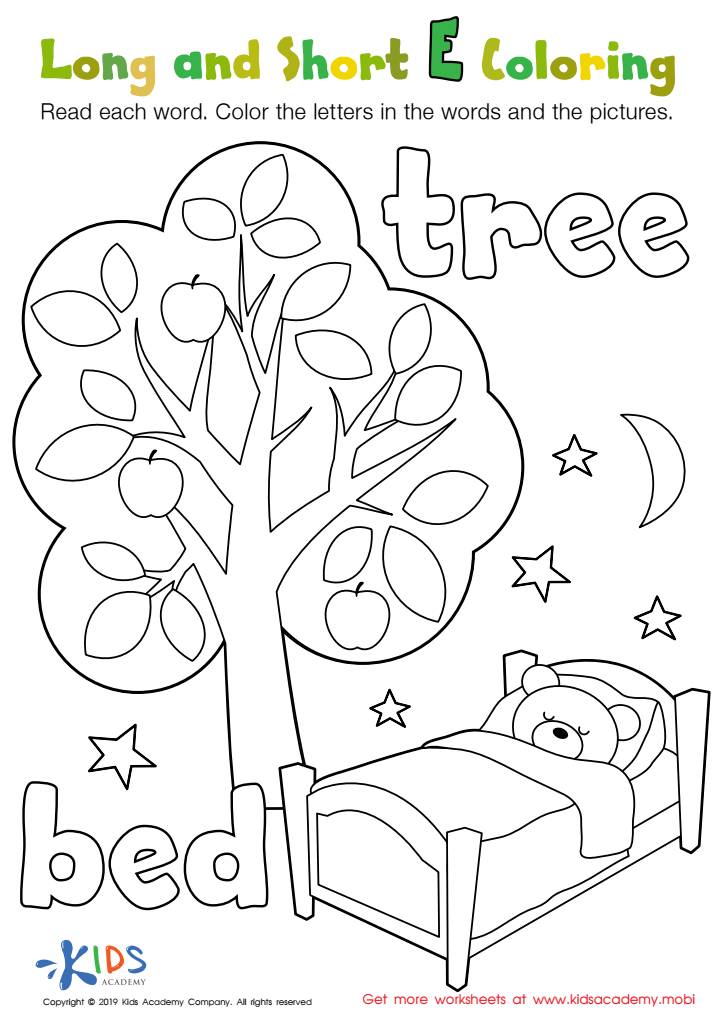
Long and Short E Worksheet
 Assign to My Students





Phonics skills are crucial for early literacy development, forming the foundation for reading and writing in young learners. Parents and teachers should care about phonics for several reasons. First, phonics helps children understand the relationship between letters and sounds, making it easier for them to decode unfamiliar words. This is essential for building reading fluency and confidence.
Moreover, phonics instruction supports vocabulary growth and comprehension skills, as children learn to sound out words and recognize them in context. When children can easily read, they are more likely to engage with texts, fostering a lifelong love for reading.
Additionally, explicit phonics teaching provides children, especially those struggling with language or learning difficulties, the structured support they need to succeed. By developing strong phonics skills, students can improve their overall academic performance.
Furthermore, parents and teachers play a pivotal role in reinforcing phonics at home and in the classroom through interactive activities and reading exercises. Involvement in this aspect of literacy education ensures children receive consistent practice and encouragement. Ultimately, prioritizing phonics skills not only enhances individual learning outcomes but also contributes to overall literacy levels within communities, preparing children for a brighter academic future.