Spelling practice English for Beginners Worksheets
13 filtered results
-
From - To
Welcome to our "Spelling Practice English for Beginners Worksheets" page! Here, you'll find a diverse selection of engaging worksheets designed specifically for young learners embarking on their English language journey. Our resources focus on essential spelling skills, featuring fun activities and colorful graphics that capture children's interest. These worksheets support phonetic understanding, vocabulary development, and mastering common sight words. Whether you are a teacher or a parent, our materials are perfect for classroom use or at-home learning. Foster your child’s confidence in spelling and contribute to their language development with our easy-to-use worksheets tailored for beginners. Explore, practice, and succeed!
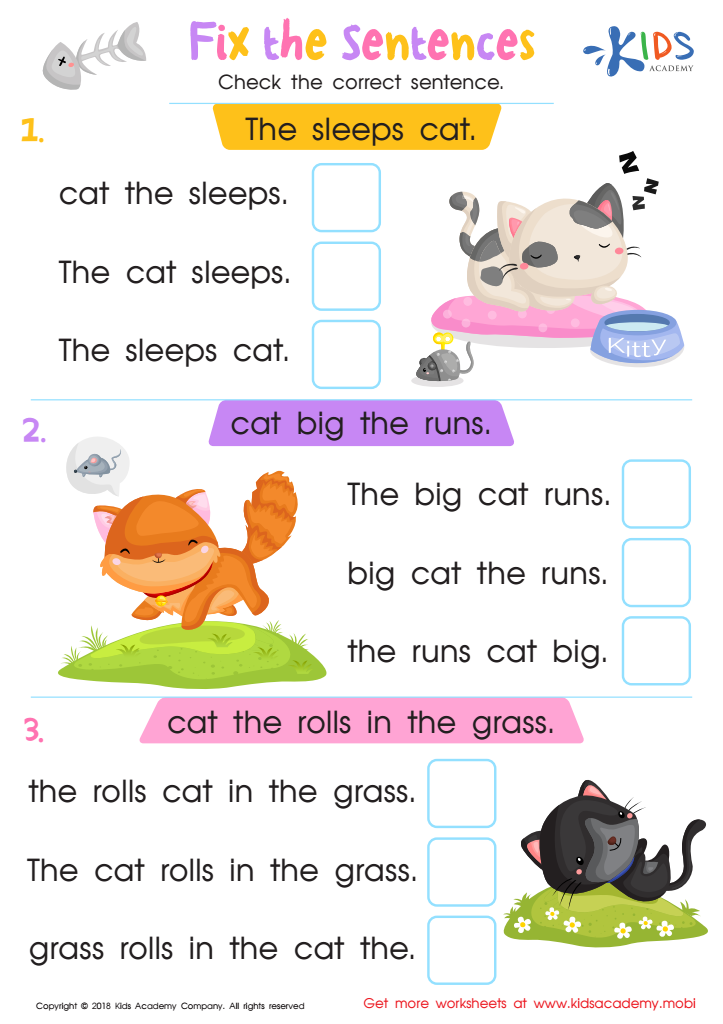
Fix the Sentences Worksheet
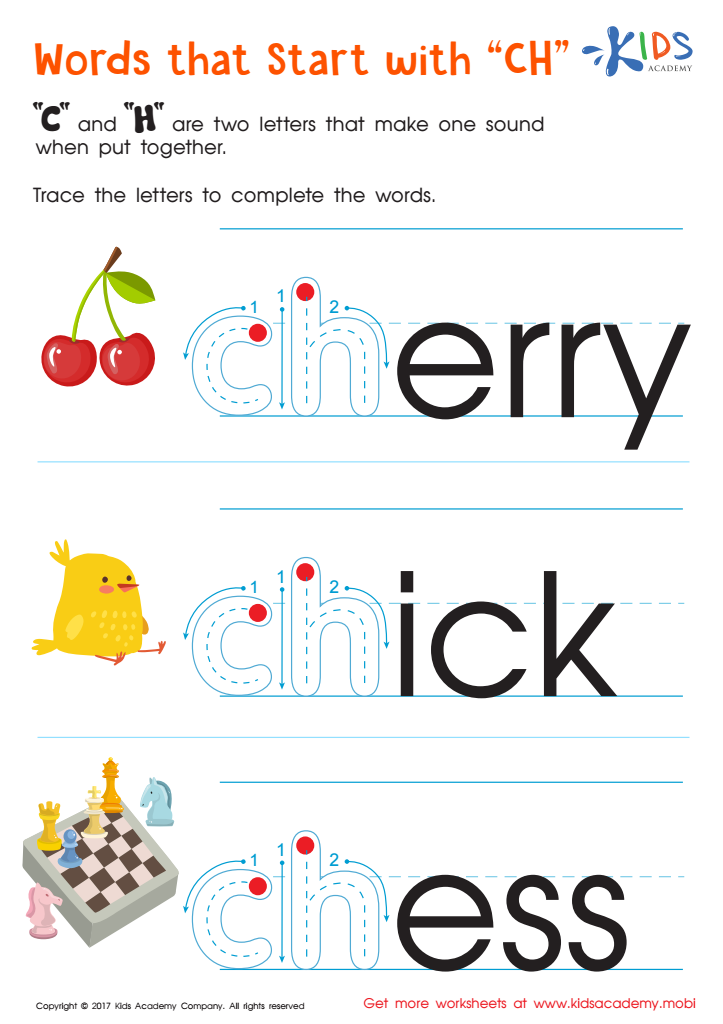
Words That Start with "ch" Spelling Worksheet
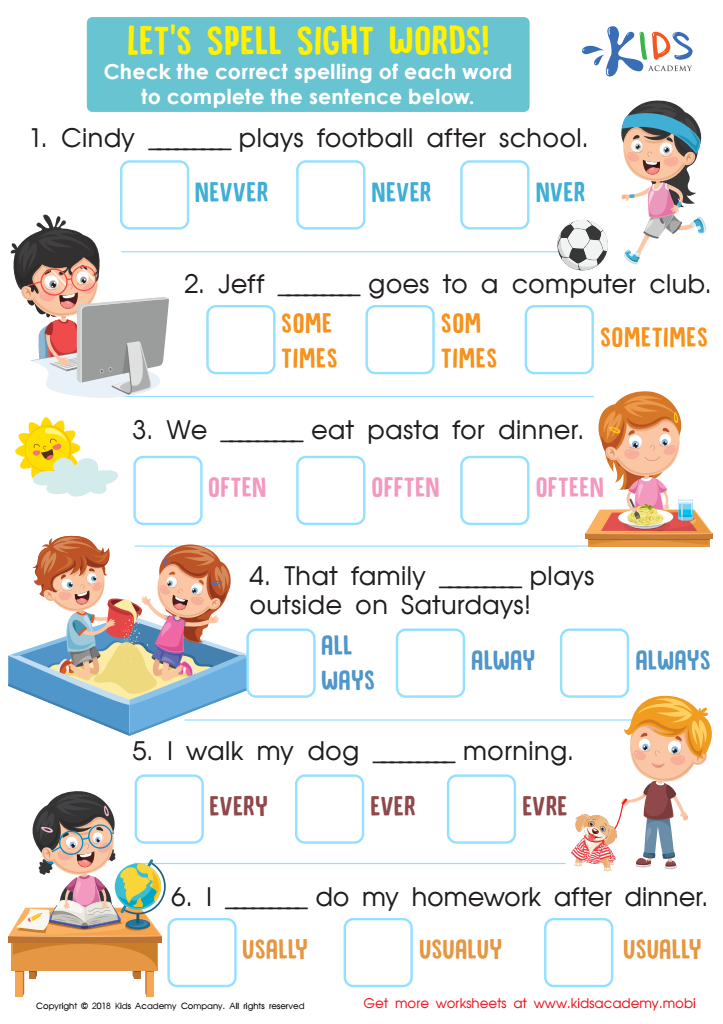
Let's Spell Sight Words Worksheet
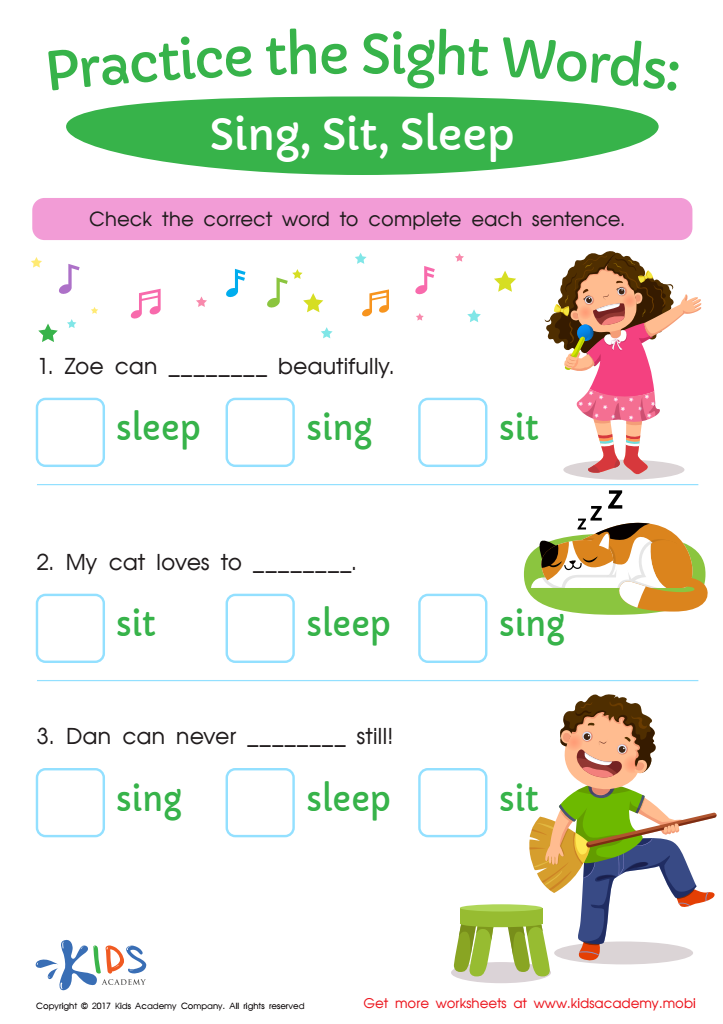
Sing, Sit, Sleep Sight Words Worksheet
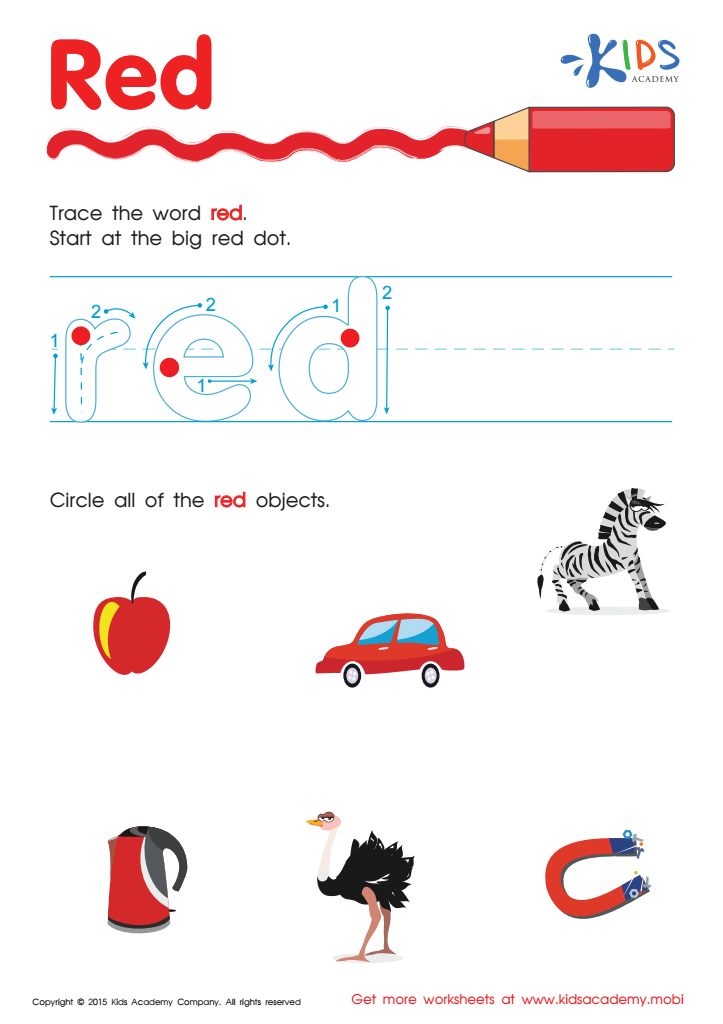
Red Tracing Color Words Printable
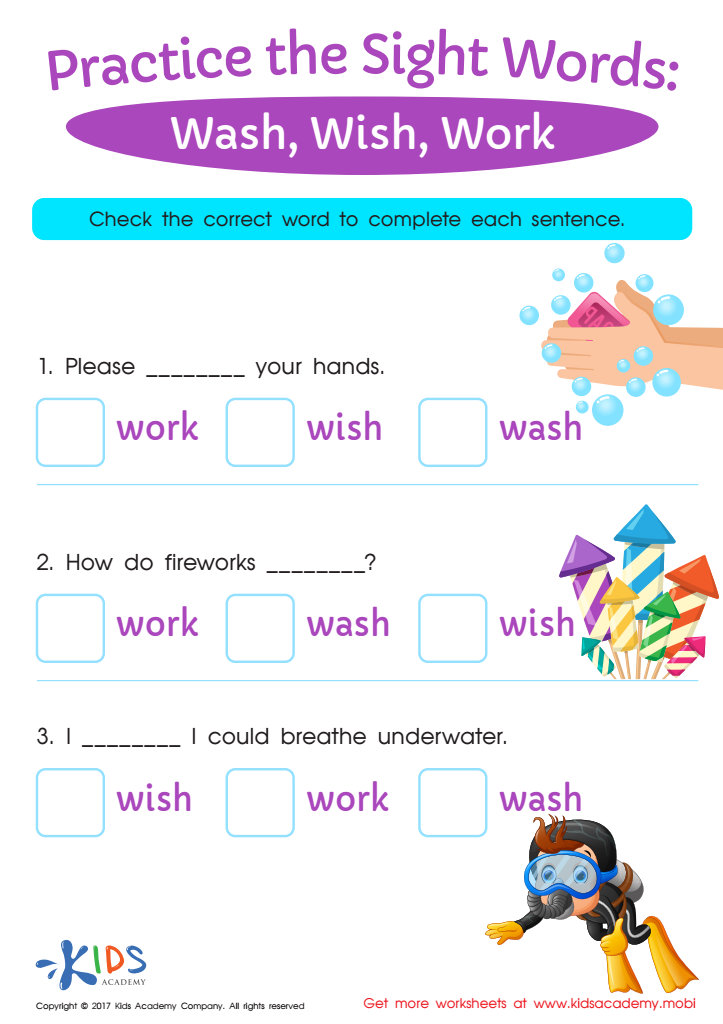
Wash, Wish, Work Sight Words Worksheet
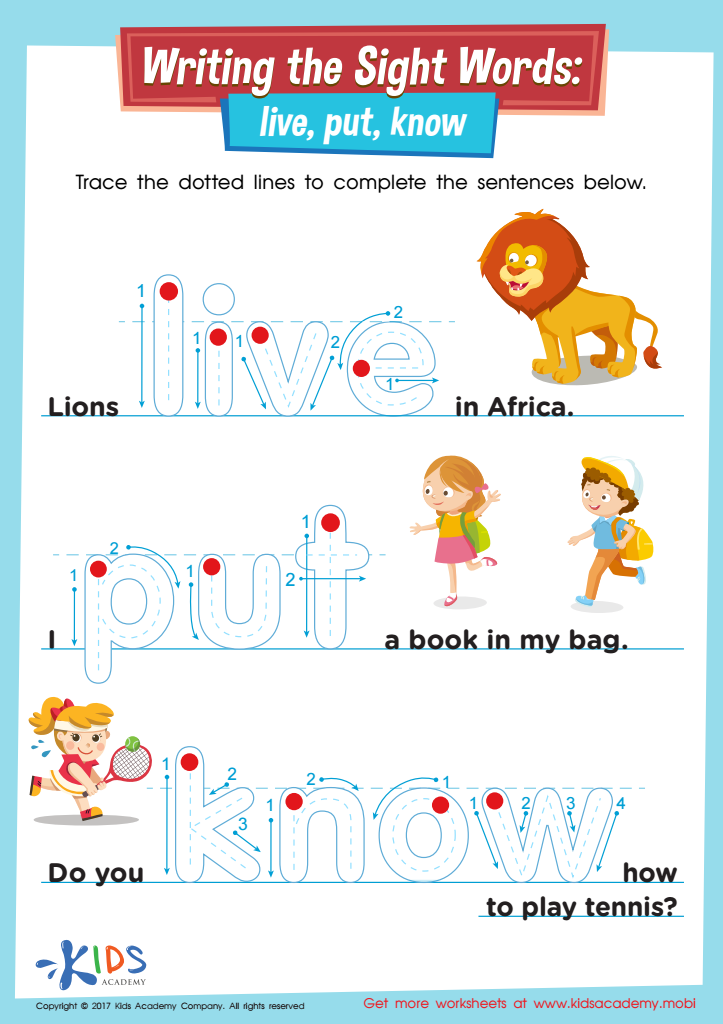
Live, Put, Know Printable Sight Words Worksheet
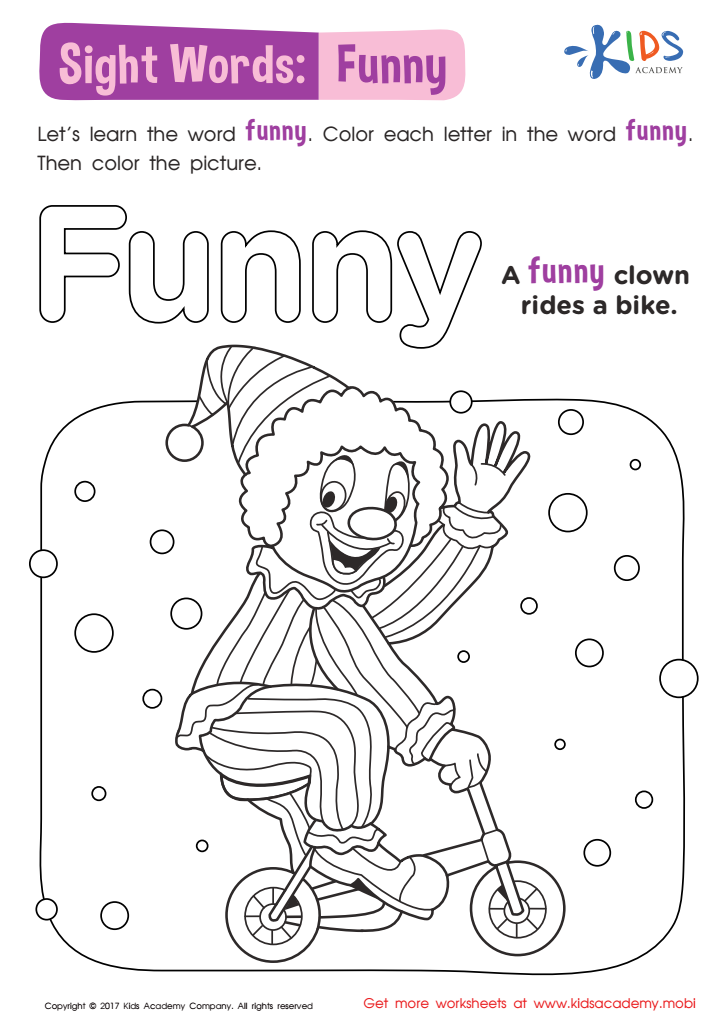
Funny Worksheet Sight Words Worksheet
 Assign to My Students
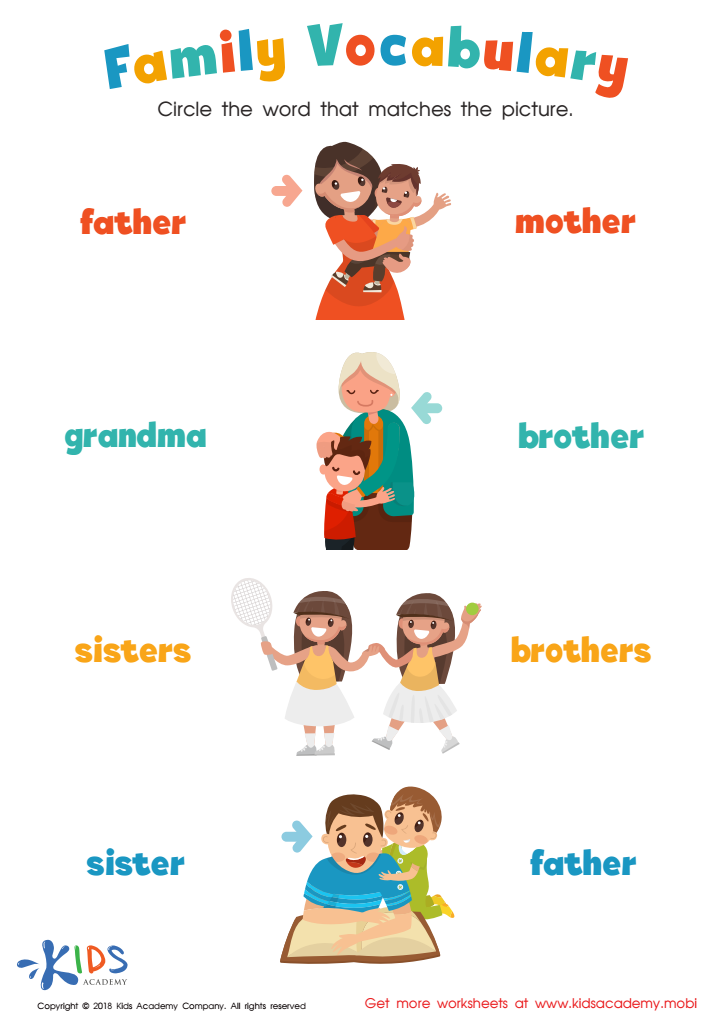
Family Vocabulary Worksheet
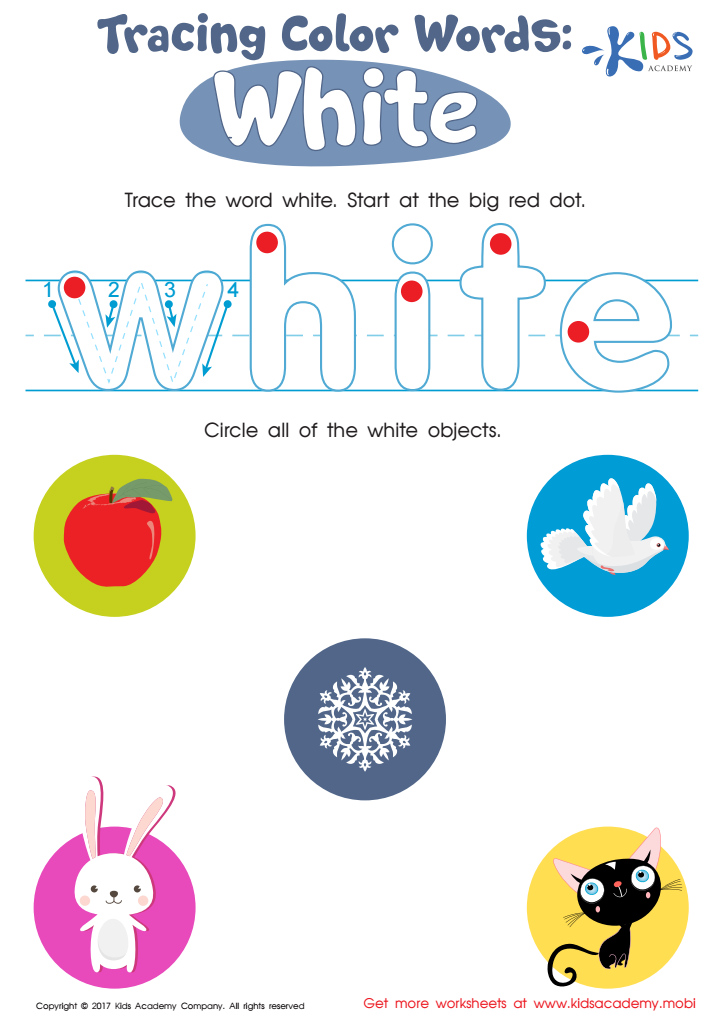
White Tracing Color Words Worksheet
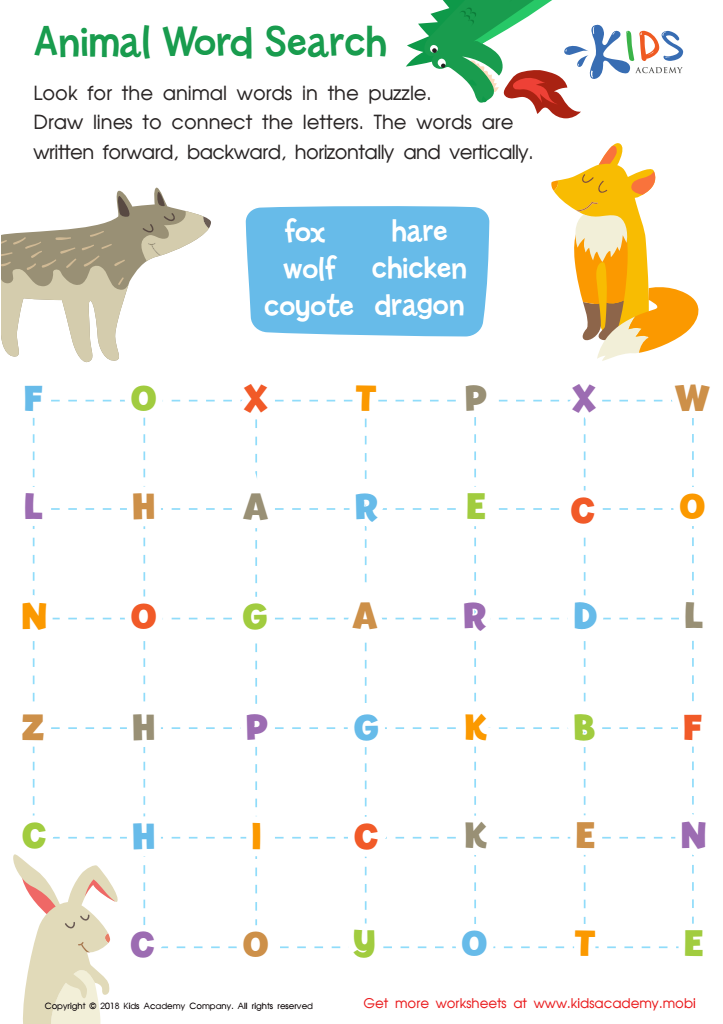
Animal Word Search Worksheet
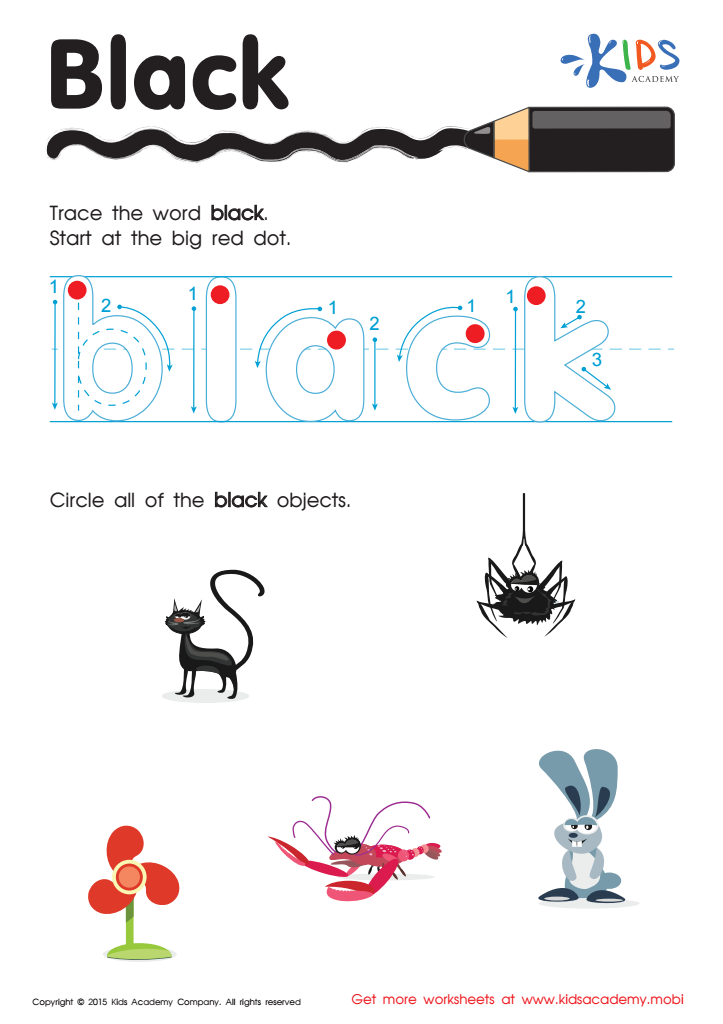
Black Tracing Color Words Printable
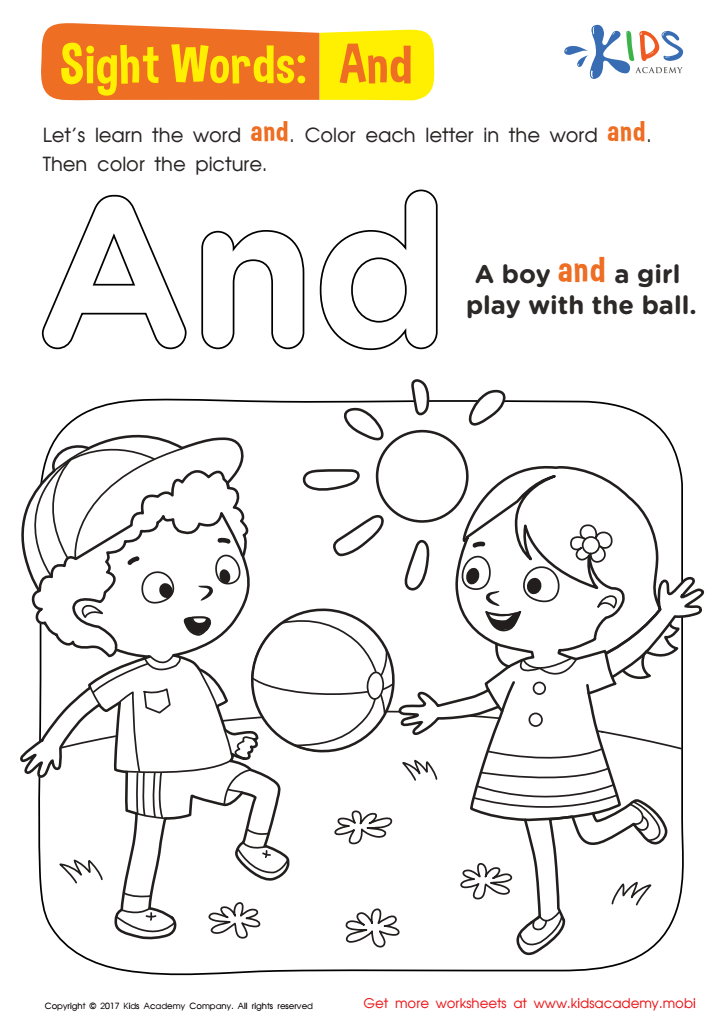
And Worksheet Sight Words Worksheet
Assign to My Students





Spelling practice is crucial for English beginners, whether in a classroom or at home, for several compelling reasons. Firstly, strong spelling skills lay the groundwork for reading and writing competency. When children accurately grasp how words are constructed, it enhances their decoding abilities when encountering unfamiliar texts, making the reading process smoother and more enjoyable.
Moreover, spelling reinforces vocabulary learning. As students practice spelling words, they engage with their meanings, leading to a more profound comprehension of language. This semantic connection encourages oral expression and reading fluency, boosting comfort during communication. Early spelling instruction also cultivates attention to detail and cognitive skills, promoting critical thinking as students learn to recognize patterns within words.
Additionally, spelling mastery builds confidence. Children who can spell correctly are more likely to share their writing with others, fostering a sense of accomplishment and motivating them to improve further. For parents, systematic spelling practice can provide insight into their child’s curriculum and educational progress, enabling supportive involvement.
Ultimately, prioritizing spelling education for beginners not only supports immediate academic success but sets a foundation for lifelong communication skills, encouraging literacy development and paving the way for future learning opportunities.