Astronomy basics Grade 1 Worksheets
3 filtered results
Difficulty Level
Grade
Age
-
From - To
Subject
Activity
Standards
Explore the wonders of the universe with our "Astronomy Basics Grade 1 Worksheets"! Designed for young learners, these engaging worksheets introduce key concepts about stars, planets, and the solar system in a fun and interactive way. Printable and easy to use, they feature colorful illustrations and simple activities that spark curiosity and foster a love for science. Perfect for classroom or home use, these worksheets help first-graders develop essential skills while learning about space. Encourage your child's interest in astronomy today with our comprehensive resources that make learning exciting and accessible! Discover the cosmos together with our educational worksheets!
Favorites
With answer key
Interactive
 Assign to My Students
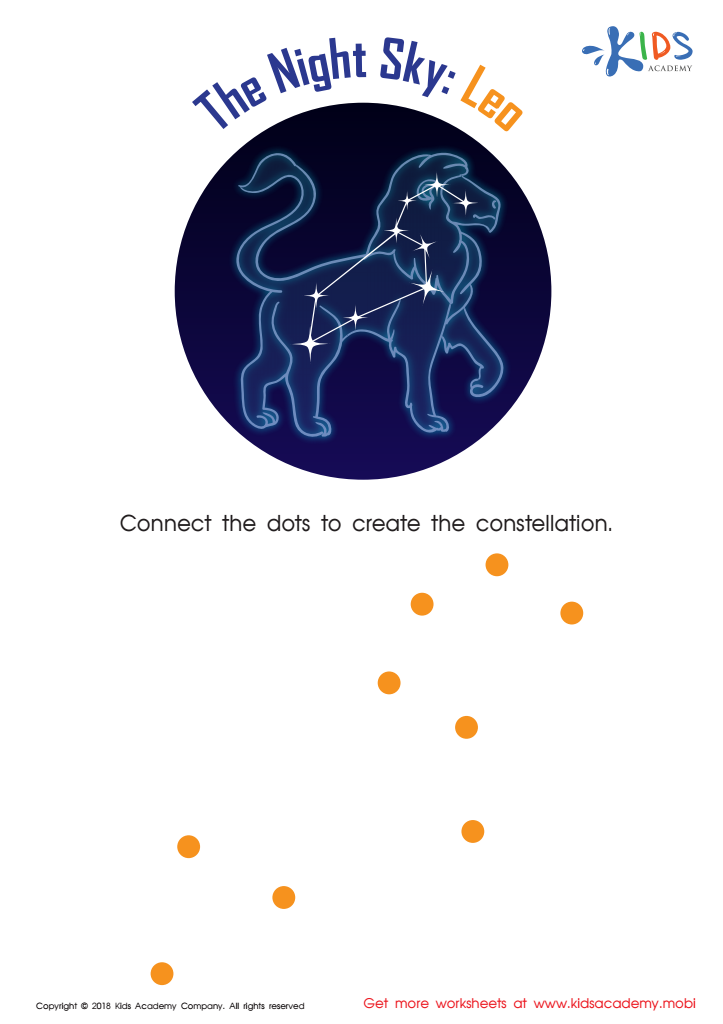
The Night Sky: Leo Worksheet
Let your kids explore the wonders of the stars with this fun worksheet! They'll connect the dots to create the constellation Leo. Night gazing instruments, a telescope or this printout can help your kids learn about constellations and horoscopes. Download the worksheet and let the star watching begin!
The Night Sky: Leo Worksheet
Worksheet
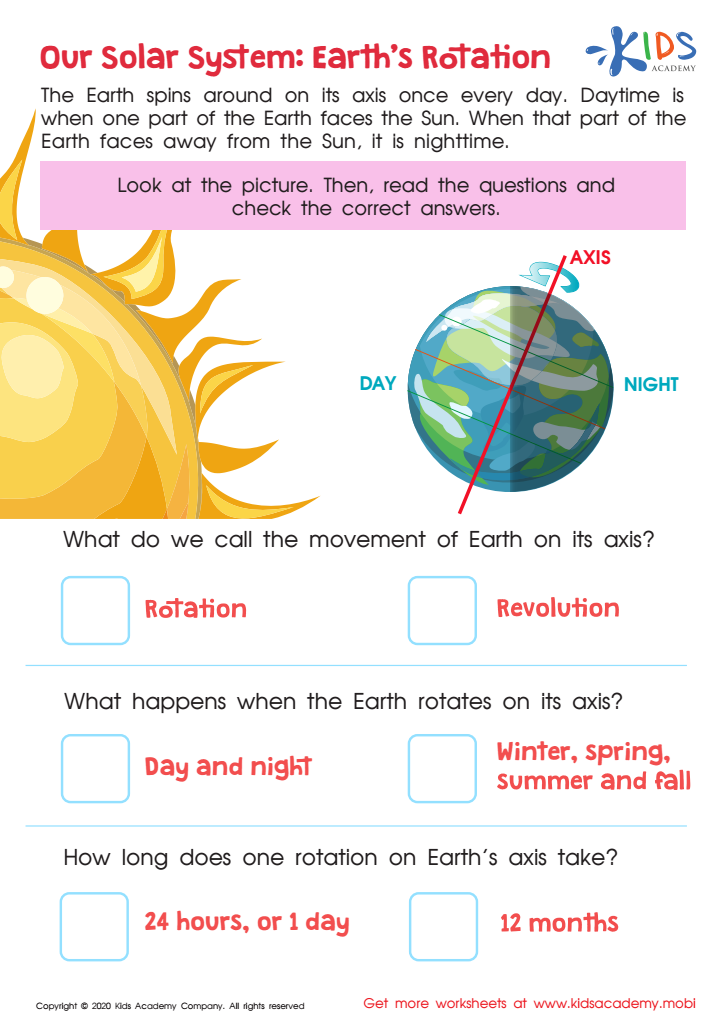
Our Solar System: Earth's Rotation Printable
They'll examine the illustration and answer questions to increase their vocabulary and knowledge.
Our Solar System: Earth's Rotation Printable
Worksheet
Join Kids Academy for Free
Who is primarily going to use this learning content?






.jpg)

Understanding the basics of astronomy is essential for Grade 1 students as it lays a foundation for their overall education and curiosity about the world. Firstly, astronomy introduces young learners to the natural world beyond Earth, sparking their interest in science. Concepts like day and night, the moon phases, and the stars foster curiosity and encourage observational skills, which are critical at this age.
In addition, astronomy promotes critical thinking and inquiry-based learning. By asking questions about the universe, children develop problem-solving skills and learn to seek answers, nurturing a lifelong love for learning. For parents and teachers, engaging in astronomy can foster connections through family discussions, projects, or stargazing, enhancing communication and bonding.
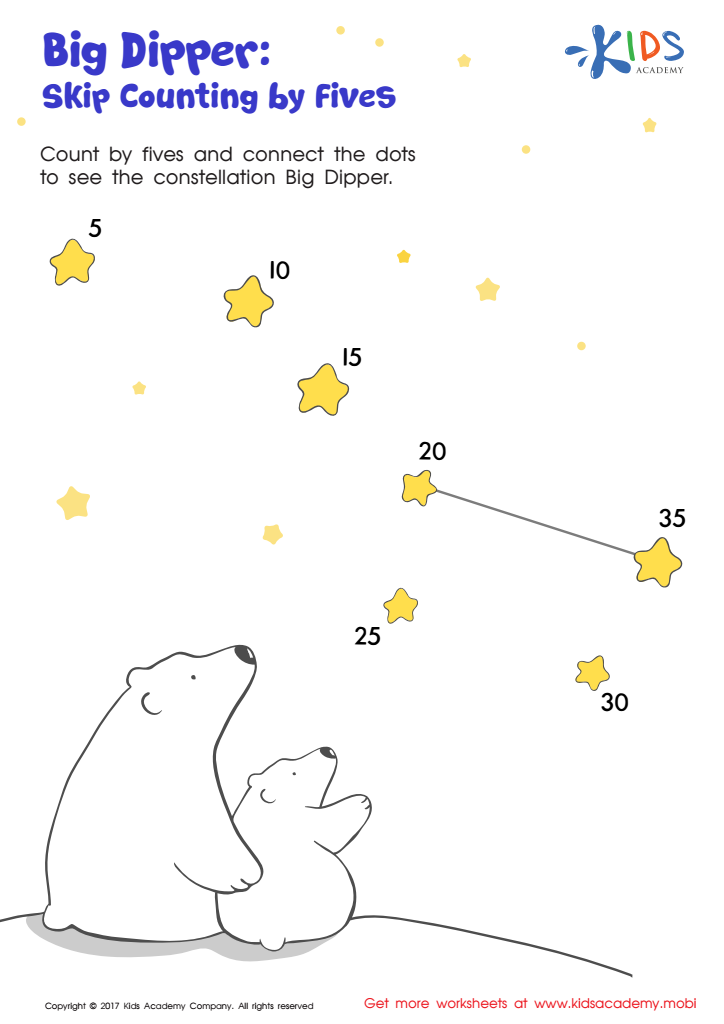
Moreover, astronomy can be linked to other subjects such as math and art. Counting stars can incorporate basic math skills, while drawing celestial bodies can promote artistic expression. This integrative approach helps reinforce learning in a fun and engaging manner.
Lastly, understanding the cosmos helps instill a sense of wonder and respect for science in children, emphasizing the importance of exploring and caring for our planet and the universe beyond. This seeds appreciation for future scientific endeavors and problem-solving in a global context.