Color recognition Grade 1 Worksheets - Page 3
68 filtered results
-
From - To
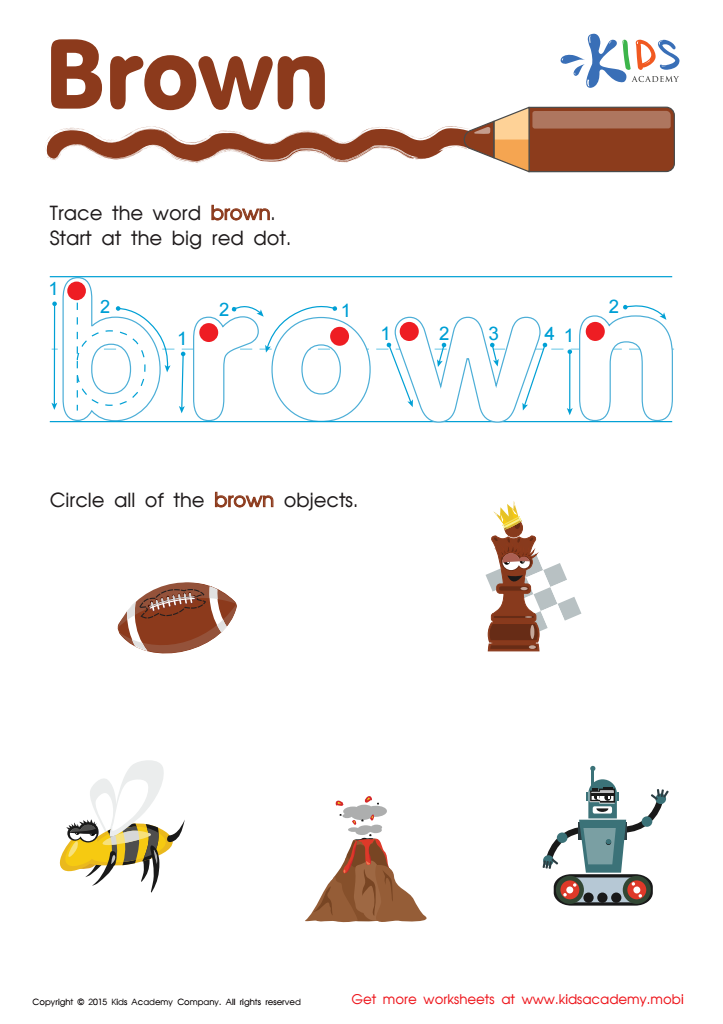
Brown Tracing Color Words Worksheet
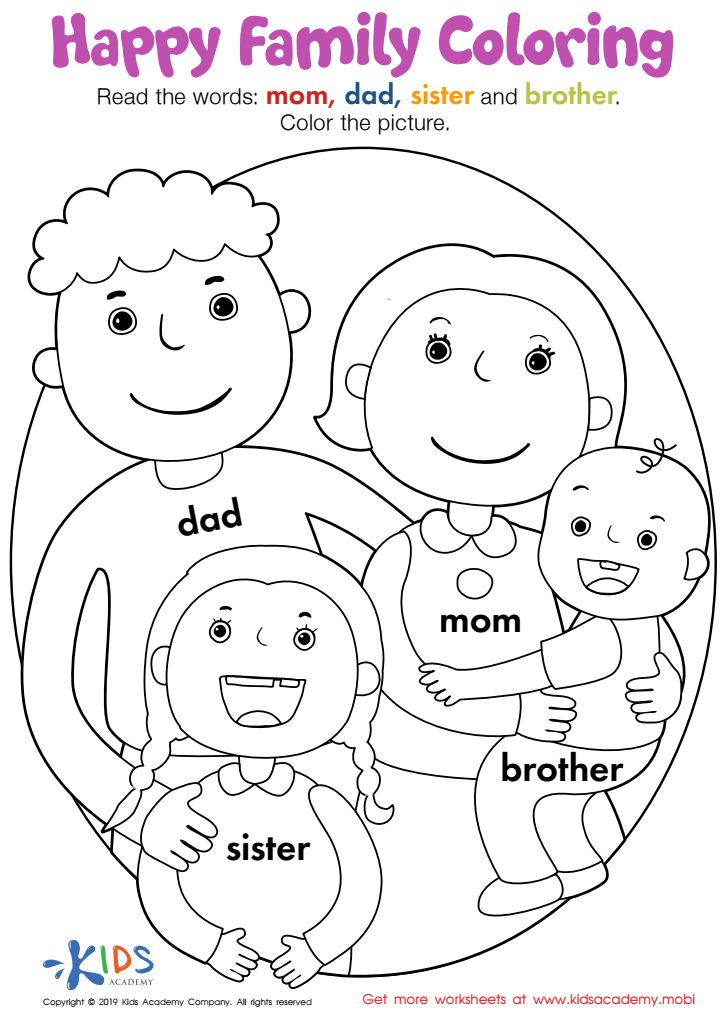
Happy Family Coloring Worksheet
 Assign to My Students
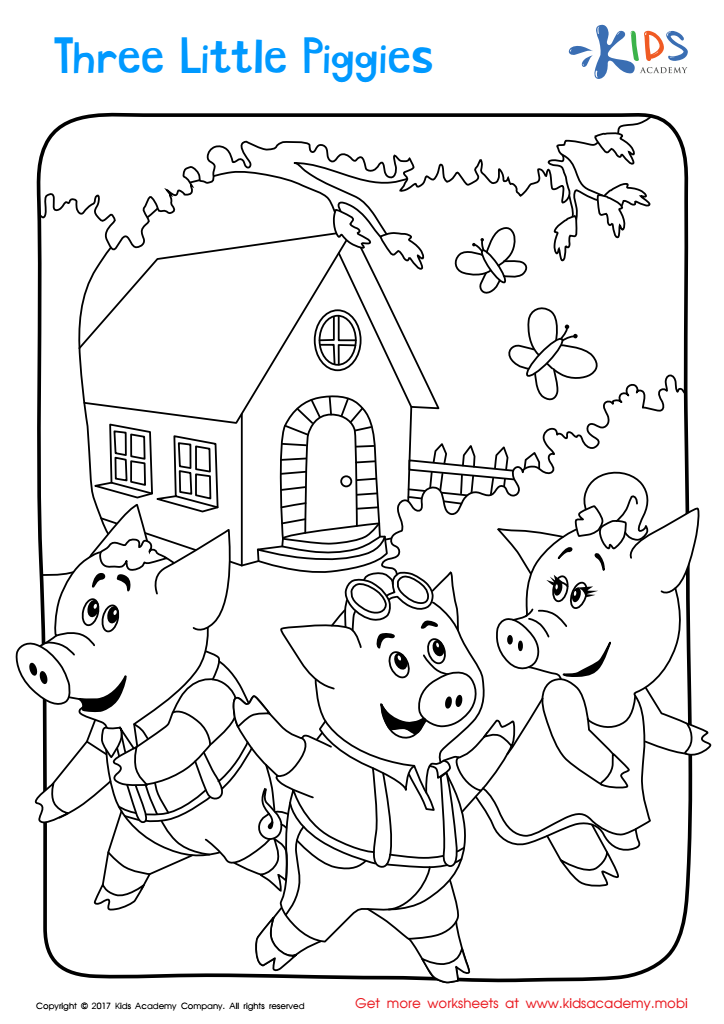
Three Little Piggies Printable Coloring Page
Assign to My Students
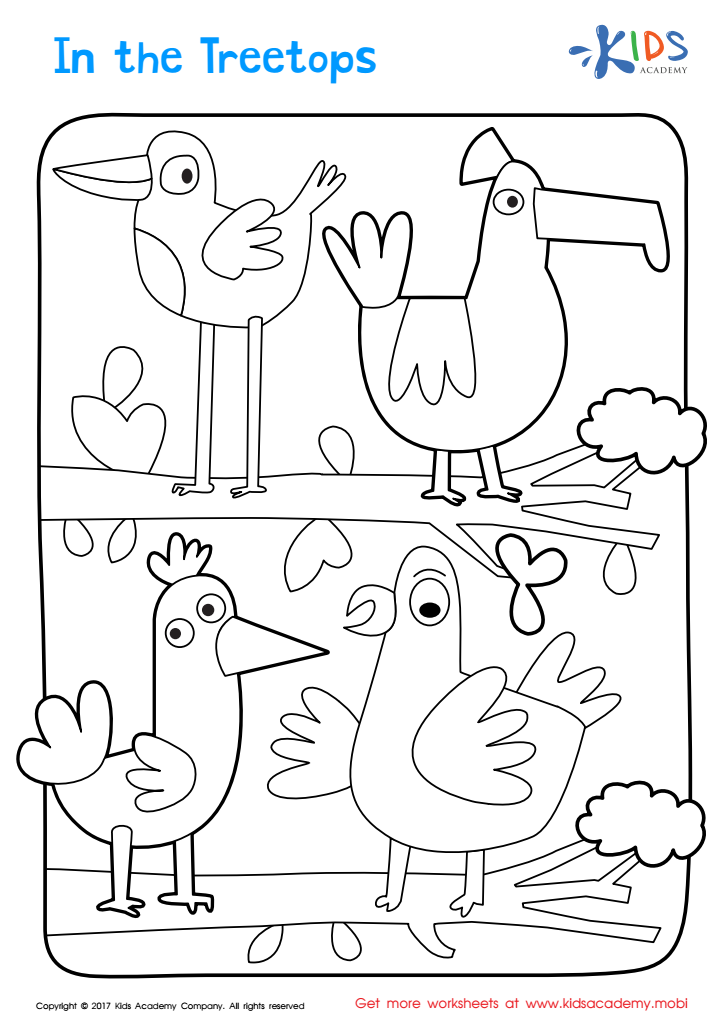
In the Treetops Coloring Page
Assign to My Students
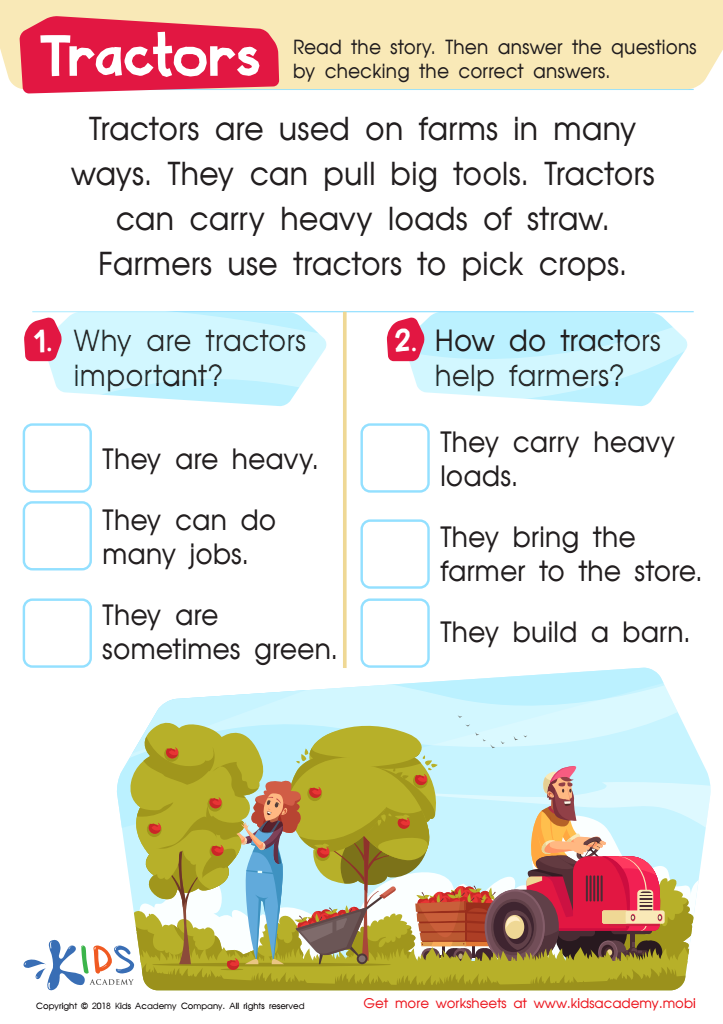
Tractors Worksheet
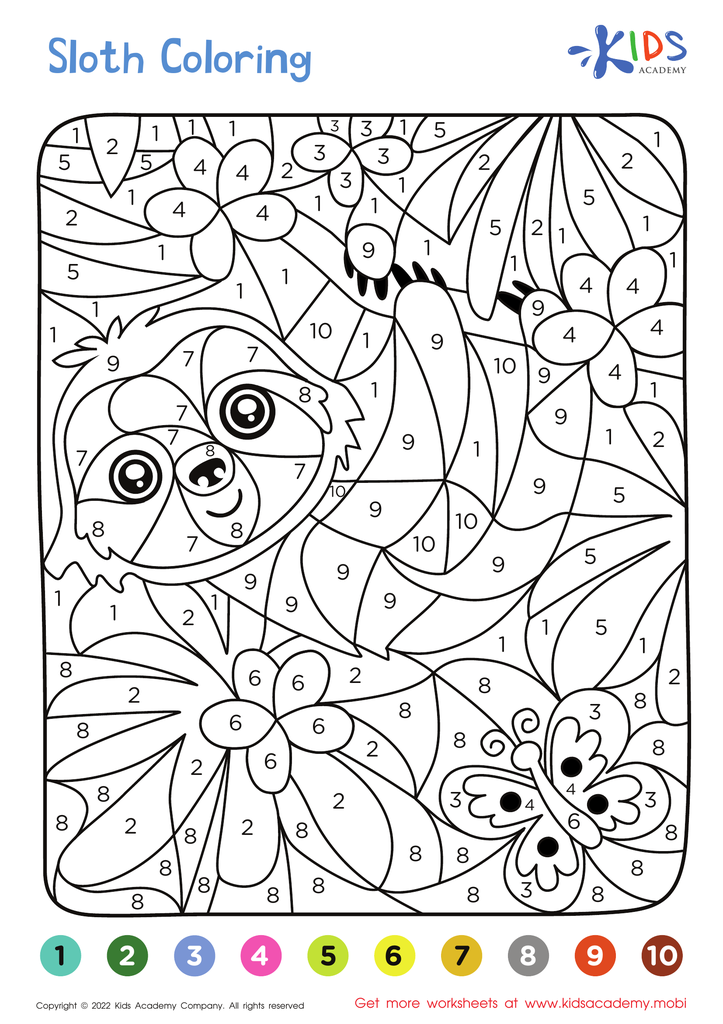
Sloth – Coloring by Numbers
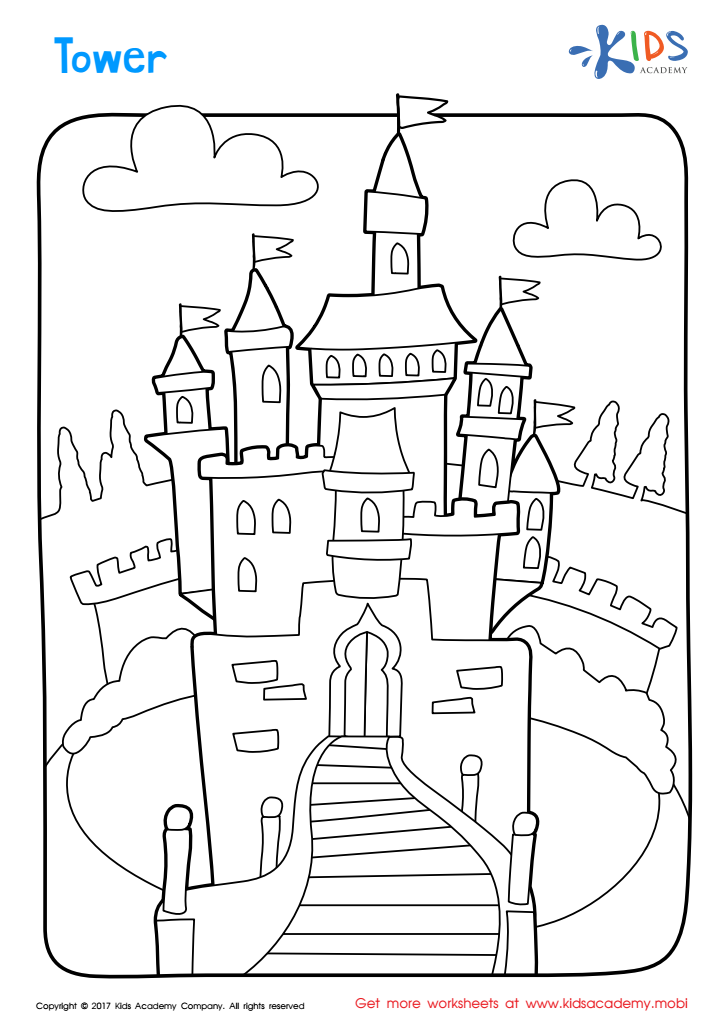
Tower Coloring Page
Assign to My Students
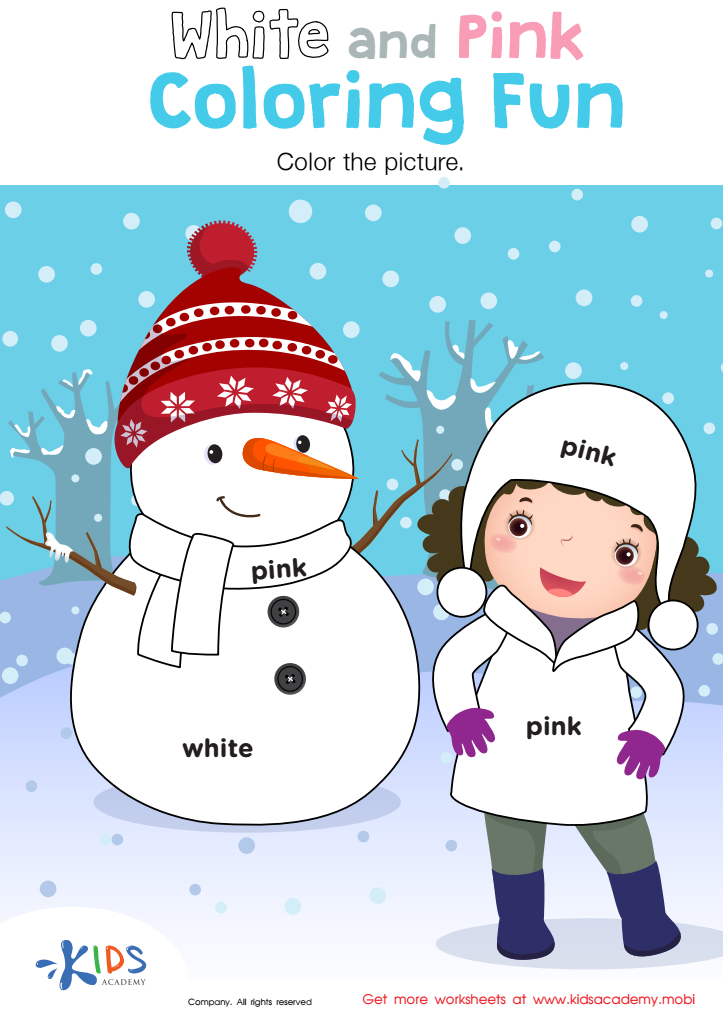
White and Pink Coloring Fun Worksheet
Assign to My Students
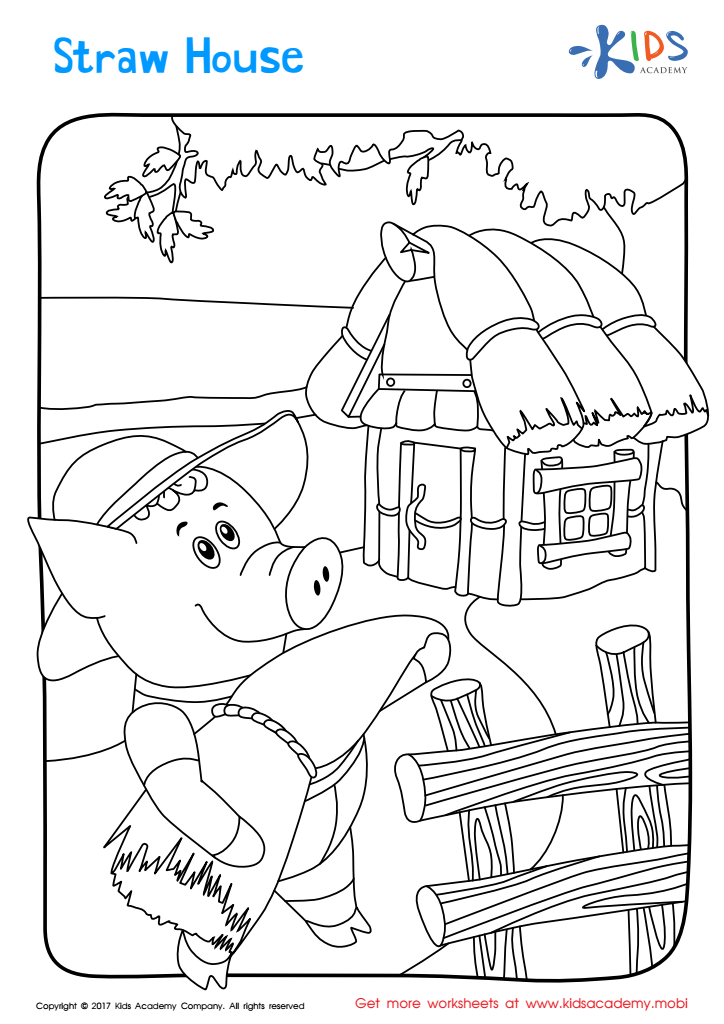
Straw House Printable Coloring Page
Assign to My Students
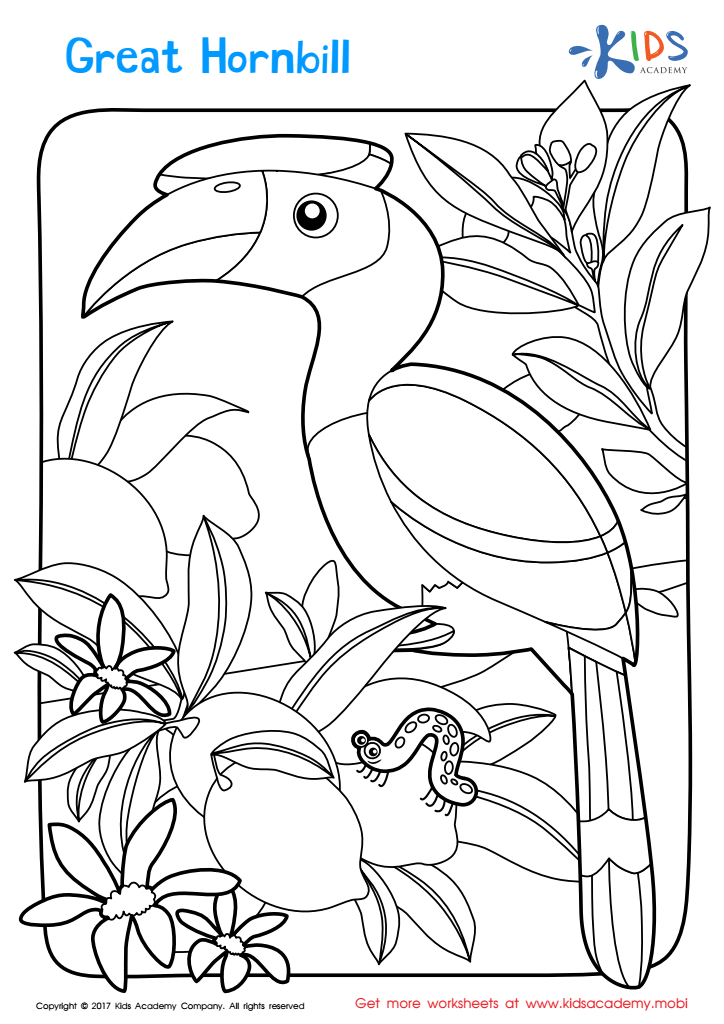
Great Hornbill Worksheet
Assign to My Students
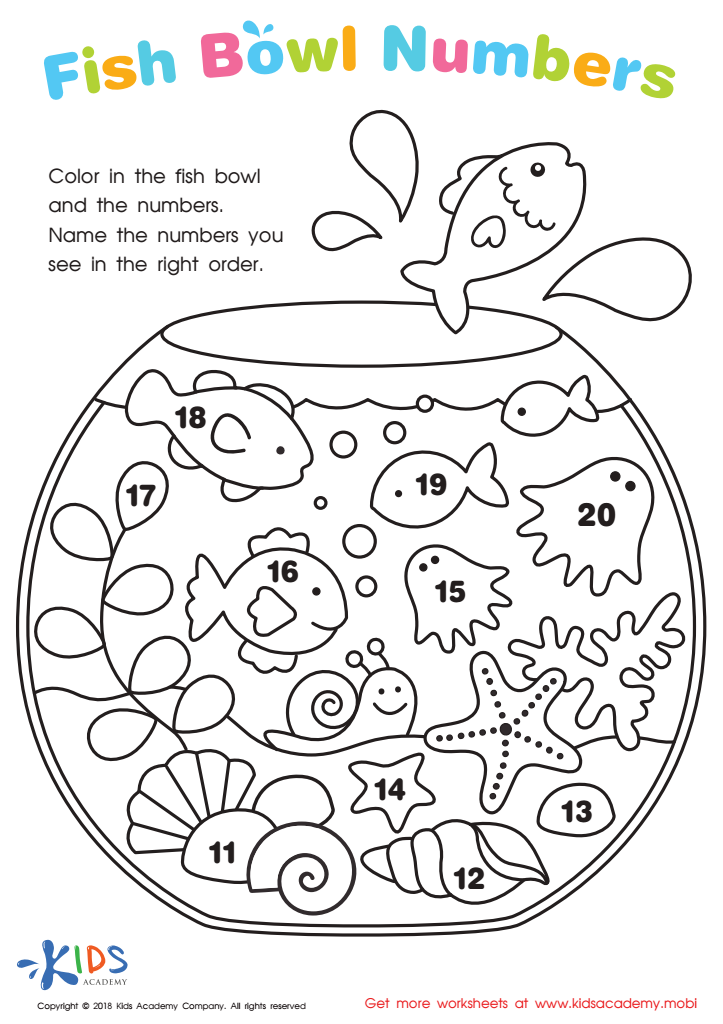
Fish Bowl Numbers Worksheet
Assign to My Students
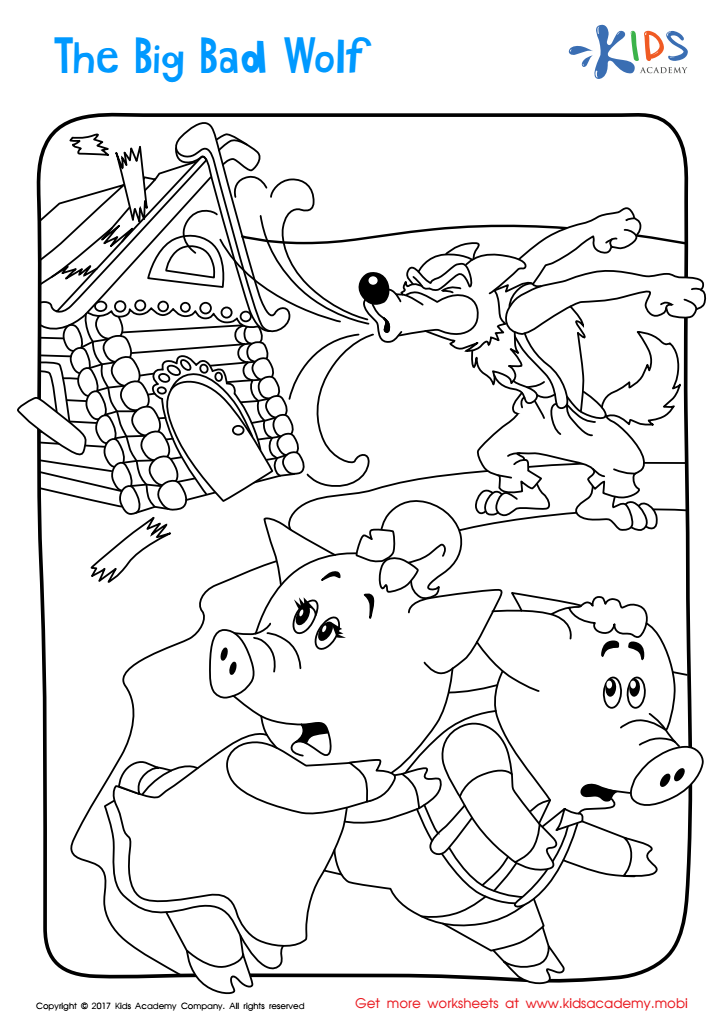
Big Bad Wolf Printable Coloring Page
Assign to My Students
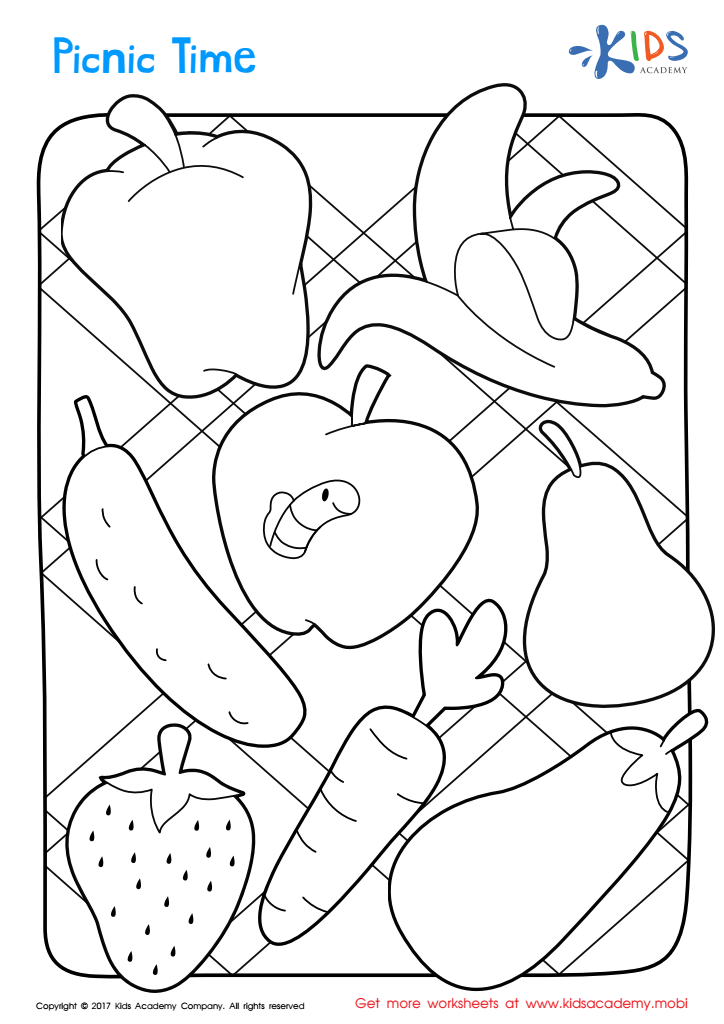
Picnic Time Coloring Page
Assign to My Students
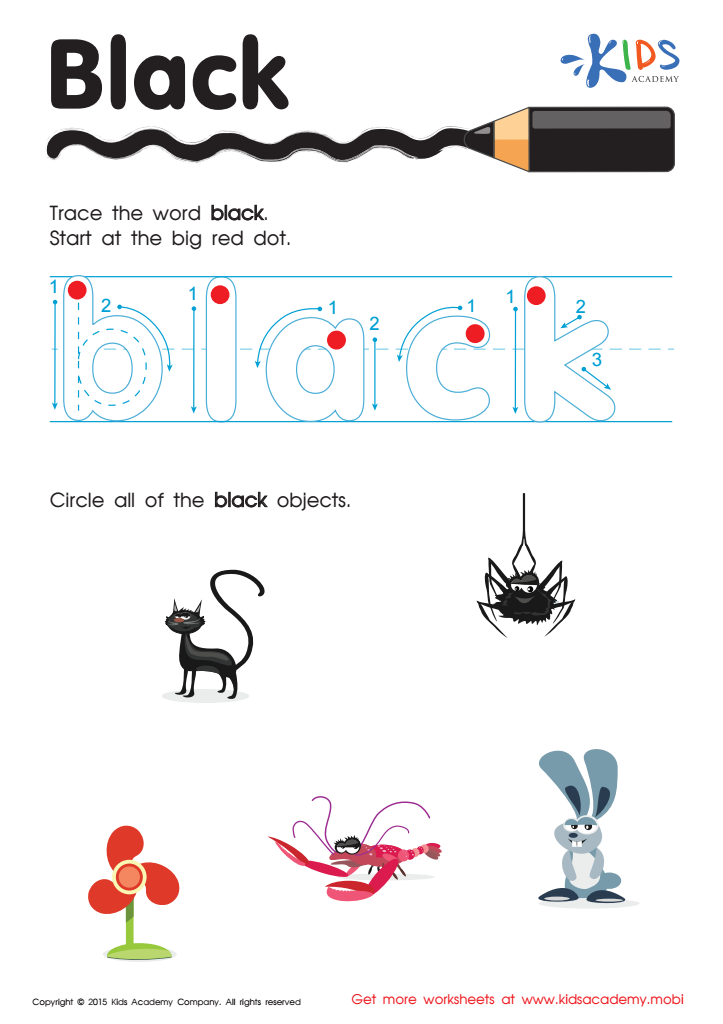
Black Tracing Color Words Printable
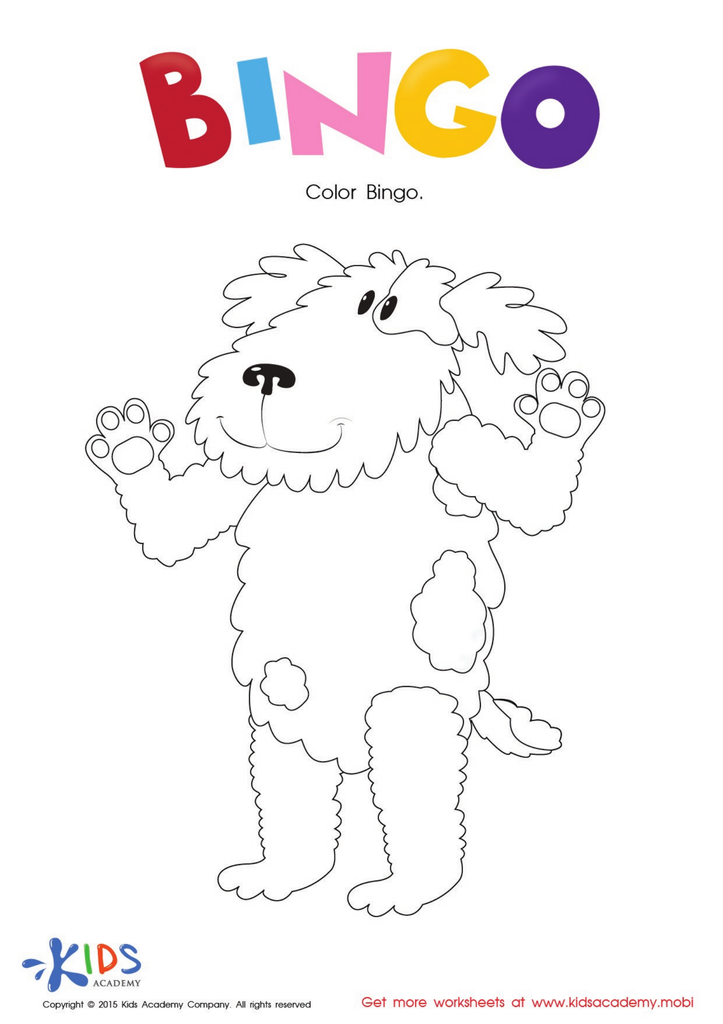
The Bingo Song: Coloring The Dog Worksheet
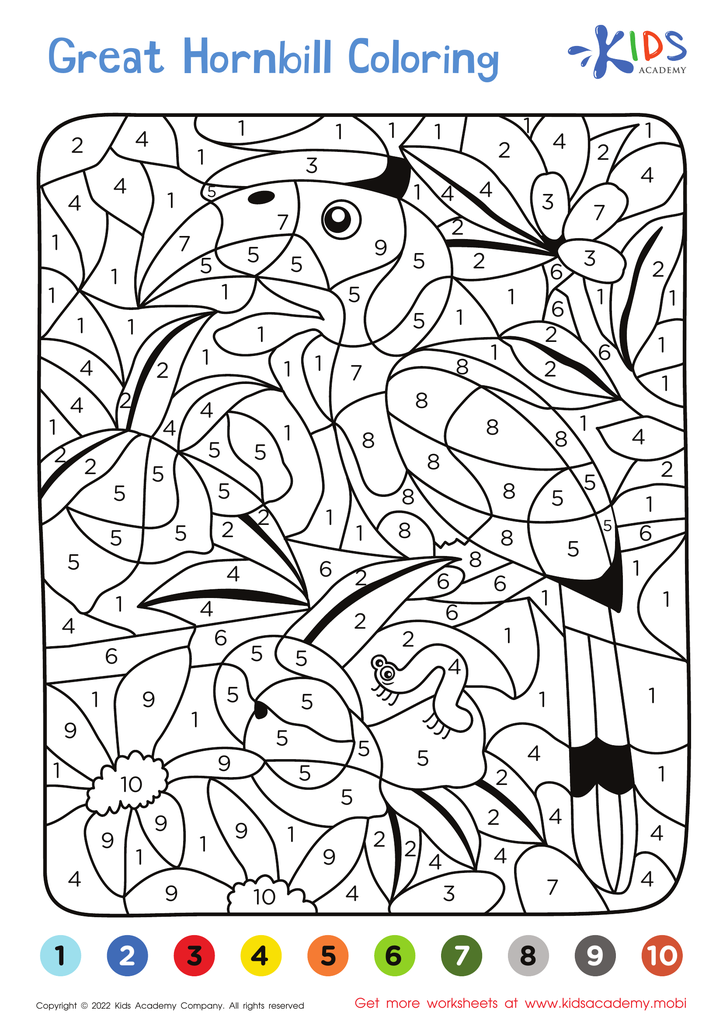
Great Hornbill – Coloring by Numbers
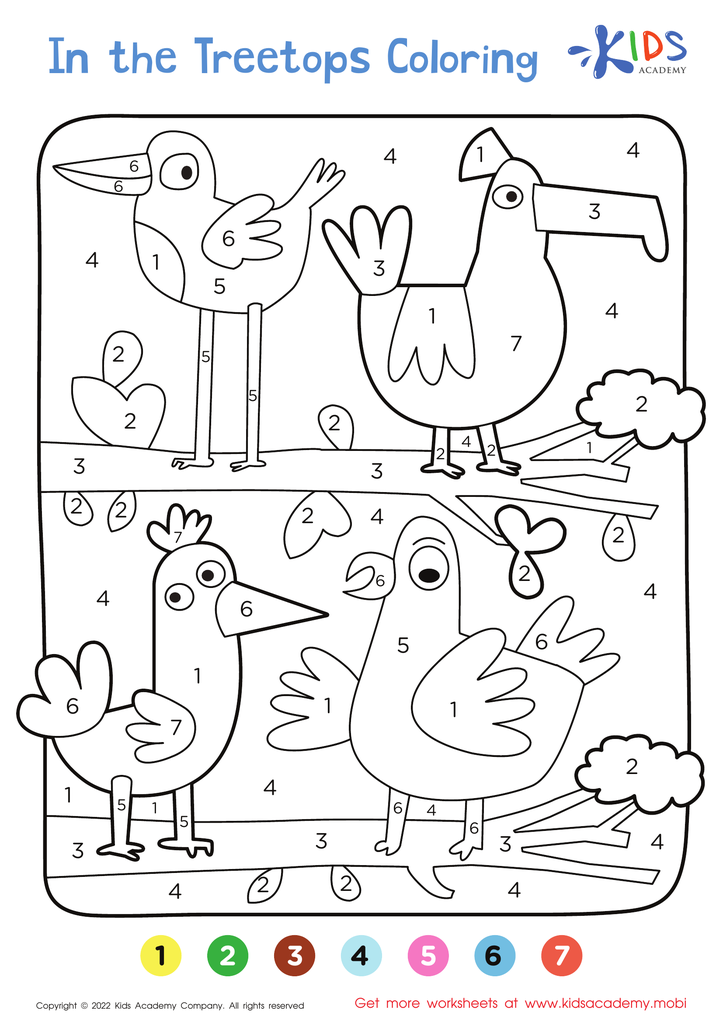
In the Treetops – Coloring Page
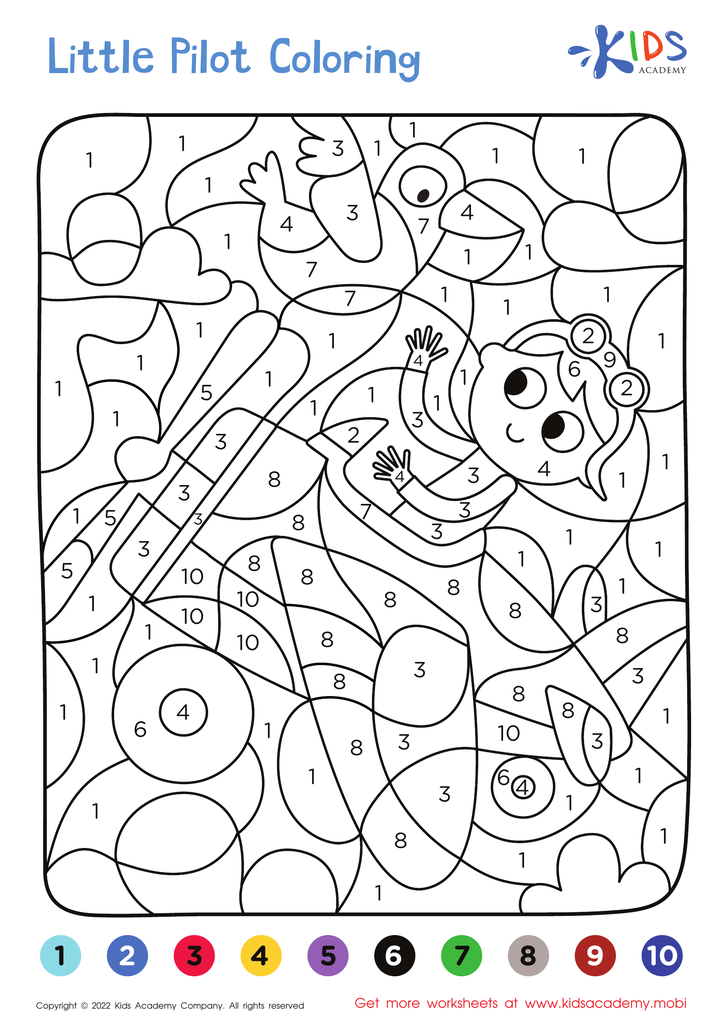
Little Pilot – Coloring by Numbers
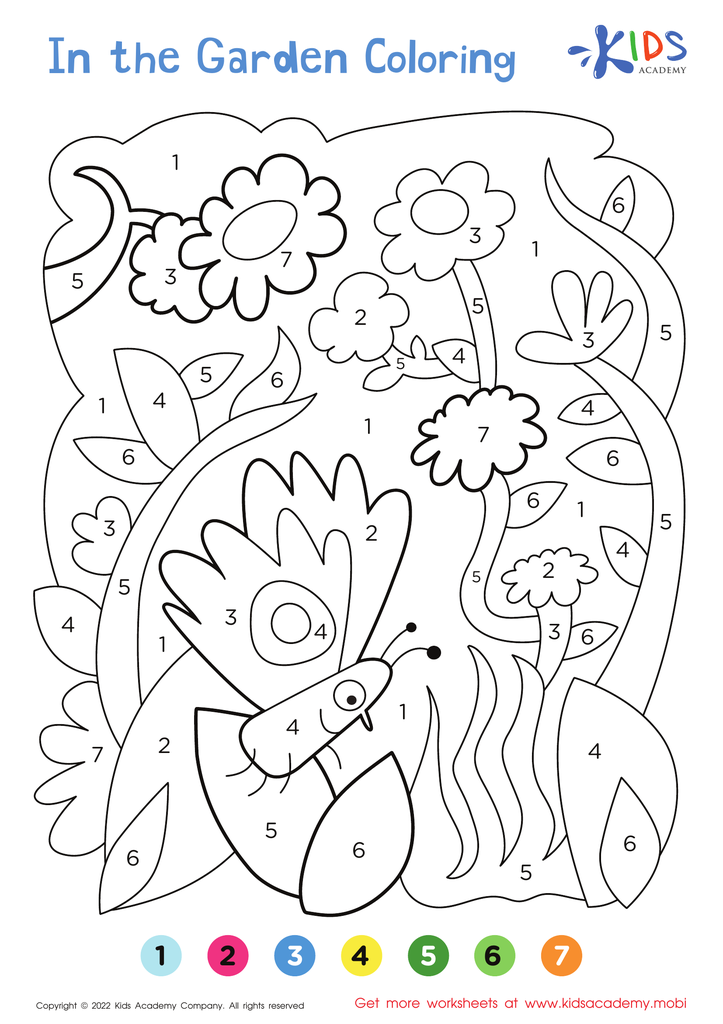
In the Garden – Coloring by Numbers



.jpg)



Color recognition is a fundamental skill that plays a significant role in a child's development, particularly in Grade 1. Understanding colors is not merely about identifying them; it lays the foundation for cognitive growth, language development, and social skills. When young children recognize colors, they enhance their ability to categorize objects, which is a crucial cognitive process. This skill also contributes to their linguistic abilities as they learn to associate words with visual stimuli, increasing their vocabulary.
Moreover, color recognition supports creativity and self-expression through art and play. It helps children distinguish between different items and understand their environment better. In social situations, recognizing colors can facilitate interaction as children can engage in conversations about favorite colors or recognize colors in games.
For educators and parents, fostering color recognition helps ensure readiness for future academic challenges. This skill is often intertwined with math concepts (e.g., sorting and patterns) and literacy (e.g., descriptive language). Ultimately, investing time in teaching children about colors enhances their learning experience, boosts their confidence, and nurtures their ability to communicate effectively—all essential skills for their future success in school and life.