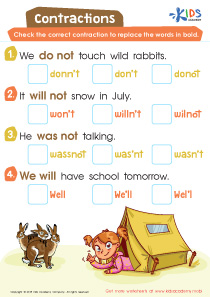
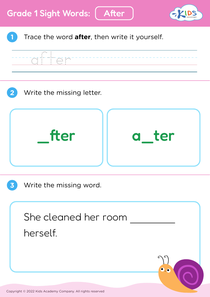
Developing critical thinking Grade 1 Worksheets
3 filtered results
-
From - To
"Developing Critical Thinking Grade 1 Worksheets" are designed to boost young students' problem-solving skills, creativity, and logical reasoning. Each worksheet offers engaging activities that challenge first graders to think beyond simple memorization, enabling them to analyze, evaluate, and synthesize information. Through puzzles, matching exercises, and scenario-based questions, these resources foster independent thinking and early cognitive development. Perfect for classroom use or at-home practice, these worksheets lay a strong foundation for lifelong learning and critical analysis skills. Equip your child with the tools to succeed academically and personally by integrating these enriching materials into their daily education routine.
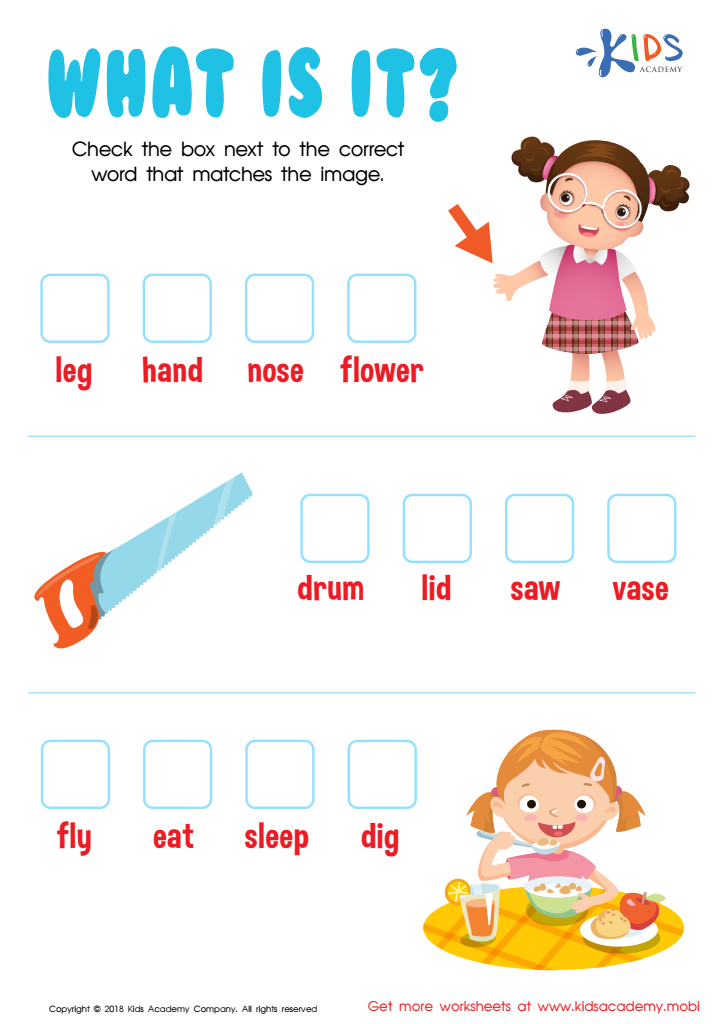
What Is It? Worksheet
 Assign to My Students
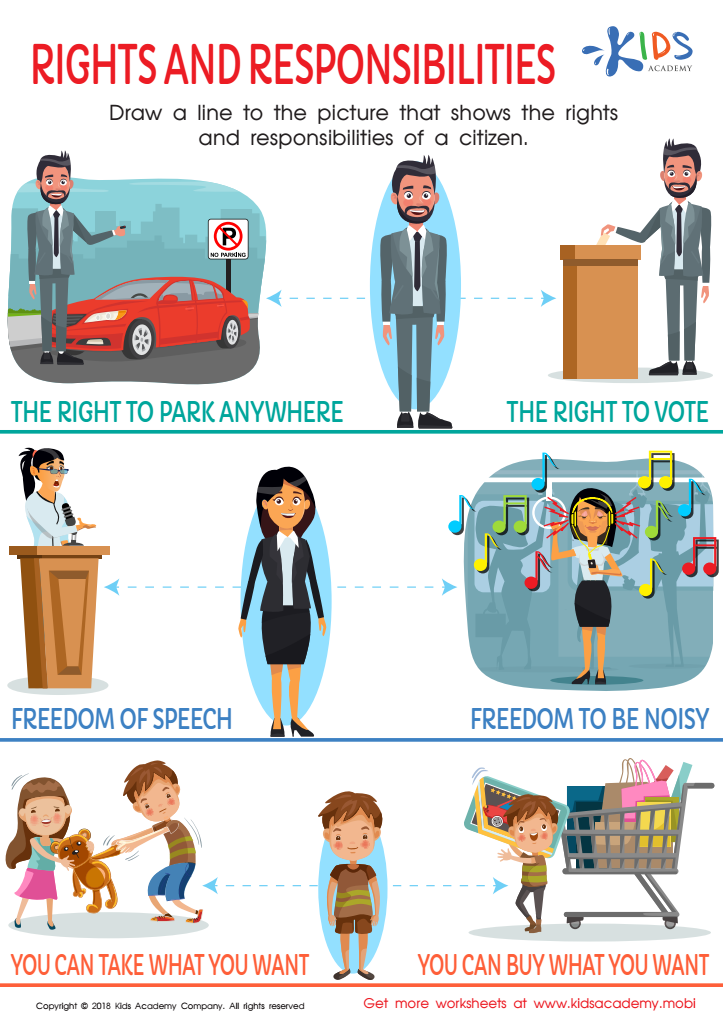
Rights and Responsibilities Worksheet
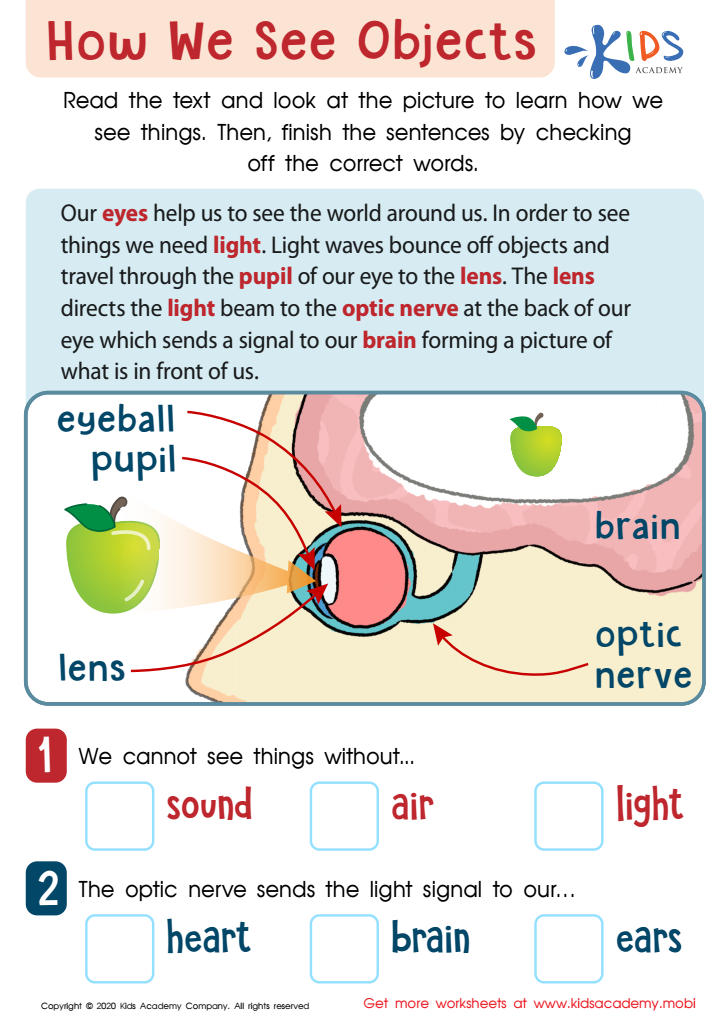
How We See Objects Worksheet






Developing critical thinking skills in first graders is incredibly important for several reasons. At this early stage, children's brains are exceptionally receptive and formative, providing a prime opportunity to cultivate essential cognitive skills. Critical thinking involves analyzing information, understanding cause and effect, making reasoned judgments, and solving problems—all of which are foundational skills for lifelong learning and success.
By fostering critical thinking, parents and teachers help children become more independent and confident in their ability to understand the world around them. This will equip them to make informed decisions, understand the consequences of their actions, and approach problems creatively and logically.
Moreover, critical thinking can enhance academic performance. When children learn to think critically, they can better comprehend reading materials, contribute meaningfully to discussions, and undertake exploratory learning that goes beyond rote memorization. These skills are crucial across all subjects, not just mathematics or science, enabling a well-rounded education.
In addition, developing critical thinking in Grade 1 sets a precedent for resilience and adaptability. As they grow older, children who can think critically are better equipped to face various challenges, from academic hurdles to social issues. In a rapidly changing world, this adaptability is invaluable.
In sum, nurturing critical thinking from a young age helps children develop into thoughtful, articulate, and capable individuals, prepared to navigate an increasingly complex world.